
Light Requirements
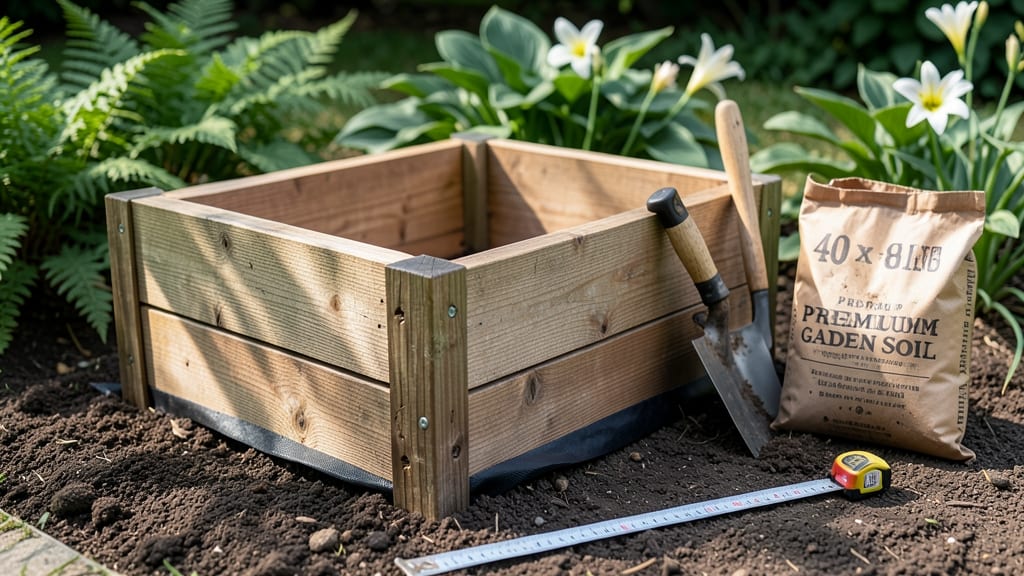
A 4 x 8 raised garden bed needs 2.67 cubic feet of soil per inch of depth—for example, 6.7 cubic feet for 2.5 inches (great for shallow-rooted plants) or 13.4 cubic feet for 5 inches (ideal for most vegetables). Multiply your bed's length, width, and depth to determine total volume, then subtract 10–20% for natural settling.
A 4 x 8 raised garden bed's soil volume depends entirely on how deep you build it.
For instance, a 6-inch-deep bed (common for herbs and greens) will need about 16 cubic feet of soil, while a 12-inch-deep bed (perfect for root vegetables) jumps to 32 cubic feet. 🌱 The key is accounting for soil compaction—fresh soil settles over time, so always buy 10–20% more than your calculations suggest.
I recommend layering a 2-inch drainage layer of gravel or coarse sand at the bottom before adding your planting mix to prevent waterlogging.
Most gardeners split their soil into three parts: 60% topsoil, 30% compost, and 10% perlite or vermiculite for aeration. This blend ensures good drainage while retaining moisture for your plants.
If you're on a budget, you can reduce the compost ratio to 20% but add extra perlite to improve structure. Just avoid using pure garden soil—it compacts too easily and can suffocate roots.
💡 In This Article
- Calculating Soil Volume for Different Raised Bed Depths
- Best Soil Mixes and Layering for 4x8 Raised Beds
Calculating soil volume for different raised bed depths
Understanding soil volume starts with the simple formula: length × width × depth = cubic feet. For a 4 x 8 raised bed, the base area is 32 square feet (4' × 8'). Multiply this by your desired depth in feet to get the raw volume.
For example, a 6-inch-deep bed (0.5 feet) needs 16 cubic feet of loose soil before settling. The magic happens when you convert inches to feet—1 inch = 0.0833 feet, so a 12-inch bed requires 2.67 cubic feet per inch of depth.
Here’s where it gets practical: soil doesn’t stay loose forever. After watering and root growth, most soils compact by 10–20%. That means your 16 cubic feet of soil for a 6-inch bed will shrink to about 12.8–14.4 cubic feet over time.
To avoid running short, always add 15% extra soil to your calculations. For instance, a 10-inch-deep bed (0.83 feet) needs 26.7 cubic feet of loose soil, but you’ll want to buy 30.7 cubic feet to account for settling.
Depth matters more than you might think. Shallow beds (4–6 inches) work for herbs, lettuce, and strawberries, but root crops like carrots or potatoes need 12+ inches to thrive.
A 12-inch-deep bed requires 32 cubic feet of soil, while a 18-inch-deep bed (ideal for tomatoes or peppers) jumps to 48 cubic feet. The deeper the bed, the more you’ll need to invest in soil—but the payoff is healthier plants with deeper root systems and better drought resistance.
Don’t forget about the drainage layer at the bottom. A 2-inch layer of gravel or coarse sand (about 5.3 cubic feet for a 4 x 8 bed) prevents waterlogging and improves aeration. This layer doesn’t count toward your planting depth but adds to the total volume you’ll need to move.
If you’re building a 5-inch-deep bed, your actual soil depth for plants will be 3 inches after accounting for drainage.
Pro tip: Use a soil calculator (like those from garden centers) to double-check your numbers. They account for compaction and drainage layers automatically. For example, a 4 x 8 x 10-inch bed with a 2-inch drainage layer needs ~36 cubic feet of soil—10% more than the raw calculation.
Precision here saves you from mid-season soil shortages or overpaying for extra bags.
One common mistake? Assuming all soil is the same. Bagged garden soil (often pre-mixed) compacts differently than loose topsoil. If your recipe calls for 60% topsoil and 40% compost, measure each component separately—mixing them first can alter their settling behavior.
For a 4 x 8 bed, that might mean 19.2 cubic feet of topsoil and 12.8 cubic feet of compost for a 12-inch depth.