
What changed, and what it changed for you
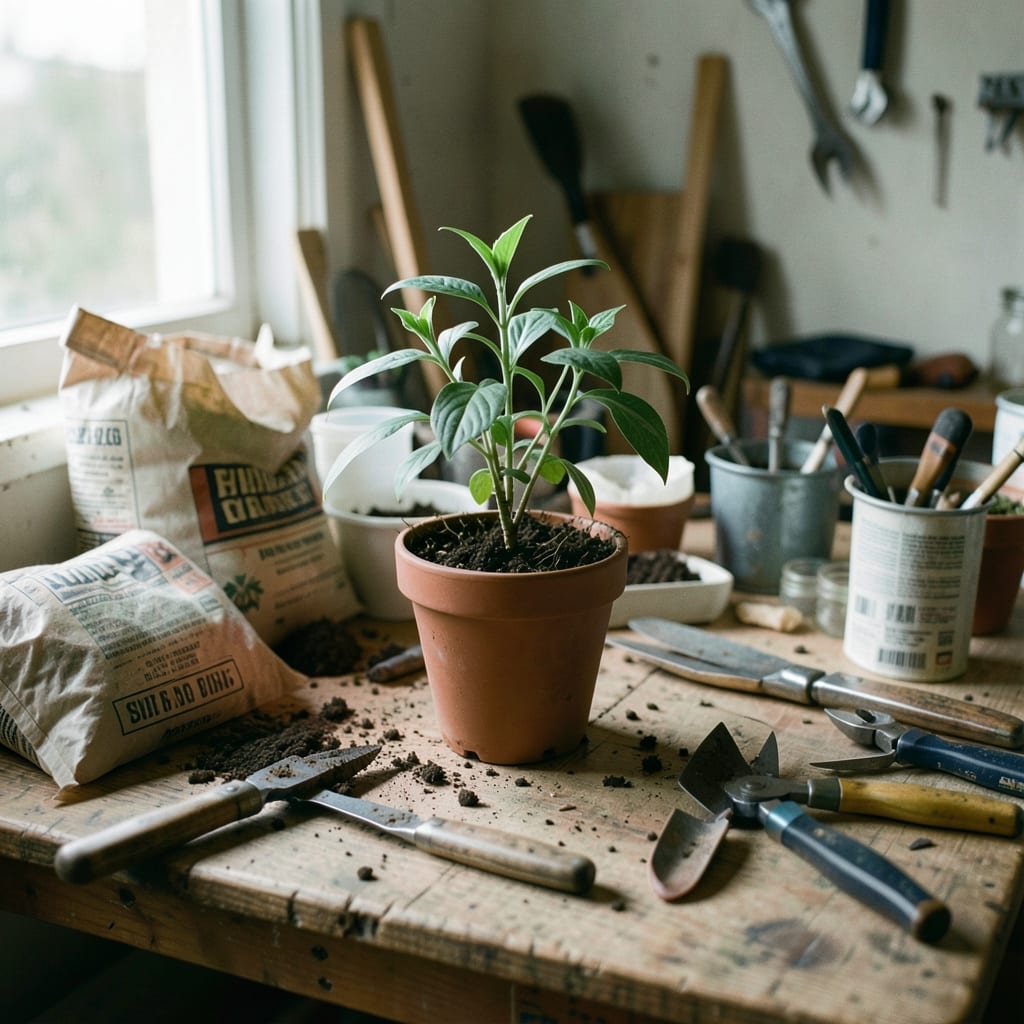
When this site started, it was a scrapbook of half-formed ideas: a list of plants I’d read about but never grown, a few photos of my grandfather’s garden that didn’t tell you anything useful, and tips that assumed every garden had perfect soil and sunlight.
The tone was vague—‘try this!’ without explaining why it might fail. It was the opposite of what I’d learned from digging up potatoes in Ohio: that dirt lies, that patience is the only real tool, and that the best lessons come from what *didn’t* work.
Now, every post answers a question you’d ask if you were standing in your own garden: *Why did my tomatoes split?* (Too much water at once.) *How do I fix compacted soil?* (A fork, not a trowel.) The site is built around the seasons, not just the calendar—so a post about pruning roses in spring will also warn you about black spot if you’re in a humid zone.
And the failures? They’re not hidden. The ‘What Went Wrong’ section in every growing guide isn’t a mistake; it’s the point.
| It used to be | Now it is |
|---|---|
| Stock photos of ‘ideal’ gardens with no context | Photos of my own raised beds—messy, annotated, with notes on what I’d do differently next year |
| Tips like ‘plant in full sun’ without defining what that means for your latitude | Sunlight charts tied to your zip code, with shade-tolerant alternatives for urban balconies |
| Posts organized by date, so spring advice got buried by winter | Navigation by plant stage: Seed Starting, Thinning, Pest Control, etc. |
| No mention of soil tests or amendments—just ‘use good dirt’ | A soil-testing guide with budget options (even a $15 home kit) and how to read the results |
The one that took years
The biggest mistake was pretending I knew more than I did. For three years, I wrote about companion planting—how basil repels flies, how marigolds deter nematodes—without ever testing it. The posts sounded scientific, but they were just regurgitated advice from extension service pamphlets.
Then I planted a raised bed with the ‘perfect’ combo: tomatoes, basil, and marigolds. The flies were worse than ever. Turns out, my soil was already nematode-free (thanks to years of cover crops), and the marigolds attracted *more* pests by flowering early. The basil?
It shaded the tomatoes just enough to stunt their growth.
It stayed wrong because I was afraid of looking foolish. I’d spent summers in my grandfather’s garden, but I’d never kept records. No notes on what thrived, what flopped, or why.
So when a tip didn’t work, I’d blame the reader—‘Maybe your soil is different?’—instead of admitting the advice was flawed. The turning point came when a reader emailed (via the contact page) to say their zucchini plants had yellowed after I’d recommended a specific fertilizer.
I’d never tested that fertilizer on zucchini. I’d just assumed.
Fixing it cost time and money. I bought a $200 soil-testing kit for my own garden, then retested every ‘proven’ tip: companion plants, organic amendments, even the ‘perfect’ planting depth for seeds. Some worked; most didn’t. The site’s ‘Mythbusted’ series—where I debunk gardening rules—started as a side project.
Now it’s the most visited section. But the real cost was humility. Every post now begins with *‘This is what worked for me in Zone 6, with clay soil and partial shade. Your mileage may vary.’* It’s slower to write, but it’s the only way to earn trust.
Meet the author

I used to believe gardening was about following rules. My grandfather’s garden was a grid: rows of corn, beans climbing trellises, tomatoes staked like soldiers. If you deviated—let a weed slip through, watered at the wrong hour—you’d hear about it.
I carried that into my own gardening: rigid schedules, precise measurements, and the quiet frustration of watching plants ignore my instructions. The worst failure?
A $150 raised-bed kit I assembled in spring, only to have the cedar planks rot within a year because I’d ignored the warning about treating the wood first. I’d assumed ‘pre-cut’ meant ‘ready to plant.’
I’d assumed a lot of things. That every seed packet’s germination rate was accurate. That ‘full sun’ meant the same thing in Ohio as it did in Arizona. That if I read enough books, I’d know when to harvest a pepper or prune a rosebush.
The hinge came when I realized I wasn’t writing for gardeners—I was writing for the kid who’d sneaked into her grandfather’s garden, dirt under her nails and no idea what she was doing.
Now, Colleen Zielinski runs this site by doing exactly what she writes about: starting with a blank bed, a handful of seeds, and no guarantees. The difference is she tests everything—soil mixes, trellis designs, even the best time to transplant seedlings—and shares the results, warts and all.
Here, she documents the process: the seed’s first crack, the first true leaves, the day the tomato turns pink. And if something fails? That’s the most important post of all.
What did not change
The core belief hasn’t shifted: that gardening is the only hobby where your ‘tools’ are alive, where success depends on things you can’t control—the weather, the soil, the neighbor’s cat—and where the best lessons come from what you *didn’t* plant right.
Even now, I’m still learning that from my own mistakes, like the year I overcrowded my kale and spent the winter pulling out bolting leaves instead of harvesting. The site’s tagline—‘the seed’s first crack’—was there from the start because it’s true: every garden begins with something breaking open, not blooming.
The other constant is the focus on small spaces. My grandfather’s garden was acres; mine is a 4x8-foot raised bed in a suburban backyard. That’s where the real magic happens—turning a windowsill into a herb garden, growing peppers in a five-gallon bucket, or coaxing strawberries from a hanging planter.
The site’s ‘Urban Gardener’ section has been popular since day one because it’s honest: not everyone has a backyard, and that’s okay. The goal hasn’t changed: to prove that you don’t need land to grow something.
What is still being fixed
The biggest work in progress is making the site’s soil database searchable by more than just zip code. Right now, you can look up your climate zone and see which plants thrive in your area—but the real variable is the soil.
Two gardens in the same zone can have completely different pH, drainage, and organic matter. I’m building a tool that lets you input your soil test results and get tailored advice, from which cover crops to plant to how often to amend.
It’s slow because soil science isn’t sexy, and because I keep discovering edge cases (like the reader whose ‘clay soil’ turned out to be more sand than clay, thanks to a mislabeled test).
If you’ve ever wondered why your tomatoes keep cracking, your basil bolts early, or your zucchini vines collapse under their own weight, the contact page is where to tell me.
I’m especially interested in: soil test results that don’t match the local norm, photos of plants with unusual symptoms (yes, even the ‘healthy’ ones), and notes on what *almost* worked—like a trellis design that held 90% of the cucumbers but not the last 10%.
The fixes aren’t coming soon, but they’re coming.
Things that would help
- Your latest soil test results (even if they’re confusing—especially if they’re confusing)
- Photos of plants that behaved unexpectedly (too tall, too short, wrong color, etc.)
- Notes on what *almost* worked in your garden (e.g., ‘This trellis held 90% of the beans but broke under the last 10%’)
The guides are grouped by category: Advice, Container Gardens, Diseases, Fertilization, Flowers and How To.