
Tools
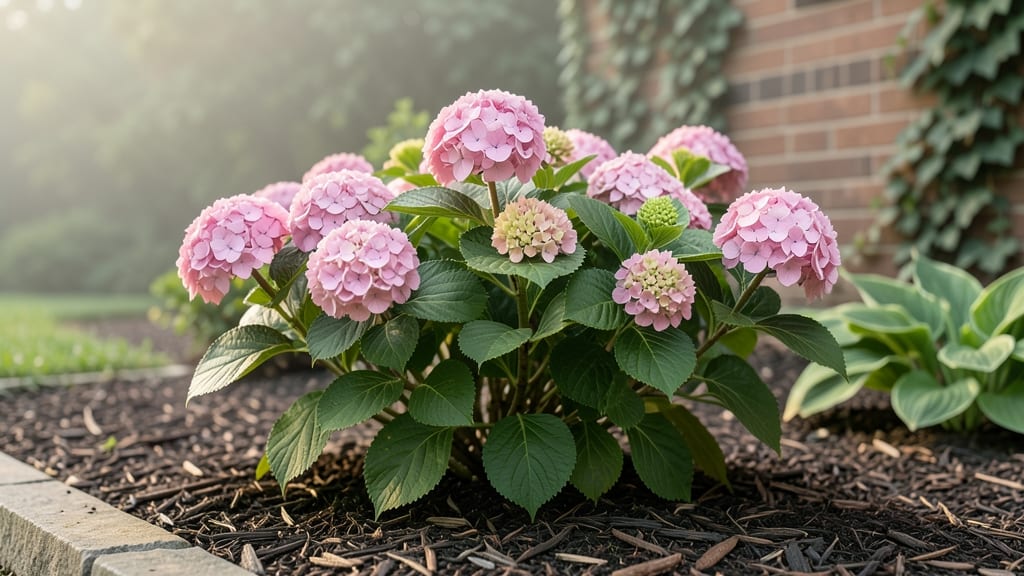
A foundation garden bed featuring Endless Summer hydrangeas adds curb appeal while keeping maintenance simple. 🌸 I’ve designed this exact setup along my home’s exterior, and the results—lush blooms from spring through fall—have neighbors asking for my secrets.
The key is spacing the hydrangeas 12-18 inches apart and pairing them with shade-tolerant perennials like hostas or ferns. This combo thrives in partial sun, reduces root competition with your home’s foundation, and keeps watering manageable. Drainage is critical—amend soil with compost to prevent soggy roots near the house.
You’ll end up with a year-round showpiece that stays vibrant with minimal deadheading. The hydrangeas’ large blooms soften the home’s lines, while the understory adds texture and seasonal interest. Plus, the bed stays neat without pruning or mulching more than twice a year.
Works for any home style, from modern to cottage. Here’s how to plan it without the headaches.
📚 In This Guide
- What you need
- Instructions
- Tips and common mistakes
- Wrapping up and next steps
What you need
- ● Endless Summer Hydrangea Plants: 3–5 mature bushes (depending on bed width; spacing 3–4 ft apart)
- ● Topsoil: 2–3 cubic yards (for amending existing soil or filling the bed)
- ● Compost or Organic Matter: 1–2 bags (to enrich soil fertility)
- ● Mulch: 2–3 bags (pine bark or shredded wood chips, 2–3 inches deep)
- ○ Garden Lime (optional): 1–2 bags (if soil pH is Endless Summer thrives in 5.5–6.2)
- ○ Slow-Release Fertilizer (optional): 1 bag (balanced 10-10-10 or hydrangea-specific formula)
- ● Shovel or spade (for digging)
- ● Garden rake (to level soil)
- ● Wheelbarrow (for moving soil/mulch)
- ● Measuring tape (to ensure proper spacing)
- ● Garden gloves (for comfort)
- ● Pruners (for trimming plants post-planting)
- ● Watering can or hose (with gentle spray nozzle)
- ● Full or partial sun exposure (4–6 hours daily for optimal blooms)
- ● Well-draining soil (amend clay soil with compost)
- ● Foundation edge protection (landscape fabric or edging stones to prevent soil erosion)
- ● Access to water source (hydrangeas need consistent moisture)
How to design a foundation garden bed featuring Endless Summer hydrangeas
Here's my foolproof method for creating a stunning, low-maintenance foundation garden that thrives year-round.
🪴 Step 1: Prepare the Foundation Garden Space
Start by marking your planting area 12-18 inches away from the foundation wall—this prevents moisture damage while still creating a lush border. Remove any existing vegetation and loosen the soil to a depth of 10-12 inches using a garden fork. I like to add 2-3 inches of compost to this area first, mixing it thoroughly with the native soil for better drainage and nutrient retention.
Check for proper drainage by digging a 6-inch deep hole and filling it with water. If it drains in under an hour, your soil is ready. If not, amend with sand or perlite to improve aeration. This step is critical—hydrangeas hate soggy roots and will decline if drainage is poor.
☀️ Step 2: Plan the Planting Layout for Year-Round Interest
Since Endless Summer hydrangeas thrive in partial shade to full sun, position them where they'll receive 4-6 hours of morning sun and afternoon shade, especially in hotter climates. For a 4-plant bed, space each hydrangea 3-4 feet apart to allow for mature growth while maintaining a neat, structured look along the foundation.
I always add 2-3 low-growing perennials like heuchera or ajuga in front of the hydrangeas to create texture and prevent weeds. These plants also help retain moisture in the root zone. Sketch your layout first—hydrangeas grow large, and crowding them will lead to competition for nutrients and water.
🌱 Step 3: Plant the Endless Summer Hydrangeas Properly
Dig holes twice as wide as the root ball but no deeper than the container. Gently remove the hydrangea from its pot and loosen the roots if they're circling. Place the plant in the hole so the top of the root ball sits 1 inch above soil level—this prevents rot from sitting water.
Fill the hole with native soil mixed with a handful of balanced fertilizer (10-10-10) to encourage strong root establishment. Water deeply to settle the soil, then add a 2-inch layer of mulch around the base, keeping it 3 inches away from the stem to avoid moisture buildup. This mulch layer helps regulate soil temperature and retain moisture.
💧 Step 4: Establish a Watering and Maintenance Routine
Water newly planted hydrangeas deeply every 2-3 days for the first 2 weeks, then taper to once a week once established. You'll know they're getting enough water when the soil feels moist but not soggy 2 inches below the surface. Endless Summer hydrangeas are drought-tolerant once established, but consistent moisture during their first year ensures strong root development.
Fertilize in early spring and midsummer with a slow-release granular fertilizer or organic options like composted manure. Avoid high-nitrogen fertilizers—they promote leafy growth at the expense of blooms. Prune spent flowers in late winter or early spring to encourage new growth and more abundant blooming.
✂️ Step 5: Maintain Year-Round Beauty with Minimal Effort
In late winter, cut back any dead or weak stems to just above a set of healthy buds. This encourages fresh growth and keeps the plant compact. Endless Summer hydrangeas rebloom prolifically, so a light pruning in mid-summer after the first flush of flowers also helps maintain shape and encourages more blooms.
Monitor for pests like aphids or spider mites—these can stress hydrangeas. A strong spray of water usually removes them, but for severe infestations, use an insecticidal soap. With proper spacing and mulching, weeds become minimal, and the bed stays tidy with just occasional trimming of overgrown foliage.
Tips & tricks for perfect foundation garden beds with Endless Summer hydrangeas
These simple yet transformative strategies will help you create a thriving, low-maintenance foundation garden that brings year-round color to your home.
Soil Preparation Secret: When amending your soil with 2-3 inches of compost in Step 1, mix in a handful of hydrangea-specific fertilizer (high in phosphorus) to give your plants an instant nutrient boost. This helps compensate for any nutrient deficiencies in your native soil, especially if you're planting in early spring or late fall when soil nutrients are naturally lower. The 6-inch drainage test is non-negotiable—hydrangeas will reward you with vibrant blooms for years if you get this right.
Sunlight Strategy: The 4-6 hours of morning sun recommendation in Step 2 is perfect for most climates, but in hotter regions, you might need to adjust. If your hydrangeas start showing signs of leaf scorch (brown edges), provide afternoon shade using a sheer fabric screen or by positioning them under existing trees. Morning sun gives them the energy they need without the afternoon heat stress that can damage delicate foliage.
Planting Depth Matters: In Step 3, that 1-inch above soil level placement is crucial—it prevents crown rot, which is the #1 killer of newly planted hydrangeas. Use a level to ensure all plants sit at the same height. I've seen gardeners bury the root ball too deep, thinking it would provide more stability, but this actually suffocates the plant. A simple trick: Place the plant in the hole, then mound soil around it to create a slight well for watering.
Watering Wisdom: The 2-3 days watering schedule in Step 4 works beautifully, but there's a better way to check moisture. Insert a long screwdriver into the soil—if it comes out clean, water again. If it's damp 2 inches down, wait another day. This method is far more accurate than just feeling the surface, which can be misleading. Mulch helps retain moisture, but don't let it pile against the stems—keep it 3 inches away as instructed to prevent rot.
Pro Tips for Garden Bed Along The Foundation With Endless Summer Hydrangea
- These simple yet transformative strategies will help you create a thriving, low-maintenance foundation garden that br...
- Soil Preparation Secret: When amending your soil with 2-3 inches of compost in Step 1, mix in a handful of hydrangea-...
- Sunlight Strategy: The 4-6 hours of morning sun recommendation in Step 2 is perfect for most climates, but in hotter ...
Frequently asked questions
about creating a garden bed along your foundation with Endless Summer hydrangeas—because every gardener deserves clarity!How close to the foundation can I plant Endless Summer hydrangeas without causing damage?
Keep plants at least 12–18 inches away from your foundation to prevent moisture buildup or root intrusion. Use gravel or landscape fabric beneath the soil layer to improve drainage and protect your home’s structural integrity. Hydrangeas thrive with airflow, so spacing also reduces disease risk!
When is the best time to plant Endless Summer hydrangeas in a foundation bed?
Plant in early spring or fall when temperatures are mild (50–70°F). Avoid summer heatwaves or winter frosts, as roots need time to establish. If planting in containers near the foundation, use well-draining soil mixes to mimic ideal conditions year-round.
Will Endless Summer hydrangeas attract pests or rodents near my home’s foundation?
These hydrangeas are deer- and rabbit-resistant, but aphids or slugs may visit. Use neem oil or diatomaceous earth for organic pest control. To deter rodents, keep mulch 2–3 inches deep and avoid overwatering. Their dense foliage also naturally deters some critters!
Can I replace Endless Summer hydrangeas with another low-maintenance, long-blooming plant?
Yes! Try Oakleaf Hydrangea (fall color!) or Butterfly Bush for similar blooms. For foundation-friendly alternatives, consider Dwarf Lilacs or Boxwood Shrubs. Ensure any plant has moderate water needs and won’t outgrow the space—hydrangeas are a top pick for their year-round interest!
How often should I water Endless Summer hydrangeas in a foundation bed?
Water deeply 1–2 times per week (more in extreme heat). Foundation beds can retain moisture, so check soil 2 inches down—water when dry. Use drip irrigation to avoid wetting foliage (reduces mildew). Mulch helps retain moisture and regulate soil temps!
Wrapping up and next steps
Creating a garden bed along your foundation with Endless Summer Hydrangea is a game-changer—it blends beauty, durability, and low-maintenance charm while boosting your curb appeal. 🌸 This design not only protects your home’s base but also delivers year-round blooms with minimal effort.
Whether you’re a seasoned gardener or just starting, this project is your ticket to a stunning, hassle-free outdoor space.
Ready to transform your yard? Start by sketching your design—measure your foundation, gather your materials, and take it step by step. Before you know it, you’ll be enjoying lush greenery and vibrant blooms that turn heads (and maybe even inspire your neighbors!). Happy gardening! 🌿