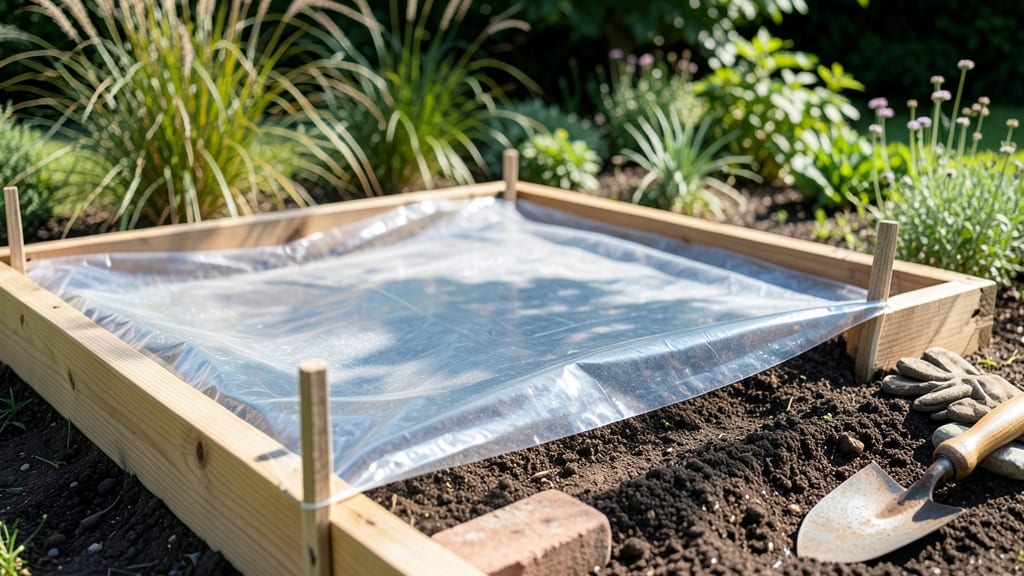
Buying guide: how to choose the right 4x4 raised bed cover
1. Material Type and UV Resistance 💡
A 4x4 raised bed cover’s material determines its durability, weather resistance, and lifespan. For long-term use, I recommend UV-stabilized polyethylene (10-mil or thicker), which blocks 99% of harmful UV rays and resists cracking over time.
If you prioritize breathability, opt for mesh fabrics (like 60% shade cloth) that allow airflow while deterring pests. For winter frost protection, clear corrugated plastic (0.006-inch thick) diffuses light while insulating soil.
Counterintuitively, thicker materials aren’t always better—polyethylene over 12-mil can trap too much heat in summer, while mesh under 18-mesh may not block pests effectively. Match the material to your climate: heavy-duty polyethylene for windy areas, mesh for mild seasons, and plastic for cold climates.
2. Ventilation vs. Insulation Needs ⚡
Your cover’s primary function—whether to ventilate, insulate, or block light—dictates its design. For spring/fall use, prioritize breathable mesh (18-mesh or finer) to prevent condensation while allowing sunlight. In summer, look for covers with ventilation slots or 30-50% shade cloth to reduce heat stress.
For winter hardening, insulated covers with reflective barriers (like bubble wrap + Mylar) can raise soil temps by 10°F. A common mistake? Using opaque plastic in summer—it traps heat and can cook plants.
Pro tip: If you garden in variable climates, invest in a removable cover with adjustable ventilation (e.g., zippered sides) to adapt seasonally.
3. Durability and Longevity ✅
Durability hinges on material thickness, seam strength, and weatherproofing. Polyethylene covers (10-mil+) last 3-5 years if UV-treated, while mesh fabrics degrade faster (1-3 years) unless machine-washable. For high-wind areas, choose covers with adjustable corner weights or reinforced hems.
Avoid thin plastic sheets—they tear easily and won’t protect against pests. I’ve seen gardeners extend their cover’s life by storing it flat in a dry shed (not rolled) and cleaning it with a damp cloth after each season.
If you’re in a humid climate, opt for mold-resistant fabrics or covers with waterproof coatings. Remember: A $20 cover that lasts 1 year isn’t cost-effective compared to a $50 mid-range option that serves 5 years.
4. Ease of Installation and Storage 🔍
No one wants a cover that’s a hassle to install or store. Look for tool-free assembly—snaps, clips, or tension rods beat zip ties or screws. Foldable frames (like aluminum hoops) are ideal for small spaces, while flat-folding covers save shed space.
Avoid covers requiring permanent hardware (e.g., screws into your bed frame), as they can damage wood over time. For 4x4 beds, ensure the cover fits snugly without gaps—even a 1-inch opening lets in pests and wind.
Pro tip: If you’re short on storage, choose a cover that rolls tightly (like corrugated plastic) or has a built-in carrying case. And if you’re using it year-round, prioritize lightweight materials to avoid straining your back during seasonal swaps.
5. Pest and Weather-Specific Features 🛡️
Not all covers tackle the same threats. For pest deterrence, mesh (12-mesh or finer) blocks rabbits and birds, while opaque materials (like black plastic) deter deer. In rainy climates, look for waterproof seams or covers with drip edges.
For snow load, avoid mesh—it collapses under weight. If you’re growing heat-sensitive crops (like lettuce), a 50% shade cover with reflective silver underside reduces soil temps by up to 20°F. A surprising detail: Textured surfaces (like corrugated plastic) shed rain better than smooth ones.
Before buying, ask: What’s my biggest threat—sun, wind, pests, or frost?**—and pick a cover engineered for it.
Frequently asked questions
Q: What size should a 4x4 raised bed cover be to fit standard raised beds?
A 4x4 raised bed cover should measure 4 feet by 4 feet (or 48" x 48") to fit standard raised beds perfectly. Most high-quality covers include pre-cut dimensions for 4x4, 4x8, or custom sizes, but always double-check the product description. If you’re unsure, opt for a slightly oversized cover (e.g., 5x5 feet) to ensure full coverage, especially if your bed has rounded edges or uneven sides. Pro tip: Use corner weights or a tension rod system to secure the cover tightly and prevent gaps where pests or wind could sneak in.
Q: Can I use a 4x4 raised bed cover in winter for frost protection?
Yes, but not all covers work equally well in winter. For frost protection, choose a clear corrugated plastic sheet (like our budget-friendly option) or an insulated thermal blanket (like the premium choice) to trap heat and diffuse light. Avoid mesh covers—they won’t insulate and can collapse under snow. If you’re using a polyethylene cover, pair it with a row cover or straw mulch for extra warmth. Test your cover’s effectiveness by monitoring soil temps: a good winter cover should raise ground temperature by 5–10°F compared to uncovered soil.
Q: How do I secure a raised bed cover so it doesn’t blow away in windy conditions?
Wind resistance depends on weight and tension. Use adjustable corner weights (like the mid-range polyethylene cover) or sandbags to anchor the corners. For extra security, add a tension rod system along the top edges or use zip ties to attach the cover to stakes driven into the ground. If your cover lacks built-in weights, DIY solutions like bricks or cinder blocks work well. Pro tip: Avoid over-tightening—leave a little slack to prevent tearing during gusts, but ensure the cover stays taut enough to block drafts.
Q: What’s the difference between a mesh cover and a polyethylene cover for a 4x4 raised bed?
The key difference lies in breathability vs. insulation. A mesh cover (like the best value pick) allows airflow and light (ideal for spring/fall protection against pests) but won’t insulate in winter. A polyethylene cover (like the best overall) is opaque and durable, blocking 99% of UV rays and providing better wind/pest protection, but it can trap heat in summer. Choose mesh for seedlings or warm seasons and polyethylene for year-round or high-wind areas. If you need both, consider a removable cover system with interchangeable panels.
Q: How long do 4x4 raised bed covers typically last, and how can I extend their lifespan?
Lifespan varies by material: polyethylene covers last 3–5 years if UV-treated, while mesh covers degrade faster (1–3 years) unless machine-washable. To extend durability, store covers flat in a dry shed (not rolled), clean them with a damp cloth after each season, and avoid sharp objects that can tear fabric. For long-term use, invest in a mid-range or premium cover—they’re designed to withstand harsh weather, pests, and repeated use. Pro tip: If your cover develops holes, patch them with UV-resistant tape or replace the panel instead of discarding the whole cover.
Q: Are there any budget-friendly alternatives to branded 4x4 raised bed covers?
For budget-friendly alternatives, try:
- Clear corrugated plastic sheets (from hardware stores) for frost protection (our budget-friendly pick).
- Row covers or frost blankets (cheaper but less durable).
- DIY solutions: Use burlap sacks, old window screens, or even cardboard (temporarily) to block pests or wind.
For long-term use, a $20–$30 mesh cover (like the best value option) is a smart investment—it’s reusable, washable, and outperforms DIY fixes. Avoid thin plastic sheets unless you’re okay with replacing them yearly.
Q: Can I use a 4x4 raised bed cover to regulate soil temperature for heat-loving plants?
Yes, but choose the right material. For heat retention, use a clear plastic cover (like corrugated sheets) to trap sunlight and warm soil. For heat-sensitive plants (e.g., lettuce), opt for a 50% shade cover with a reflective underside to reduce temps by 20°F. Avoid opaque covers in summer—they can overheat soil and cook roots. Pro tip: Ventilation is key—leave small gaps or use a zippered cover to prevent overheating. Monitor soil temps with a thermometer to adjust coverage as needed.