
Pests
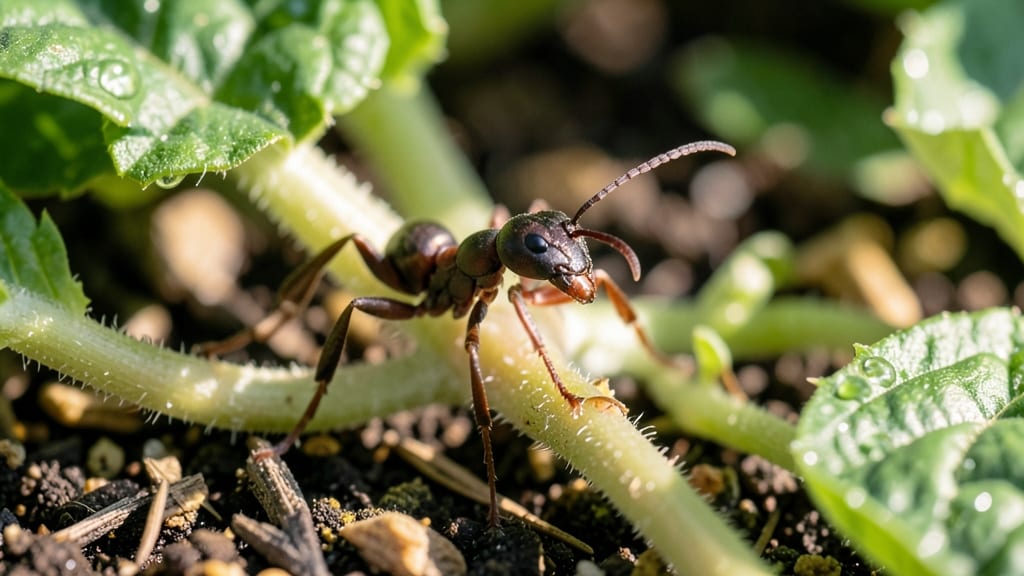
Those tiny trails of marching ants in your raised bed vegetable garden aren't just annoying—they're stealing your harvest and disrupting your soil. 🐜 I've battled them for years, and the solution I finally landed on works in just a few days without harming your plants or beneficial insects.
The key is understanding why they're there: they're not just random visitors. Ants build colonies in garden beds for shelter and food, and your vegetables provide both. Most store-bought sprays kill indiscriminately, wiping out the very insects that protect your plants from bigger pests.
Instead, we'll use a targeted barrier method that blocks their access without disturbing your garden's balance.
Within 48 hours, you'll see those trails disappear completely. Your plants stay healthy, your soil remains undisturbed, and you avoid the chemical residue that lingers in raised beds. The best part? This method works for any vegetable garden, whether you're growing tomatoes, lettuce, or herbs.
No more losing crops to ant damage or dealing with messy mounds in your beds. Here's how to create that natural barrier that actually works—without the guesswork or harsh chemicals.
Root Causes Of Ant Infestations
Ants aren’t just random visitors to your raised bed—they’re drawn in by specific triggers that turn your garden into an all-you-can-eat buffet. Understanding these causes is the first step to reclaiming your veggies without toxic sprays. Here’s why these tiny invaders show up uninvited:
Ants are like tiny food critics with a weakness for two things: sweetness and protein. In your raised bed, they’re likely feasting on:
- Honeydew: A sugary waste product left by aphids, whiteflies, or other sap-sucking pests. Ants farm these pests like cattle, protecting them in exchange for a steady snack. 🐜💧
- Overripe or damaged fruit: Soft, fermenting produce (like tomatoes or peppers) releases sugars that ants detect from yards away. Even a single split berry can trigger a parade.
- Protein-rich soil organisms: Earthworms, grubs, and even decaying plant matter provide the protein ants crave. They’ll tunnel through soil to access these meals.
Actionable insight: If you spot ants trailing toward aphids or rotting veggies, you’ve found their “fast food joint.” Remove the source, and the ants will lose interest.
Raised beds are ant magnets because they offer moisture (from watering or organic matter) and shelter (wooden frames, mulch, or loose soil). Ants prefer:
- Compacted or uneven soil: Gaps in mulch or soil create tunnels where colonies thrive. Wooden raised beds? Ants chew through untreated wood like it’s toothpicks. 🪵🐜
- Excess moisture: Overwatering or poor drainage turns your bed into a swampy hotel. Ants need moisture to survive, and soggy soil is an open invitation.
- Shady spots: Ants avoid direct sun, so they cluster under mulch, boards, or dense plantings. A raised bed in partial shade? Prime real estate.
Science note: Some ant species (like Lasius) build nests in soil, while others (like Solenopsis) nest in wood. Knowing your local ants helps you target their hideouts.
Not all veggies are created equal when it comes to ant appeal. These plants are high-risk because they:
- Attract aphids (e.g., lettuce, cabbage, beans), creating honeydew buffets.
- Produce sweet fruits (e.g., strawberries, melons, corn) that ferment and smell like a dessert bar.
- Have deep roots (e.g., carrots, potatoes) that disturb soil, exposing ant trails.
Pro tip: Interplanting with ant-repelling herbs like mint, thyme, or basil can disrupt their foraging routes. 🌿🚫
Ants don’t always arrive on their own—they hitch rides on:
- New soil or compost: Contaminated mulch, manure, or potting mix can introduce colonies.
- Transplanted plants: Infested seedlings or nursery plants bring ants as unwanted guests.
- Wind or water: Flooding can dislodge ant mounds, scattering workers across your garden.
Prevention tip: Quarantine new plants for 48 hours and inspect soil before adding it to your raised bed. 🕵️♂️🔍
Simple Fixes for Ant Problems
Ants in your raised bed vegetable garden may seem like a small annoyance, but they can quickly become a nuisance—especially if they’re disrupting your plants or attracting other pests. The good news? With the right approach, you can tackle the issue naturally and effectively.
Below are targeted solutions based on the most common causes of ant infestations, along with prevention tips to keep them away long-term.
1. Block Their Entry Points
Ants often march into gardens in search of food, water, or shelter. If you’ve noticed trails leading to your raised beds, the first step is to cut off their access.
- 🍳 Seal Gaps in Wooden Beds Inspect the edges of your raised bed for cracks or gaps where ants can crawl in. Use caulk or fine mesh hardware cloth to seal any openings. Pay special attention to the base—ants can tunnel upward from the soil below.
- 👨🍳 Create a Natural Moat Dig a shallow trench (about 1–2 inches deep) around the perimeter of your raised bed and fill it with water or diatomaceous earth (DE). Ants avoid crossing these barriers, especially if the water is refreshed regularly.
- 🥘 Use Physical Barriers Line the base of your raised bed with cardboard coated in petroleum jelly (the sticky side facing outward) or copper tape—ants dislike both textures and will avoid crossing them.
2. Disrupt Their Food Sources
Ants are drawn to sweet and protein-rich substances. If they’re thriving in your garden, they’re likely finding food—whether it’s from your plants, fallen fruit, or even aphids on your veggies.
- 🔪 Remove Attractants - Harvest ripe produce promptly to avoid fallen fruit or overripe veggies. - Clean up debris (leaves, stems, or plant waste) that could harbor sugars or proteins. - Monitor for aphids or scale insects, which ants "farm" for honeydew.
Spray affected plants with soapy water or neem oil to deter these pests.
- 🌡️ Bait Them Away Instead of killing ants outright (which can disrupt their colony and lead to aggressive behavior), use non-toxic baits to lure them away. - Borax or sugar bait: Mix equal parts borax and powdered sugar with water to create a paste.
Place small amounts near ant trails. Worker ants will carry it back to the colony, reducing numbers over time. - Citrus peels + cinnamon: Ants dislike citrus and cinnamon. Scatter orange or lemon peels around the garden edges and sprinkle cinnamon near entry points.
3. Target the Colony Directly
If ants are already established in your raised bed, you’ll need to locate and disrupt their nest. This requires patience but can provide long-term relief.
- 🎯 Find the Nest Follow ant trails back to their entry point. The nest is often underground near the base of plants, under rocks, or in mulch. Look for small holes or disturbed soil.
- ✨ Smother or Flood the Nest - Vinegar solution: Pour undiluted white vinegar directly into the nest entrance. The strong smell will drive them out. - Boiling water: Carefully pour boiling water into the nest (avoid damaging plant roots).
This is most effective for surface nests. - Diatomaceous earth (DE): Sprinkle food-grade DE around the nest area. It dehydrates ants on contact but is safe for plants once settled.
4. Prevent Future Infestations
Once you’ve addressed the current problem, take steps to keep ants from returning.
- 💡 Choose Ant-Resistant Plants Some plants naturally repel ants. Consider adding:
- Mint, basil, or lavender (plant around the garden’s edge).
- Marigolds or petunias (their strong scent deters ants).
- Garlic or chives (crush and scatter around the bed).
- 🌡️ Maintain Garden Hygiene
- Water plants in the morning to reduce standing water (ants seek moisture).
- Avoid over-fertilizing with protein-rich compost, which attracts ants.
- Rotate crops to disrupt ant foraging patterns.
- 🔥 Use Natural Repellents Regularly
- Essential oils: Mix peppermint, tea tree, or lemon eucalyptus oil with water in a spray bottle and apply around the garden’s perimeter.
- Coffee grounds: Sprinkle used grounds around the base of your raised bed—they disrupt ant scent trails.
While it might be tempting to reach for chemical pesticides, avoid them in your vegetable garden. Chemicals can:
- Harm beneficial insects (like bees and ladybugs).
- Contaminate your soil and produce.
- Make ants more aggressive as they defend their colony.
By combining barriers, baits, and prevention, you can effectively manage ants in your raised bed vegetable garden—without harming your plants or the environment. Start with one or two methods, monitor the results, and adjust as needed. With consistency, your garden will stay ant-free and thriving!
Frequently asked questions
Are all ants bad for my vegetable garden?
Not necessarily! While some ants like fire ants or argile ants can damage plants, many species are harmless or even beneficial. For example, harvester ants help aerate soil, and carpenter ants only target wood—not your veggies. Focus on removing only the ants causing problems (like those trailing toward aphids or rotting fruit).
How do I tell if ants are harming my plants?
Look for these signs: chewed leaves, aphid colonies (ants protect them), or rotting fruit near trails. If you see ants marching in straight lines toward specific plants, they’re likely farming aphids for honeydew. Healthy plants with no visible damage? The ants are probably just passing through.
Will diatomaceous earth (DE) hurt my plants or beneficial insects?
Food-grade DE is safe for plants once settled, but it can harm earthworms and beneficial insects like bees if applied directly to them. Sprinkle DE only along ant trails or nest areas, avoiding direct contact with soil-dwelling creatures. Reapply after rain, as it loses effectiveness when wet.
Why do ants keep coming back after I treat them?
Ants are persistent because they’re recruiting more workers when they find food. If you only kill surface ants, the colony may send reinforcements. Target the nest (follow trails to find it) and use baits (like borax/sugar mix) that workers carry back. Also, remove attractants—ants will return if aphids or rotting fruit remain.
Can I use vinegar to kill ants in my raised bed?
Vinegar is great for disrupting trails and smothering nests, but it won’t eliminate the colony. Pour undiluted white vinegar directly into nest holes or along trails—it kills on contact. For long-term control, combine vinegar with barriers (like coffee grounds) and repellents (like citrus peels) to break their scent trails.