
Tools
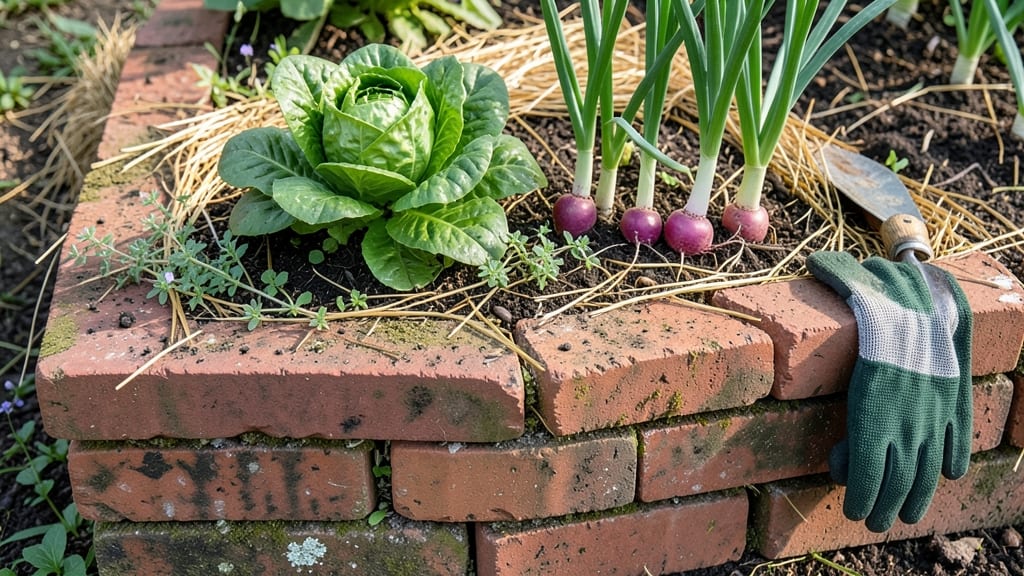
Building a brick raised garden bed without mortar saves money and time while creating a sturdy, long-lasting planter. 🌱 The key is using interlocking bricks that stay put without glue or cement—no special skills required.
I’ve built three of these over the past two years, and the first one still holds up perfectly after heavy winter rains. You’ll need interlocking bricks (like those with lip-and-groove edges), a level, and some gravel for drainage.
The bricks stack like giant LEGO pieces, and a few simple techniques keep them from shifting. My favorite design is a 4-foot-by-8-foot bed, but you can make them any size to fit your space. Once assembled, fill with quality soil and watch your plants thrive year-round.
The raised height keeps roots warm in spring, and the bricks stay cool in summer. Plus, the look blends seamlessly with any garden style—rustic, modern, or cottage. No mortar means easy repairs if a brick shifts, and the cost drops significantly compared to cement-heavy builds. Ready to start?
Here’s how to do it right the first time.
📚 In This Guide
- What you need
- Instructions
- Tips and common mistakes
- Wrapping up and next steps
What you need
- ● Brick or Block Material: 100–200 bricks or blocks (depending on bed size; standard 8"x8"x4" bricks work well)
- ○ Optional: Reclaimed bricks or cinder blocks for a rustic look
- ● Landscape Fabric: 1 roll (10' x 25') to prevent weeds and grass from invading
- ● Soil & Amendments: 3–4 cubic feet of high-quality garden soil or potting mix
- ○ Optional: Compost, peat moss, or perlite for improved drainage
- ● Tools & Hardware: Rubber mallet (for gentle tapping)
- ● Level (to ensure even stacking)
- ● String line & stakes (for marking layout)
- ● Wheelbarrow (for hauling bricks and soil)
- ○ Optional: Gloves, knee pads, and a tape measure
- ● Prerequisites: Flat, stable ground (remove rocks/weeds first)
- ● Sunny or partially shaded spot (6+ hours of sunlight for most plants)
- ● Access to water (for plants and brick cleaning)
Step-by-Step instructions for building brick raised garden beds without mortar
Here's how to create sturdy, no-cement raised beds that last seasons—no masonry skills required.
🪴 Step 1: Choose and Prepare Your Base Materials
Start with interlocking bricks designed for dry-stacking (like 4 bricks per square foot for a 4'x8' bed). These bricks have built-in grooves that lock together without mortar. Lay out your bricks in the desired shape—rectangular beds work best for even weight distribution. A 4-foot width is ideal for easy reach from both sides.
Check for level using a 2-foot level before building. Uneven ground will cause your bed to tilt over time. If needed, add a layer of compacted gravel or landscape fabric to create a stable, level base. The flatter the ground, the less your bricks will shift as plants grow heavier.
🪴 Step 2: Build the First Layer with Precision
Begin in a corner and place the first brick with its longest side flush against the ground. The interlocking design means each brick should fit snugly into the grooves of the bricks below—no wobbling allowed. For a 4-foot-wide bed, you’ll need 2 rows of bricks stacked vertically to create the first layer’s height.
As you build, tap each brick gently with a rubber mallet to settle it into place. This prevents gaps that could let soil spill through. Work in sections no longer than 4 feet at a time—longer stretches are harder to keep level. Use a string line stretched between stakes to maintain straight edges. Adjust bricks as needed until the first layer is perfectly level.
🪴 Step 3: Stack Subsequent Layers for Stability
For a 12-inch-tall bed (ideal for most plants), add 3 layers total, with each layer staggered so the vertical joints don’t align. This interlocking pattern distributes weight evenly and prevents shifting. Use landscape fabric between layers to allow drainage while keeping soil in place.
After each layer, check for stability by gently pressing down on the corners. If a section feels loose, add a small brick fragment or gravel to fill gaps. Avoid over-tightening—bricks should fit snugly but not crack under pressure. Leave a ½-inch gap between the top layer and the ground to allow water to drain away from the brickwork.
🌱 Step 4: Fill and Plant for Long-Term Success
Line the inside of your bed with cardboard or landscape fabric to block weeds and stabilize the soil. Fill with a mix of 60% topsoil, 30% compost, and 10% perlite for drainage. Avoid garden soil—it compacts and suffocates roots. Water the soil deeply before planting to settle it and eliminate air pockets.
Plant your chosen vegetables or flowers, spacing them according to their mature size. For example, tomatoes need 18-24 inches apart, while lettuce can grow 6-8 inches apart. Mulch the surface with 2 inches of straw or shredded leaves to retain moisture and suppress weeds. The raised bed will warm up faster in spring, so start planting 2-3 weeks earlier than in-ground gardens.
⏰ Step 5: Maintain and Reinforce Over Time
Check your bed after the first heavy rain to ensure no bricks have shifted. If gaps appear, fill them with gravel or small rocks to stabilize the structure. Every 2-3 years, check the base for erosion or settling. If the ground beneath shifts, add a new layer of compacted gravel to restore level support.
For winter, remove annual plants and add a 4-inch layer of straw mulch to protect soil and bricks from freezing. Perennial plants will survive the cold, but the extra insulation prevents soil heaving that could damage the brickwork. With proper care, your no-mortar bed will last 10+ years—longer than most cement-based alternatives.
Tips & tricks for perfect brick raised garden beds without mortar
Took me a while to figure these out, so here are the essentials that'll make your brick garden bed sturdy and long-lasting.
Brick Selection: Not all bricks work for dry-stacking—look for interlocking bricks designed specifically for raised beds. These have built-in grooves that create a puzzle-like fit without mortar. I learned this the hard way after using regular bricks that shifted over time. The 4 bricks per square foot guideline in Step 1 is perfect for stability, but if you're using larger bricks, adjust accordingly to maintain that same density.
Precision Leveling: That 2-foot level in Step 1 isn't just for show—uneven beds will cause drainage issues and make planting difficult. I recommend using a laser level if you have one, as it's faster and more accurate than a bubble level. The key is getting your base perfectly level before you start stacking bricks. Even a slight tilt can cause problems down the road.
Staggering Strategy: When you're building those 3 layers in Step 3, the staggered pattern is what prevents shifting over time. Think of it like brickwork—each layer should offset the joints below by at least half a brick. This creates a strong, interlocking structure that can support heavy plants like tomatoes or squash without collapsing.
Soil Mixing: The 60-30-10 ratio of topsoil, compost, and perlite in Step 4 is perfect for most vegetables, but you can adjust based on your plants. For example, if you're growing moisture-loving plants like lettuce, reduce perlite to 5% and add 5% more compost. The critical part is watering deeply before planting—this helps settle the soil and eliminates air pockets that can stunt root growth.
Pro Tips for Brick Raised Garden Bed Without Mortar
- Took me a while to figure these out, so here are the essentials that'll make your brick garden bed sturdy and long-la...
- Brick Selection: Not all bricks work for dry-stacking—look for interlocking bricks designed specifically for raised b...
- Precision Leveling: That 2-foot level in Step 1 isn't just for show—uneven beds will cause drainage issues and make p...
Frequently asked questions
Got questions about building a no-mortar brick raised bed?
You’re not alone! Here are answers to the most common concerns—so you can get planting with confidence.
Can I use any bricks for this project?
Not all bricks work equally well! Opt for interlocking bricks (like Lego-style bricks) or cinder blocks with lip edges—they stack securely without mortar. Avoid smooth pavers or loose bricks, as they may shift over time. If using cinder blocks, add landscape fabric between layers to prevent soil from seeping into gaps.
How long does a no-mortar brick bed last?
A well-built brick raised bed can last 5–10 years or longer, depending on weather exposure and brick quality. To extend its life:
- Use weather-resistant bricks (like concrete or clay).
- Avoid placing beds in direct sun without shade (UV can weaken bricks).
- Check for shifts or cracks annually and reinforce with landscape pins if needed.
What’s the best soil mix for a brick bed?
Brick beds drain very quickly, so prioritize a loose, airy mix:
- 60% topsoil (nutrient-rich)
- 30% compost (for organic matter)
- 10% perlite or vermiculite (to improve drainage)
For heavy clay soil, add coarse sand (20%) to prevent compaction. Test your soil’s pH—most veggies thrive in 6.0–7.0.
What if my bricks keep falling apart?
Shifting bricks usually mean one of three issues:
- Uneven base: Level the ground with gravel or pavers before stacking.
- No interlocking: Use landscape pins or zip ties to secure bricks temporarily.
- Freeze-thaw cycles: In cold climates, add a 2-inch gravel base to improve drainage and reduce frost heave.
For extra stability, weave flexible rebar through the brick layers before filling with soil.
Can I grow anything in a brick bed?
Brick beds are great for:
- Vegetables (tomatoes, peppers, herbs)
- Flowers (marigolds, basil, strawberries)
- Small shrubs (dwarf fruit trees, rosemary)
Tip: Avoid root crops like carrots or potatoes—they need deep soil. For shallow-rooted plants, mulch heavily to retain moisture (brick beds dry out fast!).
Wrapping up and next steps
Building a brick raised garden bed without mortar is a game-changer for gardeners who want a sturdy, low-maintenance, and eco-friendly solution! 🌱 With just a few bricks, some gravel, and a little elbow grease, you’ve got a perfect spot to grow your favorite plants—no cement, no mess, just pure gardening joy.
Whether you’re a beginner or a seasoned pro, this project proves that great gardens don’t need complicated setups.
Ready to dig in? Start small—try a single bed—and let your green thumb shine! Once you’ve mastered the technique, expand your garden or even create a cozy herb spiral for year-round harvests. Happy planting! 🌿