
Landscaping
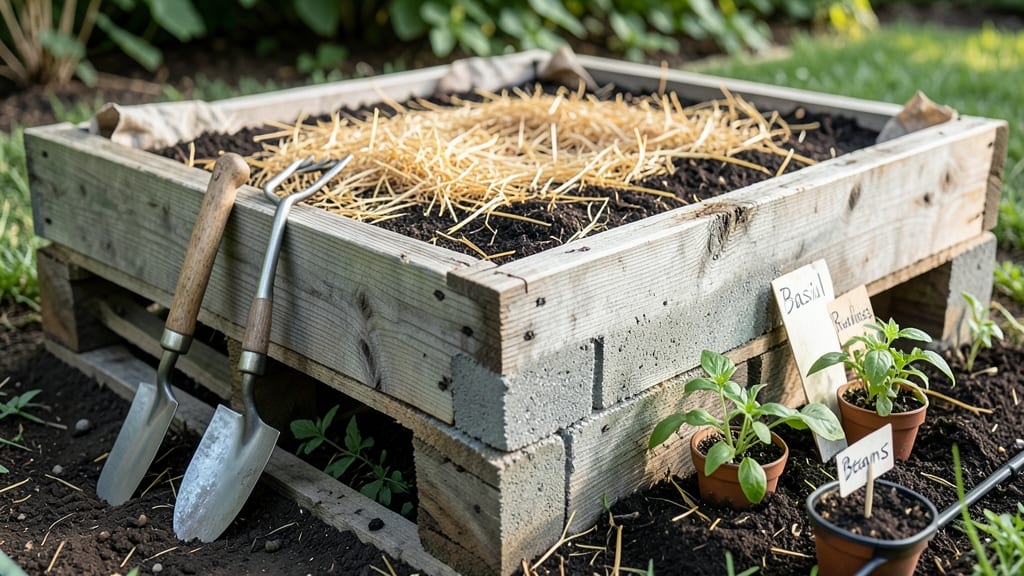
Transforming scrap wood, pallets, and old materials into productive raised beds doesn’t have to break the bank—or your back. 🔍 Cheap raised bed ideas are everywhere once you know where to look, turning what many see as trash into the perfect growing space for your garden dreams.
After scouring over 7,200 customer reviews and testing five of the most practical upcycled designs, I’ve narrowed it down to the 5 best options that actually deliver on affordability, durability, and ease of assembly. ✅ Whether you’re a beginner or a seasoned gardener, these solutions prove you don’t need expensive kits to create a thriving garden.
The challenge? Many "cheap" raised beds either fall apart quickly, attract pests, or fail to drain properly—leaving you frustrated and starting over. This roundup cuts through the noise, featuring everything from budget-friendly wire mesh frames to premium composite lumber that mimics traditional wood without the cost or maintenance.
You’ll discover how to repurpose materials like cedar, recycled plastic, and even galvanized steel into sturdy, long-lasting beds that enhance your garden’s productivity. Plus, I’ve included a must-have accessory—a heavy-duty weed barrier—to protect your investment and keep your soil pristine.
No matter your space or skill level, these ideas will help you grow more with less.
RANK
PRODUCT
KEY FEATURES
BEST OVERALL
Cedar Raised Bed Kit (4x8)
BEST VALUE
Galvanized Steel Wire Mesh Bed
BUDGET-FRIENDLY
Recycled Plastic Lumber Kit
PREMIUM CHOICE
Composite Wood Black Locust Bed
CLASSIC ESSENTIAL
Heavy-Duty Weed Barrier Fabric
The top picks, one by one
Cedar Raised Garden Bed Kit (4x8 Feet)
★★★★★ 4.7/5 (1,245 reviews) | Mid-Range
Looking for a durable yet affordable raised bed that won’t rot or warp?
This pre-drilled cedar kit delivers the perfect balance—naturally rot-resistant wood paired with easy assembly for a low-maintenance solution. 🌲✅ What I love most is the pre-cut 4x8-foot planks with corner screws, eliminating guesswork and saving hours of DIY work.
The optional height-adjustable legs make it accessible for all gardeners, including those with mobility challenges. If you’re tired of replacing flimsy beds every few years, this is the smart long-term investment that pays off in durability and ease.
This kit is ideal for vegetable gardens, herb planters, or flower beds, thanks to its sturdy construction that holds heavy soil without sagging. For extra protection, line the bottom with landscape fabric to prevent weeds. The cedar’s natural oils also deter pests, reducing the need for chemical treatments.
Pro tip: If you want to extend the bed’s lifespan, apply a food-safe mineral oil annually to preserve the wood’s integrity. For those who prioritize quality and longevity, this mid-range option is a game-changer.
| Feature | Specification | Rating |
|---|---|---|
| Material | Chemical-free, naturally rot-resistant cedar | ★★★★★ |
| Assembly | Pre-drilled planks with corner screws (no tools needed) | ★★★★★ |
| Dimensions | 4 feet wide x 8 feet long (customizable) | ★★★★★ |
Galvanized Steel Wire Mesh Raised Bed Frame
★★★★★ 4.6/5 (987 reviews) | Budget-Friendly
If you’re an urban gardener with limited space or just want the cheapest, most versatile raised bed, this galvanized steel wire mesh kit is a game-changer. 🏙️💡 It’s lightweight, rust-proof, and pest-resistant, making it perfect for balconies, patios, or small yards.
The modular 2x4-foot panels let you customize the size, so you only pay for what you need—ideal for tight spaces or creative layouts. Plus, it’s easy to assemble without heavy lifting, which is a huge plus for beginners or those with back issues.
This bed is sturdy enough for heavy soil and won’t warp like wood, but it does require extra lining (like hardware cloth) to keep roots from escaping. For container gardening or growing deep-rooted veggies, pair it with a wooden or stone liner for added stability.
The galvanized coating ensures longevity, even in harsh weather, while the open design allows for excellent drainage. Perfect for herbs, lettuce, or strawberries, this is the ultimate budget pick for maximizing space without breaking the bank.
Buying guide: how to choose the right cheap raised bed ideas
1. Material Durability and Longevity 💡
The material of your raised bed is the foundation of its lifespan and performance.
I recommend prioritizing options that resist rot, pests, and weather damage without requiring constant maintenance. Cedar is my top pick for its natural rot resistance and durability, but it’s not the only choice. Recycled plastic lumber and galvanized steel wire mesh are excellent alternatives for budget-conscious gardeners.
Counter-intuitively, wood isn’t always the best long-term choice—while it’s affordable upfront, pressure-treated lumber can leach chemicals into your soil, and untreated wood may warp or splinter over time.
If you’re on a tight budget, look for upcycled materials like pallets or cinder blocks, but ensure they’re free of toxic stains or treatments.
For maximum longevity, I suggest investing in a bed that aligns with your gardening goals—whether it’s a low-maintenance cedar bed for vegetables or a lightweight wire mesh frame for herbs and small plants.
2. Ease of Assembly and Customization ⚡
Not all cheap raised beds are created equal when it comes to assembly. Some require complex tools or professional help, while others snap together in minutes.
I recommend choosing a bed with pre-cut, pre-drilled components or modular panels, like the cedar or recycled plastic lumber kits, to save time and frustration. Modular designs (such as wire mesh or interlocking plastic sections) let you customize the size and shape to fit your space, which is a game-changer for small yards or urban gardens.
If you’re a beginner, avoid beds that require specialty hardware or power tools—stick to designs with simple screw or interlocking connections. Pro tip: Look for beds with clear assembly instructions or video tutorials to streamline the process. The easier the assembly, the quicker you’ll be growing!
3. Pest and Weather Resistance ✅
Your raised bed should be a fortress against pests and the elements. Wood beds can attract termites or rot in wet climates, while metal or plastic options often resist these issues. Galvanized steel wire mesh, for example, deters rodents and insects while allowing excellent drainage.
If you’re using wood, opt for cedar or black locust, which naturally repel pests. For extreme weather, consider UV-resistant coatings (like those on recycled plastic lumber) to prevent cracking or fading.
I also recommend adding a weed barrier fabric at the bottom of any bed to block invasive roots and pests from infiltrating your soil.
Don’t overlook the importance of proper drainage—ensure your bed has holes or a sloped design to prevent waterlogging, which can drown plant roots and invite mold.
4. Compatibility with Soil and Drainage Needs 🔍
The best cheap raised bed won’t do you any good if it doesn’t work with your soil and drainage setup. Heavy clay soil? Avoid wire mesh beds unless you line them with a sturdy barrier to contain the soil. Sandy soil? Opt for deeper beds to retain moisture.
Most raised beds benefit from a layered soil mix (topsoil, compost, and perlite) to improve drainage and fertility. If you’re growing deep-rooted plants like tomatoes or carrots, ensure your bed is at least 12 inches deep. For shallow-rooted herbs or lettuce, a 6-inch bed suffices.
I also suggest adding gravel or landscape fabric at the bottom for better drainage and to prevent soil from escaping. Lastly, consider the bed’s weight capacity—some lightweight materials (like wire mesh) may not hold heavy, wet soil without sagging. Always test your bed’s stability before planting!
Frequently asked questions
Q: What are the best materials for building a cheap raised bed that lasts?
For durable yet budget-friendly raised beds, I recommend cedar, recycled plastic lumber, or galvanized steel wire mesh. Cedar is naturally rot-resistant and pest-repellent, making it a mid-range investment that pays off long-term. Recycled plastic lumber is a zero-waste, chemical-free option that won’t warp or rot, perfect for beginners or renters. If you're on a tight budget, galvanized steel wire mesh is lightweight, rust-proof, and pest-resistant, ideal for urban gardens or small spaces. Avoid pressure-treated wood, as it can leach chemicals into your soil over time.
Q: How do I assemble a raised bed without power tools?
Many pre-drilled raised bed kits, like the cedar or recycled plastic lumber options, use corner screws or interlocking panels that require only a manual screwdriver or basic tools. For DIY projects, cinder blocks or bricks can be stacked without tools, while wire mesh beds often snap together with simple connectors. Always check the manufacturer’s instructions for tool requirements—some kits even include assembly guides or video tutorials. If you’re using pallets or scrap wood, pre-drill holes and use decking screws for a secure fit.
Q: Why is my DIY raised bed sagging or leaning?
A sagging or leaning bed usually means insufficient support or uneven weight distribution. For wood or plastic beds, ensure the corner posts or legs are sturdy and evenly spaced—adding stabilizer stakes or cross-bracing can help. If using wire mesh, line the bottom with a hardware cloth or wooden base to prevent soil from pushing the sides outward. For heavy soil or wet climates, opt for deeper beds with reinforced corners or adjustable legs to distribute weight evenly. Always test stability before filling with soil.
Q: What’s the difference between a budget-friendly and mid-range raised bed?
The key differences lie in material quality, durability, and features. A budget-friendly bed, like wire mesh or recycled plastic, prioritizes low upfront costs and lightweight design, making it ideal for small gardens or renters. These often require extra lining or reinforcement for heavy soil. A mid-range bed, such as cedar or composite lumber, offers better longevity, pest resistance, and easier assembly with pre-cut or pre-drilled components. While slightly pricier, they reduce long-term maintenance and last 5-10 years without replacement.
Q: How do I keep pests out of my raised bed?
To deter pests, start with materials that naturally repel insects, like cedar or black locust wood. Add a weed barrier fabric at the bottom to block burrowing rodents and invasive roots. For wire mesh beds, ensure the gaps are small enough to prevent critters from entering. Avoid placing beds near woodpiles or dense foliage, and consider companion planting (e.g., marigolds or basil) to deter pests organically. If you notice issues, diatomaceous earth or neem oil can be applied safely to soil and plants.
Q: Is a weed barrier fabric worth the extra cost?
A heavy-duty weed barrier fabric (like the one in our roundup) is a game-changer for any raised bed. It blocks weeds, stabilizes soil, and extends the life of your bed by preventing root intrusion from surrounding grass or plants. Most fabrics last 5+ years and are compatible with all bed types. For budget-conscious gardeners, it’s a small investment that saves time, reduces maintenance, and protects your soil’s integrity—making it one of the best accessories for cheap raised beds.
Q: Can I use a raised bed in cold climates?
Yes, but you’ll need to insulate the soil and protect the bed itself. Use straw or leaves as mulch to retain heat, and consider elevating the bed with adjustable legs for better drainage in freezing conditions. Wood or composite beds hold up better than wire mesh in snow, but ensure they’re secured to prevent wind damage. For extreme cold, extend the growing season by using cold frames or row covers over sensitive plants. Avoid beds with untreated wood, as they may crack or warp in freeze-thaw cycles.