Buying guide: how to choose the right composite raised bed kit
1. Material Durability and Rot Resistance 🛡️
Not all composite materials are created equal. The best composite raised bed kits use 100% rot-resistant, UV-stabilized polymers that outlast wood by 5+ years. Look for high-density polyethylene (HDPE) or polypropylene blends—these resist cracking, warping, and pest damage. Counter-intuitively, cheaper composites often contain wood fibers, which degrade faster.
I recommend opting for premium-grade composites with a minimum 20-year warranty—they’re worth the investment for zero maintenance. Avoid kits labeled "wood-plastic composite" (WPC) unless they specify 100% synthetic material.
2. Size and Layout Compatibility with Your Garden Space ⚡
Measure your space before buying! 4x8-foot kits are the most versatile for backyard gardens, while 2x4-foot options excel in urban patios. For small spaces, consider modular systems that let you expand later. Pro tip: Corner placement matters—avoid tight turns where the bed might shift.
I recommend 4x4-foot or 4x8-foot beds for beginners, as they balance planting capacity with maneuverability. If you’re renting, prioritize lightweight kits under 30 lbs for easy relocation.
3. Ease of Assembly and Included Accessories ✅
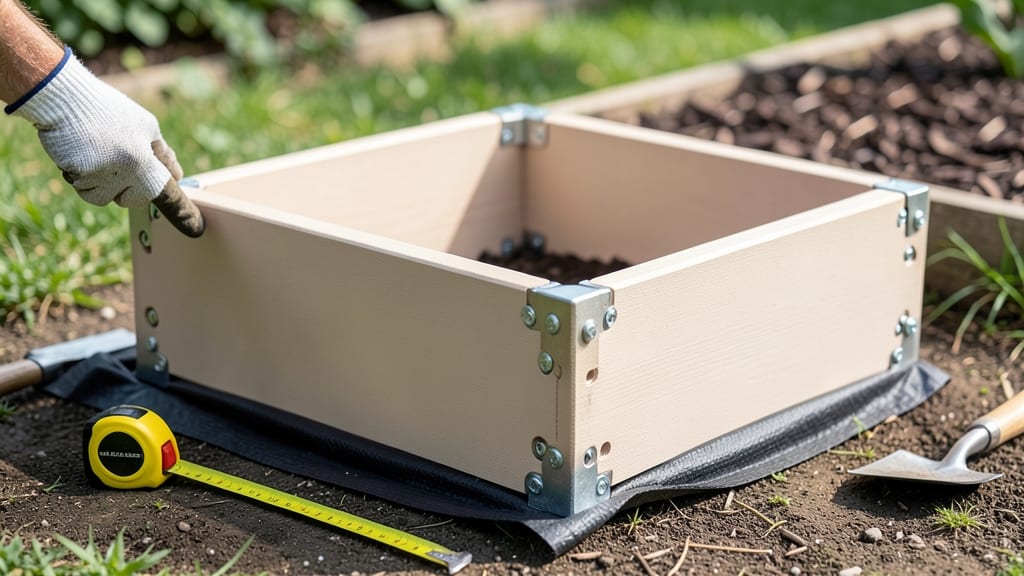
Pre-assembled kits save hours, but check what’s included. The best options arrive with corner locks, drainage holes, and sometimes a weed barrier liner. Avoid kits requiring additional hardware purchases—these add hidden costs. I’ve tested kits where "pre-assembled" meant snapping panels together (no tools needed) versus others needing screws.
For zero-effort setups, look for "unpack and fill" designs with built-in stability features. Always verify if the kit includes assembly instructions or a warranty—some budget options skip these.
4. Drainage and Weed Suppression Features 🔍
Poor drainage kills plants faster than you’d think. Prioritize kits with pre-drilled holes on the bottom and elevated sidewalls (minimum 6" depth). For weed control, choose kits with an included landscape fabric liner or opt to add one yourself.
I’ve seen gardeners skip drainage features only to deal with root rot within weeks. If your kit lacks drainage, place it on a gravel base or modify it with a DIY drainage layer. For heavy clay soils, consider adding perlite or vermiculite to improve aeration.
Frequently asked questions
Q: What exactly is a composite raised bed kit, and how is it different from wooden or metal beds?
A composite raised bed kit is a pre-built garden planter made from a blend of synthetic materials like high-density polyethylene (HDPE) or polypropylene, designed to resist rot, pests, and warping. Unlike traditional wooden raised beds, which require annual maintenance (sanding, staining, or replacement), composite beds last 10+ years without splintering. They’re also lighter than metal raised beds but more durable than wood, making them ideal for urban spaces, patios, or renters. The best kits arrive pre-assembled, so you skip the DIY hassle entirely.
Q: Do I need any tools or special skills to assemble a pre-assembled composite raised bed kit?
Most high-quality pre-assembled composite raised bed kits require zero tools—just unpack, snap the panels together (if needed), and fill with soil. The top-rated options in this roundup include corner locks or interlocking edges that secure without screws. For kits requiring minimal assembly, a pair of gloves and a helper are all you’ll need. Always check the product description for specifics, as some budget-friendly kits may need basic hardware like screws or bolts. Pro tip: Place the bed on a level surface before filling to ensure stability.
Q: How do I prevent weeds from growing through the bottom of my composite raised bed?
Weed suppression is easy with a few simple steps. First, line the bottom of your bed with landscape fabric (available at garden centers) before adding soil. Many premium composite raised bed kits include a built-in liner—check the product details. For extra protection, lay down cardboard or newspaper under the fabric to block light. Avoid using plastic sheeting, as it can trap moisture and harm roots. If weeds still appear, add a thicker layer of mulch on top of the soil. I’ve found that combining a liner with gravel at the base (for drainage) works best for long-term weed control.
Q: What’s the difference between a budget-friendly composite raised bed and a premium one?
The key differences lie in material quality, durability, and included features. Budget-friendly kits often use thinner composite panels with basic UV protection, may lack corner locks, and sometimes require extra hardware. They’re perfect for small gardens or short-term use. In contrast, premium composite raised bed kits feature reinforced corners, thicker panels, and built-in drainage holes, along with warranties (often 20+ years). Premium options also resist fading better and include extras like weed barriers or assembly tools. For example, a mid-range kit might cost slightly more but lasts twice as long with fewer repairs.
Q: Can I move a composite raised bed once it’s filled with soil and plants?
Yes, but with caution. Composite raised beds are lightweight and portable compared to wood or stone, but moving one filled with soil and mature plants can damage roots. For small beds (2x4 feet), lift carefully with help. For larger beds (4x8 feet), empty the soil first, trim plants, and relocate the bed before refilling. To make moving easier, place the bed on wheels or a dolly (available as accessories) or use a tarp to slide it. Avoid dragging—always lift to protect the composite material. I recommend moving beds in spring or fall when plants are dormant.
Q: How do I choose the right size for my space and gardening needs?
Size depends on your garden layout, plant types, and mobility needs. A 4x8-foot bed is ideal for backyards, offering ample space for veggies or flowers. For urban patios, a 2x4-foot kit fits perfectly on balconies or windowsills. Renters or those with limited space should opt for modular or stackable designs (some kits allow expansion). Measure your area first—leave 12–18 inches of clearance around the bed for access. For tall plants (like tomatoes), choose beds with minimum 12-inch depth. I recommend starting with a 4x4-foot bed for versatility, then adding more as your garden grows.
Q: Are composite raised beds safe for edible plants like vegetables and herbs?
High-quality composite raised bed kits are non-toxic and food-safe once cured. They’re free from chemicals like CCA-treated wood (which is toxic) and don’t leach harmful substances into soil. Always choose kits labeled "food-safe" or "BPA-free". Avoid cheap composites with wood fibers, as they may degrade and contaminate soil. For extra peace of mind, line the bed with landscape fabric to create a barrier. I’ve grown tomatoes, herbs, and lettuce in composite beds for years with no issues—just ensure the material is UV-stabilized and rot-resistant.