
Diseases
Concrete raised beds are durable and long-lasting, but mold growth can ruin their appearance and harm your plants. These 10 proven prevention methods will keep your concrete beds mold-free while maintaining optimal garden health for years.
Sealant Application Before First Use
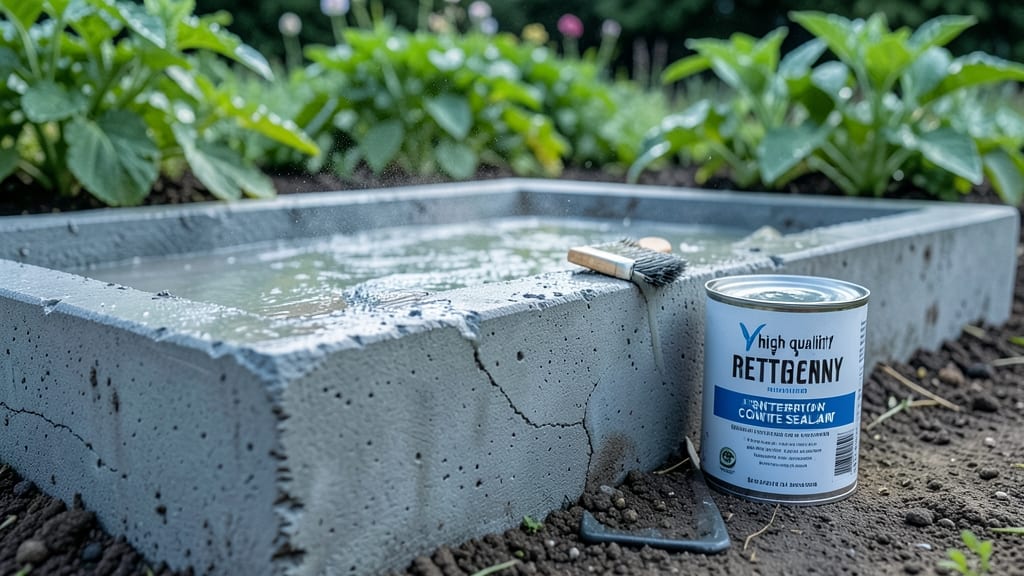
Skipping the sealant step on new concrete beds is like building a house without a roof—eventually, moisture will find its way in. A high-quality concrete sealant acts as your first line of defense, creating a waterproof barrier that blocks mold spores before they take hold.
Apply a penetrating sealant (like silicone or acrylic-based) within 7-14 days of pouring concrete, once it’s fully cured but still damp. This ensures deep absorption without surface pooling. For extra protection in damp climates, opt for a hydrophobic sealant that repels water while allowing the concrete to breathe. Reapply every 2-3 years to maintain effectiveness.
This simple step saves you from costly repairs and keeps your beds looking fresh for years—ideal for beginners or anyone tired of scrubbing away stubborn mold. 💡
Copper-Based Algae and Mold Killer
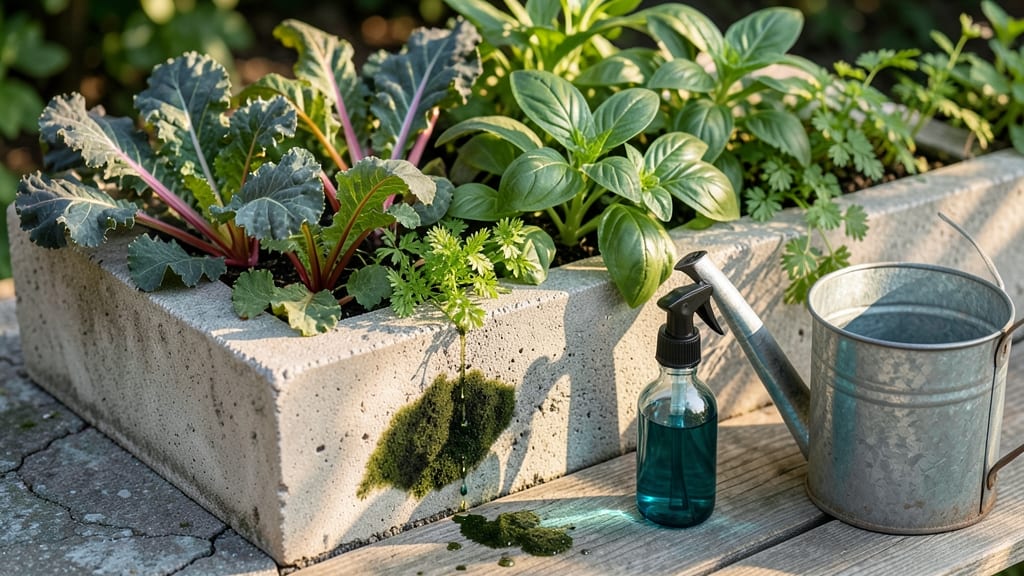
If you're growing edible plants in your concrete raised bed and want to avoid harsh chemicals, a copper-based algae and mold killer is your safest bet. Unlike bleach or synthetic fungicides, copper solutions work organically to prevent mold while being completely safe for vegetables, herbs, and fruits once fully absorbed.
This mineral-based treatment creates an invisible protective layer that disrupts mold spores without harming soil microbes or plant roots. Apply it during early morning or late afternoon when surfaces are cool to prevent copper from burning tender plants. For best results, reapply every 4-6 weeks during wet seasons or after heavy rains to maintain a mold-free surface.
Organic gardeners and those with sensitive skin will appreciate this solution's gentle yet effective approach. It's particularly useful for beds growing leafy greens or herbs where chemical residues are a concern. 💚
Pressure Washing with Bleach Solution
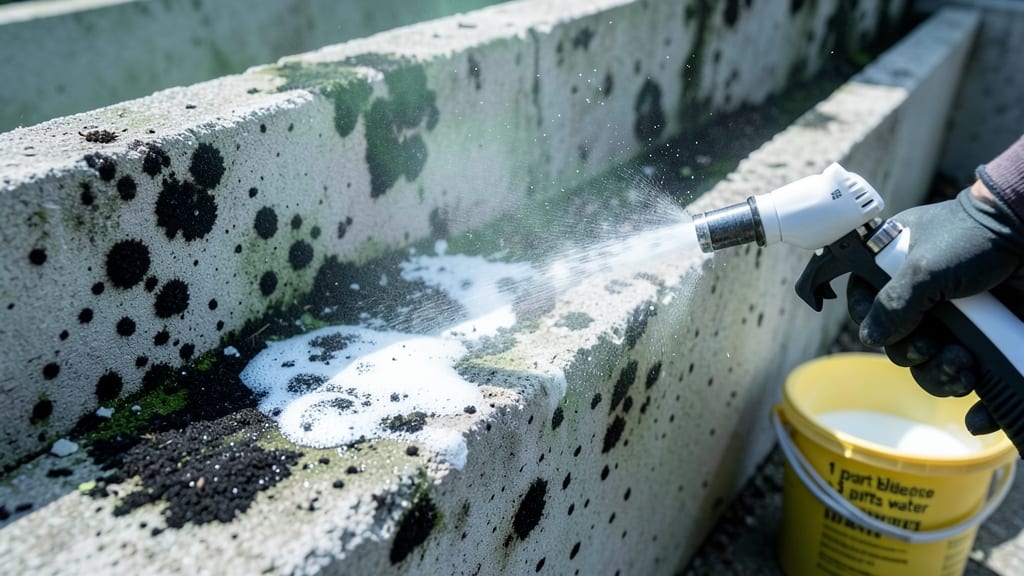
When black mold spots mar your concrete raised beds, a bleach pressure wash is the heavy-duty solution you need to restore cleanliness and prevent regrowth. Unlike gentle sprays, this method tackles deep-seated mold while disinfecting the surface for long-term protection.
Mix 1 part bleach with 3 parts water in your pressure washer tank, then apply at a 15-degree angle while wearing gloves and goggles. For stubborn mold, let the solution sit for 10-15 minutes before rinsing thoroughly. This annual deep clean is ideal for heavily used beds or areas with persistent moisture issues.
Perfect for gardeners who want a fast, thorough solution—just remember to rinse well and avoid planting edibles immediately after treatment. Your beds will look brand new and stay mold-free for months. 💡
Vinegar and Water Spray Treatment
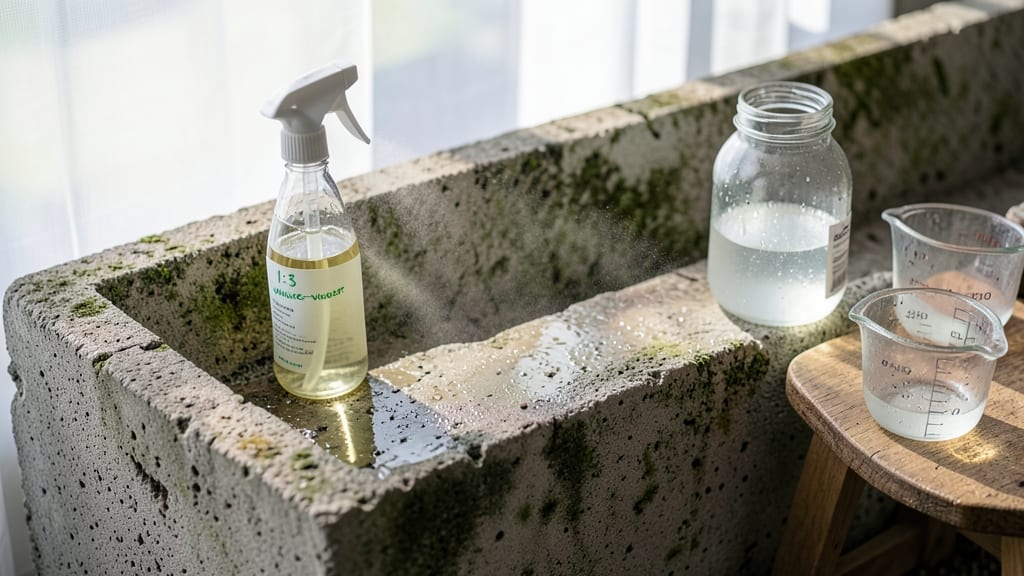
Tired of scrubbing away stubborn mold with harsh chemicals that might harm your plants? A simple vinegar and water spray is your secret weapon for eco-friendly mold prevention—no gloves or safety gear required.
Mix one part white vinegar with three parts water in a spray bottle, then apply directly to moldy areas. The acetic acid disrupts mold spores on contact, and the solution evaporates harmlessly, leaving no residue. For best results, spray during dry, sunny weather to let the concrete surface dry completely—this prevents spores from returning. Use this treatment monthly during humid seasons or after heavy rains for ongoing protection.
This method is perfect for eco-conscious gardeners and those with edible plant beds, as it’s completely non-toxic. Plus, you’ll save money compared to commercial cleaners while keeping your concrete beds looking fresh and plant-friendly. 🌿
Improved Drainage System Installation
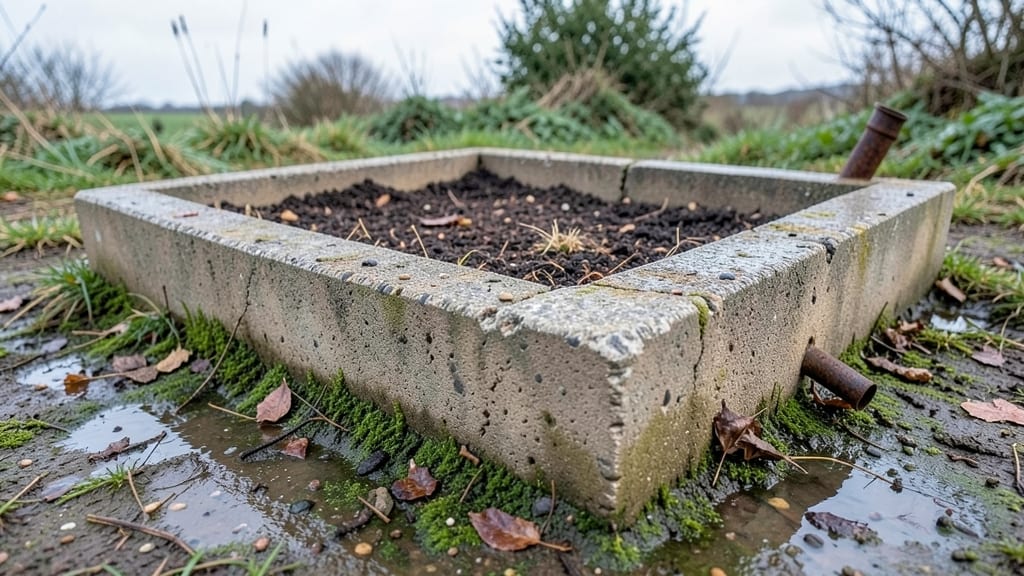
If your concrete raised bed sits in a low-lying area or collects standing water after rain, you’re creating the perfect mold breeding ground. A simple drainage upgrade can transform a soggy, mold-prone bed into a dry, healthy growing space—without costly replacements.
Start by angling the bed’s base slightly (1-2 degrees) toward a drainage pipe installed at the lowest point. Add a layer of crushed gravel at the bottom to create airflow and prevent water pooling. For extra protection, extend a perforated drain pipe along the outer edge to redirect excess water away from the concrete entirely. This system works best when combined with a waterproof membrane beneath the bed to block moisture from seeping upward.
Gardeners in humid climates or areas with heavy rainfall will see the biggest benefits, but even dry regions can use this method to prevent future erosion. A well-drained bed stays cooler, retains fewer mold spores, and keeps roots thriving. 💡
Regular Brushing with Stiff-Bristle Brush
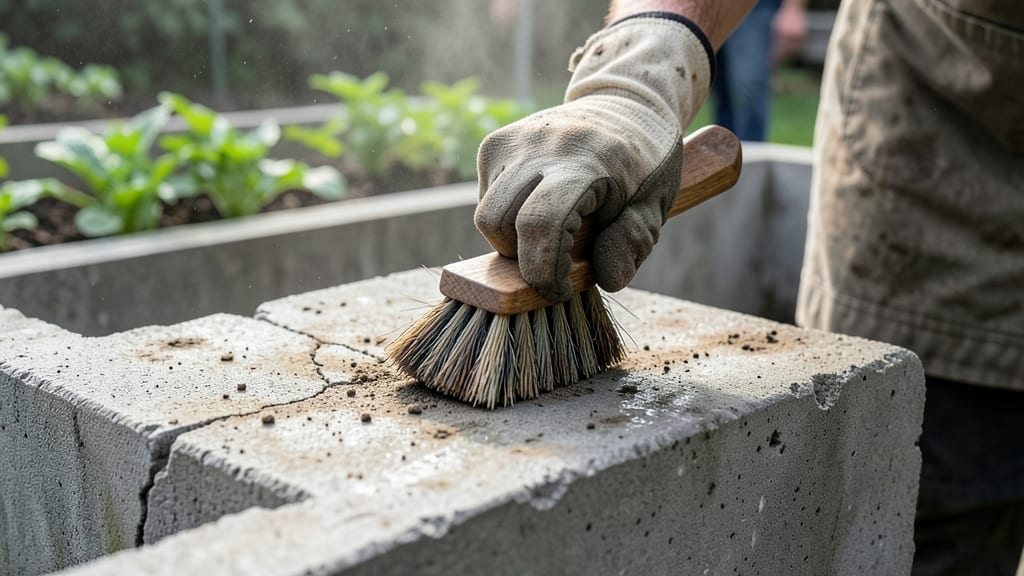
A simple yet powerful way to stop mold before it starts is by using a stiff-bristle brush to scrub your concrete raised bed weekly. Unlike chemical treatments, this mechanical method physically removes spores before they can take hold, making it ideal for gardeners who prefer a hands-on, low-cost solution during humid seasons.
Focus on edges, corners, and crevices where moisture lingers—these are prime spots for mold growth. A dry brush works best for routine maintenance, while a slightly damp brush can help lift stubborn debris. Spend just 5-10 minutes per side, and you’ll prevent mold buildup without harsh chemicals that could harm plants or soil.
This method is perfect for busy gardeners or those in high-moisture climates who want to keep their beds looking fresh with minimal effort. Plus, it’s a great way to spot early signs of mold before they spread. 💪
Hydrophobic Concrete Sealant Reapplication
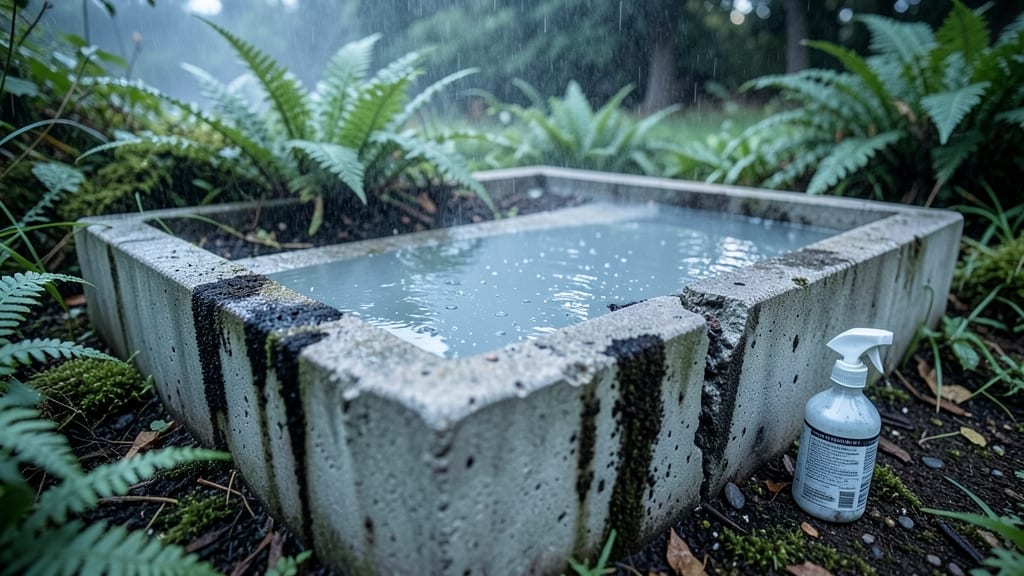
Living in a wet climate or dealing with frequent downpours? Your concrete raised bed needs more than just a one-time sealant to stay mold-free. A hydrophobic concrete sealant creates a water-repellent shield that actively sheds moisture—but only if reapplied every 2-3 years. This simple step transforms your bed from a mold magnet into a long-term investment.
Look for penetrating sealants designed for concrete, which soak into the surface rather than sitting on top. Apply during dry, sunny weather (50°F or warmer) using a brush or roller, and let it cure fully before planting. The result? Water beads up and rolls off, preventing that damp, musty environment mold thrives in. This method is especially valuable for gardeners in Pacific Northwest, Gulf Coast, or monsoon-prone regions where moisture lingers.
Think of it as a preventative armor for your bed—ideal for those who want low-maintenance, high-impact protection without harsh chemicals. Set a reminder every few years, and your concrete will stay clean and plant-friendly for decades. ✨
Plant Selection for Better Airflow
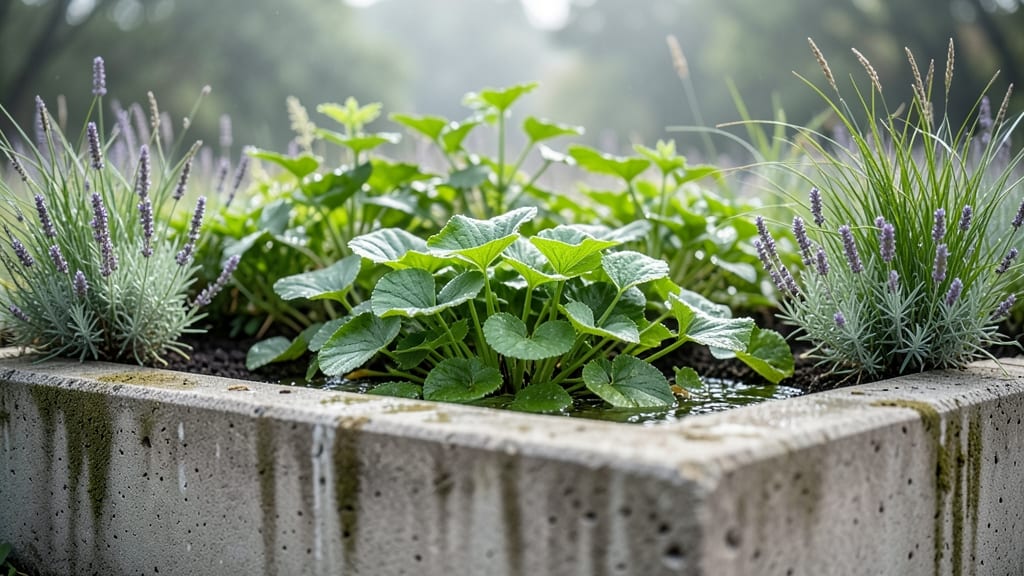
If your concrete raised bed feels like a damp, mold-prone swamp, the solution might be simpler than you think: strategic plant placement. Dense foliage traps moisture, creating the perfect conditions for mold to thrive, but the right plant arrangement can transform your bed into a self-ventilating ecosystem.
Start by placing tall, upright plants like sunflowers or tall ornamental grasses at the back of the bed to create vertical airflow. Fill the middle with medium-height plants like bush beans or salvia, and use low-growing ground covers like creeping thyme or living sedum in the front. This layered approach ensures sunlight reaches the concrete surface while allowing air to circulate freely.
Urban gardeners with limited space will love this method—it maximizes airflow without requiring extra tools or chemicals. Plus, your plants will thrive in the drier, healthier environment you create. 🌿
UV-Protective Concrete Additives
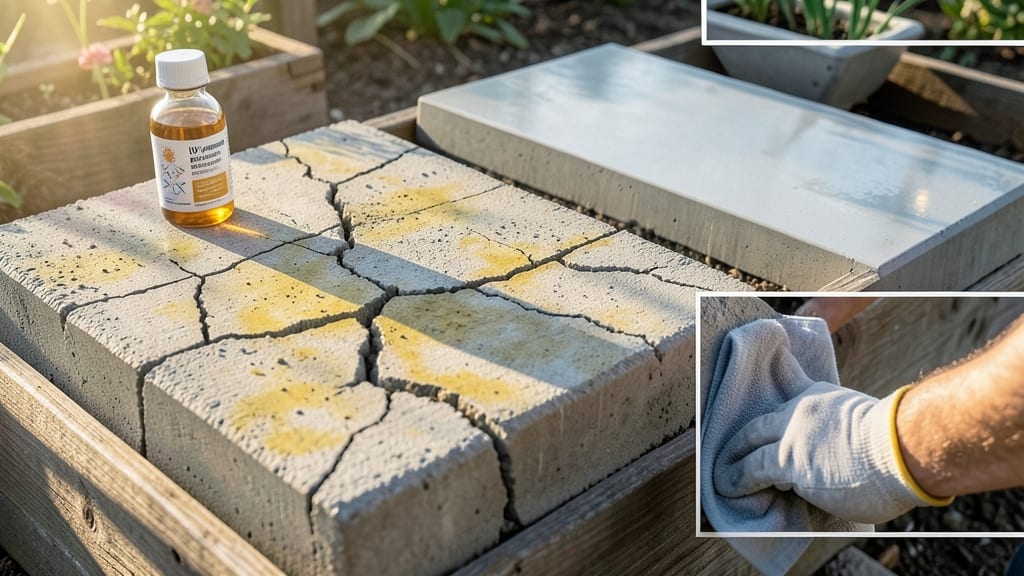
If your concrete raised beds are in a sunny climate, you might notice them deteriorating faster—cracks, discoloration, and a higher risk of mold. The solution? UV-protective concrete additives that shield your beds from the sun's harsh rays while preventing the conditions mold thrives in.
These additives, often made from silicates or polymer-based compounds, are mixed into the concrete during pouring. They create a protective layer that reduces surface degradation from UV exposure, which weakens concrete over time and creates micro-cracks where mold spores take hold. For best results, use them when building new beds or retrofitting existing ones with a concrete resurfacer containing UV inhibitors. This method is especially effective in areas with intense sunlight, like deserts or southern climates.
Gardeners in hot, dry regions will see the biggest benefits, as these additives extend the lifespan of their beds while keeping them mold-resistant. It’s a proactive step that saves time and money on repairs down the road. ✨
Seasonal Covering with Breathable Fabric

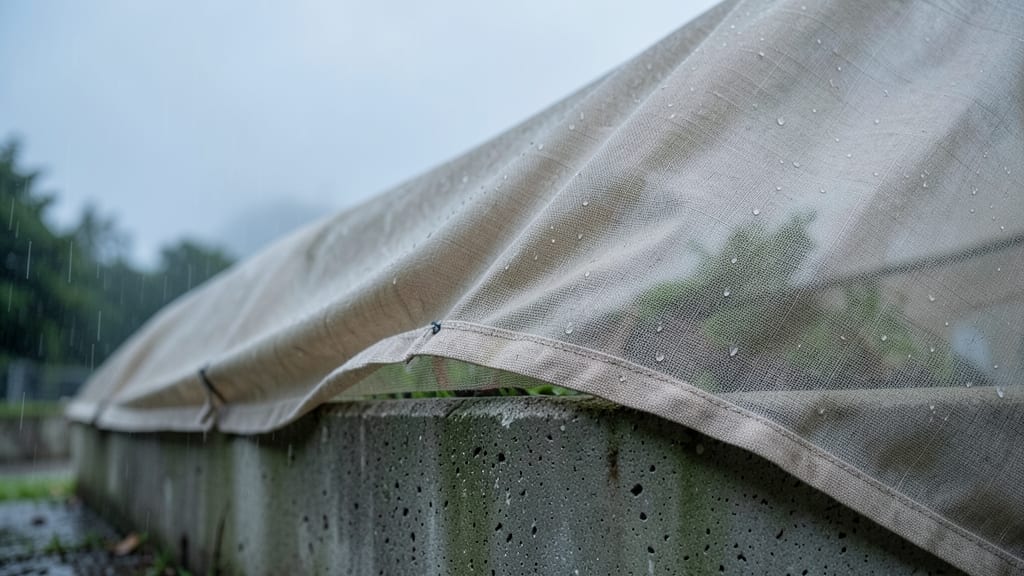
If your garden battles prolonged rainy seasons, a lightweight breathable fabric cover is your secret weapon against mold. Unlike plastic sheets that trap moisture, these fabrics let excess humidity escape while shielding your concrete bed from relentless downpours and wind-driven debris.
Look for UV-stabilized, water-resistant fabrics (like those used for agricultural row covers) that block rain while allowing airflow. Secure edges tightly with bungee cords or clips to prevent water pooling, and remove covers during dry spells to avoid overheating soil. This method works especially well for herb and vegetable beds where mold can contaminate edible plants.
Perfect for gardeners in Pacific Northwest, Southeast, or monsoon-prone regions**, this low-cost solution gives you peace of mind during wet seasons without sacrificing plant health. 🌱