
Tools
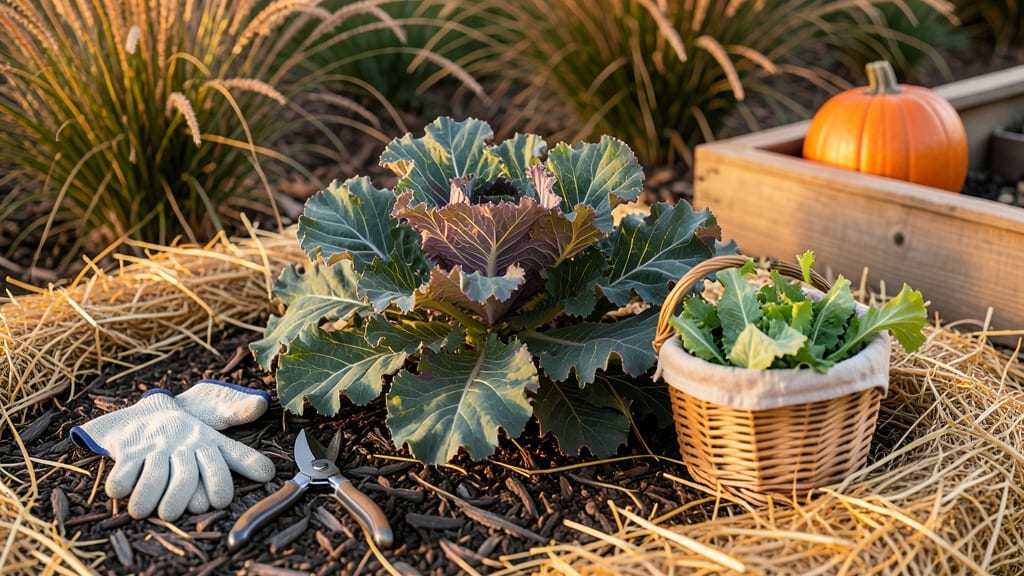
Fall raised bed gardens deliver harvests when most gardeners call it quits. 🌿 The secret is planting cool-season crops that thrive in crisp air—leafy greens, root vegetables, and hardy herbs that taste sweeter after frost.
My first fall garden went from empty beds to dinner table in just six weeks, and I’ve been hooked ever since.
Start with well-draining soil mixed with compost—cool weather means slower decomposition, so add extra organic matter. Mulch with straw or leaves to insulate roots from temperature swings, and space plants slightly closer than spring guidelines (they grow slower). Succession planting every 2-3 weeks keeps the harvest flowing until hard frost.
By late October, you’ll be harvesting crisp lettuce, tender carrots, and fragrant cilantro—plants that would bolt in summer heat. The beds stay productive longer, and you avoid spring’s rush to plant. Just remember: protect tender crops with row covers when nights dip below freezing.
This approach works for small urban beds or sprawling backyard plots—just adjust plant choices for your zone. The key is starting early and letting nature’s cooler rhythm work in your favor. Ready to turn fall into your most productive growing season?
📚 In This Guide
- What you need
- Instructions
- Tips and common mistakes
- Wrapping up and next steps
What you need
- ● Raised bed frame: Untreated wood (cedar or redwood), composite lumber, or metal (minimum 4’ x 8’ x 12” deep).
- ● Garden soil: 6–12 cubic feet of high-quality, well-draining potting mix or compost blend (avoid garden soil—it compacts!).
- ● Organic compost: 1–2 cubic feet per bed to enrich nutrients.
- ● Mulch: 2–3 inches of straw, shredded leaves, or wood chips to insulate roots.
- ● Cool-season seeds: Choose from kale, spinach, carrots, radishes, or lettuce (check your frost dates!).
- ○ Seed-starting trays (optional for transplants): 50+ cell packs or biodegradable pots.
- ● Watering can or hose: With a gentle spray nozzle to avoid disturbing seedlings.
- ● Gloves & knee pads: For comfort during assembly and planting.
- ● Drip irrigation kit: Automates watering and saves time.
- ● Row covers or frost blankets: Protects tender seedlings from early/late frosts.
- ● Plant labels: Wooden stakes or markers to track varieties.
- ● Soil test kit: Ensures pH (ideal: 6.0–7.0) and nutrient balance.
- ● Pruners & hand trowel: For maintenance and precision planting.
Step-by-Step instructions for designing a fall raised bed garden
Here's how I plan a cool-season garden that thrives in autumn's crisp air.
🪴 Step 1: Choose the Right Location and Size
Select a spot that gets at least 6 hours of sunlight daily—even in fall, vegetables need light to grow. I like to place my raised beds where morning sun warms the soil, but afternoon shade keeps roots cool. A 4-foot by 8-foot bed works perfectly for four people, giving everyone space to harvest without crowding.
Measure twice before building or placing your bed. The width should be no more than 4 feet wide so you can reach the center without stepping inside. If your bed is longer, divide it into sections with pathways so you can tend to each area easily. I always add a small wooden frame around the edges to keep soil contained and prevent erosion.
🌱 Step 2: Prepare the Soil for Cool-Season Crops
Remove any weeds or debris from the bed, then loosen the soil to a depth of 12 inches with a garden fork. This helps roots penetrate easily. I mix in 2-3 inches of compost to enrich the soil naturally—cool-season crops like leafy greens and root vegetables thrive in nutrient-rich soil.
Add a 1-inch layer of aged manure or worm castings if your soil feels sandy or lacks organic matter. Avoid fresh manure, as it can burn tender plant roots. Water the bed thoroughly after amending the soil to help everything settle. The goal is a crumbly, moist texture that holds water but drains well—like a well-wrung sponge.
☀️ Step 3: Select and Plant Cool-Season Vegetables
Choose vegetables that love cooler weather, like kale, spinach, carrots, or radishes. I plant seeds directly in the bed for root crops, spacing them according to the packet instructions—usually 1-2 inches apart for small seeds like lettuce and 3-4 inches apart for larger plants like broccoli.
For transplants like cabbage or Brussels sprouts, dig holes just deep enough to cover the roots but leave the crown above soil level. Press the soil gently around the plants to remove air pockets. Water lightly after planting to help the soil settle, but avoid soaking the bed—you want the roots to establish without becoming waterlogged.
💧 Step 4: Mulch and Water for Consistent Growth
Spread a 2-inch layer of straw or shredded leaves over the soil to retain moisture and suppress weeds. Mulch keeps the roots cool in fall's fluctuating temperatures and prevents soil from compacting when it rains. I always leave a small gap around plant stems to avoid trapping moisture against the leaves, which can encourage rot.
Water the bed deeply once a week, or more often if your area experiences dry spells. The top 1-2 inches of soil should feel moist but not soggy—stick your finger in the soil to check. Early mornings are the best time to water, as it gives plants time to dry out during the day and reduces the risk of fungal diseases.
✂️ Step 5: Maintain and Harvest Through Fall
Monitor your garden weekly for pests like aphids or cabbage worms. I use row covers or neem oil to protect plants without harming beneficial insects. Harvest leafy greens like spinach and kale by cutting the outer leaves, leaving the inner growth to keep producing.
For root vegetables, watch for signs of maturity—carrots and radishes will pull easily from the soil when ready. If a hard frost is forecast, cover tender crops with a blanket or row fabric to extend the season. With proper care, your fall garden will keep yielding fresh produce long after summer's heat fades.
Tips & tricks for perfect fall raised bed gardens
Here's what I've learned after years of growing cool-season crops that actually thrive in autumn.
Sunlight Strategy: The 6 hours of sunlight mentioned in Step 1 is non-negotiable for fall gardens. I've found that positioning beds to catch morning sun (when temperatures are cooler) and afternoon shade (to prevent overheating) makes all the difference. If your space gets less light, prioritize leafy greens like spinach or kale—they tolerate lower light better than root crops.
Soil Prep Secret: When loosening soil to 12 inches in Step 2, don't just break it up—create vertical channels with your fork. This helps roots grow deep, especially important for carrots and radishes. I like to add a handful of coffee grounds to the compost mix—they add nitrogen and help prevent fungal diseases in cool, damp conditions.
Planting Precision: For the 1-2 inch spacing in Step 3, use a small stick or dowel marked with measurements to create consistent rows. This prevents overcrowding as plants mature. I've ruined multiple batches by planting too close—especially with leafy greens that spread. For transplants, make sure the hole is just deep enough to cover roots but leaves the crown exposed.
Mulch Mastery: That 2-inch mulch layer in Step 4 works wonders, but here's the trick: fluff it up after rainstorms to prevent compaction. I also leave a 1-inch gap around plant stems to prevent rot. For extra insulation during cold snaps, add an additional inch of straw—it can make the difference between a thriving garden and a frost-killed one.
Pro Tips for Fall Raised Bed Garden
- Here's what I've learned after years of growing cool-season crops that actually thrive in autumn.
- Sunlight Strategy: The 6 hours of sunlight mentioned in Step 1 is non-negotiable for fall gardens.
- Soil Prep Secret: When loosening soil to 12 inches in Step 2, don't just break it up—create vertical channels with your fork.
Frequently asked questions
Got questions about starting a fall raised bed garden?
You’re not alone! Here are answers to the most common queries to help you plan like a pro.
When is the best time to plant a fall raised bed garden?
The ideal window depends on your climate, but aim for 8–10 weeks before your first frost. For most regions, late summer (August–early September) works best. Check your USDA zone for precise timing—cool-season crops like kale, spinach, and carrots thrive in cooler temps (40–60°F).
What are the easiest crops to grow in a fall raised bed?
Start with low-maintenance, cold-hardy crops like:
- Leafy greens: Kale, spinach, Swiss chard, lettuce
- Root veggies: Carrots, radishes, beets, turnips
- Brassicas: Broccoli, cabbage, Brussels sprouts
- Herbs: Cilantro, parsley, dill
How do I protect my fall garden from early frosts?
Use row covers, cloches, or cold frames to shield tender plants. For extreme cold (<20°F), add straw mulch (3–4 inches) around plants. Hardier crops (like kale) can handle light frosts, but harvest before hard freezes to avoid damage. Monitor forecasts and act fast!
Can I reuse soil from my summer garden in a fall raised bed?
Yes, but refresh it first! Remove spent plants and weeds, then mix in 2–3 inches of compost or aged manure. Fall’s cooler temps mean nutrients break down slower, so aim for higher-quality soil (aim for 60% organic matter). Test pH—most veggies prefer 6.0–7.0.
What do I do with my raised bed after harvesting in fall?
Don’t let it go to waste! After harvest:
- Remove debris (diseased plants, weeds).
- Add a 4–6 inch layer of leaves or straw for mulch.
- Plant a cover crop (like winter rye) to prevent erosion.
- Protect with hardware cloth if pests (like voles) are a problem.
Wrapping up and next steps
A fall raised bed garden isn’t just a smart way to extend your growing season—it’s a rewarding way to enjoy fresh, homegrown produce even as temperatures drop! 🍂 With the right cool-season crops, soil prep, and a little planning, you’ll harvest vibrant greens, hearty roots, and flavorful herbs long after summer fades.
Whether you’re a beginner or a seasoned gardener, this blueprint makes it easy to turn your space into a thriving autumn oasis.
Ready to dive in? Start by sketching your garden layout, gathering your supplies, and picking your favorite cool-weather plants. Then, roll up your sleeves—your future harvest is waiting! 🌱 Check out our step-by-step guide to get growing today.