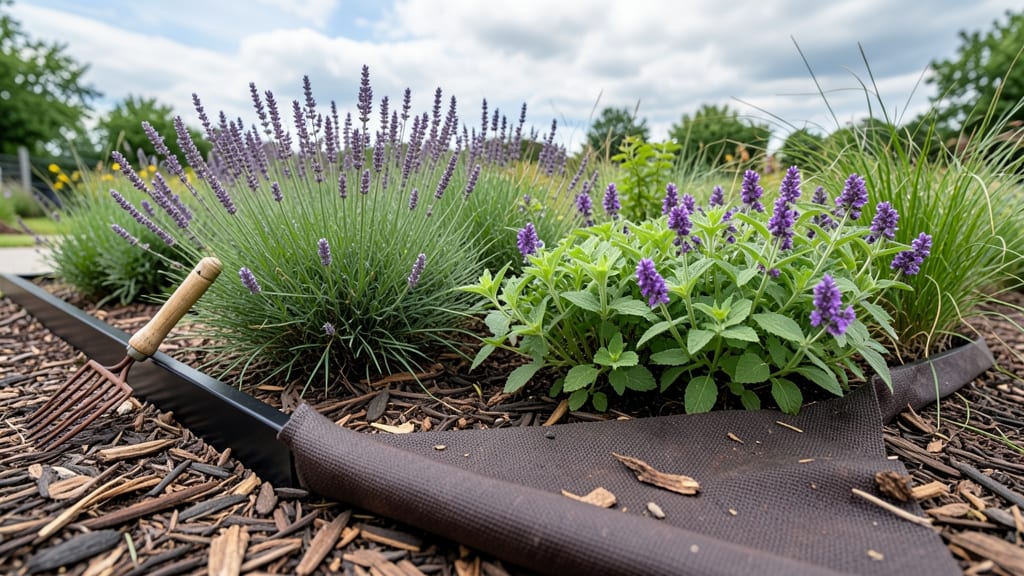
Buying guide: how to choose the right flower bed fabric
1. Material Composition and Biodegradability 💡
The material of your flower bed fabric determines how it interacts with your plants and the environment. Biodegradable fabrics (like those made from cellulose or jute) break down over time, reducing long-term waste but requiring eventual replacement.
In contrast, polypropylene fabrics are durable and long-lasting but may smother roots if not breathable enough. I recommend fabrics with a balanced composition—such as 90% biodegradable and 10% polypropylene—for a middle ground that suppresses weeds while allowing roots to thrive.
Avoid heavy plastic fabrics, which can suffocate plants and trap moisture, leading to rot. If sustainability is a priority, opt for certified biodegradable or eco-friendly options, though they may require more frequent replacement.
2. Weight and Breathability for Root Health ⚡
The weight of the fabric (measured in ounces per square yard) directly impacts root aeration and weed suppression. Lighter fabrics (0.4–0.6 oz/yd²) are ideal for delicate plants like bulbs and annuals, as they allow maximum airflow and moisture penetration.
Heavier fabrics (0.8 oz/yd² and up) offer stronger weed control but may restrict root growth if not properly perforated. Counter-intuitively, thicker doesn’t always mean better—some premium fabrics use micro-perforations to balance durability with breathability.
For most flower beds, I recommend a mid-weight fabric (0.6–0.8 oz/yd²) for a compromise between weed suppression and root health. Always check for perforations or breathable mesh if planting sensitive species.
3. Width and Coverage Area for Installation Efficiency ✅
The width of the fabric saves time and reduces seams, which are common weed entry points. A 30-inch width is ideal for standard flower beds, offering seamless coverage with minimal overlap. For large gardens or commercial projects, opt for 42–48-inch widths to minimize installation effort.
Narrower fabrics (24-inch) are better for tight spaces or small beds, but expect more seams and potential weed growth at overlaps. Pro tip: Overlap seams by 6 inches and secure with landscape staples to create a weed-proof barrier.
If you’re working with irregularly shaped beds, a slightly wider fabric (like 36-inch) gives you flexibility without excessive waste.
4. UV Resistance and Longevity for Seasonal Use 🔍
Sunlight accelerates fabric degradation, so UV resistance is critical for long-term performance. UV-stabilized fabrics last 2–5 years under direct sun, while untreated options may degrade in 1–2 years. If you’re investing in a premium fabric, look for 5-year UV protection guarantees.
For seasonal gardens, a budget-friendly, UV-treated fabric is a smart choice—it won’t last forever but offers reliable weed control for a year or two. Avoid fabrics labeled as "sunlight-resistant" without specifics; instead, prioritize those with explicit UV protection ratings.
Pairing your fabric with 3–4 inches of mulch (like wood chips or straw) further extends its lifespan by shielding it from direct sunlight.
Frequently asked questions
Q: What is the best type of flower bed fabric for weed control in perennial gardens?
A biodegradable landscape fabric with a 0.6 oz/yd² weight is ideal for perennials, as it balances weed suppression with root aeration. Look for options like the mid-range biodegradable fabric (90% biodegradable, 10% polypropylene) to prevent root suffocation while blocking weeds effectively. Avoid heavy plastic fabrics, which can trap moisture and stunt growth.
Q: Can I use flower bed fabric under mulch, and if so, how deep should the mulch layer be?
Yes, you can—and should—use fabric under mulch! A 3–4 inch layer of mulch (like wood chips or straw) not only suppresses weeds but also extends the fabric’s lifespan by shielding it from UV damage. Just ensure the fabric is breathable (0.4–0.8 oz/yd²) to prevent moisture buildup. For best results, anchor the fabric edges with landscape staples before adding mulch.
Q: How do I install flower bed fabric to prevent weeds from growing through the seams?
Overlap seams by 6 inches and secure them with landscape staples or landscape fabric tape to create a seamless barrier. For extra protection, use a heavier fabric (0.8 oz/yd² or more) in high-weed areas. Always lay the fabric underneath mulch or soil, never on top, to maximize effectiveness. A wide fabric (30–48 inches) reduces seams and installation time.
Q: What’s the difference between biodegradable and polypropylene flower bed fabrics?
1
Biodegradable fabrics
(like cellulose or jute blends) break down over 3–5 years, reducing long-term waste but requiring replacement. They’re best for eco-conscious gardeners or temporary projects. Polypropylene fabrics are longer-lasting (5+ years) and more durable but may smother roots if not breathable. For a balance, choose a mid-weight, partially biodegradable fabric (e.g., 90% biodegradable, 10% polypropylene).
Q: Is flower bed fabric worth the investment for small gardens?
For small gardens, a budget-friendly, lightweight fabric (0.4 oz/yd², 24-inch width) is a smart choice—it’s affordable and easy to install. If weeds are a persistent issue, the long-term savings (less weeding, healthier plants) outweigh the upfront cost. Test a small section first to see how your plants respond before committing to a larger roll. A premium fabric may be overkill for tiny beds but ideal for large or high-maintenance gardens.
Q: How long does flower bed fabric typically last, and when should I replace it?
Most fabrics last 2–5 years, depending on UV resistance and material. Biodegradable fabrics degrade faster (3–4 years), while UV-stabilized polypropylene can last 5+ years. Replace it when you notice weeds growing through or roots struggling to penetrate. For perennial beds, plan to refresh the fabric every 3–5 years to maintain weed control and plant health.
Q: What’s a good alternative to flower bed fabric if I want a natural, chemical-free solution?
For a natural alternative, try cardboard or newspaper (lay flat, soak in water, and cover with mulch) for short-term weed suppression. Living mulches (like clover or creeping thyme) also block weeds while benefiting soil health. For long-term solutions, heavy mulch (6+ inches) or ground covers (e.g., ajuga or lamium) work well. However, these methods require more maintenance than fabric for large or high-weed areas.
★★★★★4.5(14 reviews)