
Flowers
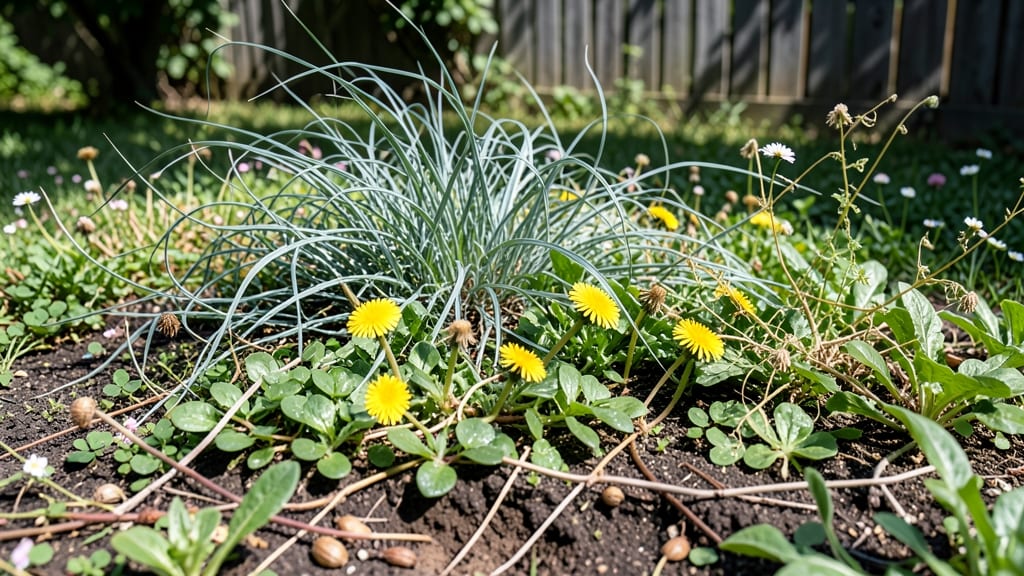
A flower bed full of weeds doesn’t mean you’re starting from scratch—it means you’re about to revive your soil faster than you think. 🌱 The no-till technique skips the backbreaking work of digging while actually improving your garden’s health over time.
I’ve used this method to transform overgrown beds into thriving displays without losing a single plant—or my sanity. The secret lies in smothering weeds naturally, then feeding the soil with organic matter. Most gardeners pull weeds and disturb the soil, which just brings more seeds to the surface.
Instead, we’ll suppress growth, starve out weeds, and build fertile soil in just 4-6 weeks. No harsh chemicals, no heavy tools—just smart layers that work with nature. By the end, you’ll have a lush, weed-free bed with stronger roots and fewer future problems. The best part?
This method works for any flower bed, from sunny borders to shady corners. Let’s get your garden back on track—without the exhaustion. Here’s the step-by-step plan to reclaim your space without tilling, so you can focus on planting what you love instead of fighting what’s already there.
The Hidden Triggers Behind Overrun Beds
When your once-vibrant flower bed transforms into a tangled mess of unwanted plants, it’s rarely just bad luck—there’s usually a mix of environmental, biological, and even human factors at play. Understanding these root causes (pun intended) is the first step to reclaiming your garden without harsh chemicals or backbreaking labor.
Let’s break down the science behind why weeds take over, so you can tackle the problem with precision.
Weeds thrive where flowers struggle. If your soil lacks nutrients, water, or proper aeration, your intended plants become weak and sparse, leaving gaps for weeds to exploit. Here’s why:
- Nutrient depletion: Flowers compete for nitrogen, phosphorus, and potassium. If the soil is exhausted (common after years of planting or poor composting), weeds—often hardier and faster-growing—steal these resources first. Example: Dandelions and crabgrass have deep root systems that tap into nutrients before your annuals even sprout.
- Compacted soil: Heavy foot traffic, machinery, or clay-heavy soil compresses the earth, reducing oxygen flow to plant roots. Weeds like chickweed and moss adapt to low-oxygen conditions, while flowers suffocate.
- pH imbalances: Soil that’s too acidic (<6.0) or alkaline (>7.5) locks out essential nutrients. Weeds like lamb’s quarters (which grow in alkaline soil) or oxalis (acid-loving) dominate when your flowers can’t access what they need.
Actionable fix: Test your soil’s pH and nutrient levels (kits cost ~$10) and amend with compost or organic matter like leaf mold. Aim for a slightly acidic to neutral pH (6.0–7.0) for most flowers.
Every time you dig, till, or even rake your flower bed, you’re accidentally triggering a weed explosion. Here’s how:
- Seed bank awakening: Undisturbed soil contains dormant weed seeds that can lie dormant for years (some up to 50+ years!). When you till, you bury fresh topsoil (rich in organic matter) over these seeds, giving them the moisture and light they need to germinate. Example: Johnson grass seeds can survive for decades—one disturbance, and they’ll sprout en masse.
- Root fragment regrowth: Many weeds (like bindweed or nutsedge) regenerate from even tiny root pieces left in the soil. Tilling shreds these roots, creating more entry points for regrowth.
- Erosion exposure: Loose soil after tilling washes away, leaving bare patches where weeds like purslane (which thrives in disturbed, sunny areas) take over.
Actionable fix: Skip tilling entirely—opt for no-till gardening. Instead, smother weeds with thick mulch (3–4 inches of wood chips or straw) or use a board or tarp to block light for 4–6 weeks to kill existing weeds without disturbing the soil.
Overwatering or inconsistent watering doesn’t just drown your flowers—it creates the perfect conditions for weeds. Here’s the science:
- Surface moisture magnet: Weeds like spotted knapweed and cheatgrass germinate best in moist, sunny topsoil. Frequent light watering (e.g., daily sprinklers) keeps the top layer damp, while deeper watering (like drip irrigation) encourages flower roots to grow downward, outcompeting weeds.
- Runoff and erosion: Overwatering causes soil to erode, exposing fresh seed beds. Weeds like goosegrass (which spreads via stolons) exploit these bare spots.
- Night watering: Watering after dark increases humidity, promoting fungal diseases in flowers while giving weeds like nightshade a competitive edge.
Actionable fix:
- Water deeply but infrequently (1–2 inches per week) to encourage flower roots to grow deep.
- Use drip irrigation or soaker hoses to deliver water directly to plant bases, reducing surface moisture for weeds.
- Avoid watering in the evening—stick to early morning to let foliage dry quickly.
Weeds don’t just invade—they fill space. When your flower bed has bare patches or sparse planting, weeds move in like tenants in an empty apartment building. Here’s why spacing matters:
- Light competition: Weeds like mallow and pigweed grow tall quickly, blocking sunlight from slower-growing flowers. If your plants are too far apart, weeds shade them out before they can establish.
- Root zone dominance: Flowers need a competitive root system. If you’re planting perennials 18+ inches apart (as often recommended), weeds fill the gaps with shallow, aggressive roots.
- Mulch breakdown: Thin mulch layers (<2 inches) decompose faster, exposing soil to weeds. Thick mulch (3–4 inches) suppresses weed seeds by blocking light and retaining moisture.
Actionable fix:
- Plant flowers closer together (check tags for spacing guidelines) to crowd out weeds naturally.
- Use living mulches like creeping thyme or clover between flowers to outcompete weeds.
- Top up mulch annually to maintain a 3–4 inch layer—wood chips break down over time!
Pro tip: 💡 If your bed is already overrun, don’t dig! Instead, sheet mulch (layer cardboard + compost + mulch) to smother weeds while improving soil—no tilling required.
Revive Your Garden Naturally
Now that you understand why weeds take over your flower bed, let’s tackle the no-till solutions to reclaim your space—without breaking your back or the bank! These methods focus on restoring soil health while minimizing weed growth long-term.
Below, we’ve mapped out practical fixes based on common causes, along with prevention tips to keep your flower bed thriving.
Cause: Compacted soil or lack of nutrients forces weeds to dominate. Fix:
- 🔥 Spread 2–3 inches of organic mulch (straw, wood chips, or shredded leaves) over the bed. This smothers weeds while retaining moisture.
- 🍳 Mix in 1–2 inches of compost into the top layer of soil. Avoid tilling—just scratch it in lightly to preserve soil structure.
- 👨🍳 Water deeply after adding mulch to help it settle and deter weed seeds from germinating.
Prevention Tip: 💡 Top-dress annually with compost to keep soil rich and weeds at bay.
Cause: Persistent weeds (like crabgrass or dandelions) thrive in disturbed soil. Fix:
- 🥘 Layer sheet mulch (also called "lasagna gardening"):
- Lay down cardboard or thick newspaper (no glossy ink) to block light.
- Add 2 inches of compost on top.
- Cover with 3–4 inches of mulch (straw or leaves work best).
- ⏰ Wait 4–6 weeks for weeds to die off, then plant directly into the mulch layer.
Prevention Tip: ✨ Reapply mulch every spring to maintain the weed barrier.
Cause: Dry, sunny spots or overwatering create ideal conditions for weeds. Fix:
- 🌡️ Water deeply but less frequently (1–2 times per week) to encourage deep root growth in your flowers and weaken weeds.
- 🎯 Plant shade-tolerant flowers (like impatiens or ferns) in hot, sunny areas to outcompete weeds naturally.
- 🔪 Hand-pull weeds after rain when soil is soft—this reduces stress on your plants.
Prevention Tip: 💡 Group plants by water needs to avoid overwatering weed-prone areas.
Cause: Stubborn weeds (like chickweed or clover) resist organic methods. Fix:
- 🔪 Spot-treat weeds with:
- 1 gallon of vinegar + 1 oz dish soap (spray on leaves—avoid desirable plants!).
- Boiling water (pour directly on weed roots for instant kill).
- ⏰ Reapply every 3–5 days until weeds die (best for small patches).
Prevention Tip: 🌱 Plant densely—crowded flowers leave less room for weeds to sprout.
Final Thought: The key is working with your soil, not against it. By focusing on mulch, compost, and smart watering, you’ll create a weed-resistant ecosystem that keeps your flower bed lush and low-maintenance. Ready to dig in? 🌿✨
Frequently asked questions
Can I still use this no-till method if my flower bed has deep-rooted weeds like bindweed?
Yes, but with extra patience. For stubborn weeds like bindweed, start by covering the bed with black plastic or thick cardboard for 6-8 weeks to weaken the roots. Then apply the sheet mulch method (cardboard + compost + mulch). Reapply mulch annually to prevent regrowth. The key is consistency—deep-rooted weeds need time to exhaust their energy reserves.
How quickly will I see results with the no-till approach?
Most gardeners notice a significant reduction in weeds within 4-6 weeks after applying sheet mulch. For heavily overrun beds, it may take 8-12 weeks to fully suppress weeds. The soil improvement happens gradually—you’ll see healthier flowers within 2-3 months as the mulch breaks down and adds nutrients.
What's the best mulch to use if I have pets or small children?
For safety, choose organic mulches like shredded leaves, straw, or wood chips (ensure they're untreated). Avoid cocoa bean mulch (toxic to pets) and steer clear of fresh grass clippings (can harbor mold). Pine needles work well too—they're acidic and naturally deter many weeds while being pet-friendly once settled.
Will this method work in shady flower beds?
The no-till technique works equally well in shade. For shady areas, use thicker mulch layers (4+ inches) since decomposition happens slower. Add compost tea or worm castings to boost nutrient availability. Shade-loving flowers like hostas or ferns will thrive with this approach, while weeds like chickweed (which prefers shade) will be suppressed by the mulch layer.
What should I do if new weeds keep sprouting through the mulch?
This is normal at first! Simply hand-pull any new weeds and add 1-2 more inches of mulch to the affected areas. Over time, the mulch layer will become more effective. For persistent spots, try a thicker layer of straw (6+ inches) or add a pre-emergent herbicide like corn gluten meal (organic option) before weeds germinate in spring.