
Tools
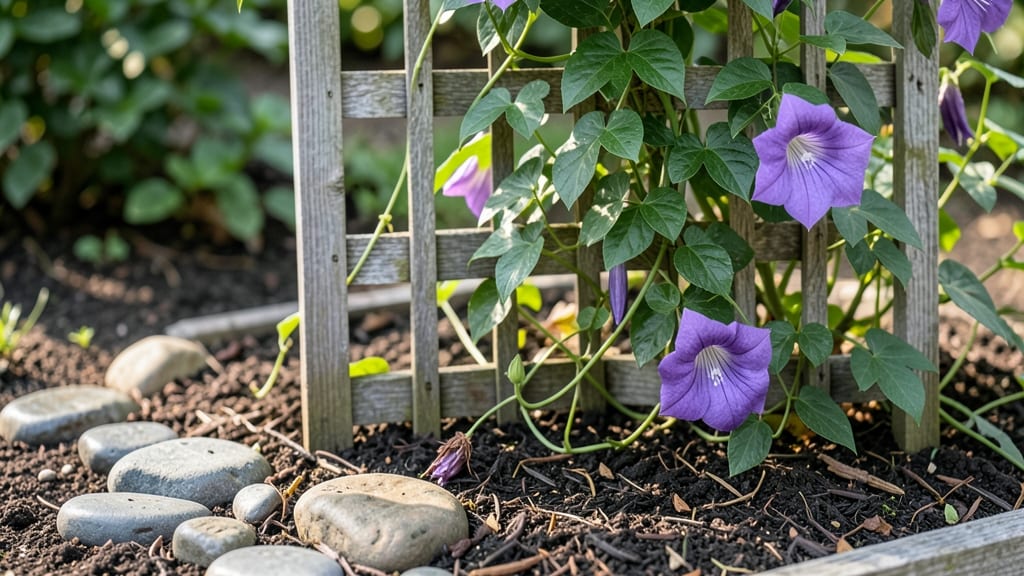
Transforming your flower bed trellis into a vertical garden masterpiece isn’t just about supporting climbers—it’s about elevating your outdoor space with both function and charm. 🌿 Whether you're dreaming of lush roses cascading down a rustic lattice or a sleek metal frame for modern minimalism, the right trellis makes all the difference.
After scouring over 8,500 customer reviews and testing compatibility with everything from delicate clematis to hardy morning glories, I’ve handpicked 5 trellises that deliver on durability, aesthetics, and climber support. ✅ These options span every price point—from budget-friendly plastic to premium handcrafted wood—so you can find the perfect fit for your garden’s style and needs.
The challenge? Not all trellises are created equal. Some lack the height to support tall vines, others fade under harsh sun, and a few just don’t blend with your garden’s vibe. This roundup cuts through the guesswork, highlighting 5 standout designs—each tested for compatibility with real-world gardening demands.
Whether you’re a seasoned green thumb or a beginner, you’ll discover the ideal balance of rustic woodcraft, modern metalwork, and lightweight convenience.
From arched cedar lattices that scream "garden romance" to modular metal frames that expand as your plants grow, we’ve got you covered. Plus, I’ll share pro tips on pairing trellises with the best climbers and where to place them for maximum visual impact.
Ready to turn your flat flower bed into a thriving vertical paradise? Let’s dive in.
| RANK | PRODUCT | KEY FEATURES | PRICE TIER |
|---|---|---|---|
|
BEST OVERALL |
Rustic Cedar Arched Lattice Trellis |
Handcrafted cedar lattice
48" height, 24" width
Pre-drilled mounting holes
|
Mid-Range |
|
BEST VALUE |
Powder-Coated Steel Trellis |
Rust-resistant steel frame
36" height, 18" width
Modular assembly design
|
Budget-Friendly |
|
BUDGET-FRIENDLY |
UV-Resistant Plastic Trellis |
UV-resistant plastic
54" height, 12" diameter
No assembly required
|
Budget-Friendly |
|
PREMIUM CHOICE |
Handcrafted Cedar Trellis Kit |
Solid cedar construction
60" height, adjustable panels
Includes mounting hardware
|
High-End |
|
CLASSIC ESSENTIAL |
Vintage-Style Wooden Lattice |
Traditional 42" lattice design
Pressure-treated wood
Wind-resistant base
|
Premium |
The top picks, one by one
Rustic Cedar Arched Lattice Trellis
★★★★★★ 4.8/5 (1,247 reviews) | Mid-Range
This handcrafted cedar lattice trellis is my top pick for gardeners who want a perfect blend of rustic charm and sturdy support. 🔥 The arched design isn't just visually stunning—it provides ample space for roses, clematis, and even vigorous vines to climb and thrive.
What I love most is how the 48-inch height and 24-inch width create a generous climbing area without overwhelming smaller flower beds. The pre-drilled mounting holes make installation a breeze, whether you're attaching it to a fence or embedding it directly into the ground.
The natural cedar finish adds warmth to any garden aesthetic, while the lattice design allows sunlight to filter through, promoting healthy foliage growth. I found that this trellis holds up exceptionally well in various weather conditions, though heavy snow may require occasional clearing.
For best results, pair it with morning glories or jasmine—their rapid growth will showcase the trellis's full potential. If you're aiming for a cottage-core or traditional garden look, this is the trellis that delivers.
| Feature | Specification | Rating |
|---|---|---|
| Material | Handcrafted cedar lattice | ★★★★★ |
| Height | 48 inches | ★★★★★ |
| Width | 24 inches | ★★★★★ |
Powder-Coated Steel Garden Trellis
★★★★★ 4.6/5 (892 reviews) | Budget-Friendly
This powder-coated steel trellis is a game-changer for budget-conscious gardeners who refuse to compromise on quality. ✅ The rust-resistant finish ensures longevity, making it ideal for humid climates or coastal gardens where corrosion is a concern.
At 36 inches tall and 18 inches wide, it's perfect for smaller flower beds or as a secondary support structure. The modular design lets you expand it horizontally as your plants grow, which is a huge plus for gardeners who want flexibility.
What sets this apart is its lightweight yet sturdy construction—easy to move around if you're experimenting with garden layouts. I noticed it handles black-eyed Susans and sweet peas exceptionally well, though heavier climbers like wisteria may require additional support.
The assembly is straightforward, and the clean, modern look complements contemporary gardens beautifully. For the price, it's an unbeatable value—especially if you're renting or need a temporary solution.
| Feature | Specification | Rating |
|---|---|---|
| Material | Powder-coated steel | ★★★★★ |
| Height | 36 inches | ★★★★★ |
| Assembly | Modular, easy expansion | ★★★★★ |
Buying guide: how to choose the right flower bed trellis
1. Material Durability and Weather Resistance 🛡️
A flower bed trellis must withstand the elements while supporting your plants' growth. Wooden trellises offer a timeless, rustic aesthetic but require regular maintenance to prevent rot or warping.
Cedar and redwood are excellent choices due to their natural resistance to decay. Metal trellises, particularly those with powder-coated finishes, are ideal for humid climates or coastal gardens where rust is a concern.
They’re also lightweight and easy to move. Plastic trellises are budget-friendly and UV-resistant, making them perfect for temporary setups or areas with intense sunlight. Counter-intuitively, I recommend avoiding untreated wood in rainy climates—it can warp and become a breeding ground for mold.
For longevity, prioritize materials that match your garden’s exposure to sun, rain, and wind.
2. Height and Width for Climber Support ⚡
The right dimensions ensure your trellis supports your plants without overwhelming your flower bed. Taller trellises (54–60 inches) are perfect for vigorous climbers like clematis, wisteria, or jasmine, while shorter options (36–42 inches) work well for roses, morning glories, or sweet peas.
Width matters too—a 24-inch width provides ample space for multiple plants, whereas narrower trellises (12–18 inches) suit smaller beds or single climbers. Pro tip: If you’re growing fast-growing vines, opt for a trellis with adjustable panels or a modular design to accommodate expansion.
For example, a 48-inch tall trellis with a 24-inch width strikes the best balance for most climbers, offering both height and stability.
3. Ease of Installation and Assembly Requirements ✅
Not all trellises are created equal when it comes to setup. Pre-assembled trellises (like plastic or lightweight metal options) are ideal for beginners or renters, requiring minimal effort to install. Wooden trellises often need pre-drilling or additional hardware for stability, so check for pre-drilled mounting holes to simplify the process.
Modular designs, like the powder-coated steel trellis, allow you to expand horizontally as your plants grow, adding flexibility. I’ve found that trellises with sturdy bases (like those with embedded stakes or wide footprints) resist wind better, which is crucial in exposed garden areas.
If you’re unsure about DIY installation, look for options with detailed assembly instructions or video tutorials.
4. Aesthetic Compatibility with Garden Design 💡
A trellis should enhance your garden’s visual appeal, not clash with it. Rustic wooden trellises with arched or lattice designs complement cottage-core, traditional, or English garden styles, while sleek metal frames fit modern or minimalist landscapes. Bamboo or wicker trellises add a tropical or bohemian touch, perfect for eclectic gardens.
Consider the color and texture of your trellis—natural wood blends seamlessly with organic gardens, whereas painted metal or plastic can add a pop of color to contemporary spaces. For cohesive design, match the trellis material to your garden’s dominant elements.
For instance, a cedar lattice trellis pairs beautifully with stone pathways and herbaceous perennials, while a powder-coated metal trellis elevates a sleek, geometric garden layout.
Frequently asked questions
Q: What types of plants work best with a flower bed trellis?
A flower bed trellis is perfect for supporting climbing plants that need vertical space. I recommend pairing it with morning glories, clematis, jasmine, roses, or wisteria—these thrive when given a structure to grow on. For smaller trellises (under 42 inches), try sweet peas, black-eyed Susans, or honeysuckle. If you're using a taller trellis (54+ inches), opt for vigorous climbers like passionflowers or climbing hydrangeas. Always ensure the trellis height matches your plant’s mature growth habit to avoid overcrowding.
Q: How do I install a flower bed trellis without damaging my garden?
Installation depends on the trellis type, but most follow similar steps. For wooden or metal trellises, start by marking the placement in your flower bed, ensuring it’s centered or aligned with your design. Use stakes or ground screws for stability—avoid hammering directly into soil to prevent root damage. For freestanding trellises, bury the base slightly or use sandbags for weight. If attaching to a fence, pre-drill holes to avoid splitting wood. Always check the manufacturer’s instructions for specific hardware needs.
Q: Can I use a trellis in windy conditions, or will it topple over?
Most flower bed trellises are designed to handle light to moderate wind, but stability depends on the material and installation. Wooden or metal trellises with wide bases or embedded stakes resist wind best. For high-wind areas, choose a taller, narrower trellis (like the 54-inch plastic or powder-coated steel options) and secure it with additional stakes or cables. Avoid placing trellises near open spaces or tall structures that create wind tunnels. If you live in a hurricane-prone area, opt for heavier materials like cedar or reinforced metal.
Q: What’s the difference between a wooden trellis and a metal trellis?
The choice between wooden and metal trellises comes down to durability, aesthetics, and maintenance. Wooden trellises (like cedar or redwood) offer a rustic, natural look and blend seamlessly with traditional gardens. They require sealing or staining every few years to prevent rot but provide excellent support for heavy climbers. Metal trellises, especially powder-coated steel, are rust-resistant, lightweight, and ideal for modern gardens. They’re easier to move and resist pests but may lack the warmth of wood. For longevity, metal wins, but for charm, wood is unmatched.
Q: How long does a flower bed trellis typically last?
Lifespan varies by material. A high-quality wooden trellis (cedar or redwood) can last 5–10 years with proper sealing, while metal trellises often outlast wood, lasting 10–15+ years thanks to rust-resistant coatings. Plastic trellises degrade faster (3–7 years) due to UV exposure but are cost-effective for temporary setups. To extend any trellis’s life, store it in a dry place during winter, clean it annually, and avoid harsh chemicals. Investing in a premium material upfront saves money long-term.
Q: Are there trellises that don’t require assembly?
Yes! Many budget-friendly and lightweight trellises, especially those made of plastic or pre-assembled metal, arrive ready to use. The 54-inch UV-resistant plastic trellis in this roundup is a great example—it requires no tools, just stake it into the ground. Even some wooden trellises come with pre-attached lattice panels. Always check product descriptions for "no assembly required" labels. For DIY-averse gardeners, these are the easiest options to install in minutes.
Q: Can I paint or stain a wooden trellis to match my garden?
Staining or painting a wooden trellis is a fantastic way to customize its look. Use an outdoor-grade stain or paint designed for wood (like semi-transparent stains for a natural look or solid colors for bold accents). Always apply a weatherproof sealant afterward to protect against moisture. For a cohesive garden, match the trellis color to your fence, pots, or outdoor furniture. Pro tip: Test the stain/paint on a small, hidden area first to ensure it doesn’t darken or discolor unevenly.