
Pruning
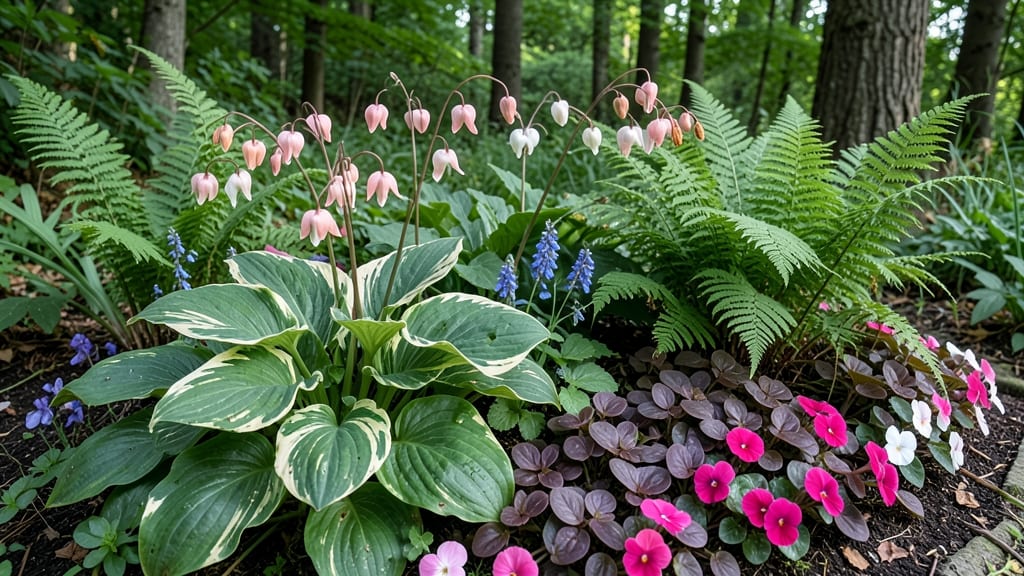
Creating a flower bed under tree roots can feel like a losing battle—until you choose the right shade-loving plants. 🌿 The key is matching dappled light conditions with plants that thrive in low competition, like hostas, ferns, and bleeding hearts, while avoiding root damage from aggressive tree roots.
Start by testing your spot: if the ground stays damp, opt for moisture-loving plants like astilbes. If it’s dry, go for drought-tolerant options like carex sedges. A 3-inch layer of mulch keeps roots cool and suppresses weeds, while planting in groups of 3-5 creates visual impact without overcrowding.
You’ll end up with a lush, layered bed that blooms from spring to fall—think white trilliums in May, purple astilbes in summer, and golden fall foliage from ornamental grasses. The secret is spacing plants 12-18 inches apart to avoid competition while letting sunlight filter through.
For long-term success, avoid planting too close to the trunk (keep it 12+ inches away), and choose slow-spreading ground covers like wild ginger or sweet woodruff to fill gaps naturally. This isn’t just a garden—it’s a low-maintenance, high-impact shade sanctuary.
📚 In This Guide
- What you need
- Instructions
- Tips and common mistakes
- Wrapping up and next steps
What you need
- ● Soil amendments: 2–3 bags of compost (1–2 cubic feet per plant) or peat moss (for acid-loving plants like azaleas).
- ● Mulch: 2–3 cubic feet of pine bark fines, shredded leaves, or wood chips (3–4 inches deep).
- ● Slow-release fertilizer: 1–2 bags of balanced organic fertilizer (10-10-10 or 5-5-5 ratio).
- ○ Drip irrigation or soaker hose: 10–20 feet (depending on bed size) with a timer (optional but helpful).
- ● Garden fork or tiller: For aerating compacted soil.
- ● Hand trowel or spade: For planting and amending soil.
- ● Pruners or shears: Sharp, bypass pruners for trimming plants.
- ● Measuring tape & string: To mark bed dimensions.
- ● Wheelbarrow or bucket: For hauling soil and mulch.
- ● Ground cover fabric: To suppress weeds in high-moisture areas.
- ● Shade-loving plant starters: Pre-potted heuchera, ferns, or hostas for instant impact.
- ● Garden gloves: To protect hands while working.
- ● Knee pads: For comfort during planting.
Step-by-Step guide to creating a thriving flower bed under tree
Here’s how to transform that tricky under-tree space into a vibrant, low-maintenance garden that thrives in dappled light.
🌿 Step 1: Assess Light Conditions and Soil
Start by observing the light patterns under your tree throughout the day. Dappled shade varies—some spots get morning sun while others stay in deep shade. I use a simple test: place a white sheet under the tree for an hour at midday. Areas with visible shadows but some light are ideal for shade-tolerant flowers. Avoid spots where the soil stays bone-dry or perpetually soggy.
Dig a small hole in the center of your planting area to check the soil. Under trees, soil often compacts or becomes waterlogged. If it feels dense, mix in 2-3 inches of compost to improve drainage and aeration. If it’s too sandy, add a handful of peat moss to retain moisture. The goal is soil that crumbles easily when squeezed but holds together—this ensures roots get both air and water.
🌱 Step 2: Select the Right Plants for Dappled Light
For a 4-foot-wide bed, I recommend pairing 3-4 shade-tolerant perennials with 1-2 low-growing annuals for seasonal color. Start with bleeding heart (Dicentra spectabilis) for early spring blooms, hostas (Hosta spp.) for foliage texture, and foamflower (Tiarella cordifolia) for delicate white blooms. Add impatiens (Impatiens walleriana) or begonias (Begonia spp.) for summer color—they tolerate low light better than most annuals.
Space plants based on their mature size: 12-18 inches apart for hostas and foamflower, 18-24 inches for bleeding heart. Avoid tall plants like astilbes—they’ll struggle to compete with the tree’s roots for nutrients. Mulch with 2-3 inches of shredded bark to suppress weeds and retain moisture, but keep it 3 inches away from stems to prevent rot.
☀️ Step 3: Prepare and Plant With Care
Mark planting spots with small stakes to avoid disturbing the tree’s roots. Dig holes twice as wide as the root ball but only as deep—planting too deep suffocates roots. Gently loosen the root ball if it’s tightly packed, then place the plant in the hole and backfill with native soil mixed with compost. Press lightly around the edges to remove air pockets, but don’t compact the soil.
Water deeply immediately after planting to settle the soil and encourage root contact. Use a slow-release fertilizer (like 10-10-10) to give plants a nutrient boost without overfeeding. I avoid high-nitrogen fertilizers—they promote leafy growth at the expense of blooms in shade-loving plants. Mulch again after watering to lock in moisture and regulate soil temperature.
💧 Step 4: Maintain for Long-Term Success
Water once a week in the first growing season, but adjust based on rainfall—dappled shade means soil dries out slower than full sun. Check moisture by sticking your finger 1 inch into the soil; if it’s dry, water until it’s damp 6 inches deep. Overwatering is the biggest mistake here—tree roots compete aggressively for moisture, and soggy soil invites fungal diseases.
Fertilize lightly in early spring with a balanced, slow-release formula (like 5-5-5). Deadhead spent blooms on annuals to encourage more flowers, but leave seed heads on perennials like foamflower—they add winter interest. If leaves yellow, it’s often a sign of iron deficiency or overwatering; adjust care accordingly.
✂️ Step 5: Seasonal Care for Year-Round Beauty
In fall, cut back dead foliage but leave hosta and foamflower stalks until spring—they protect crowns from freezing. Add a 2-inch layer of mulch to insulate roots over winter. Prune bleeding heart back in late spring after blooms fade to keep the plant tidy. For annuals, replace them in early summer if they’ve finished blooming or look leggy.
Every 2-3 years, refresh the bed by dividing overcrowded perennials like hostas and adding new plants. This prevents competition and keeps the garden vibrant. Watch for spider mites on hostas or powdery mildew on impatiens—both thrive in shady, humid conditions. Treat early with neem oil to avoid chemical residues near edible plants (if your tree is fruiting).
Tips & tricks for thriving shade gardens under trees
Creating a lush flower bed under a tree takes patience and precision—here's how to avoid the most common pitfalls and elevate your dappled-light garden.
Light Mapping is Everything: The white sheet test in Step 1 isn't just about identifying light—it's about understanding how that light moves. I've seen gardeners plant in spots that get only morning sun miss the mark completely. Mark your best areas with flags or stakes immediately after testing, then sketch a simple map. This prevents the "I planted there but nothing grew" scenario that happens when light patterns shift seasonally.
Root Competition Strategy: When amending soil in Step 1, focus on creating a "root zone barrier" rather than just adding compost. Dig a trench around your planting area (about 6 inches deep) and fill it with a mix of compost and coarse sand. This creates a nutrient-rich pocket that your shade plants can access without competing directly with the tree's roots. The tree's roots will naturally grow toward this enriched zone, giving your flowers a fighting chance.
Plant Pairing Secrets: In Step 2, the spacing recommendations (12-18 inches for hostas, 18-24 inches for bleeding heart) might seem tight, but there's method behind it. I've found that grouping plants with similar water needs together creates microclimates that work in their favor. Place your hostas and foamflowers closer together—they both prefer consistently moist soil—while giving bleeding heart its extra space. This creates natural water conservation zones where moisture lingers longer in the center.
Mulch Layering Technique: The 2-3 inches of mulch in Step 2 is just the beginning. For long-term success, I recommend a two-layer system: start with 1-2 inches of coarse mulch (like shredded bark) right after planting, then add another 1-inch layer in early spring. This prevents soil compaction from winter rains while gradually breaking down to feed your plants. The key is keeping that 3-inch clearance from stems—it's not just about preventing rot, it's about allowing air circulation that keeps fungal diseases at bay.
Pro Tips for Flower Bed Under Tree
- Creating a lush flower bed under a tree takes patience and precision—here's how to avoid the most common pitfalls and...
- Light Mapping is Everything: The white sheet test in Step 1 isn't just about identifying light—it's about understandi...
- Root Competition Strategy: When amending soil in Step 1, focus on creating a "root zone barrier" rather than just add...
Frequently asked questions
Got questions about creating a stunning flower bed under tree? You’re not alone! Here are answers to the most common queries—so you can plant with confidence and ease.
What are the best low-light-tolerant flowers for under a tree?
Opt for shade-loving perennials like heuchera (coral bells), hostas, bleeding heart, or foamflower. For color pops, try impatiens or begonias in dappled light. Avoid sun-hungry plants like marigolds or lavender—they’ll struggle without full sun.
When is the best time to plant a flower bed under a tree?
Plant in early spring or fall when soil is workable but not frozen. Avoid summer heat, which stresses roots. If planting in spring, choose cool-season varieties like pansies or sweet woodruff to give them a head start.
How do I prepare the soil under a tree for planting?
Start by mulching heavily (3–4 inches) to suppress weeds and retain moisture. Loosen the top 6–12 inches of soil with a garden fork, then mix in compost or aged manure to improve drainage. Avoid compacting the area—roots need room to breathe!
Will my tree’s roots compete with my flowers for water and nutrients?
Yes, but mulching and deep watering help mitigate this. Use slow-release fertilizers or organic matter to nourish plants without overfeeding the tree. Choose deeper-rooted perennials (like ferns or astilbes) to reduce competition.
What if my flowers aren’t thriving under the tree?
Check for root competition, poor drainage, or too much shade. Thin out mulch if it’s smothering roots, or prune nearby branches to increase light. If soil is soggy, amend with sand or perlite to improve aeration. Patience is key—some shade plants take 1–2 seasons to establish!
Wrapping up and next steps
Creating a flower bed under tree is all about embracing the magic of dappled light and turning shade into a thriving garden oasis! 🌿 With the right plant pairings—like hostas, ferns, and shade-loving flowers—you’ll craft a lush, low-maintenance space that blooms with personality.
The key? Prep your soil, choose resilient plants, and let nature do the rest.
Now that you’re armed with tips and tricks, roll up your sleeves and get planting! Start small with a single section, observe how your choices thrive, and expand over time. Your future shade garden will thank you—one dappled-light bloom at a time. 🌸