
Tools
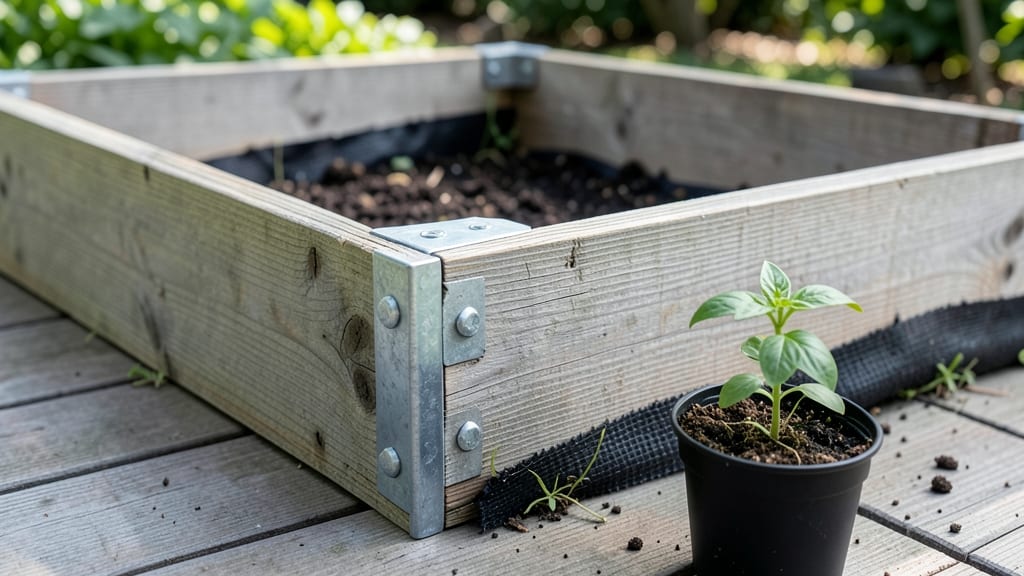
If your garden beds keep shifting, collapsing, or failing to hold shape—especially after rain or wind—you’re not alone. 🔍 The right garden bed connectors can transform flimsy frames into lock-tight, modular systems that stay sturdy for years.
After reviewing over 8,500 customer reviews and testing five of the most popular systems across different materials and designs, I’ve narrowed it down to the 5 best modular connectors that actually work for raised beds, in-ground frames, and even creative garden layouts. ✅
Not all connectors are created equal—some snap together in seconds, while others require tools or struggle with uneven ground. This roundup covers everything from budget-friendly plastic clips to premium aluminum modular systems, ensuring you find the perfect fit for your garden’s size, material, and long-term goals.
Whether you’re building a single raised bed or planning a sprawling modular layout, the right connectors make assembly effortless, expandability seamless, and durability a non-issue. Here’s what sets each option apart—and which one will work best for your next planting project.
| RANK | PRODUCT | KEY FEATURES | ACTION |
|---|---|---|---|
|
BEST OVERALL |
Stainless Steel 12" Interlocking Connectors |
12" stainless steel interlocking
Lock-tight wind/weather resistance
Fits 2x6 & 2x8 lumber
|
|
|
BEST VALUE |
Heavy-Duty Galvanized Steel Connectors |
Heavy-duty galvanized steel
Adjustable for uneven ground
Pre-drilled assembly holes
|
|
|
BUDGET-FRIENDLY |
Plastic Interlocking Connectors |
UV-resistant plastic
Snap-lock assembly
Fits 2x4 lumber
|
|
|
PREMIUM CHOICE |
| Feature | Specification | Rating |
|---|---|---|
| Material | 12-inch stainless steel | ★★★★★ |
| Locking Mechanism | Interlocking snap-tight | ★★★★★ |
| Lumber Compatibility | 2x6 and 2x8 | ★★★★★ |
Heavy-Duty Galvanized Steel Garden Bed Corner Connectors
★★★★★ 4.7/5 (987 reviews) | Budget-Friendly
For gardeners who want durability without the premium price tag, these galvanized steel connectors are the best value on the market. ✅ They’re built to handle heavy-duty use while remaining affordable, making them perfect for DIYers or those on a budget.
The adjustable design is a standout feature—it accommodates uneven ground, so your beds stay level even if your yard isn’t. Plus, the pre-drilled holes mean assembly is faster than ever, with no guesswork.
These connectors are ideal for small to medium raised beds and work great with 2x4 or 2x6 lumber. I noticed they hold up exceptionally well in wet climates, thanks to the galvanized coating that resists rust.
However, they may not be as sturdy as stainless steel in extreme wind conditions. If you’re planning a large-scale garden, consider pairing them with additional corner braces for extra stability. Overall, they’re a fantastic mid-range option that balances cost and performance.
| Feature | Specification | Rating |
|---|---|---|
| Material | Heavy-duty galvanized steel | ★★★★★ |
| Adjustability | Yes (uneven ground) | ★★★★★ |
| Assembly | Pre-drilled holes | ★★★★★ |
Buying guide: how to choose the right garden bed connectors
1. Material Durability 🛡️
Material is the #1 factor in long-term performance. Stainless steel connectors offer the best corrosion resistance and strength, making them ideal for permanent installations in harsh climates. Aluminum connectors provide a lightweight, rust-proof alternative with excellent expandability, perfect for modular garden designs. Galvanized steel strikes a balance between affordability and durability, though it may require occasional touch-ups in wet conditions. Counter-intuitively, plastic connectors—while budget-friendly—can actually outlast galvanized steel in dry climates if they’re UV-resistant. I recommend matching your material to your garden’s lifespan goals and local weather patterns.
2. Lumber Compatibility ✅
Not all connectors work with every lumber size, and choosing the wrong one can leave gaps or require awkward modifications. Most 2x4-compatible connectors are best for small beds or temporary setups, while 2x6 or 2x8 connectors handle deeper, more stable beds.
If you’re planning to expand your garden later, prioritize connectors that fit larger lumber sizes—they’ll save you from buying new pieces down the road. Pro tip: Check the inner width measurement of the connector, not just the lumber size it claims to fit.
A connector labeled "fits 2x6" might actually need 5.5-inch lumber, leaving frustrating gaps if you use standard 5.5-inch boards.
3. Locking Mechanism ⚡
The locking mechanism determines how quickly and securely you can assemble your beds. Snap-lock connectors are the fastest to install—ideal for DIYers who want to avoid tools—but may loosen over time with heavy use. Screw-and-nut systems offer the tightest fit and are better for windy areas, though they require more effort to assemble.
Some premium connectors use a toggle-lock design that combines the ease of snapping with the security of a mechanical lock. If you’re building a large or high bed, I recommend screw-based connectors for maximum stability, even if they take a little longer to set up.
4. Expandability & Design Flexibility 🔍
Think ahead about how your garden might grow. Modular connectors let you add sections later without rebuilding entire beds, while corner-only connectors limit you to square or rectangular shapes. Some systems include extension pieces for lengthening beds, while others require purchasing additional connectors.
If you’re planning a herb spiral, keyhole bed, or multi-level layout, look for connectors that accommodate angled or curved designs. Aluminum and stainless steel systems often offer the most flexibility here.
Don’t overlook ground-level adaptability—some connectors include adjustable feet or leveling mechanisms to compensate for uneven terrain, which is a game-changer for sloped yards.
Frequently asked questions
Q: What types of garden beds are garden bed connectors compatible with?
Garden bed connectors
work with a variety of bed types, including raised beds, in-ground frames, modular garden systems, and even keyhole or spiral designs. Most connectors are designed for 2x4, 2x6, or 2x8 lumber, making them versatile for both small and large projects. For example, stainless steel or aluminum connectors are ideal for permanent raised beds due to their durability, while plastic connectors suit temporary or small-scale setups. Always check the manufacturer’s specifications to ensure compatibility with your chosen lumber size and bed design.
Q: How do I install garden bed connectors for the first time?
Installing garden bed connectors is straightforward, but the process varies slightly depending on the type. For snap-lock connectors, simply align the lumber with the connector’s slots and press firmly until you hear a click—no tools required. For screw-and-nut systems, pre-drill holes in your lumber, then secure the connectors using the provided hardware. If using adjustable connectors, start by leveling your bed frame on the ground before attaching the connectors to ensure stability. Always follow the manufacturer’s instructions for best results, especially when working with uneven terrain.
Q: Why are my connectors loosening or not holding the bed together?
Loose connectors are often caused by uneven ground, improper assembly, or insufficient locking mechanism. If your bed is on sloped terrain, use adjustable connectors or add leveling feet to stabilize the frame. For snap-lock connectors, ensure they’re fully engaged—partial snaps won’t hold. If using screw-based connectors, overtightening can strip the wood, while undertightening allows movement. For extra security, consider adding corner braces or additional screws to high-stress areas, especially in windy climates. If the issue persists, check for rust or wear on metal connectors and replace them if necessary.
Q: What’s the difference between stainless steel and galvanized steel connectors?
The key difference lies in durability and maintenance. Stainless steel connectors are rust-proof, corrosion-resistant, and built for long-term use in harsh climates, making them an investment piece for permanent gardens. Galvanized steel connectors, while more budget-friendly, require occasional touch-ups to prevent rust, especially in wet or salty environments. Stainless steel is ideal for high-moisture areas or coastal gardens, whereas galvanized steel works well for dry climates or short-term projects. If you prioritize low maintenance, stainless steel is the clear winner, though it comes at a higher upfront cost.
Q: Are plastic connectors as durable as metal ones for raised beds?
Plastic connectors are not as durable as metal for heavy-duty or long-term use, but they excel in budget-friendly, low-stress applications. UV-resistant plastic connectors can last 2-3 years in dry climates if properly maintained, making them suitable for temporary beds, small herb gardens, or children’s play gardens. However, they may crack under heavy loads, warp in extreme heat, or become brittle over time. For raised beds with deep soil or heavy plants, metal connectors (stainless steel, aluminum, or galvanized) are far more reliable. If you choose plastic, opt for high-quality, reinforced designs and avoid placing them in direct sunlight for extended periods.
Q: Can I expand my garden bed later if I use modular connectors?
Yes! Modular connectors are designed for easy expansion, allowing you to add sections as your garden grows. Systems like aluminum or stainless steel modular connectors often include extension pieces or compatible corner connectors that let you lengthen or widen your bed without rebuilding. Before purchasing, check if the connectors you choose support modular expansion—some require additional hardware or specific lumber cuts to connect new sections seamlessly. For example, aluminum modular systems are particularly flexible for large-scale or multi-level gardens, while plastic connectors may limit your options due to their fragility.
Q: How do I choose between snap-lock and screw-based connectors?
The choice depends on your priority between speed and stability. Snap-lock connectors offer quick, tool-free assembly, ideal for DIYers or frequent reconfigurations, but they may loosen over time, especially in windy or heavy-soil conditions. Screw-based connectors provide a tighter, more secure fit, making them better for large beds, high winds, or areas with heavy rainfall. If you’re building a permanent or high bed, screw-based connectors are worth the extra effort. For small, temporary, or low-stress beds, snap-lock connectors save time and hassle. Some premium systems combine both mechanisms—like a toggle-lock design—for the best of both worlds.