
Tools
Tired of replacing garden beds every few years? These 10 durable materials create long-lasting planting spaces that reduce weeding, retain moisture, and extend your growing season—perfect for both beginners and seasoned gardeners.
Cedar Wood Garden Beds
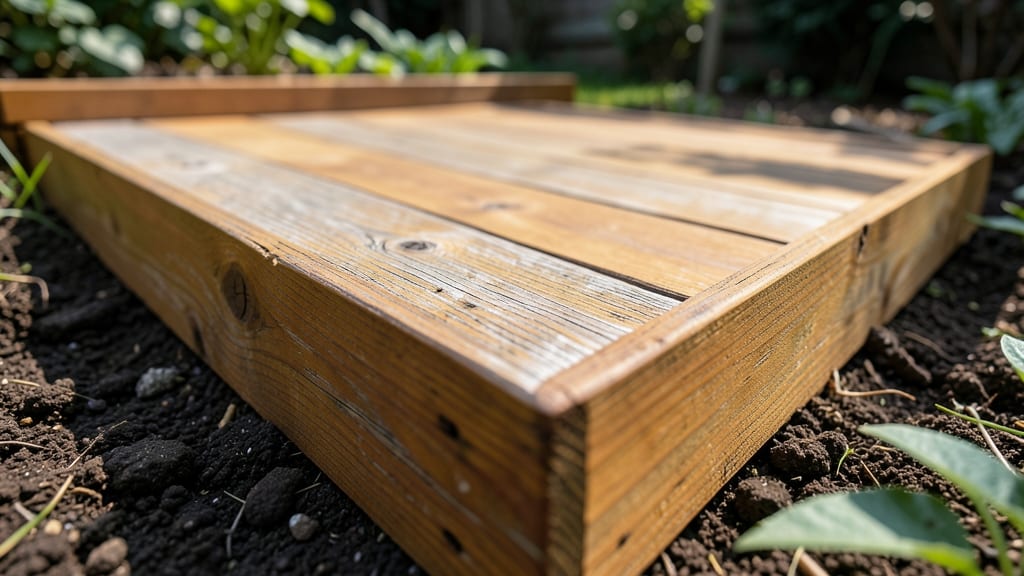
If you love the idea of a garden bed that lasts decades without constant upkeep, cedar wood is your natural solution. Unlike treated lumber, cedar’s built-in resistance to rot and insects means you won’t need to stain or seal it annually—just let it weather beautifully over time.
This aromatic wood holds up in moisture-prone areas and resists warping, making it perfect for raised beds or border edging. For extra longevity, choose western red cedar (the most rot-resistant variety) and avoid burying it directly in soil. Its rich, golden hue also adds rustic charm to cottage-style gardens.
Best for gardeners who prioritize low-maintenance aesthetics and organic materials—cedar beds blend seamlessly into natural landscapes while protecting your plants for a decade or more. 🌿
Composite Lumber Raised Beds
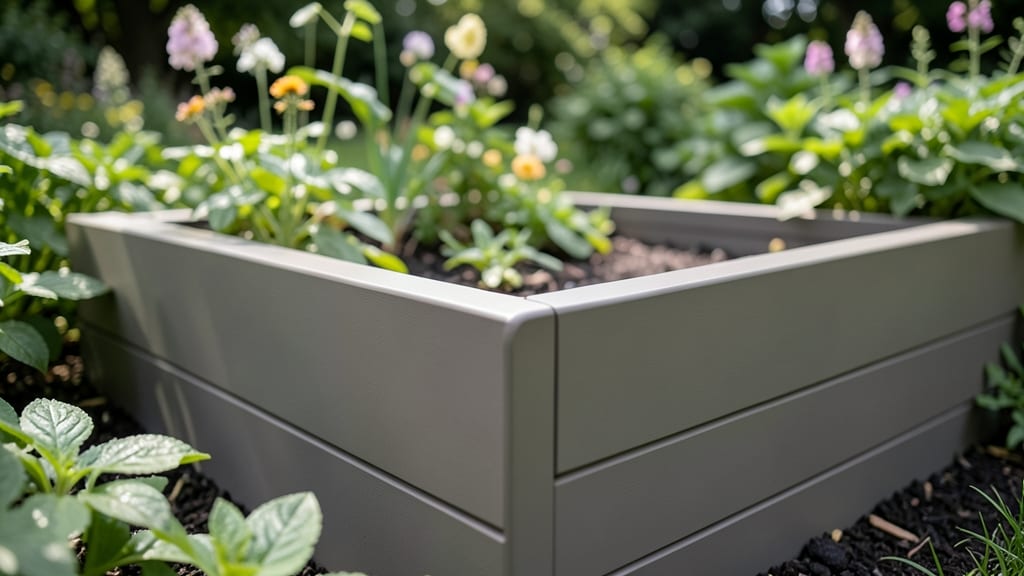
Say goodbye to splinters, warping, and endless staining—composite lumber raised beds combine the best of wood and plastic to create beds that last 20+ years without maintenance. Unlike traditional wood, these beds resist rot, insects, and moisture damage while blending seamlessly into modern or urban garden designs.
Made from recycled wood fibers and plastic, these beds are lightweight yet sturdy, making them perfect for small spaces like balconies or rooftops. They won’t crack under temperature shifts or fade in sunlight, and their smooth surfaces make cleaning a breeze. Choose from earthy grays or browns to complement any aesthetic, and enjoy zero painting or sealing—just plant and grow.
Urban gardeners and busy homeowners will love this hassle-free option, as it eliminates the upkeep of traditional wood while offering the same elevated planting benefits. 💡
Galvanized Steel Planters
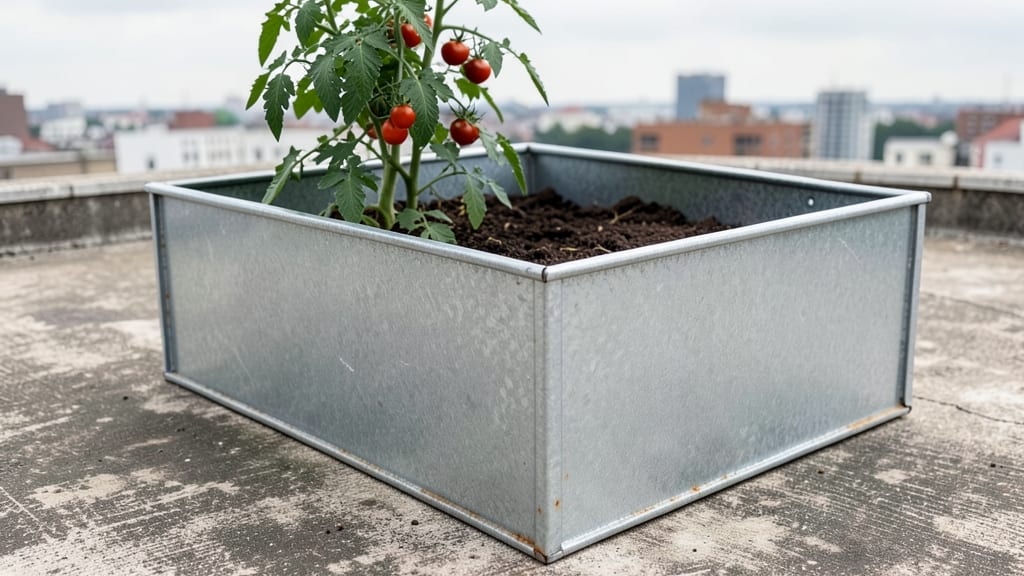
If you need a garden bed material that stands up to heavy loads and harsh weather, galvanized steel planters deliver unmatched durability. Their thick, rigid walls support deep-rooted vegetables like tomatoes and peppers while resisting warping or cracking—ideal for urban rooftops or high-traffic areas.
The zinc coating prevents rust for years, but you’ll need to refresh it every 2-3 years with powder-coating to maintain longevity. These planters also deter pests like squirrels and raccoons, making them perfect for edible gardens. Their modular design lets you stack or arrange them for custom layouts, and the reflective metal surface can even help warm soil faster in cooler climates.
Urban gardeners and small-space growers will love how steel planters maximize vertical growing while keeping plants safe from critters. Just pair them with drainage holes and lightweight potting mix for optimal results. 💪
Recycled Plastic Lumber Beds
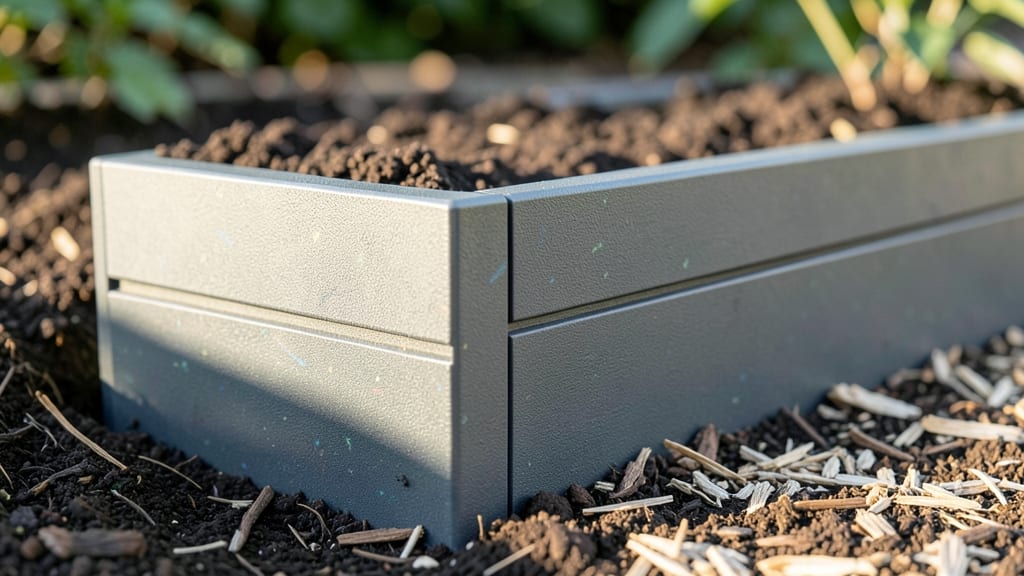
Looking for a zero-maintenance, sustainable garden bed that won’t rot or splinter? Recycled plastic lumber transforms discarded plastic bottles and containers into durable, fade-resistant frames that outlast traditional wood—without the chemicals or upkeep.
Made from 100% post-consumer plastic, these beds resist warping, cracking, and insect damage, while their lightweight design makes them easy to assemble on slopes or uneven terrain. The smooth, nonporous surface also prevents mold growth, making them ideal for community gardens or public spaces where durability is key. Plus, they come in vibrant colors that brighten up any planting area.
Perfect for gardeners who want long-term sustainability without compromising strength, these beds are especially great for large-scale projects or areas prone to harsh weather. 🌿
Stone Retaining Wall Beds
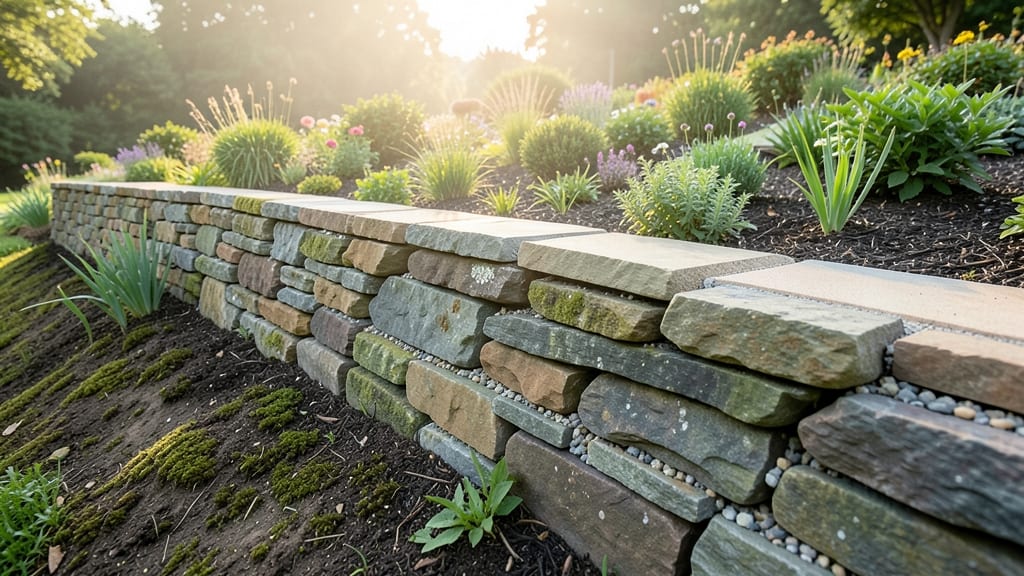
Want a garden bed that lasts decades without fading or rotting? Stone retaining walls offer natural beauty while solving drainage issues in tricky terrain. Unlike wood or plastic, fieldstone or pavers resist weathering and blend seamlessly into any landscape.
These beds excel in perennial gardens where deep roots thrive, as the sturdy stone structure prevents soil erosion while creating defined planting zones. For areas with poor drainage, the layered stone design naturally filters excess water away from plant roots. Plus, the irregular shapes of fieldstone add organic texture that complements cottage-style gardens beautifully.
Best for gardeners who prioritize longevity and low maintenance, stone beds require only occasional moss removal between stones. They’re especially ideal for sloped yards or areas where level ground is impossible to achieve. 💚
Brick-Lined In-Ground Beds
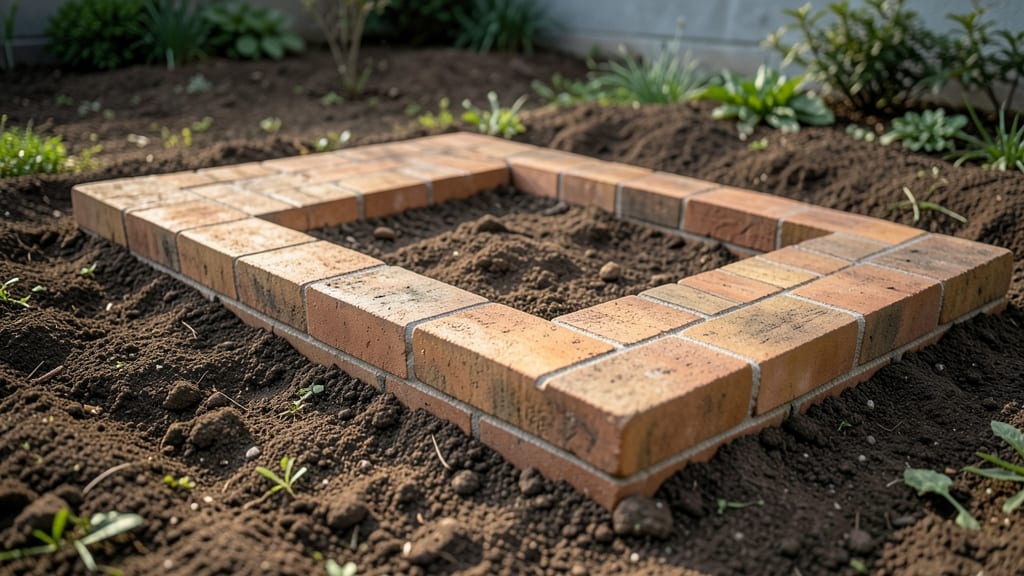
Want a garden bed that looks timeless while standing strong for decades? Brick-lined in-ground beds combine classic aesthetics with unmatched durability—ideal for formal gardens or vegetable plots where structure matters most.
Bricks create crisp, defined edges that resist erosion and weeds while improving drainage for root health. Use firebricks for extra longevity or recycled bricks for an eco-friendly touch. These beds work perfectly for herbs, vegetables, or perennials, especially in high-traffic areas where other materials might degrade.
Perfect for gardeners who value both beauty and permanence, brick beds require minimal upkeep beyond occasional mortar checks. Their neutral color palette also makes them versatile for any design style. 💡
Corrugated Metal Troughs
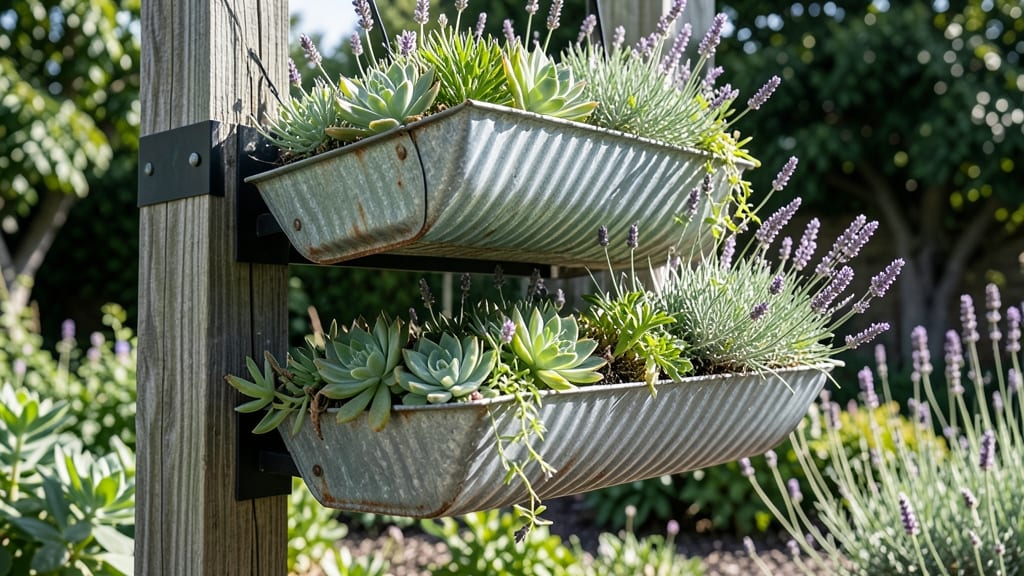
Transforming old roofing panels into corrugated metal troughs adds an unexpected industrial edge to your garden while solving drainage challenges for drought-tolerant plants. These repurposed materials create sleek, vertical growing spaces that stay cool in hot climates—ideal for succulents, lavender, or Mediterranean herbs that thrive with minimal water.
Start by coating the metal with a rust-proof sealant (like galvanized paint or epoxy) to extend its lifespan. Mount troughs at an angle for optimal drainage, and fill with cactus mix or lightweight potting soil. The corrugated ridges also provide extra grip for trailing plants like creeping thyme or strawberries. Urban gardeners will love how these troughs maximize vertical space without sacrificing style.
This option is perfect for those who want low-maintenance, high-impact garden features that double as conversation starters. Just be prepared to secure them firmly against wind—these troughs are built to last! 🌻
Hessian Fabric-Lined Beds
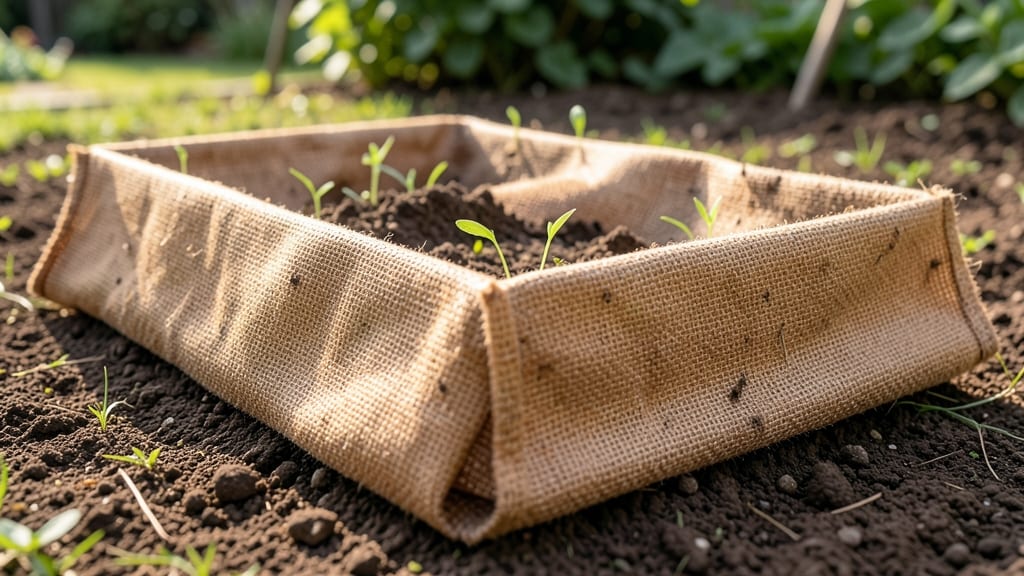
Looking for a zero-waste garden bed that disappears into the soil when you're done? Hessian fabric-lined beds are the ultimate temporary solution—no digging required, and they break down naturally after 1-2 seasons. This coarse, burlap-like material smothers weeds while improving soil aeration and moisture retention, making it a favorite among organic gardeners.
Simply lay the fabric over your planting area, fill with compost or soil, and plant directly into it. The biodegradable nature means it enriches the soil as it decomposes, while its durable weave blocks light to prevent weed seeds from germinating. Ideal for seasonal plots, community gardens, or testing new plant varieties without long-term commitment.
Perfect for beginners or eco-conscious gardeners who want to avoid synthetic materials like plastic or treated wood, hessian beds are also lightweight and easy to transport. Just add plants and watch your garden thrive—no maintenance headaches included! 🌱
Preformed Concrete Planters
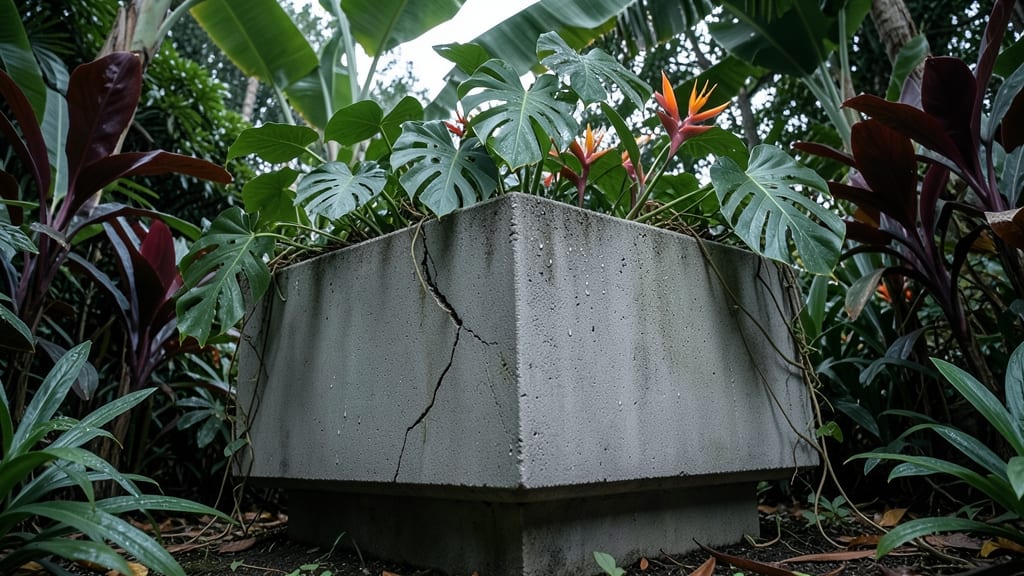
When you need a garden bed that can handle foot traffic, heavy rainfall, or tropical plants without wobbling, preformed concrete planters are the unsung heroes of durability. Their weight keeps them stable in windy areas, while their weatherproof nature means no warping or rotting—ideal for high-traffic zones like patios or poolside gardens.
These planters excel at moisture retention, making them perfect for tropical plants like ferns, hostas, or calatheas that thrive in consistently damp soil. Just ensure they have drainage holes to prevent root rot. Installation requires two people—concrete is heavy!—but once in place, these beds last decades with minimal upkeep, resisting cracks and pests better than wood or plastic.
Urban gardeners or those with limited space will love how concrete planters create clean, modern lines while offering unmatched stability. They’re the ultimate choice for anyone who prioritizes long-term performance over short-term convenience. ✨
PVC Pipe Vertical Gardens

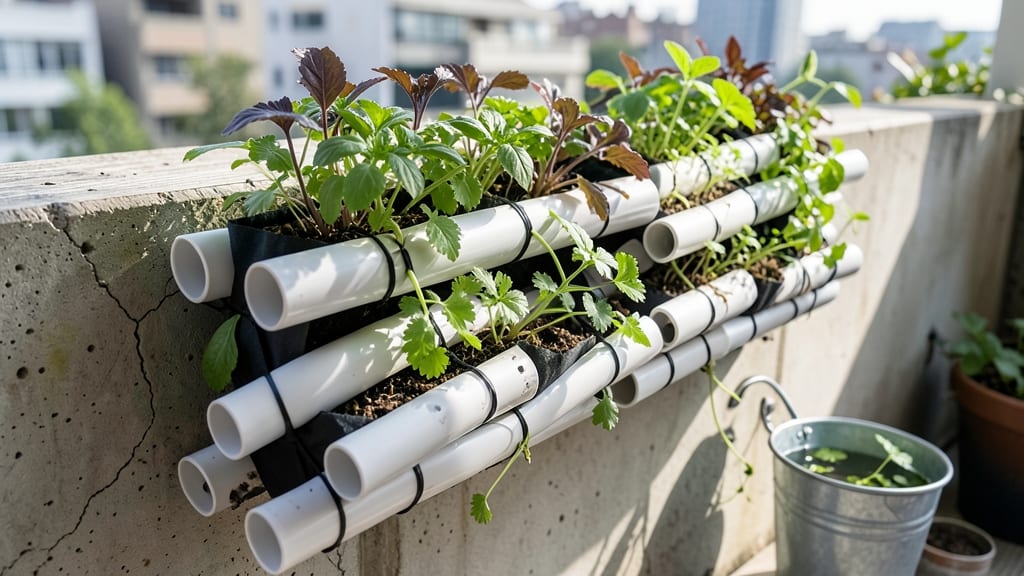
Turn your balcony or small patio into a thriving herb garden without breaking the bank—PVC pipe vertical gardens are the ultimate space-saving hack. These DIY systems use simple, inexpensive pipes to create a vertical growing area that maximizes sunlight exposure for herbs and leafy greens like basil, lettuce, and spinach.
Start by cutting 4-inch PVC pipes into 12-inch sections, then stack them vertically using PVC elbows or brackets. Drill drainage holes in the bottom of each pipe and fill with well-draining potting mix. Mount the system on a wall or fence, ensuring each pipe gets at least 6 hours of sun daily. The modular design lets you expand or rearrange as needed, making it perfect for urban gardeners with limited floor space.
This solution is ideal for renters, beginners, or anyone craving fresh greens without the commitment of traditional beds. Plus, the materials cost a fraction of store-bought vertical planters! 🌱