
Tools
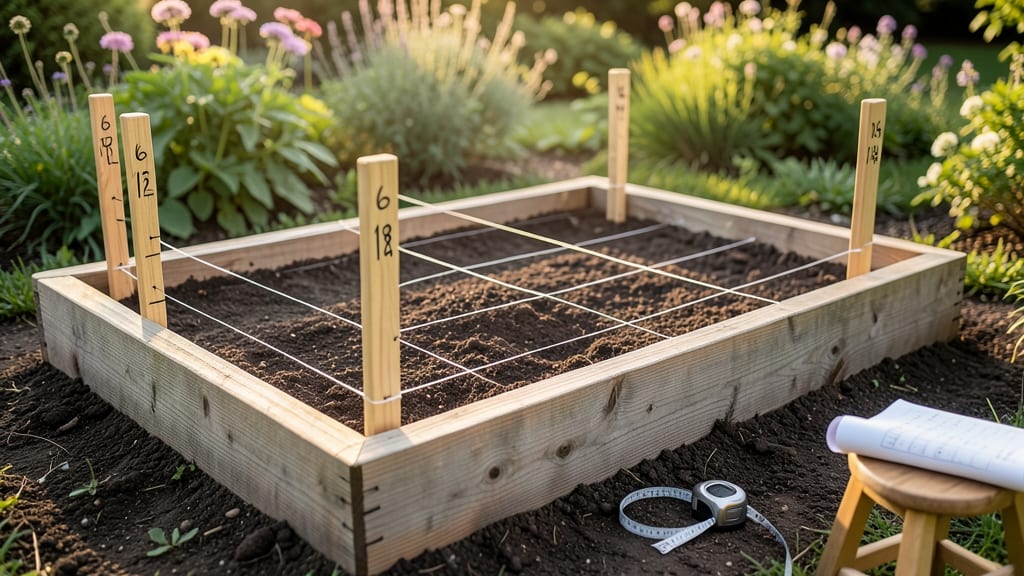
Determining garden bed measurements depends on your plants, but standard vegetable beds typically measure 4x8 feet for raised beds or 3x6 feet for in-ground rows, while flower beds often range from 2x4 feet to 5x10 feet for borders. Aim for a depth of 6-12 inches to accommodate most root systems, and wider beds make maintenance easier while improving soil efficiency.
Getting these dimensions right makes all the difference in your garden's success. Vegetables like tomatoes and peppers need more space between plants—think 18-24 inches—to prevent crowding and disease, while flowers such as marigolds or petunias can thrive in tighter clusters (12-18 inches apart). Depth matters too: shallow-rooted herbs like basil only need 6 inches, but deep-rooted crops like carrots require 12 inches or more. 🌱 Wider beds (4 feet or less) also reduce soil compaction and make weeding easier, so don’t skimp on width if your space allows it.
For small gardens, consider square-foot gardening, where you divide beds into 1-foot squares and plant based on spacing charts. This method maximizes yield in limited areas while keeping plants healthy.
And if you're working with slopes or uneven terrain, raised beds let you control dimensions perfectly—just remember to leave 2-3 feet of walkway space between beds for easy access.
💡 In This Article
- How Garden Bed Dimensions Impact Plant Growth
- Optimal Garden Bed Sizes by Plant Type
How garden bed dimensions impact plant growth
Garden bed dimensions directly influence plant health by determining how much space roots can spread and how efficiently water and nutrients reach them.
For vegetables like tomatoes, which develop deep root systems (up to 3 feet in ideal conditions), a bed that's too narrow forces roots to compete for nutrients, stunting growth.
The 18-24 inch spacing recommended for tomato plants isn't just about the plant's width—it's about creating a root zone that can support the plant's full potential while allowing airflow to prevent fungal diseases like blight.
Depth plays a critical role too. Lettuce, with its shallow roots (6-12 inches deep), thrives in beds just 6 inches deep, while carrots need 12+ inches to grow straight and fully. This is why raised beds—where you control depth—are ideal for root vegetables.
Flowers like marigolds, which have fibrous root systems, can handle tighter spacing (12 inches apart) because their roots spread horizontally rather than vertically, but they still need enough width to prevent overcrowding and disease spread.
Width matters for maintenance too. Beds wider than 4 feet become difficult to reach the center without stepping on soil, which compacts it and damages roots. The 4x8 feet standard for raised beds balances accessibility with soil efficiency—you can easily tend to plants from all sides while keeping walkways clear.
Narrower beds (3 feet) are perfect for in-ground rows where you can stand and tend to plants without disturbing the soil.
Airflow and irrigation efficiency also depend on spacing. Plants too close together create humid microclimates that trap moisture, inviting pests like aphids or fungal spores. Proper spacing—like 12 inches for herbs or 24 inches for broccoli—ensures sunlight reaches all leaves and water evaporates quickly, reducing disease risk.
In drought-prone areas, wider spacing also means less competition for water, so plants grow stronger and produce more.
Consider soil efficiency too. Wider beds (up to 4 feet) allow you to use less soil volume while growing more plants, since you're not wasting space on walkways.
For example, a 4x8 feet raised bed gives you 32 square feet of growing space—enough for a full season's worth of vegetables—while a 3x6 feet in-ground bed might yield slightly less due to soil compaction from foot traffic. 🌱