
Tools
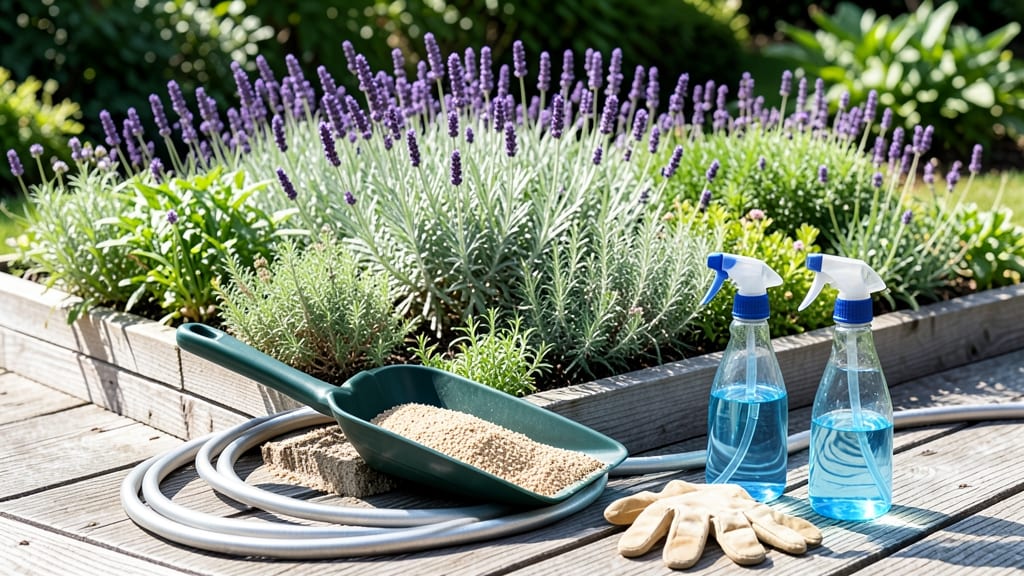
Using garden bed sealant creates a protective barrier that locks in moisture, blocks weeds, and extends your garden bed's lifespan. Apply it in early spring or late fall after removing debris, choosing between organic or synthetic options to match your garden's specific needs.
This protective layer works by reducing evaporation and preventing weed seeds from germinating, which means less watering and weeding for you. 🌱 Organic sealants like straw or wood chips break down over time, enriching the soil, while synthetic options such as landscape fabric last longer but may require more effort to install.
I’ve found that raised beds benefit most from organic materials, as they improve soil structure naturally over time.
For dry climates, I recommend thicker organic mulches or specialized landscape fabrics to retain moisture, while wetter areas might need lighter, more breathable covers. The key is balancing protection with soil health—too much sealant can suffocate plant roots, so always leave space for airflow around plants.
💡 In This Article
- How Garden Bed Sealants Work to Protect Soil
- Best Sealant Types for Different Garden Conditions
How garden bed sealants work to protect soil
Garden bed sealants create a protective shield by forming a physical barrier that slows water evaporation. Organic materials like straw or wood chips work by trapping moisture in the soil while allowing slow decomposition to feed the earth.
Synthetic options, such as landscape fabric, achieve this by blocking sunlight—reducing weed growth and preventing soil erosion. The key difference lies in their mechanisms: organic sealants improve soil health over time, while synthetic ones prioritize durability and weed control.
Moisture retention is the primary function, with organic mulches reducing evaporation by up to 70% in dry conditions. For example, a 3-inch layer of straw can maintain soil moisture for weeks longer than unprotected soil.
Synthetic fabrics, on the other hand, reflect sunlight and create a microclimate that keeps the soil cooler, which is especially beneficial in hot climates where water loss accelerates. The texture of organic sealants also encourages beneficial insects and microorganisms, unlike synthetic barriers that may repel them.
Weed suppression works by blocking light, which weed seeds need to germinate. Organic mulches smother weeds physically, while synthetic fabrics create a dark, inhospitable environment beneath them. This dual-action approach means fewer weeds and less competition for nutrients.
In my experience, a properly installed landscape fabric can reduce weed growth by 90% in the first year, though organic mulches gradually break down and require reapplication every 6-12 months.
Soil temperature regulation is another critical benefit. Organic sealants act as insulators, keeping roots warmer in winter and cooler in summer. Synthetic fabrics, however, can overheat soil if not paired with a reflective layer, which is why some gardeners use a combination of both.
The choice often depends on your climate: in arid regions, synthetic fabrics excel, while organic mulches thrive in cooler, more humid environments where soil health is a priority.
Erosion control is where both types shine, but their methods differ. Organic materials like wood chips or leaves absorb rainwater and slow runoff, while synthetic fabrics create a stable surface that prevents soil from washing away. This is particularly useful in sloped gardens or areas prone to heavy rainfall.
For instance, a 4-inch layer of wood chips can reduce erosion by 50% compared to bare soil, making it a practical choice for hilly landscapes.
Finally, the longevity of the sealant depends on its type. Organic materials decompose over time, enriching the soil but requiring annual renewal. Synthetic fabrics last 5-10 years, depending on quality, but may need occasional repairs.
The trade-off is clear: organic sealants improve soil fertility, while synthetic ones offer long-term protection with minimal maintenance. 🌿