
Tools
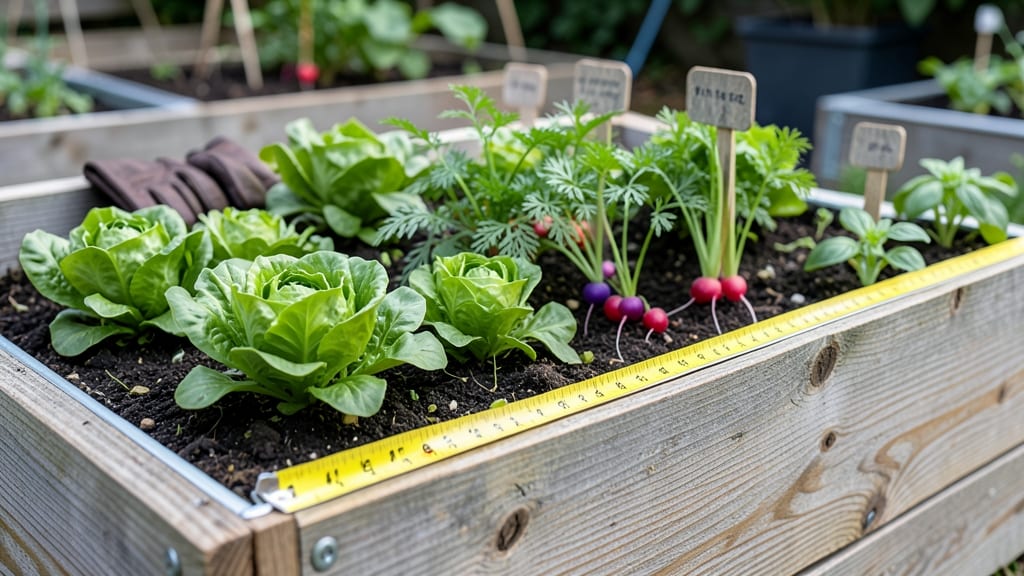
Choosing the right garden bed size depends on plant types: vegetables require beds that are 12–24 inches wide for easy access, 4–12 feet long for efficient space use, and 6–12 inches deep to support root systems, while herbs grow best in 6–12 inch widths with 12–18 inch spacing between plants. Raised beds should include 3–4 feet walkways for comfortable movement.
Garden bed dimensions aren't one-size-fits-all—they're designed to match how your plants grow. 🌱 For vegetables, wider beds (up to 24 inches) let you reach plants without stepping on soil, while shallower depths (6 inches) suit most root crops.
Herbs, on the other hand, prefer tighter spacing to maximize flavor and airflow. The key is balancing plant needs with your yard's space—whether that's a small urban plot or a sprawling backyard.
Raised beds add flexibility since you can adjust depth and soil quality, but those 3–4 foot walkways become crucial for accessibility. I've found that combining square-foot gardening (a grid system) with companion planting can help maximize every inch of space, especially in smaller yards.
For example, pairing tomatoes with basil not only saves space but also boosts growth!
💡 In This Article
- How Plant Growth Habits Dictate Garden Bed Dimensions
- Optimizing Garden Bed Layouts for Small vs Large Yards
How plant growth habits dictate garden bed dimensions
Plant growth habits directly determine your garden bed's ideal dimensions. For vegetables, the 12–24 inch width standard exists because it creates a comfortable reach zone—any wider and your arm gets tired trying to access the center.
This width also maximizes sunlight exposure on both sides of the bed, which is crucial for photosynthesis. Leafy greens like lettuce and spinach thrive in this setup, while root vegetables such as carrots and radishes need the full 6–12 inches of depth to develop properly without becoming stunted.
Herbs, on the other hand, have different needs. Their shallower root systems (typically 6–12 inches deep) mean they don't require deep beds, but they do need precise spacing. The 12–18 inch spacing between plants like rosemary or thyme isn't just about aesthetics—it's about airflow.
Stagnant air promotes fungal diseases like powdery mildew, which can devastate your harvest. I've seen basil plants in overly crowded beds develop yellowing leaves within weeks because of poor circulation, while properly spaced plants stay vibrant and productive.
Raised beds change the game because you control the depth and soil quality. The 6–12 inch depth works perfectly for most vegetables, but you can go deeper (up to 18 inches) for root crops like potatoes or asparagus.
The key difference with raised beds is how they warm up faster in spring—about 2–3 weeks earlier than in-ground beds—which gives cool-season crops like peas a head start.
However, this comes with trade-offs: deeper beds require more soil mix (a 4x8 foot bed needs roughly 1 cubic yard of soil), and the extra height can make weeding more challenging.
Sunlight exposure is another critical factor tied to bed dimensions. Most vegetables need 6–8 hours of direct sunlight daily, which means your bed's length should align with your yard's sun patterns.
For example, a 4-foot-long bed running north-south in the Northern Hemisphere ensures even sunlight distribution, while an east-west orientation might leave the northern side shaded. Herbs like cilantro tolerate partial shade better, so you can tuck them along the north edge of beds where taller vegetables cast light shadows.
Airflow isn't just about disease prevention—it also affects flavor. Plants in crowded beds often develop smaller, less flavorful leaves because they compete for nutrients. Take basil as an example: when given 12 inches of space, each leaf is larger and more aromatic than when grown in a tight cluster.
This spacing principle applies to all herbs, where the goal is to maximize both yield and quality. The trade-off? You'll need more total garden space, but the payoff in flavor and health is worth it.
One common mistake is assuming all plants need the same depth. For instance, shallow-rooted crops like onions or green onions only need 4–6 inches of soil, while deep-rooted crops like artichokes require 18–24 inches.
Mixing these in the same bed can lead to uneven growth—shallow roots get crowded at the bottom, while deep roots struggle to access nutrients near the surface. The solution? Dedicate sections of your bed to plants with similar root depths, or use separate beds entirely for deep-rooted varieties.