
Tools
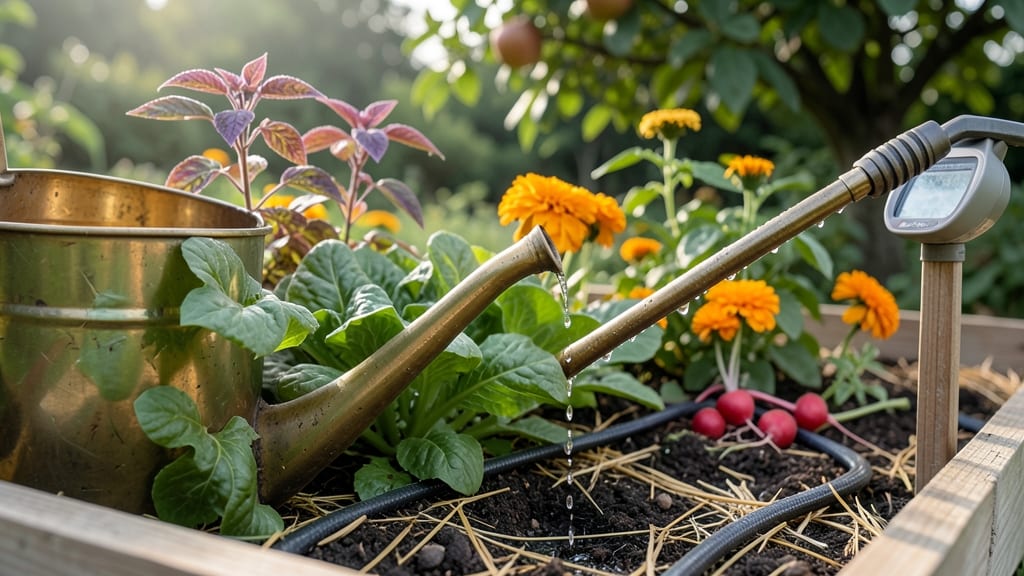
Watering your garden bed properly is the key to keeping plants thriving without wasting a drop—especially when drought or busy schedules threaten your green space.
Picture this: you step outside to find your garden bed wilting under the afternoon sun, even though you watered it just yesterday. The problem isn’t just how much you water—it’s when and how you do it that makes all the difference.
Smart watering timers solve this by automating deep, consistent soaks at the optimal time—before the heat evaporates moisture or fungi take over. Whether you’re dealing with clay soil that drains too fast or sandy soil that dries out overnight, these systems adapt to your garden’s needs.
In this guide, I’ll break down the best timers for your zone, how to set them up for maximum efficiency, and the signs your garden bed is getting too much—or too little—water. No more guesswork, just lush, drought-smart plants.


How smart watering timers automate garden bed irrigation
If you've ever struggled to remember when to water your garden beds or wasted water from inconsistent schedules, a smart watering timer could be your solution.
These devices automate irrigation based on plant needs, soil conditions, and even local weather—saving you time and cutting water use by up to 30%. Whether you're growing drought-resistant succulents or thirsty vegetables, smart timers adapt to your garden's unique requirements without the guesswork.
Most systems combine programmable timers, soil moisture sensors, and weather-based adjustments to deliver precise hydration. For example, a timer set for deep-watering cycles in the early morning ensures roots absorb moisture efficiently while minimizing evaporation.
Some advanced models even pause watering during rain or high humidity, preventing overwatering and root rot.
Let’s break down how these systems work and which features matter most for your garden bed setup—whether you’re a busy homeowner or a dedicated gardener with limited time.
🔹 Comparison Table: Smart Watering Systems for Garden Beds
| Feature | Basic Timer | Soil Sensor Timer | Weather-Based Timer |
|---|---|---|---|
| Programmable Schedules | Yes (manual) | Yes (adjustable) | Yes (auto-adjusts) |
| Soil Moisture Detection | No | Yes (1-3 sensors) | Optional add-on |
| Weather Adjustments | No | No | Yes (Wi-Fi/forecast) |
| Deep Watering Cycles | Limited | Yes (customizable) | Yes (auto-optimized) |
| Battery/Solar Option | No (AC-powered) | Yes (battery) | Yes (solar/battery) |
| Best For | Simple gardens | Drought-prone plants | Smart home integration |
For programmable timers, you set fixed schedules (e.g., every morning at 6 AM for 10 minutes), which works well for container gardens or plants with consistent needs like herbs or lettuce.
However, they lack adaptability for changing weather or soil conditions, which is where soil sensor timers shine.
Soil sensor timers monitor moisture levels in real-time and adjust watering automatically. For instance, if your tomatoes need deeper watering during a heatwave, the sensor detects dry soil and extends the cycle.
This is ideal for vegetable gardens or perennial beds where water needs fluctuate. Pair this with a mulch layer to retain moisture and reduce evaporation.
Top-tier systems use weather-based adjustments, pulling data from local forecasts to skip watering during rain or adjust for high humidity. Models like the Rachio 3 or Orbit B-Hyve sync with apps to let you control schedules remotely.
This is a game-changer for large garden beds or remote irrigation zones, where manual checks aren’t practical.
To maximize efficiency, pair your smart timer with drip irrigation or soaker hoses, which deliver water directly to roots and reduce waste. Avoid overhead sprinklers, which can lead to fungal issues and evaporation.
For drought-resistant plants like lavender or rosemary, set shorter cycles (e.g., 5 minutes every other day) and monitor soil moisture closely.
Installation is straightforward: bury soil sensors 2-3 inches deep in your garden bed, connect hoses or emitters to the timer, and program schedules via the device or app. Most systems include frost protection to shut off watering when temperatures drop below freezing, safeguarding your plants in winter.
With a smart timer, you’ll spend less time hauling hoses and more time enjoying your thriving garden. Plus, the water savings add up—imagine reducing your monthly usage by 20-30 gallons without sacrificing plant health.
Start with a basic model if you’re new to automation, then upgrade to a sensor-based system as your garden grows.
💧
Best smart timers for drought-resistant plants by climate zone
Choosing the right smart watering timer depends on your climate zone and the specific needs of your drought-resistant plants. In arid regions, you’ll need timers with deep-watering cycles to penetrate dry soil, while temperate zones benefit from frost protection features.
Tropical climates require humidity-resistant models with adjustable frequency to prevent fungal growth. Let’s explore top options tailored to each zone.
For USDA Zones 1-7 (arid/semi-arid climates), prioritize timers with battery-powered operation for remote garden beds and rain delay sensors to avoid overwatering. In Zones 8-11 (tropical/subtropical), look for Wi-Fi-enabled models that sync with weather apps to adjust watering dynamically.
Each climate demands a different approach—let’s dive into the best tools for your garden.
My top pick for arid zones is the Orbit B-Hyve, which offers 6 independent stations and adjustable watering depths up to 60 minutes per cycle. Its 12V battery pack ensures reliability in off-grid areas, and the rain delay sensor prevents waste during unexpected showers.
For temperate climates, the Rachio 3 stands out with Wi-Fi control, frost protection, and compatibility with Amazon Alexa—perfect for integrating with smart home systems.
In tropical zones, the Blossom Smart Sprinkler Controller excels with humidity-resistant materials and real-time weather adjustments. Its solar panel option extends battery life, while the app-based scheduling lets you monitor water usage remotely.
All three models share a common feature: customizable watering programs to match your plants’ specific needs, from succulents to native grasses. This flexibility ensures your drought-resistant garden thrives without guesswork.
When selecting a timer, consider battery life for remote beds and solar compatibility if you’re off-grid. For container gardens, opt for portable timers with USB charging—like the DIG Corporation Watering Timer—to avoid hardwiring.
Always test your timer’s flow rate against your garden’s soil type to avoid runoff or under-watering. A quick soil moisture check before programming will refine your settings for peak efficiency.
Pro tip: Pair your timer with mulch to retain moisture longer and reduce evaporation. For newly planted drought-resistant species like lavender or yucca, start with shorter cycles (10-15 minutes) and gradually increase as roots establish.
Smart timers eliminate the guesswork, but seasonal tweaks—like reducing water in winter—keep your system perfectly tuned. With the right tool, your garden beds will stay lush and resilient, even in the driest conditions. 🌱