
Mower
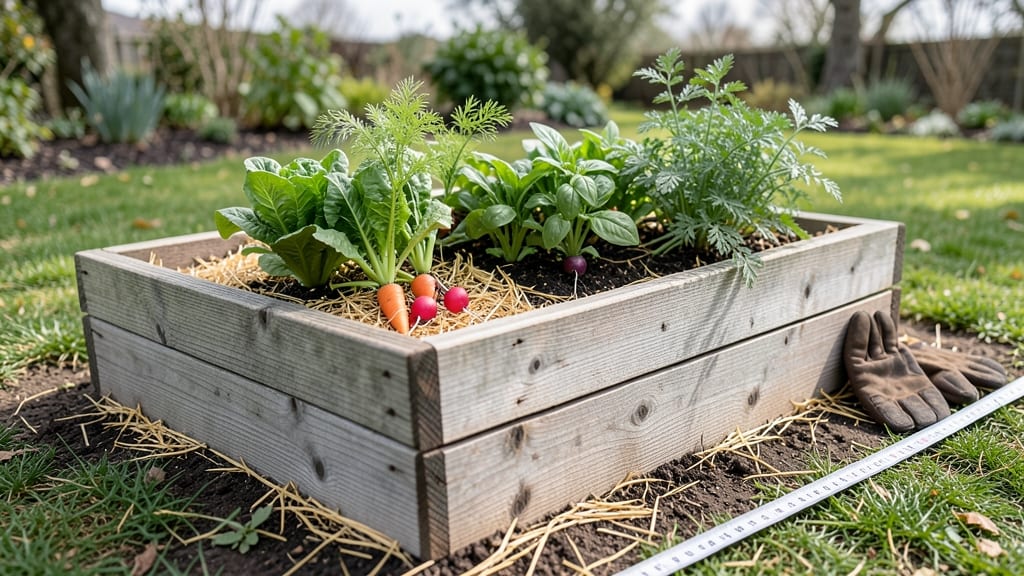
The ideal raised bed size determines whether you're growing a thriving harvest or just pretty plants. 🌱 The right dimensions balance space efficiency, plant health, and your ability to actually reach the middle without stretching like a yoga master.
A 4×8-foot bed is the sweet spot for most gardeners—big enough for serious production but small enough to maintain without back pain. Smaller beds (3×6 feet) work for herbs or starter plants, while larger ones (8×12 feet) suit intensive planting but require teamwork to fill with soil.
The key is 12–18 inches of soil depth for root development and easy access. You'll end up with plants that grow faster, fewer weeds to pull, and a garden layout that actually fits your yard. The right size also means less soil compaction and better drainage—critical for root health.
Think of it as the foundation for a garden that works as hard as you do. Customize based on your goals: intensive planting needs narrower beds (4 feet wide max), while aesthetic gardens can stretch wider.
Just remember—no bed should be more than 4 feet wide unless you want to turn gardening into a workout. Let's find your perfect fit!
📚 In This Guide
- What you need
- Instructions
- Tips and common mistakes
- Wrapping up and next steps
What you need
- ● Lumber: Untreated cedar, redwood, or pressure-treated pine (avoid chemically treated wood for edible gardens). For 4’x8’ beds: 8 pieces of 2x12 lumber (8’ long) or 4 pieces of 2x6 lumber (8’ long) + 4 pieces of 2x12 lumber (4’ long) (or equivalent for corner posts).
- ● For 2’x6’ beds: 4 pieces of 2x6 lumber (6’ long) + 4 pieces of 2x6 lumber (2’ long).
- ● Corner brackets or screws: Galvanized or stainless steel (4–8 pieces, depending on design).
- ○ Landscape fabric: Optional but recommended for weed suppression (1 roll, ~10’x25’).
- ● Soil: High-quality mix of topsoil, compost, and peat moss (quantity depends on bed depth; ~1–2 cubic yards for a 4’x8’x12” bed).
- ○ Hardware cloth (optional): For pest protection (cut to bed dimensions).
- ● Circular saw or handsaw
- ● Drill + driver bit set
- ● Measuring tape
- ● Level (to ensure even placement)
- ● Staple gun (for landscape fabric)
- ● Wheelbarrow or shovel (for soil)
- ● Work gloves + safety glasses
- ● Flat, level ground (remove rocks/weeds).
- ● Sunlight assessment: 6+ hours of direct sun for most veggies.
- ● Access to water (hose or drip irrigation nearby).
- ○ Optional: Permit check for local regulations (some areas require approval for raised beds).
How to choose the perfect raised bed size for your garden
Here’s the no-fuss guide to picking dimensions that work for your space, plants, and back.
📏 Step 1: Determine Your Space and Accessibility Needs
Start by measuring your available area. A 4-foot-wide raised bed is ideal because it lets you reach the center without stepping inside—no more compacted soil or weeds from trampling. If you’re working alone, 3 feet is manageable, but you’ll sacrifice some growing space. For larger gardens, 8-foot-long beds strike a balance between yield and ease of maintenance.
Check your layout too. If the bed runs against a fence or wall, you’ll need at least 18 inches of clearance on the opposite side for tools and wheelbarrows. I always sketch a rough outline first—it saves time and frustration later. And remember: wider beds require more soil, so factor in how much you’re willing to haul.
🌱 Step 2: Match Bed Dimensions to Your Plants
Vegetables like tomatoes, peppers, and bush beans thrive in deep beds (12-18 inches) because their roots need room to spread. Leafy greens and herbs, though, do fine in 6-10 inches of soil. If you’re growing tall plants like corn or sunflowers, plan for at least 4 feet of width so they don’t shade out shorter crops.
For a 4-foot-by-8-foot bed, you’ll get about 25 square feet of growing space—enough for a family of four. Arrange plants in rows or blocks based on their mature size. For example, place tall plants like trellised cucumbers on the north side to avoid shading shorter crops. I like to group plants with similar watering needs together to simplify care.
🪴 Step 3: Calculate Soil and Material Requirements
Standard raised beds need 1 cubic foot of soil per square foot of bed area. A 4x8-foot bed requires 25 cubic feet of soil—that’s roughly 10 bags of pre-mixed raised bed soil (each bag is about 2.5 cubic feet). If you’re building from scratch, factor in lumber (cedar or redwood lasts longest) and hardware like screws or corner brackets.
Don’t skimp on depth. A minimum of 10 inches works for most plants, but 12-18 inches is better for root crops like carrots or potatoes. I’ve seen beginners use too-shallow beds and end up with stunted plants. Pro tip: If your bed is deeper than 12 inches, add a layer of cardboard or landscape fabric at the bottom to prevent weeds from creeping up from the ground.
✂️ Step 4: Plan for Long-Term Maintenance and Expansion
Leave 2-3 feet of walking space between beds for easy access and airflow. If you’re short on space, consider narrower beds (3 feet wide) with more length—they’re easier to maintain and reduce soil compaction. For raised beds over 8 feet long, add a center path or bridge to avoid stepping in the soil.
Think ahead about future crops. If you’re rotating plants yearly, you’ll need enough space to accommodate different layouts. I like to build beds in modular sections (4x4 feet) so I can expand as needed. And always account for drainage: if your yard has poor drainage, add a layer of gravel or sand at the bottom to prevent waterlogging.
⏰ Step 5: Test and Adjust Over Time
After your first growing season, take notes on what worked and what didn’t. Did plants get too crowded? Were some areas hard to reach? Adjust next year’s layout based on your observations. I’ve found that adding trellises for vining plants (like beans or cucumbers) can double your yield without taking up extra space.
Don’t forget to check soil moisture and plant health regularly. If you notice uneven growth, it might mean your bed isn’t getting enough sun or water. A 4-foot bed in full sun gets 6-8 hours of light daily, but if it’s shaded by trees or buildings, you may need to adjust plant choices. The key is flexibility—your ideal raised bed size might evolve as your garden does.
Tips & tricks for perfect raised bed dimensions
Here's what nobody tells you—these small adjustments can make all the difference in your garden's success.
Accessibility Matters: In Step 1, when measuring your space, add 6 extra inches to your width calculation if you're working with a partner. Two people can comfortably reach across a 4-foot-6-inch bed without crowding, making planting and harvesting a breeze. I learned this the hard way after struggling with a 4-foot bed that was just too tight for two people to work together.
Depth is Everything: For root crops like carrots and potatoes mentioned in Step 3, aim for 18 inches of depth if possible. The extra 6 inches beyond the minimum 12 inches gives roots room to grow without hitting the bottom of the bed. I've seen carrots grow beautifully in 12-inch beds, but the larger ones always seem to hit the bottom and get stunted. That extra depth makes all the difference for those ambitious harvests.
Sunlight Strategy: The 6-8 hours of sunlight mentioned in Step 5 is ideal, but here's what to watch for: if your bed gets afternoon shade from a tree, place sun-loving plants like tomatoes on the east side of the bed where they'll get morning sun. Leafy greens can handle more shade, so position them on the west side. This simple arrangement can double your yield from the same space.
Modular Building: When building your 4x8-foot bed as mentioned in Step 4, consider constructing it in two 4x4-foot sections instead of one long bed. This gives you the same growing space but with easier access to the center of each section. I've found that working with smaller sections reduces soil compaction and makes maintenance much simpler, especially for larger gardens.
Pro Tips for Ideal Raised Bed Size
- Here's what nobody tells you—these small adjustments can make all the difference in your garden's success.
- Accessibility Matters: In Step 1, when measuring your space, add 6 extra inches to your width calculation if you're w...
- Depth is Everything: For root crops like carrots and potatoes mentioned in Step 3, aim for 18 inches of depth if poss...
Frequently asked questions
Got questions about finding the ideal raised bed size for your garden? You’re not alone! Here are some of the most common queries—and their practical answers—to help you plan like a pro.
What’s the best raised bed size for beginners?
A 4’ x 8’ raised bed is the gold standard for beginners! It’s large enough for diverse planting (veggies, herbs, flowers) but small enough to manage easily. Plus, it fits most garden tools and wheelbarrows—no awkward stretching required. Start here, then expand as you gain confidence!
Can I grow everything in a small raised bed?
but with smart planning! Opt for compact or vertical crops like bush beans, lettuce, or cherry tomatoes. Use trellises for vining plants (e.g., cucumbers, peas) to save space. Just avoid sprawling plants like pumpkins unless you’re okay with them trailing over the edges.
How deep should my raised bed be for root crops?
For root vegetables like carrots or potatoes, aim for 12–18 inches deep. Shallots and beets need at least 10–12 inches. If your bed is shallower (6–8 inches), stick to leafy greens, herbs, or shallow-rooted plants like radishes. Pro tip: Layer compost into deeper beds to boost fertility!
Are there cost-effective alternatives to standard raised bed sizes?
Yes! Skip the 4’ x 8’ if it’s too pricey—try 2’ x 6’ or 3’ x 6’ beds (still easy to reach the center). Use repurposed materials (cinder blocks, pallets, or old lumber) to cut costs. Just ensure the width is no more than 4 feet so you can reach the middle without stepping in.
How does raised bed size affect winter planting?
Smaller beds (2’ x 4’ or less) warm up faster in spring and retain heat better in fall, giving you a longer growing season. Larger beds may need row covers or cold frames for early/late crops. Bonus: Raised beds drain well, reducing frost heave risks compared to in-ground plots.
Wrapping up and next steps
Finding the ideal raised bed size is all about balancing space, accessibility, and plant health—whether you’re a seasoned gardener or just starting out! 🌱 The right dimensions (like our top pick of 4’ x 8’) ensure easy maintenance, optimal sunlight exposure, and room for your favorite veggies, herbs, or flowers.
Remember, soil quality, drainage, and your unique garden layout play just as big a role as size.
Now that you’re armed with the perfect measurements, it’s time to roll up your sleeves and build or upgrade your raised bed. Start by sketching your design, gathering supplies, and—most importantly—enjoy the process! Happy gardening! 🌿