
Fertilization
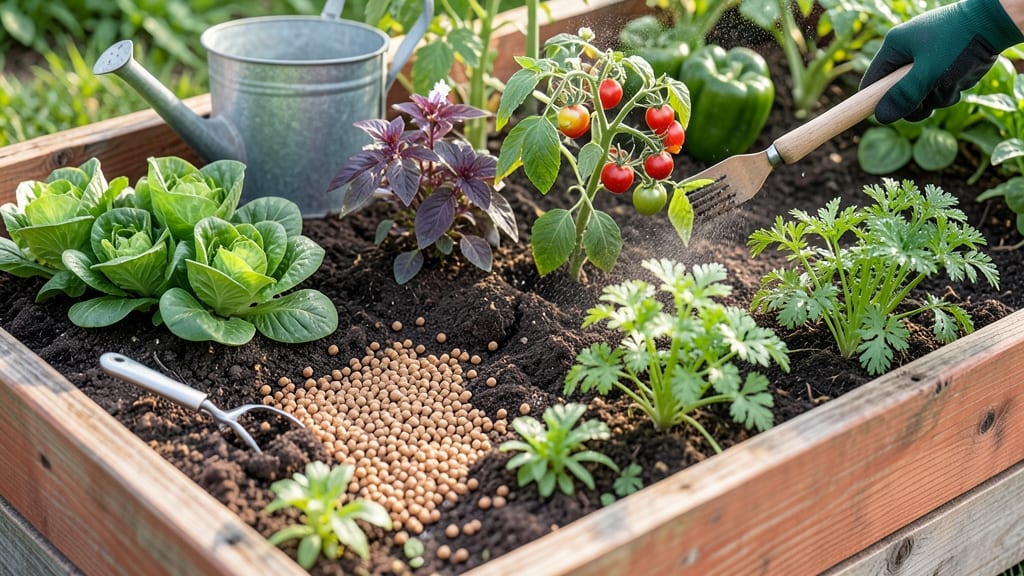
Miracle Gro raised bed plant food is the game-changer for gardeners who want fast, lush vegetables without the guesswork.
Picture this: you’ve spent weeks preparing your raised beds, only to watch seedlings struggle or plants wilt under the pressure of poor soil. That’s where Miracle Gro steps in—packed with nitrogen for rapid growth, it’s designed to turn lackluster beds into thriving gardens in just a few weeks.
But here’s the catch: using it wrong can burn roots or flood your soil with excess nutrients. I’ll show you the exact timing, rates, and plant types that make this fertilizer work its magic—whether you’re growing leafy greens, tomatoes, or herbs.
By the end, you’ll know how to feed your raised bed vegetables for bigger harvests without overdoing it, plus whether it’s the right choice for your garden’s needs.


How Miracle Gro raised bed plant food boosts vegetable growth with high nitrogen
If you’ve ever struggled to coax vibrant growth from your raised bed vegetables, you’re not alone. Many gardeners discover that even nutrient-rich soil can benefit from a nitrogen boost—especially during the critical early stages.
Miracle Gro Raised Bed Plant Food delivers exactly that with its high-nitrogen formula, designed to fuel rapid leaf development and robust root systems. But what makes this fertilizer different from your standard garden mix, and why do raised beds respond so well to its fast-release nutrients?
The secret lies in its NPK ratio (10-10-10), where nitrogen (the first number) powers lush foliage and vigorous growth. Unlike slow-release organic options, Miracle Gro’s formula provides an immediate nutrient surge that’s perfect for seedlings and young plants struggling to establish themselves.
This isn’t just hype—it’s science-backed nutrition tailored for the controlled environment of raised beds, where soil can dry out faster and nutrients leach away more quickly than in-ground plots.
Raised beds thrive with Miracle Gro because their limited soil volume demands concentrated nutrients. The formula’s water-soluble granules dissolve quickly, ensuring plants get nutrients when they need them most—whether it’s during germination or the exponential growth phase of summer.
But how does this compare to organic alternatives, and when should you reach for Miracle Gro instead of compost or worm castings?
| Feature | Miracle Gro Raised Bed Plant Food | Organic Compost | Worm Castings |
|---|---|---|---|
| Nitrogen Release | Fast (immediate) | Slow (weeks to months) | Medium (2-4 weeks) |
| Best For | Seedlings, fast growth | Long-term soil health | Gentle nutrient boost |
| NPK Ratio | 10-10-10 | Varies (high organic matter) | Low NPK (1-2-0) |
| Application Rate | 1 tbsp per plant | 2-3 inches top layer | 1 cup per 10 sq ft |
| Ideal Use Case | Raised beds, containers | In-ground gardens | Delicate plants, seedlings |
| Cost per Use | $ (Moderate) | $$ (Higher) | $$ (Higher) |
The 10-10-10 NPK ratio in Miracle Gro means equal parts nitrogen, phosphorus, and potassium, but the nitrogen component is what truly sets it apart for vegetable growth. Nitrogen is the building block of chlorophyll, the pigment that gives plants their green color and powers photosynthesis.
When your leafy greens like lettuce or spinach get enough nitrogen, they produce broader, healthier leaves—ideal for those crisp salads you’ve been dreaming of.
For fruiting plants like tomatoes and peppers, the nitrogen boost during early growth ensures strong stems and abundant foliage, which later supports heavier fruit loads.
However, too much nitrogen can delay fruiting, so it’s crucial to balance it with phosphorus (the second number) for root development and potassium (the third) for disease resistance. Miracle Gro’s formula strikes this balance, making it versatile for most raised bed vegetables.
One of the biggest advantages of Miracle Gro in raised beds is its fast-release nature. Unlike organic fertilizers that take weeks to break down, this product dissolves in water, giving plants an instant nutrient kick.
This is particularly useful in raised beds where soil can dry out quickly, and nutrients might otherwise get locked away. Think of it as a nutrient IV drip for your plants—especially valuable during hot summer months when growth demands peak.
But how much should you use? For most raised bed vegetables, the recommended rate is 1 tablespoon per plant when transplanting, followed by 1 tablespoon every 4-6 weeks during the growing season. For larger plants like tomatoes or peppers, you might need up to 2 tablespoons per plant.
Always water the soil thoroughly after applying to help the granules dissolve and distribute evenly. Over-application can lead to nutrient burn, so follow the instructions carefully.
If you’re comparing Miracle Gro to organic options like compost or worm castings, consider your gardening goals. Organic fertilizers improve soil structure over time and support long-term microbial life,
Step-by-step guide: when and how to use Miracle Gro for maximum harvests
Timing and technique are everything when using Miracle Gro raised bed plant food. This nitrogen-packed formula works best when applied at the right stages of plant growth. For pre-planting, mix the granules directly into the top 2-3 inches of soil 1-2 weeks before sowing seeds or transplanting seedlings.
This gives roots a nutrient boost from day one, especially for heavy feeders like tomatoes and peppers.
The key to success lies in understanding your plants' needs. Leafy greens like spinach and kale thrive with less nitrogen than fruiting plants, so cut the recommended dose by half. Meanwhile, tomatoes and peppers love that extra nitrogen push for robust foliage and bigger yields.
Always follow the label instructions as a starting point, then adjust based on your plants' responses.
⚠️ Miracle Gro Warning
Over-fertilizing with Miracle Gro can burn seedlings and cause leaf scorch. Never apply more than 1 tbsp per plant or 1 cup per 10 sq ft at once. For new seedlings, use half the dose and wait until they've developed 2-3 true leaves before applying. Always water thoroughly after application to help nutrients distribute evenly.
For mid-season feeding, switch to a liquid fertilizer version of Miracle Gro. Mix 1 tbsp per gallon of water and apply every 4-6 weeks during the growing season. This is perfect for established plants that need a quick nutrient boost, especially after heavy harvesting.
Always apply in the early morning to prevent leaf burn from the sun's intensity.
One common mistake I see is applying Miracle Gro too close to harvest time. Stop fertilizing 6-8 weeks before your first expected frost or when you plan to harvest. The last thing you want is nitrogen buildup in your produce.
For leafy greens, you can harvest as soon as they reach maturity, but for fruiting plants, wait until the plant's natural cycle signals readiness.
To avoid soil salt buildup, always water your raised beds thoroughly after fertilizing. This helps prevent root burn and ensures nutrients reach the root zone. For container gardens, reduce the dose by 25% since they have less soil volume.
And remember, organic matter like compost still plays a crucial role—think of Miracle Gro as a growth accelerator, not a replacement for healthy soil.
Pro tip: Keep a garden journal to track when and how much you apply. Note which plants respond best and adjust future applications accordingly. With the right timing and care, you'll see 30-50% larger harvests compared to unfertilized beds.
Just remember—less is often more when it comes to synthetic fertilizers like Miracle Gro.