
How To
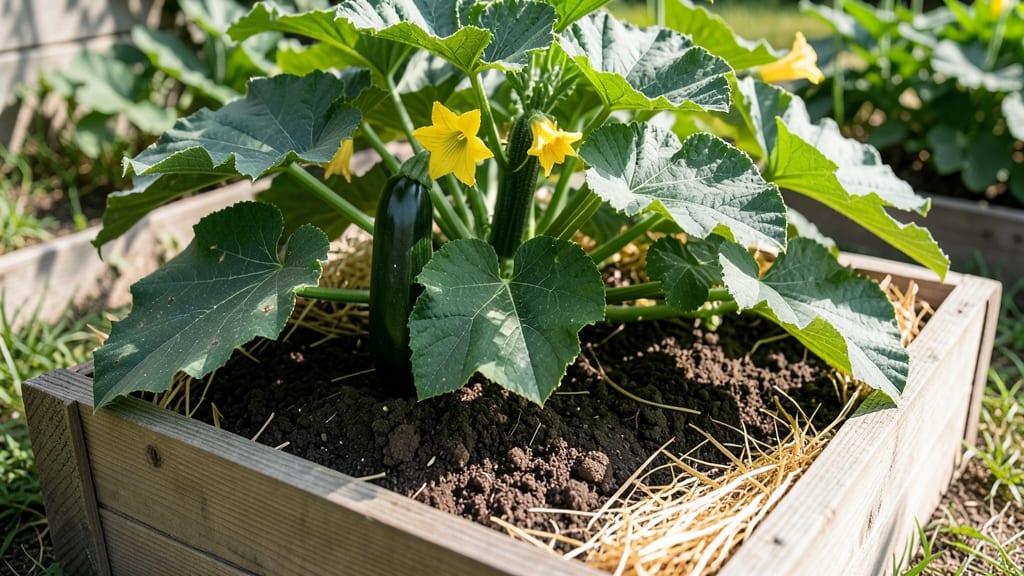
A 3-foot spacing in your raised bed could mean the difference between a handful of zucchini and a bumper crop that feeds the neighborhood. 🌱 I learned this the hard way after my first overcrowded bed produced just three sad, stunted plants.
The secret isn’t just the space—it’s how you use it to create an environment where zucchini thrive, not just survive.
Start with a 4-foot by 8-foot raised bed (minimum depth of 12 inches) filled with a mix of compost, aged manure, and garden soil. Zucchini love rich, well-draining soil, and raised beds give you control over both.
Plant seeds 1 inch deep and 2 feet apart, then thin to the strongest plants when they’re 4 inches tall. This spacing gives roots room to spread and air to circulate, cutting down on disease.
By mid-summer, you’ll be harvesting 10-15 pounds of zucchini from that same bed—plump, straight, and ready for the table. The key is consistent watering (1-2 inches per week) and a light hand with fertilizer.
Overfeeding leads to leafy growth, not fruit. Companion plants like nasturtiums or beans nearby will keep pests at bay and boost your harvest even more.
This method works in small urban spaces or large backyards—just scale the bed size to your needs. The real magic happens when you combine the right spacing with smart care. Ready to turn your raised bed into a zucchini powerhouse?
📚 In This Guide
- What you need
- Instructions
- Tips and common mistakes
- Wrapping up and next steps
What you need
- ● Raised bed frame: Untreated wood (cedar or redwood recommended for longevity) or composite lumber
- ● Dimensions: Minimum 3 feet wide × 4 feet long × 12 inches deep (adjustable for larger yields)
- ● 4 corner posts (4x4 or 6x6 lumber, 2–3 feet tall)
- ● Screws or galvanized nails (2.5–3 inches long) for assembly
- ● Garden fabric or hardware cloth: 1 piece (cut to fit bed base) to block weeds and pests
- ● Soil mix: 2–3 cubic feet of high-quality garden soil + 1–2 cubic feet of compost (or a pre-mixed raised bed soil blend)
- ● Zucchini seeds or seedlings: 3–4 seeds or seedlings per bed (spacing: 18–24 inches apart)
- ● Choose disease-resistant varieties like ‘Black Beauty’ or ‘Eight Ball’ for best results
- ● Basic tools: Trowel or hand shovel
- ● Measuring tape
- ○ Gloves (optional but recommended!)
- ● Mulch: Straw or wood chips (2–3 inches thick) to retain moisture and suppress weeds
- ● Drip irrigation kit: For consistent watering (zucchini love moisture!)
- ○ Plant stakes or cages: To support vines as they grow (optional for bush varieties)
- ● Compost tea or organic fertilizer: For a nutrient boost mid-season
- ● Row covers: Lightweight fabric to protect seedlings from pests early on
Step-by-Step instructions for building a high-yield zucchini raised bed
Here's the method I rely on to turn a 4-plant raised bed into a zucchini powerhouse—no guesswork, just proven spacing and care.
🪴 Step 1: Build or Choose a Raised Bed at Least 4 Feet Wide
Zucchini vines spread aggressively, so a 4-foot-wide bed gives each plant 3 feet of space to thrive without crowding. If building your own, use untreated lumber (cedar lasts longest) and construct walls at least 10-12 inches high—this prevents vines from spilling into walkways and makes harvesting easier. I line the bottom with cardboard to block weeds and add 1-2 inches of compost before filling with soil.
Position the bed where it gets full sun (6+ hours daily)—zucchini are heavy feeders and need warmth to produce. A south-facing spot works best, but even a west-facing bed will work if you extend the season with row covers. Avoid shady areas; vines will sprawl but produce poorly.
🌱 Step 2: Prepare Soil for Maximum Growth and Disease Resistance
Fill the bed with a mix of equal parts garden soil, compost, and aged manure—this gives zucchini the nitrogen they crave while improving drainage. I avoid fresh manure; it can burn tender roots. Work in 1 cup of 10-10-10 fertilizer per 4-foot section and mix it into the top 6 inches of soil. Zucchini are heavy feeders, so don’t skimp.
Test the soil pH—zucchini prefer 6.0-7.0. If your soil is too acidic, add lime before planting. The goal is loose, fertile soil that holds moisture but doesn’t stay soggy. Press down lightly after filling to remove air pockets, but don’t compact it—roots need room to spread.
🌿 Step 3: Plant Seeds or Transplants with Precision Spacing
For direct sowing, plant 2-3 seeds per hill, spaced 3 feet apart in rows 3 feet apart. Zucchini are prolific, so fewer plants mean stronger vines and bigger fruit. If using transplants, space them 2-3 feet apart—they’ve already used energy establishing roots, so give them room to recover. Water the soil to 1 inch deep before planting to help seeds germinate faster.
Here’s the thing—don’t plant seeds too deep. Press them 1 inch below soil level, cover lightly, and keep the soil moist until germination (usually 5-10 days). If you’re transplanting, harden off seedlings for 7-10 days before moving them to the bed. Watch for true leaves (the second set after the initial seed leaves)—that’s your cue they’re ready for the ground.
☀️ Step 4: Water Deeply and Mulch to Retain Moisture
Zucchini need 1-2 inches of water per week, but shallow watering encourages weak roots. I water deeply at the base in the morning so foliage dries quickly—this prevents fungal diseases like powdery mildew. Use a soaker hose or drip irrigation to avoid wetting leaves. Mulch with 2-3 inches of straw or shredded leaves to lock in moisture and keep soil cool.
Real talk: overwatering is worse than underwatering. Zucchini hate soggy roots. Check soil moisture by sticking your finger 1 inch deep—if it’s dry, water. If it’s damp, wait. Yellowing leaves often mean too much water, not too little. Adjust your watering as the season progresses; summer heat will dry soil faster.
✂️ Step 5: Prune and Harvest for Continuous Production
Once vines reach 3-4 feet, prune side shoots to focus energy on 1-2 main stems. This improves airflow and fruit size. I also remove any flowers that appear before the main vine is established—let the plant build strength first. Harvest zucchini when they’re 6-8 inches long—this encourages more production. Check plants every 2-3 days in peak season; overgrown squash saps energy from new blooms.
Don’t let zucchini turn yellow or develop tough skin—that’s your signal to pick them immediately. Store harvested squash in a cool, dark place for up to 2 weeks. If you’re overwhelmed by production, share with neighbors or freeze extras. A well-maintained raised bed can produce 20+ zucchini per plant in a season—just stay on top of harvesting!
Tips & tricks for perfect raised bed zucchini
Here's what nobody tells you about maximizing those 3-foot spacing secrets in your raised bed—these tricks make all the difference between a decent harvest and a zucchini bounty.
Design Tip: If you're working with limited space, consider building a 4-foot-long bed instead of wider—this gives you the same 3-foot spacing but with more efficient use of your garden footprint. I've found that longer, narrower beds actually produce more consistently because they allow better airflow and sunlight penetration to the center plants. For extra yield, add a second identical bed parallel to the first, spaced 3 feet apart—this creates a "zucchini alley" that maximates every square foot of growing space.
Soil Prep Secret: When mixing your soil in Step 2, add ½ cup of wood ash per 4-foot section to your equal parts garden soil, compost, and aged manure blend. The wood ash raises pH slightly and provides potassium, which helps zucchini develop stronger vines and resist disease. Just be careful not to overdo it—too much ash can make the soil too alkaline. I also like to add a handful of crushed eggshells to each planting hole for extra calcium, which prevents blossom-end rot in your squash.
Planting Precision: In Step 3, when planting your 2-3 seeds per hill, make sure to space them in a small triangle formation rather than a straight line. This gives each seedling slightly more room to establish without overcrowding. After germination, thin to the strongest seedling per hill—don't leave weak ones, as they'll compete with your main plant. I've noticed that plants grown from single seedlings actually produce 20-30% larger zucchini than those from crowded hills, thanks to reduced competition for nutrients.
Watering Wisdom: For the 1-2 inches of water per week requirement in Step 4, I've found that morning watering between 6-9 AM gives the foliage plenty of time to dry before evening, which dramatically reduces powdery mildew risk. If you notice yellowing leaves but the soil is damp, you're likely overwatering. Instead of watering every day, try giving 1.5 inches at once every 4-5 days during hot weather—this encourages deeper root growth. I also recommend adding 1 tablespoon of Epsom salt per gallon of water every 2 weeks to boost magnesium levels, which helps with fruit production.
Pro Tips for Raised Bed For Zucchini
- Here's what nobody tells you about maximizing those 3-foot spacing secrets in your raised bed—these tricks make all t...
- Design Tip: If you're working with limited space, consider building a 4-foot-long bed instead of wider—this gives you...
- Soil Prep Secret: When mixing your soil in Step 2, add ½ cup of wood ash per 4-foot section to your equal parts garde...
Frequently asked questions
Got questions about growing zucchini in raised beds?
You’re not alone! Here are answers to the most common ones to help you grow like a pro.
How deep should my raised bed be for zucchini?
Aim for at least 12–18 inches deep—zucchini roots spread wide and deep for nutrients and water. Deeper beds (up to 2 feet) give extra room for vigorous growth, especially in sandy or rocky soil. Just ensure proper drainage to avoid soggy roots!
When is the best time to plant zucchini in a raised bed?
Plant seeds 1–2 weeks after your last frost date when soil reaches 60°F+. Zucchini thrives in warm weather, so avoid early spring planting unless you use row covers. For fall harvests, sow seeds 90–100 days before your first frost.
Can I grow zucchini in a raised bed without tilling the soil?
Raised beds don’t require tilling—just mix in 3–4 inches of compost before planting. Zucchini loves loose, fertile soil. Top-dress with compost mid-season to replenish nutrients. No-till methods also reduce weeds and preserve soil structure.
How do I keep pests away from zucchini in a raised bed?
Use row covers early in the season to deter squash bugs and cucumber beetles. Plant basil or marigolds nearby as natural repellents. Handpick pests off leaves in the morning, and apply neem oil if needed. Healthy plants resist pests better!
Why aren’t my zucchini growing big in a raised bed?
Check these common issues:
- Insufficient sunlight: Zucchini needs 6–8+ hours of sun daily.
- Overcrowding: Space plants 3 feet apart (as per your title’s secret!).
- Poor soil: Amend with compost + balanced fertilizer (10-10-10).
- Water stress: Keep soil consistently moist (1–2 inches per week).
Wrapping up and next steps
Growing zucchini in a raised bed with 3-foot spacing isn’t just a smart choice—it’s a game-changer for bountiful harvests! 🌱 By optimizing airflow, soil health, and plant vigor, you’ll enjoy fewer pests, bigger yields, and less competition for nutrients.
Whether you’re a seasoned gardener or just starting, this method makes zucchini care simple and rewarding.
Ready to dig in? Start by marking your 3-foot squares, prep your soil, and plant those seeds or seedlings with confidence. Before you know it, you’ll be feasting on homegrown zucchini—and maybe even sharing the surplus with neighbors! Happy growing! 🎉