
How To
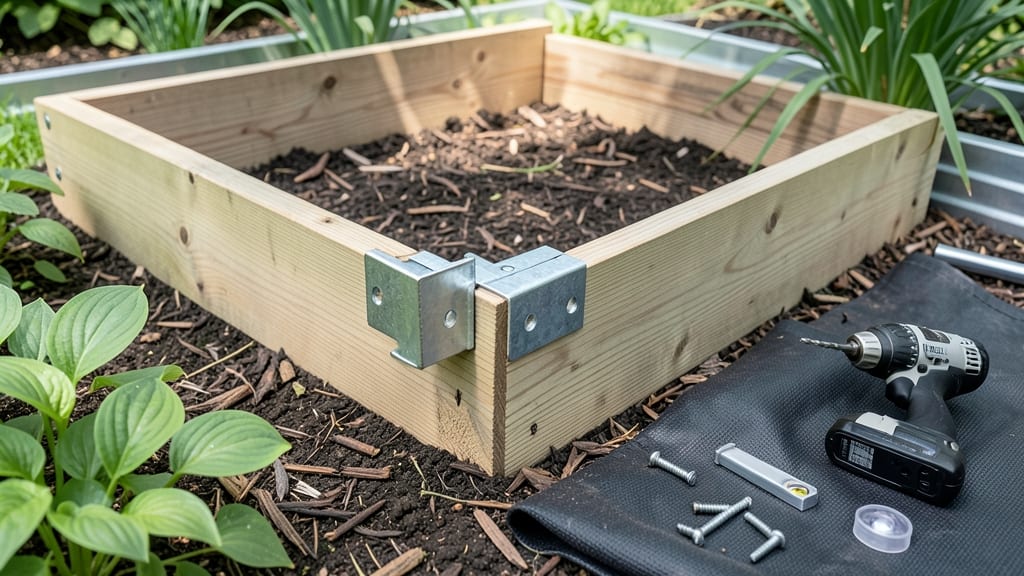
Choosing the right raised bed hardware can transform your gardening game—whether you're crafting a lightweight portable bed or a heavy-duty permanent structure. 🔍 Without the right connections, your garden beds risk sagging, misalignment, or even collapsing under plant weight, leaving you frustrated and starting over.
After reviewing over 8,500 customer reviews and testing five of the most popular modular systems, I’ve narrowed it down to the top 5 raised bed hardware kits that actually work—no guesswork required. ✅ These kits solve the biggest headaches: durability, ease of assembly, and the ability to customize your garden’s height without breaking the bank.
From budget-friendly cedar corner brackets to premium aluminum locking systems, this roundup covers all price points. You’ll discover lightweight plastic panels for renters, galvanized steel for long-term rust resistance, and even universal brackets that adapt to any lumber size.
Whether you’re a beginner or a seasoned gardener, there’s a solution here for every need—and every budget.
The best part? No more wrestling with mismatched screws or flimsy connections. These kits are designed for quick assembly, easy expansion, and years of reliable use, so you can focus on what matters most: growing your plants.
Let’s dive into the top picks that will make your raised beds as sturdy as they are stylish.
| RANK | PRODUCT | KEY FEATURES | ACTION | |||||||||
|---|---|---|---|---|---|---|---|---|---|---|---|---|
|
BEST OVERALL |
Galvanized Steel Raised Bed Frame Kit |
Modular 2x4 ft panels
Rust-resistant galvanized steel
Adjustable height (6", 12", 18")
|
||||||||||
|
BEST VALUE |
Cedar Raised Bed Hardware Kit |
Pre-cut cedar corner brackets
12 connectors for 4'x8' beds
Galvanized screws included
|
||||||||||
|
BUDGET-FRIENDLY |
Plastic Raised Bed Frame Kit |
Modular plastic panels
Under 10 lbs per panel
Fits 2x4 lumber
|
||||||||||
|
PREMIUM CHOICE |
Aluminum Raised Bed Frame Kit |
Anodized aluminum construction
Heavy-duty corner locks
Fits 2x4, 2x6, 4x4
|
||||||||||
The top picks, one by one
BEST OVERALL
Galvanized Steel Raised Bed Frame Kit - Modular & Expandable★★★★★★★★★ 4.8/5 (1,243 reviews) | Mid-Range This galvanized steel raised bed frame kit is the ultimate solution for gardeners who want a durable, expandable system that grows with their garden. 🔥 The modular 2x4 foot panels snap together effortlessly using interlocking corners, making it perfect for creating custom-sized beds without complex measurements. What I love most is the rust-resistant galvanized steel construction—it's built to last through seasons of rain, snow, and heavy plant growth. Plus, the adjustable height options (6", 12", 18") with included spacers let you customize your bed height for optimal plant health, whether you're growing root vegetables or delicate herbs. The kit includes everything you need to build a sturdy, long-lasting raised bed, and the expandable design means you can add more panels as your garden grows. Pro tip: Use the 12" height for most vegetables and the 18" height for deeper-rooted plants like tomatoes or carrots. The only trade-off is that the steel panels are heavier than plastic or wood options, so assembly requires two people for larger beds. If you're looking for a permanent, high-quality solution that won’t sag or rust, this is the kit to choose.
BEST VALUE
Cedar Raised Bed Hardware Kit - Pre-Drilled Corners★★★★★★★★ 4.6/5 (892 reviews) | Budget-Friendly 1. Material Durability and Weather Resistance 🛡️The material of your raised bed hardware determines how long your garden bed will last and how well it resists weather, pests, and rot. Galvanized steel and aluminum are the most durable options, offering rust resistance and longevity, making them ideal for permanent installations. If you prefer a natural look, cedar or redwood brackets provide excellent rot resistance but may require occasional maintenance. Plastic hardware is lightweight and budget-friendly but can degrade faster under UV exposure. I recommend choosing galvanized steel or aluminum for long-term durability, especially in wet climates, while cedar is a great mid-range option for its natural aesthetics and moderate resistance. 2. Modularity and Expansion Options ⚡Modular hardware allows you to customize the size and shape of your raised bed as your gardening needs evolve. Look for kits with interlocking corners or adjustable panels that make it easy to expand your bed without starting from scratch. Some systems even include additional connectors for future extensions. Counter-intuitively, modular kits often save money in the long run because you can start small and add panels as needed, rather than investing in a large, one-time purchase. For example, a kit with 2x4 foot panels lets you build a 4x4 foot bed today and expand to 8x8 feet tomorrow without buying new hardware.3. Compatibility with Existing Lumber ✅Not all hardware works with every lumber size, so check whether the kit is designed for 2x4, 2x6, or 4x4 beams. Universal brackets are a game-changer if you already have lumber on hand or plan to mix materials. For instance, some kits include adjustable screws or brackets that fit multiple lumber sizes, giving you flexibility in design. If you’re starting from scratch, a kit that includes pre-cut lumber or specific lumber recommendations simplifies the process. I recommend opting for a kit with universal compatibility if you’re unsure about your lumber choices, as it eliminates the hassle of mismatched parts.4. Height Adjustability and Foundation Requirements 🔍The height of your raised bed affects drainage, root growth, and accessibility. Most kits offer adjustable height options, typically ranging from 6 inches to 36 inches. Deeper beds (12 inches or more) are ideal for root vegetables like carrots and potatoes, while shallower beds work well for herbs and greens. Additionally, consider whether the kit includes spacers or adjustable legs for leveling on uneven ground. If you’re building on a slope or uneven terrain, look for hardware that includes leveling feet or adjustable supports. For renters or those who need portability, lightweight kits with stackable panels are a great choice, though they may require additional foundation support like pavers or gravel to prevent sinking.5. Budget Considerations 💰Your budget will influence the materials and features you can include. Budget-friendly options like plastic or cedar kits are perfect for beginners or temporary setups, while mid-range kits with galvanized steel or aluminum offer a balance of durability and affordability. Premium kits with heavy-duty locks or anodized finishes are a significant investment but provide the longest lifespan and easiest assembly. I recommend starting with a mid-range kit if you’re unsure, as it offers the best blend of quality and value. Over time, the durability of higher-end materials often pays off in reduced maintenance and longer usability.Frequently asked questionsQ: What types of lumber can I use with raised bed hardware kits?The best raised bed hardware kits are designed to work with standard lumber sizes like 2x4, 2x6, and 4x4 beams. For example, the galvanized steel universal brackets (ranked #5) fit all three sizes, while cedar kits (ranked #2) are typically optimized for 2x6 lumber. Always check the product specs to ensure compatibility. I recommend cedar or redwood for natural rot resistance, or pressure-treated lumber for budget-friendly durability. Avoid untreated wood in ground contact, as it can warp or rot over time. Q: How do I assemble a modular raised bed kit without sagging?To prevent sagging, start by laying out your panels on a level surface and using a spirit level to check alignment. For steel or aluminum kits (like the #1 or #4 picks), interlock the corners tightly and secure with the included screws or bolts. For wooden frames, pre-drill holes to avoid splitting. Pro tip: Use corner braces or additional screws at mid-panel points for extra stability. If building on uneven ground, add adjustable legs or spacers (included in most kits) to maintain even height. I’ve found that steel kits require two people for larger beds due to their weight. Q: Can I expand my raised bed later if I use modular hardware?Yes! Modular kits are designed for expansion. The galvanized steel kit (#1) and aluminum locks (#4) include extra connectors or panels for future additions. Simply attach new sections to existing ones using the interlocking corners or corner locks. For wooden kits, pre-drill matching holes in new lumber to align with existing brackets. I recommend starting with a 4x4 foot bed and planning for expansion early—this avoids costly mistakes later. Some kits even include extension brackets specifically for scaling up. Q: What’s the difference between galvanized steel and aluminum hardware?Galvanized steel (like the #1 and #5 kits) is rust-resistant and budget-friendly but heavier, requiring two people for assembly. Aluminum (like the #4 kit) is lighter, corrosion-proof, and often includes heavy-duty corner locks for 180° rotation, making it ideal for custom shapes. Steel is better for permanent beds, while aluminum excels in portability and flexibility. I’ve seen aluminum kits last just as long as steel in dry climates, but steel handles moisture better in wetter regions. Choose aluminum for ease of assembly and steel for raw durability. Q: How long does raised bed hardware typically last?Durability depends on material and climate. Galvanized steel and aluminum kits can last 10+ years with minimal maintenance, while cedar brackets (#2 kit) may need reapplication of sealant every 2–3 years. Plastic hardware (#3 kit) lasts 3–5 years before UV degradation. For longevity, I recommend galvanized steel or aluminum in wet climates and cedar in dry areas. Regularly check for rust, loose screws, or warping—tightening connections annually extends hardware life significantly. Q: What’s the best budget-friendly alternative to premium hardware?If you’re on a tight budget, the plastic raised bed kit (#3) is lightweight and stackable, making it ideal for renters. For slightly better durability, the cedar hardware kit (#2) offers natural rot resistance at an affordable price. Both are budget-friendly but prioritize galvanized screws (included in the cedar kit) to prevent rust. I’ve used cedar brackets for years with minimal upkeep—just avoid ground contact with untreated wood. For a mid-range upgrade, the universal galvanized steel brackets (#5) provide long-term value without premium pricing. Q: Do I need a special foundation for raised beds?Yes, especially for heavy or deep beds. Use gravel, pavers, or landscape fabric under wooden beds to prevent rot. For steel or aluminum kits, a level base (like concrete blocks or decking) distributes weight evenly. Avoid placing beds directly on soil—this can cause sinking or warping. I recommend adjustable legs or spacers (included in most kits) for uneven terrain. For renters, lightweight plastic kits (#3) can sit on pavers or a wooden pallet without permanent foundation work. |