
Planting
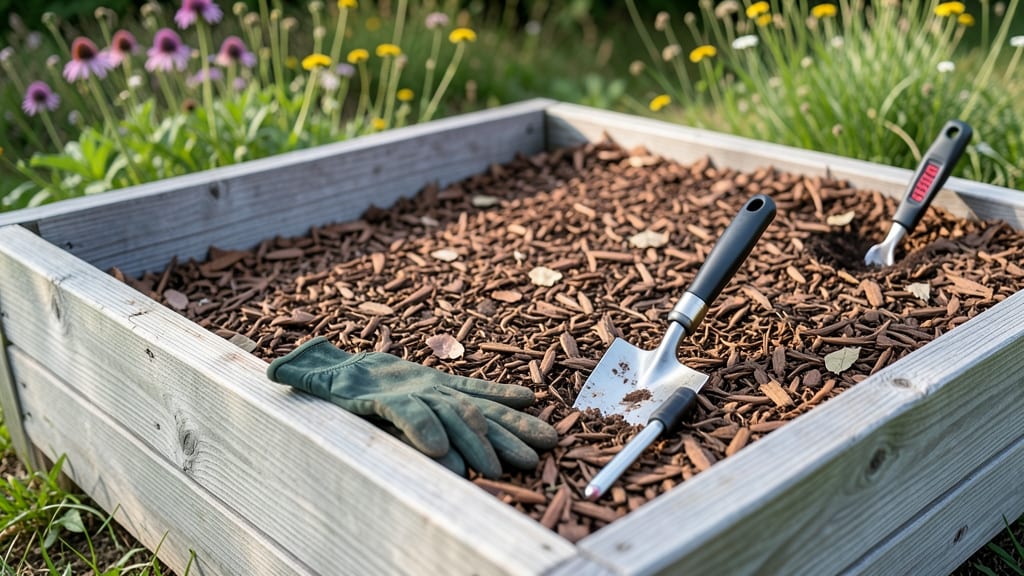
Your raised bed mulch layer is the secret weapon behind gardens that stay moist all season without a single weed in sight. 🌱 After years of battling dry soil and stubborn weeds, I perfected a mulching system that keeps my beds hydrated for months—no daily watering required.
The magic happens in the layers: start with 2-3 inches of coarse material (like wood chips) to prevent compaction, then add 3-4 inches of fine mulch (straw or shredded leaves). This combo traps moisture near roots while blocking sunlight that weeds need to sprout.
By summer's end, you'll have soil that stays damp to the touch and plants that thrive without stress. The mulch also breaks down slowly, feeding your soil as it works—no extra amendments needed. Works for vegetables, flowers, or herbs in any raised bed setup.
Here's exactly how to layer it right the first time.
The Hidden Triggers Behind Mulch Failures
Mulch layering in raised beds is a gardener’s secret weapon—until it isn’t. When moisture retention stalls or weeds stage a comeback, it’s usually because one (or more) of these underlying causes is sabotaging your efforts.
Understanding the science behind these issues helps you fix them fast and keep your garden thriving.
Mulch works by blocking evaporation and regulating soil temperature, but if there’s a physical or biological barrier between the mulch and the soil, its effectiveness plummets. Here’s why:
- Compaction or Crusting: Heavy foot traffic, rain, or even improper bed construction can create a hardpan layer just below the surface. Mulch sits on top like a blanket over a concrete slab—water can’t penetrate, and roots suffocate. Test it: Gently press your thumb into the soil. If it resists, compaction is your culprit.
- Organic Debris Buildup: Old mulch, weeds, or plant residues decompose into a dense mat that repels water. This layer acts as a hydrophobic barrier, causing water to bead up and run off instead of soaking in. Fix it: Fluff the soil with a fork or till it lightly before reapplying mulch.
- Mulch Too Fine or Powdery: Wood chips that break down into sawdust or straw that turns to dust create a clogged pore space. Air and water can’t move through, leading to anaerobic conditions (yes, your soil can suffocate). Solution: Use chunkier mulch (1–3 inches in diameter) to maintain airflow.
Pro Tip: 💡 "Double-dig" your raised bed before mulching—loosen the top 6–8 inches of soil and mix in compost. This breaks up compaction and creates a sponge-like layer that mulch can bond with effectively.
Mulch is supposed to stabilize soil temperature, but when daytime heat or nighttime cold becomes extreme, it can backfire. Here’s how:
- Overheating in Summer: Dark mulches (like black plastic or fine wood chips) absorb heat like a solar panel. If temperatures exceed 90°F (32°C), the soil beneath can bake, killing beneficial microbes and creating a moisture-locked crust. Sign: Wilting plants with crispy edges, even when watered.
- Freeze-Thaw Cycles in Winter: Wet mulch expands when frozen, then contracts as it thaws. This physically disrupts soil structure, creating air pockets that trap moisture—or worse, push mulch away from the soil entirely. Result: Mulch pulls away in clumps, leaving bare spots.
- Rapid Decomposition Heat: Fresh mulch (especially green waste or grass clippings) ferments, generating heat that can sterilize the soil*. Danger zone: Temperatures above 140°F (60°C) for prolonged periods. Fix: Let fresh mulch "cure" for 2–4 weeks before applying.
Actionable Fix: 🌡️ Monitor soil temps with a probe—ideal mulched soil stays between 60–85°F (15–29°C). In extreme climates, use a light-colored mulch (straw, pine needles) to reflect heat, or apply mulch in thin layers (2–3 inches) with gaps to allow airflow.
Not all mulch failures are visible. Tiny organisms—some helpful, some harmful—can turn your moisture-retention system into a disaster. Here’s what’s actively working against you:
| Culprit | How It Sabotages Mulch | Signs to Watch For |
|---|---|---|
| Fungus Gnats & Shore Flies | Lay eggs in overly moist mulch, hatching into larvae that consume organic matter and create air pockets, reducing water-holding capacity. | Adult flies hovering over mulch; mushy, discolored mulch with tiny holes. |
| Earthworm Overpopulation | While worms aerate soil, too many create tunnels that bypass mulch’s moisture barrier, letting water evaporate faster. | Excess castings on soil surface; mulch sinking unevenly into tunnels. |
| Slime Molds & Bacteria Blooms | Thrive in anaerobic conditions (low oxygen), producing hydrophobic byproducts that make mulch repel water. | Glossy, slimy film on mulch; water beading instead of absorbing. |
Defense Strategy: ✨ Balance is key—aim for 10–30% organic matter in your mulch mix (e.g., 70% wood chips + 30% straw). Avoid compacting mulch too tightly, and rotate mulch types seasonally to disrupt pest life cycles.
Mulch doesn’t add moisture—it preserves what’s already there. If your watering habits clash with mulch’s purpose, you’ll end up with either a dry desert or a soggy swamp. Common pitfalls:
- Infrequent, Deep Watering: Mulch slows evaporation, but if you only water every 2 weeks, the top layer dries out, creating a moisture gradient where roots can’t access water. Result: Plants wilt despite mulch being damp.
- Light, Frequent Sprinkling: Mimics rain, encouraging surface runoff instead of deep absorption. Mulch can’t compensate for poor infiltration. Fix: Water slowly and deeply (1–2 inches per session) to encourage roots to grow downward.
- Ignoring Mulch Thickness: Too thin (<1 inch), and it evaporates faster than it can protect. Too thick (>4 inches), and it blocks oxygen, suffocating roots. Sweet spot: 2–3 inches for most plants.
Quick Test: 🎯 Stick your finger 2 inches into the soil under mulch. If it’s dry, water deeply. If it’s soggy, let it dry out slightly before re-mulching.
Fixing Common Mulch Layer Problems
Mulch layers in raised beds are a gardener’s secret weapon for retaining moisture, suppressing weeds, and improving soil health—but they don’t always work as planned. If your mulch isn’t performing as expected, don’t worry!
Here’s how to diagnose and fix the most common issues, along with prevention tips to keep your raised bed thriving all season long.
Cause: Thin layers, organic mulches (like straw or wood chips) decomposing quickly, or frequent rain washing it away.
How to Fix It:
- 🍳 Add a Thicker Layer: Start with 4–6 inches of mulch (organic or inorganic) to slow decomposition. For organic mulches, mix in coarser materials (like pine needles or shredded bark) to extend their lifespan.
- 👨🍳 Layer Strategically: Place cardboard or landscape fabric under the mulch to block weeds and reduce erosion. Top with straw or leaves for extra insulation.
- 🌡️ Choose Long-Lasting Mulches: Switch to gravel, rubber mulch, or landscape fabric if organic options decompose too quickly in your climate.
Prevention Tips: ✔ Replenish mulch every 2–3 months, especially after heavy rains. ✔ Avoid over-tilling—disturbing the soil accelerates mulch breakdown.
Cause: Mulch layer too thin, gaps in coverage, or weed seeds already present in the soil.
How to Fix It:
- 🔪 Smother First: Lay down black plastic or thick cardboard before adding mulch to block sunlight (weeds need it to grow!).
- 🌿 Use Dense Mulch: Opt for straw, wood chips, or pine straw—these create a tighter barrier than loose materials like grass clippings.
- 🎯 Hand-Pull Early: If weeds appear, remove them before they seed to prevent future growth.
Prevention Tips: ✔ Solarize the bed (cover with clear plastic for 4–6 weeks in summer) to kill weed seeds before mulching. ✔ Keep mulch 2–3 inches deep—thicker layers suppress weeds better.
Cause: Too much sun exposure, mulch drying out, or poor soil structure underneath.
How to Fix It:
- 🥘 Adjust Mulch Type: Use moisture-retaining mulches like straw, wood chips, or compost (avoid gravel or rocks, which drain water).
- 🌧️ Water Deeply & Infrequently: Soak the soil 1–2 times per week (depending on climate) to encourage deep root growth.
- ✨ Add a Soil Moisture Layer: Mix hydrogel crystals or coconut coir into the topsoil before mulching for extra water retention.
Prevention Tips: ✔ Mulch after watering to lock in moisture. ✔ Check soil moisture weekly—if the top inch is dry, it’s time to water.
Cause: Damp mulch invites slugs, fungi, or bacteria; fresh wood chips may contain bark beetles.
How to Fix It:
- 🍄 Use Pest-Resistant Mulches: Stick to pine straw, straw, or inorganic options (gravel, rubber) instead of untreated wood chips.
- 🔥 Improve Airflow: Avoid piling mulch too thickly—3–4 inches is ideal for airflow.
- 🌡️ Sterilize Mulch: If using wood chips, soak them in vinegar or hydrogen peroxide (1:3 ratio) for 24 hours before applying to kill pests.
Prevention Tips: ✔ Space mulch away from plant stems (2–3 inches) to prevent rot. ✔ Rotate mulch types seasonally to avoid pest buildup.
Final Pro Tip: 💡 Test your mulch’s effectiveness monthly—adjust thickness, type, or watering as needed. A well-managed mulch layer should stay cool, moist, and weed-free while feeding your plants all season!
Frequently asked questions
What's the ideal thickness for a raised bed mulch layer?
Aim for 2–3 inches of mulch to balance moisture retention and airflow. Too thin (<1 inch) lets weeds through, while too thick (>4 inches) blocks oxygen and suffocates roots. For heavy clay soils, add a 1-inch coarse layer (like wood chips) first to prevent compaction.
Can I reuse old mulch from last year?
Only if it's still chunky and hasn't turned to dust! Finely decomposed mulch creates a water-repellent crust. Mix old mulch with fresh materials (like straw or pine needles) to restore structure. For best results, replace 50% of your mulch annually to maintain effectiveness.
Which mulch types work best for vegetables vs. flowers?
Vegetables thrive with straw or wood chips (neutral pH, slow decomposition), while flowers benefit from pine straw or shredded leaves (acidic, weed-suppressing). Avoid fresh grass clippings—they mat down and can burn plants. For containers, use coco coir or peat moss to retain moisture.
How do I fix mulch that's pulling away from the soil?
This usually means poor contact between mulch and soil. Fluff the bed with a fork to break up any crust, then press new mulch gently into place. For stubborn gaps, add a 1-inch layer of compost first to create a sticky surface. Water lightly after applying to help mulch settle.
Is it okay to mulch right after planting?
Wait 2–3 weeks to let plants establish roots before adding mulch. Fresh mulch can smother young seedlings or trap too much moisture, causing rot. For newly planted perennials, apply a 1-inch layer and gradually build up to 3 inches over 4–6 weeks.