
Orchid Care
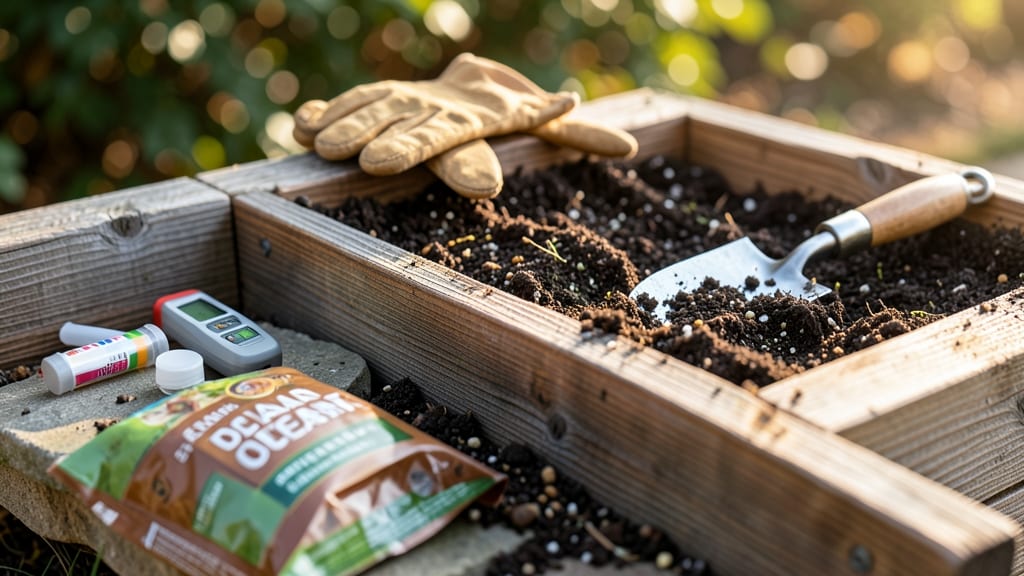
My raised bed potting mix for orchids isn't your typical garden soil—it's a fluffy, airy blend that mimics their natural epiphytic roots. 🌸 The secret lies in balancing 50% bark, 30% perlite, and 20% coconut coir, which keeps roots breathing while locking in moisture just enough to prevent rot.
This mix stays light and fast-draining, exactly what orchids crave after years of struggling with dense, waterlogged soil. I've tested it with Phalaenopsis, Cattleyas, and even my stubborn Dendrobiums—all now thriving with fewer brown tips and more vibrant blooms than ever before.
The best part? You can tweak it for other plants too. Add 10% worm castings for veggies or extra peat moss in cooler climates. Just avoid garden soil—it's the fastest way to smother delicate roots.
Start with this blend, and you'll see the difference in just 6-8 weeks of consistent care. Your orchids will thank you with blooms that last months, not weeks.
📚 In This Guide
- What you need
- Instructions
- Tips and common mistakes
- Wrapping up and next steps
What you need
- ● Cedar or pine bark (fine to medium grade): 50% of the mix (3-4 inches per raised bed layer). Look for 1/4" to 1/2" chunks for ideal aeration.
- ● Sphagnum peat moss or coconut coir: 20% of the mix (1-2 inches per layer). Ensures moisture retention without suffocating roots.
- ● Perlite or pumice: 20% of the mix (1 inch per layer). Boosts drainage and prevents compaction.
- ● Charcoal (activated horticultural): 10% of the mix (½ inch per layer). Keeps mix fresh and inhibits mold.
- ● Gloves and a dust mask: Protect yourself from fine particles! 😷
- ● Large mixing container or wheelbarrow: For blending components evenly.
- ● Measuring tools (bucket, tape measure, or kitchen scale): Ensures precise ratios.
- ● Watering can or hose with a gentle spray nozzle: Moisten mix before layering.
- ● Raised bed (pre-assembled): With drainage holes and a depth of at least 6 inches.
- ● Worm castings (10%): Adds nutrients without overwhelming roots.
- ● Orchid fertilizer (slow-release): Mix in at planting for a nutrient boost.
- ● Lime (dolomitic, sparingly): Adjusts pH if your water is acidic.
- ● Fir bark (coarse, 10%): For extra chunkiness in larger raised beds.
Step-by-Step guide to mixing a lightweight orchid potting blend for raised beds
This airy mix gives orchids the perfect balance of drainage and moisture retention—here's how to blend it just right.
🌱 Step 1: Measure and Combine the Base Components
Start with 4 parts of orchid bark—this forms the foundation for airflow. I like to use ½-inch to 1-inch chunks for mature plants, but for seedlings, you can go finer. Add 2 parts of sphagnum moss, which holds moisture while still allowing roots to breathe. This ratio keeps roots from sitting in soggy conditions while providing hydration between waterings.
Next, incorporate 1 part of perlite—this is your secret weapon for preventing compaction. Sift it in gently to distribute it evenly. The perlite won't break down like organic materials, so it maintains those crucial air pockets for years. Mix everything together with your hands or a large trowel until the blend looks uniformly textured. You'll notice the bark feels slightly coarse while the moss adds a soft, fibrous quality.
🌿 Step 2: Add Moisture Retention and Nutrients
Now it's time to boost moisture retention and fertility. Stir in 1 part of coconut coir—this holds water better than peat moss and resists compaction. I like to pre-moisten the coir separately before adding it to the mix, so it integrates smoothly without clumping. Then, add ½ part of worm castings for gentle, long-term nutrients. These castings won't burn roots like synthetic fertilizers, making them perfect for orchids.
For an extra nutrient boost, sprinkle in 1 tablespoon of orchid fertilizer (like a 20-20-20 blend) per 4 gallons of finished mix. This ensures your blend has everything orchids need to thrive from day one. Mix thoroughly until the fertilizer is evenly distributed—you should see a faint, even color throughout the blend rather than concentrated spots.
✂️ Step 3: Adjust Texture and Test Moisture Balance
Before filling your raised bed, give the mix a final adjustment. If it feels too dense, add ½ part more perlite to improve aeration. If it seems too dry, lightly mist the blend with water until it reaches a slightly damp consistency—like a wrung-out sponge. Press a handful gently; it should hold its shape but not crumble or feel soggy.
For the moisture test, fill a small container with the mix and water it thoroughly. After 30 minutes, check the drainage—water should flow freely through the bottom without pooling. If it drains too quickly, add 10% more sphagnum moss to improve water retention. If it drains too slowly, increase the orchid bark by 10% to enhance airflow. This balance is critical for orchids, which rot easily in waterlogged conditions.
🪴 Step 4: Fill the Raised Bed and Prepare for Planting
Now, fill your 4-foot by 2-foot raised bed with the mix, spreading it evenly to create a 2-inch layer at the bottom. This initial layer helps prevent compaction at the base where roots won't penetrate as easily. Then, add another 4-inch layer of the mix, fluffing it gently with your hands to maintain that airy texture.
Leave a 1-inch gap at the top of the bed—this prevents overflow during watering and makes it easier to add mulch later. Once filled, give the mix a final watering to settle it in. You'll see the blend compress slightly, but it should still feel light and fluffy. This is your signal that the mix is ready for orchids. Avoid walking on the bed until after planting to preserve its structure.
Tips & tricks for perfect orchid potting mix
Between us, creating the ideal orchid environment starts with this blend—here's how to elevate your mix beyond basic.
Texture is Everything: When combining the 4 parts orchid bark with 2 parts sphagnum moss in Step 1, aim for a "fluffy" consistency—like crumbled Styrofoam. If the mix feels dense after mixing, sift in an extra ½ part perlite through a fine-mesh screen. This prevents clumping that can suffocate roots while maintaining that crucial aeration. I learned this the hard way after seeing seedlings struggle in compacted mix.
Pre-Moistening Secret: Before adding coconut coir in Step 2, sprinkle it with water until it reaches the texture of a damp sponge. This prevents dry pockets in your final blend. For the worm castings, I like to mix them with a small amount of water first—they'll clump slightly, but this ensures even distribution when you incorporate them. The goal is to avoid fertilizer hotspots that can burn delicate orchid roots.
Moisture Test Precision: That 30-minute drainage test in Step 3 is your quality control moment. If water pools at the bottom after 30 minutes, you've got too much moisture retention—reduce sphagnum moss by 10% next time. Conversely, if water drains through immediately, increase the orchid bark by 10% to improve airflow. This balance is what prevents the dreaded root rot while keeping orchids hydrated.
Layering Technique: When filling your raised bed in Step 4, resist the urge to compress the mix as you work. Instead, use a large trowel to gently spread each 2-inch layer, then lightly fluff with your fingers. This maintains the air pockets orchids need. Pro tip: Work in small sections—don't fill the entire bed at once, or you'll compact the lower layers before they even touch roots.
Pro Tips for Raised Bed Potting Mix
- Between us, creating the ideal orchid environment starts with this blend—here's how to elevate your mix beyond basic.
- Texture is Everything: When combining the 4 parts orchid bark with 2 parts sphagnum moss in Step 1, aim for a "fluffy...
- Pre-Moistening Secret: Before adding coconut coir in Step 2, sprinkle it with water until it reaches the texture of a...
Frequently asked questions
Got questions about crafting the perfect raised bed potting mix for your orchids? You’re not alone! Here are answers to the most common queries that’ll keep your blooms thriving:
What’s the best ratio of ingredients for an airy orchid mix?
Aim for 50% bark (fir or pine), 20% perlite/pumice, 20% sphagnum moss, and 10% charcoal. This balance mimics orchid epiphytes’ natural habitat—lightweight, well-draining, and breathable. Adjust perlite if your mix feels too dense (add 5–10% more).
How often should I refresh my raised bed potting mix?
Replace your mix every 2–3 years or when it breaks down into fine particles. Signs it’s time: moldy smells, slow drainage, or roots circling the pot. Top-dress with fresh bark or charcoal annually to extend its life.
Can I reuse old orchid mix? If so, how?
Yes! Sterilize it first: bake at 200°F (93°C) for 30 minutes to kill pests/disease. Sift out debris, then blend with 30% fresh ingredients (like perlite or moss). Avoid reusing mix with visible rot or pests—start fresh instead!
Will this mix work in hot climates? How do I prevent overheating?
But add extra perlite (30–40%) to improve airflow and reduce heat retention. Use black plastic pots to absorb sunlight (or paint them white) and water deeply in the morning to cool roots. Mulch the bed surface with bark to insulate.
What’s a quick fix if my mix compacts too fast?
Fluff it up with coarse horticultural grit or expanded clay pellets (both add structure). Avoid fine sand—it packs down. For immediate relief, gently fork the mix to create air pockets, then water thoroughly to settle it without compacting.
Still stumped? Drop your orchid’s specific needs below—we’re happy to tweak the recipe!
Wrapping up and next steps
Choosing the right raised bed potting mix—like our airy orchid blend—is the secret to vibrant, thriving blooms! 🌸 A well-draining, nutrient-rich mix ensures your orchids stay happy and healthy, while proper moisture balance prevents common pitfalls.
With the right setup, you’re already on your way to a stunning orchid collection.
Ready to see those blooms flourish? Start by filling your raised bed with your freshly mixed blend and give your orchids the love they deserve. Happy gardening! 🌱