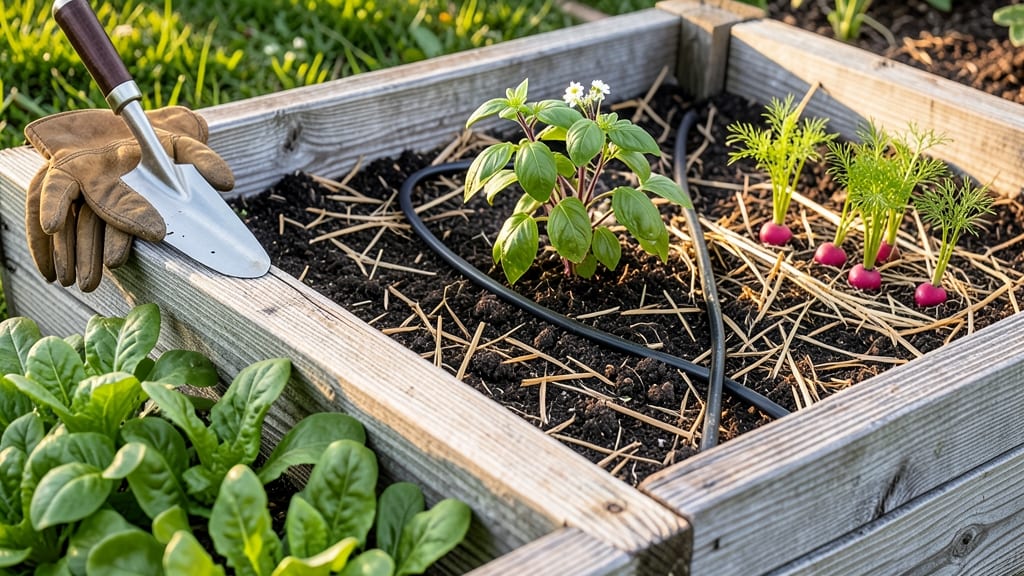
Buying guide: how to choose the right raised bed system
1. Material Durability and Weather Resistance 🛡️
The material of your raised bed system determines its lifespan, maintenance needs, and resistance to pests or weather. Cedar and redwood are excellent natural choices—they resist rot and insects better than pine, making them ideal for long-term use.
For low-maintenance options, consider composite materials or galvanized steel, which won’t warp, crack, or require sealing like wood. Plastic is another great budget-friendly option, especially if you prioritize lightweight portability and pest resistance. However, it may lack the aesthetic appeal of wood.
Counter-intuitively, while cedar is pricier upfront, its durability often makes it a cost-effective choice over time compared to treated lumber, which can leach chemicals into the soil.
2. Modularity and Stacking Height Flexibility ⚡
Not all raised beds are designed for stacking, so this is a critical factor if you want to maximize vertical space. Look for systems with interlocking joints or pre-drilled holes for secure assembly. The best stackable systems allow you to start with one tier and expand as needed, giving you flexibility for future growth. For example, a 4-tier cedar system might let you stack up to 60 inches tall, while a plastic kit might cap at 3 tiers for stability reasons. If you’re working with limited space, prioritize systems that offer adjustable heights—this way, you can customize based on your plants’ needs (e.g., taller beds for vining plants like cucumbers or beans). Just be mindful that taller stacks may require additional bracing to prevent wobbling.
3. Ease of Assembly and Maintenance Requirements ✅
No one wants to spend hours wrestling with a raised bed kit. Opt for systems with tool-free assembly, like those with interlocking corners or snap-together designs. Cedar and composite kits often include pre-drilled holes and corner braces, making setup straightforward even for beginners. On the maintenance front, wood beds will need occasional sealing (every 1-2 years), while plastic and metal require minimal upkeep. If you’re renting or frequently moving your garden, a lightweight plastic or galvanized steel system will save you effort. Pro tip: Check for kits that include hardware—some budget options skip screws or brackets, leaving you to source them separately.
4. Drainage and Soil Retention Features 💡
Poor drainage is a silent killer for raised bed plants, leading to root rot or nutrient leaching. The best systems incorporate integrated drainage holes at the bottom of each tier, allowing excess water to escape while retaining moisture in the soil. Some premium kits even include built-in watering channels to direct irrigation straight to roots, reducing waste. If your system lacks drainage, you can drill holes yourself, but this adds extra work. For heavy clay soils, consider adding a layer of gravel or landscape fabric at the bottom to improve aeration. Counter-intuitively, taller stacks often drain worse due to gravity—so if you’re stacking multiple tiers, prioritize systems with reinforced drainage or consider adding a French drain alongside the bed.
5. Budget Considerations and Long-Term Value 💰
Your budget will dictate the materials and features you can access, but it’s worth investing in quality for long-term savings. Budget-friendly options like plastic or galvanized steel are great for beginners or temporary setups, while mid-range cedar or composite systems offer the best balance of durability and aesthetics. Premium composite or hybrid systems are a significant investment but pay off with decades of low-maintenance use. Remember, the "cheapest" option might cost more in the long run if it requires frequent replacements or repairs. For example, a plastic bed might last 5-10 years, while a well-maintained cedar bed can last 15+ years. If you’re unsure, start with a mid-range kit—you can always expand or upgrade later.
Frequently asked questions
Q: What are the benefits of using a stackable raised bed system over traditional in-ground gardening?
A stackable raised bed system offers several key advantages over traditional gardening. First, it maximizes vertical space, allowing you to grow more plants in a smaller footprint—ideal for urban balconies, small yards, or high-density planting. These systems also provide better soil control, letting you customize the mix for optimal plant health. Additionally, they improve drainage and accessibility, reduce weed pressure, and minimize soil compaction. For gardeners with limited mobility, the elevated design makes planting, weeding, and harvesting much easier. Finally, stackable beds are modular, so you can start small and expand as your gardening skills grow.
Q: How do I determine the right size and number of tiers for my stackable raised bed system?
Choosing the right size depends on your space constraints, plant types, and gardening goals. For small spaces, a 2-3 tier system is ideal, while 4-5 tiers work well for maximizing vertical growth in urban settings. Consider the maturity size of your plants—taller crops like tomatoes or cucumbers need more vertical space, while leafy greens thrive in shorter tiers. Most systems allow you to start with one tier and add more later. For stability, avoid stacking more than 4-5 tiers unless the system includes reinforced bracing. Pro tip: Place heavier plants (like root vegetables) in the lower tiers and lighter, climbing plants (like beans or peas) in the upper ones.
Q: What materials should I avoid when selecting a raised bed system, and why?
Avoid pressure-treated lumber (especially older types containing chromated copper arsenate or CCA), as it can leach harmful chemicals into your soil. Cheap, untreated pine or fir may also rot quickly or attract pests. Instead, opt for cedar, redwood, or composite materials, which resist rot and insects naturally. Galvanized steel is another durable choice, though it may heat up in direct sunlight. Plastic beds are lightweight and pest-resistant but lack the aesthetic appeal of wood. Always check for food-safe certifications if you’re growing edibles, and avoid materials that require toxic sealants or paints.
Q: Can I use a stackable raised bed system for all types of plants, or are some better suited than others?
While most vegetables, herbs, and flowers thrive in stackable raised beds, some plants have specific needs. Root crops like carrots or potatoes need deeper soil (at least 12 inches deep), so lower tiers are best. Vining plants (e.g., cucumbers, squash) benefit from upper tiers with trellises or cages to guide their growth vertically. Shallow-rooted plants like lettuce or strawberries can grow in any tier. Avoid large shrubs or trees, as they’ll outgrow the confined space. For container-friendly plants, consider self-watering systems or drip irrigation to keep upper tiers adequately hydrated.
Q: How do I ensure my stackable raised bed system stays stable, especially when fully loaded with soil and plants?
Stability starts with proper assembly—always follow the manufacturer’s instructions for corner braces, interlocking joints, or screws. For taller stacks (3+ tiers), add external supports like wooden stakes or metal brackets to reinforce the structure. Distribute weight evenly across tiers to prevent wobbling, and avoid overloading any single tier. If your system lacks built-in stability features, consider anchoring it to a wall or fence with non-invasive hardware. For windy areas, secure the bed to the ground with landscape anchors or place it in a sheltered location. Regularly check for loose connections, especially after heavy rain or strong winds.
Q: Is a stackable raised bed system worth the investment compared to a single-tier bed or in-ground gardening?
if you prioritize space efficiency, soil control, and long-term flexibility. A stackable system lets you grow 3-5 times more plants in the same footprint as a single-tier bed, making it ideal for small spaces. The modular design means you can expand as your garden grows without replanting. While the upfront cost is higher than a basic in-ground plot, the reduced need for weeding, soil amendments, and pest control often saves money over time. For urban gardeners or renters, the ability to disassemble and relocate the system is a huge advantage. If you’re serious about maximizing yield in limited space, a stackable bed is a smart, long-term investment.
Q: What are some creative ways to customize or enhance my stackable raised bed system?
Personalize your system with vertical gardening add-ons like trellises, cages, or hanging pockets for vining plants. Use decorative edging or painted wood to match your garden’s aesthetic. For pest control, add row covers or mesh screens to the top tiers. Incorporate self-watering reservoirs or drip irrigation lines to automate care. If you love companion planting, arrange tiers to group plants that benefit each other (e.g., basil with tomatoes). For a whimsical touch, add solar-powered lights or miniature garden signs. Finally, use removable liners (like landscape fabric) to protect against weeds and make soil changes easier.