
Tools
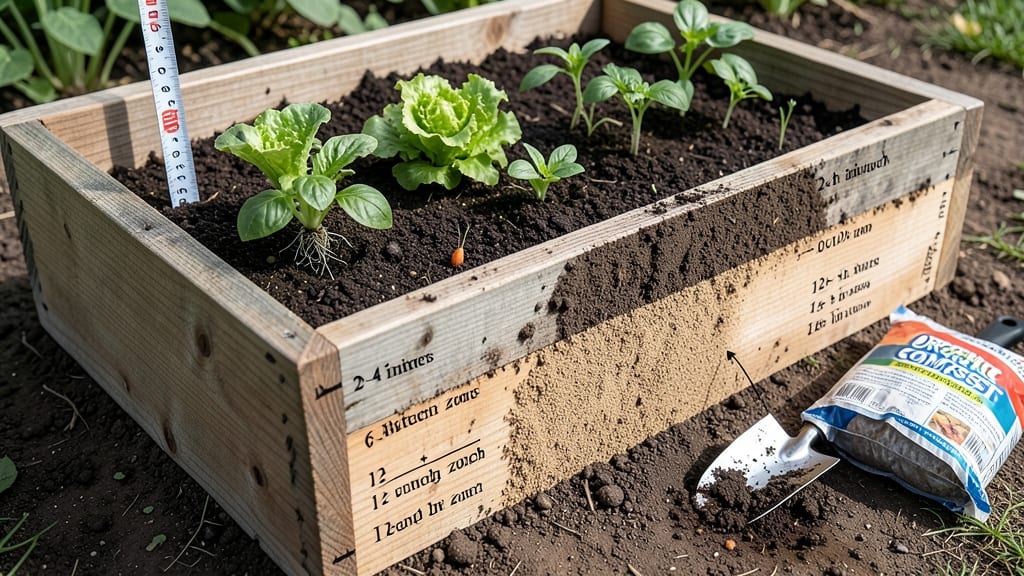
The ideal raised garden bed soil depth is 6–12 inches for most vegetables, but deeper beds unlock bigger harvests and healthier roots.
Struggling to decide how deep your raised garden bed should be? The wrong soil depth can stifle root growth, waste nutrients, and even drown your plants—yet most gardeners guess instead of using proven science.
Think about it: shallow beds force roots to compete for space, while too-deep beds risk poor drainage or wasted soil. The key is matching depth to your plants—carrots need 12+ inches, while lettuce thrives in just 6 inches.
Below, I break down the science behind soil depth, how to adjust existing beds for better drainage, and budget-friendly ways to deepen them without rebuilding—so you can grow like a pro.
Optimal raised garden bed soil depth by plant type: root systems explained
Choosing the right raised garden bed soil depth isn't just about filling space—it's about giving your plants the room to thrive. Deep-rooted crops like carrots and potatoes need ample space to grow, while shallow-rooted lettuce or radishes can struggle in overly deep beds.
The key lies in matching your soil depth to each plant's natural root system, ensuring proper oxygen flow and nutrient access.
Most gardeners assume a 12-inch depth works for everything, but that’s often too shallow for perennials or deep-rooted vegetables. Meanwhile, shallow beds can lead to root competition and nutrient depletion faster. Understanding these differences lets you optimize your garden’s potential without wasted effort or space.
For deep-rooted vegetables like carrots or potatoes, aim for at least 18 inches of soil. These plants need room to develop their full taproots, which can extend over 2 feet deep. If your bed is shallower, consider growing shorter varieties or using deep-pot techniques for side plantings.
On the other hand, shallow-rooted greens like lettuce or radishes thrive in beds with just 6–12 inches of soil. Overly deep beds can lead to excess moisture at the roots, increasing the risk of rot or fungal diseases.
These plants also benefit from frequent harvesting, so shallow beds encourage quicker turnover.
Herbs like rosemary or thyme fall in the middle, needing 12–18 inches of soil to support their woody stems and extensive root systems. These plants are drought-tolerant but still require adequate depth to access water and nutrients during dry spells.
When planning your raised garden bed layout, group plants with similar root depths together. This zoning strategy prevents competition for nutrients and water, ensuring each plant gets the ideal growing conditions. For example, place carrots in one corner and spinach in another to avoid overcrowding shallow roots.
If you’re working with a pre-built raised bed that’s too shallow, don’t despair. You can still optimize it by adding compost or organic matter to the top layer, improving soil structure and fertility.
For permanent beds, consider extending the depth by layering materials like gravel or sand at the bottom to improve drainage.
Proper soil depth also affects temperature regulation. Deeper beds stay cooler in summer and warmer in winter, protecting root systems from extreme fluctuations. This is especially important for tender perennials or warm-season crops like tomatoes.
Remember, the ideal soil depth isn’t just about inches—it’s about creating a balanced ecosystem. Combine proper depth with good drainage, organic matter, and proper mulching to give your plants the best chance to flourish.
With the right setup, your raised garden bed can become a high-yielding, low-maintenance haven.
How to adjust soil depth for better drainage and root health
If your raised garden bed feels like a shallow puddle after rain or your plants struggle to thrive, soil depth is likely the culprit. Too little depth leads to root competition and poor nutrient absorption, while too much can create waterlogged conditions.
The key is balancing drainage and root space—and the good news is, you don’t need to tear everything down to fix it.
Most raised garden beds start with 6-12 inches of soil, but that’s often not enough for deep-rooted plants like carrots or tomatoes. The solution? Strategic layering and amendments that improve soil structure without adding height.
Let’s break down how to adjust your bed’s depth for healthier roots and better drainage.
Digging too deep or over-tilling can destroy soil layers and disrupt beneficial microbes. Instead, focus on layering amendments like compost or gravel to improve drainage without harming your soil’s natural balance.
🌱 Pro Tip: Use a soil probe to test depth before amending—aim for at least 12 inches for most vegetables.
Start by adding a 1-2 inch layer of coarse sand or perlite at the bottom of your bed. This creates a drainage layer that prevents waterlogging while allowing excess moisture to escape.
Next, mix in compost or well-rotted manure to improve soil fertility and aeration. For heavy clay soils, blend in peat moss or coconut coir to lighten the texture.
If your bed is already built but too shallow, consider stacking beds or using raised layers within the same frame. For example, divide your bed into sections and fill one side with deeper soil for root crops while keeping shallower soil for leafy greens.
This maximizes space without requiring a complete rebuild.
Another common mistake? Skipping the mulch layer. A 2-3 inch layer of straw or wood chips helps retain moisture, suppress weeds, and gradually enrich the soil as it breaks down. Just avoid piling mulch directly against plant stems to prevent rot.
Finally, monitor your soil’s moisture levels regularly. Stick your finger 2-3 inches deep—if it feels damp but not soggy, your drainage is working. If water pools on top, add more organic matter or a drainage layer.
With these adjustments, your raised bed will support stronger roots and healthier plants all season long.