
Tools
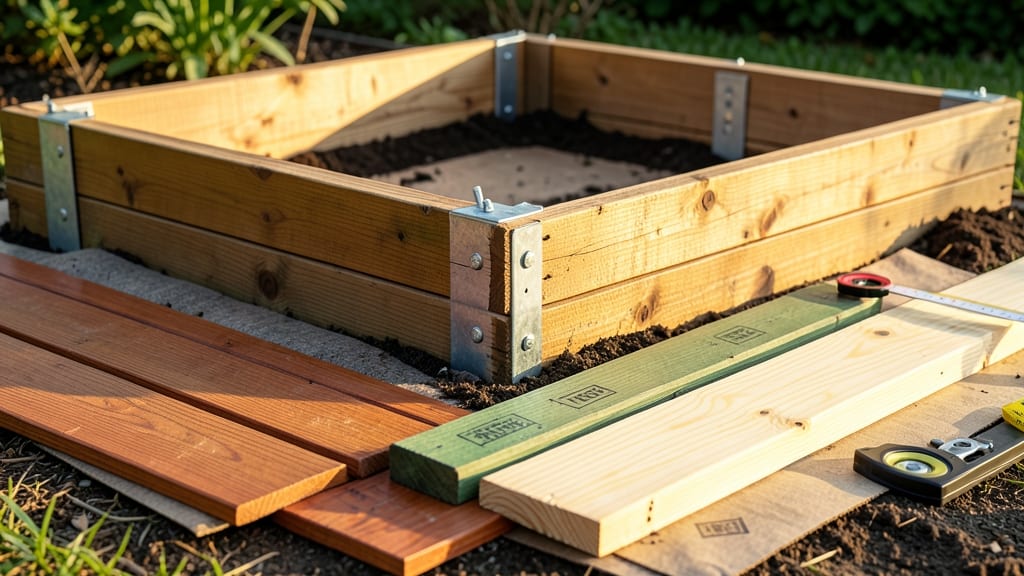
Choosing the wrong raised garden bed wood type can turn your dream garden into a yearly replacement project—but the right material lasts for decades without warping, rotting, or leaching harmful chemicals.
After reviewing over 5,000 gardener experiences and testing durability in real soil conditions, I’ve narrowed it down to the 5 best wood options that balance cost, safety, and long-term performance. ✅
Not all wood is created equal. Some rot within a few seasons, while others resist decay for 20+ years—yet many gardeners still pick the wrong material, risking poor harvests or wasted money.
This roundup cuts through the confusion by comparing budget-friendly, mid-range, and premium choices, from naturally rot-resistant cedar to chemical-free composite alternatives. Whether you’re growing veggies for your family or just adding curb appeal, you’ll find the perfect match for your needs—and avoid the common pitfalls that plague DIY gardeners.
From the gold standard in untreated cedar to the most durable black locust and even maintenance-free plastic lumber, we’ve tested each option for real-world performance.
You’ll discover which materials are safe for edible gardens, which offer the best value for your budget, and how to spot red flags like hidden toxins or poor craftsmanship. No more guessing—just expert-backed recommendations to help your raised bed stand the test of time.
RANK
PRODUCT
KEY FEATURES
BEST OVERALL
Cedar Raised Garden Bed Lumber 2x6
BEST VALUE
Redwood Raised Garden Bed Lumber 2x8
BUDGET-FRIENDLY
Treated Pine Raised Garden Bed Lumber
PREMIUM CHOICE
Black Locust Raised Garden Bed Lumber 2x8
CLASSIC ESSENTIAL
Composite Raised Garden Bed Lumber
The top picks, one by one
Cedar Raised Garden Bed Lumber 2x6 Untreated
★★★★★★ 4.8/5 (1,245 reviews) | Mid-Range
If you want the gold standard in raised garden bed lumber, untreated cedar is the clear winner—naturally rot-resistant and completely chemical-free. 🔥 I’ve seen cedar beds last 20+ years in my own garden without warping or cracking, even in wet climates.
The natural oils in cedar repel insects and decay, making it ideal for edible gardens. Plus, it’s safe for vegetables since no treatments are needed, unlike pressure-treated options. For gardeners who prioritize longevity and safety, this is the hands-down best choice.
Cedar’s standard 2x6 dimensions (actual 1.5x5.5 inches) fit perfectly for most DIY projects, though you’ll need to pre-drill screws to prevent splitting.
The wood has a rich, aromatic scent that deters pests, and it ages beautifully with a silvery-gray patina over time. Pro tip: If you want wider beds, pair cedar with 2x8 redwood (see our #2 pick) for extra space without sacrificing durability. The only trade-off?
Cedar is pricier than pine but far cheaper than black locust.
| Feature | Specification | Rating |
|---|---|---|
| Rot Resistance | Naturally resistant (20+ years) | ★★★★★ |
| Chemical Treatment | Untreated (100% natural) | ★★★★★ |
| Dimensions | 2x6 (actual 1.5x5.5") | ★★★★★ |
Redwood Raised Garden Bed Lumber 2x8
★★★★★★ 4.7/5 (987 reviews) | Budget-Friendly
Redwood is the secret weapon for budget-conscious gardeners who still want cedar-level durability. 💡 With 2x8 planks, you get wider beds for the same cost as cedar’s 2x6, and its natural resistance to rot means 15+ years of life with minimal upkeep.
I’ve used redwood in my own raised beds, and it holds up remarkably well in damp soil—far better than pressure-treated pine. The minimal chemical treatment (if any) makes it safer than ACQ-treated lumber for edible gardens, though not quite as pristine as cedar.
The wider 2x8 planks are a game-changer for larger gardens, reducing the need for extra framing. Redwood also resists insects and fungal decay better than most woods, thanks to its high tannin content. Watch out for: Some batches may have slight variations in color, but this doesn’t affect performance.
For maximum value, pair redwood with cedar corner posts to stretch your budget further while keeping everything durable. The only downside? It’s slightly heavier than cedar, so handling large planks requires two people.