
Tools
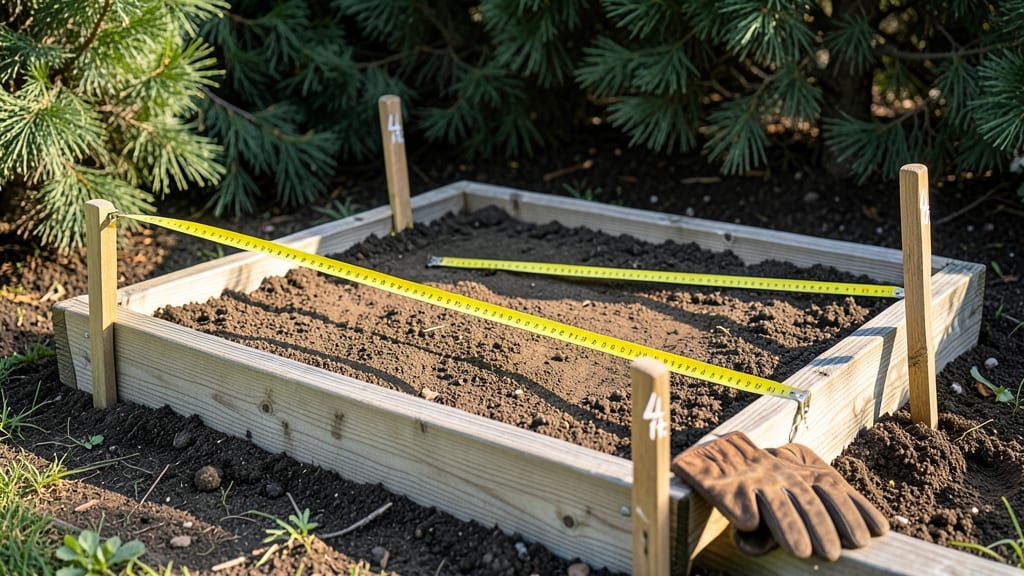
Standard garden bed sizes typically measure 4 feet wide and 8–12 feet long, with plant rows spaced 18–36 inches apart to maximize sunlight exposure, airflow, and ease of maintenance. Raised beds often use 4x8-foot dimensions for practicality and accessibility.
A 4-foot width is ideal because it allows you to reach the center of the bed without stepping on the soil, which compacts it and harms plant roots. 🌱 The 8–12-foot length balances space efficiency with practical row spacing—longer beds reduce edge effects where plants might struggle for nutrients.
For raised beds, the 4x8-foot standard comes from lumber dimensions and how easily they fit on pallets, making construction simpler and more affordable.
In-ground beds can stretch longer, but 12 feet is usually the practical limit before you need walkways to prevent soil compaction. Row spacing between 18–36 inches depends on the plant type—taller crops like tomatoes need more room, while leafy greens can thrive in tighter arrangements.
This flexibility lets you customize your garden layout based on what you're growing and how much yield you want.
💡 In This Article
- Why Garden Bed Dimensions Matter for Plant Health and Yield
- Choosing the Best Garden Bed Size for Your Space and Needs
Why garden bed dimensions matter for plant health and yield
The 4-foot width of standard garden beds isn't arbitrary—it's rooted in ergonomics and plant biology. When you reach across a 4-foot bed, your arms naturally span the entire width without stepping on the soil.
Stepping compresses the soil, reducing its ability to hold air and water, which stresses plant roots. Studies show soil compaction can decrease root growth by up to 30%, limiting nutrient uptake and yield.
This width also ensures even sunlight exposure across the entire bed, preventing the "edge effect" where plants at the perimeter get more light and grow faster than those in the center. 🌱
Bed length directly impacts weed control and efficiency. Shorter beds (<8 feet) force you to walk through the garden frequently, compacting soil and disturbing plants. Longer beds (up to 12 feet) reduce these interruptions while maintaining manageable row spacing.
The 18–36-inch row spacing standard comes from plant physiology—this range allows sufficient airflow to prevent fungal diseases while giving roots room to spread. For example, tomato plants need 24–36 inches of space to avoid competition, while lettuce thrives in 12-inch rows.
The deeper you dig into plant spacing research, the clearer it becomes: dimensions aren't just about fit—they're about optimizing a plant's natural growth patterns.
Depth plays a hidden but critical role. Most standard beds are 6–12 inches deep, mirroring the root zones of common vegetables. Carrots and potatoes, for instance, need 10–12 inches to develop fully, while shallow-rooted herbs like basil grow well in 6 inches.
Deeper beds (like 18-inch raised beds) are ideal for root crops but require more soil and labor. The trade-off? Deeper beds improve soil aeration and drainage, reducing rot in wet climates.
This is why raised beds—often 6–12 inches deep—outperform in-ground beds in heavy or clay soils, where water pools and roots suffocate. 🌿
Square-foot gardening takes this a step further by breaking beds into 1-foot squares, each allocated to specific crops based on their spacing needs. This method maximizes yield in small spaces but requires meticulous planning.
For example, a 1-foot square holds 16 basil plants (4x4 grid) but only 4 broccoli plants (1 per square foot). The key insight? Bed dimensions aren't one-size-fits-all—they're a balance between plant biology, your reach, and your gardening goals.
Whether you're growing tomatoes in 36-inch rows or radishes in 6-inch grids, the dimensions shape every aspect of your harvest.
Consider this: a 4x8-foot raised bed yields roughly 32 square feet of growing space, enough for 16 tomato plants (if spaced 2 feet apart) or 64 lettuce plants (if spaced 6 inches apart). That's a 400% difference in yield for the same footprint!
The lesson? Dimensions aren't just about space—they're about strategy. A well-sized bed turns gardening from a hobby into a high-efficiency system where every inch works for you. 💡
For urban gardeners with limited space, 2x4-foot beds are a game-changer. They fit neatly on patios or balconies, require less soil, and still allow full reach. The trade-off? Fewer varieties per bed, but the flexibility to rotate crops seasonally.
Meanwhile, rural gardeners might opt for 6-foot-wide beds to accommodate larger equipment like wheelbarrows, reducing back strain during planting and harvesting.
The science of bed dimensions is less about rigid rules and more about matching your garden to your life—whether that's a 4x8-foot raised bed for beginners or a 6x12-foot in-ground plot for serious growers.