
Mower
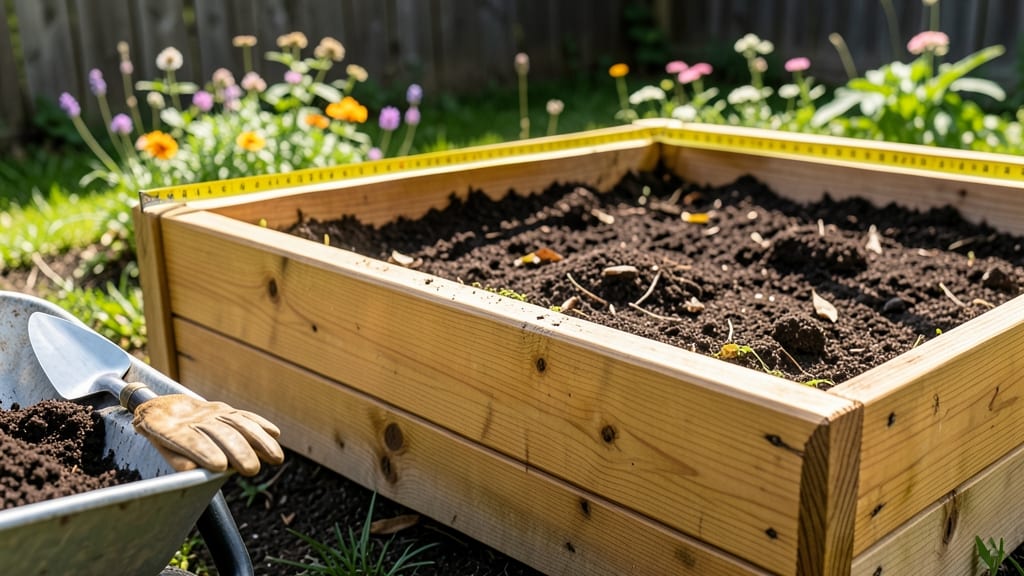
Standard raised bed sizes typically measure between 4x8 feet (the most common option for home gardens) and 3x6 feet (a more compact alternative), with a consistent depth of 12 inches to support healthy root development while optimizing growing space and accessibility.
When planning your garden, these dimensions aren't arbitrary—they're designed to balance practicality with plant needs. A 4x8-foot bed provides enough space for most vegetables while keeping soil moisture consistent and reducing weed pressure. Smaller 3x6-foot beds work perfectly for herbs, salad greens, or urban gardens where space is limited.
The 12-inch depth ensures roots have room to grow without requiring excessive soil volume, which also makes them easier to fill and maintain. 🌱
What's interesting is how these sizes address common gardening challenges. The width (typically 4 feet or less) lets you reach the center without stepping inside, while the length maximizes growing area.
For flowers or shallow-rooted plants, you might even go slightly shallower (6-8 inches), but vegetables like tomatoes or carrots need that full 12 inches to thrive. The key is matching your bed dimensions to both your space and the plants you want to grow.
💡 In This Article
- How Raised Bed Dimensions Impact Plant Growth and Yield
- Customizing Raised Bed Sizes for Small Spaces and Urban Gardens
How raised bed dimensions impact plant growth and yield
The 4x8-foot raised bed dominates home gardens for good reason—its dimensions create an ideal balance between soil volume and accessibility. With a surface area of 32 square feet, it accommodates 4-6 mature vegetable plants (like tomatoes, peppers, or bush beans) while leaving space for companion plants.
The 12-inch depth is critical: it provides enough room for deep-rooted vegetables (carrots need 10-12 inches, potatoes 12-18 inches) while preventing soil compaction. Shallower beds (6-8 inches) work for flowers or herbs but struggle with root crops.
Width plays a surprising role in plant health. Most raised beds cap at 4 feet wide—this lets gardeners reach the center without stepping inside, reducing soil compaction from foot traffic.
Narrower beds (3 feet) dry out faster, requiring more frequent watering, while wider beds (> 5 feet) create "dead zones" where plants get neglected. The 8-foot length maximizes growing space while keeping the bed manageable to fill and maintain.
Soil moisture retention is another factor: wider beds lose water faster due to increased surface area, while deeper beds help retain moisture near roots.
Plant spacing is where dimensions get technical. A 4x8-foot bed can fit 16-24 plants in a grid pattern, but proper spacing depends on mature plant size. For example, tomato plants need 18-24 inches between stems, while lettuce thrives with 6-12 inches spacing.
The 12-inch depth ensures roots access nutrients throughout the growing season, while shallower beds force plants to compete for resources. This is why flower beds often use 6-8 inch depths—their shallow roots don't need the extra space.
Soil volume matters too. A 4x8x1-foot bed holds about 3.3 cubic feet of soil, enough for 1-2 seasons of nutrient-rich planting. Deeper beds (> 12 inches) require more soil but support larger plants.
The trade-off? Deeper beds cost more to fill and may need reinforcement. For urban gardeners, 3x6-foot beds (1.5 cubic feet) work well for herbs and greens, reducing material costs while still providing good root space.
Here's a quick comparison for different plant types:
- Vegetables (tomatoes, peppers, carrots): 4x8-foot, 12-inch depth (best for root development)
- Herbs (basil, cilantro, parsley): 3x6-foot, 8-10-inch depth (shallow roots, compact space)
- Flowers (marigolds, pansies): 2x4-foot, 6-inch depth (aesthetic focus, minimal root needs)
The science behind these dimensions comes down to root zone aeration and microclimate control. Deeper beds improve drainage and reduce soil temperature fluctuations, while wider beds create more consistent moisture levels. The 4-foot width limit also prevents soil from drying out too quickly—a critical factor in hot climates. 🌿