
Tools
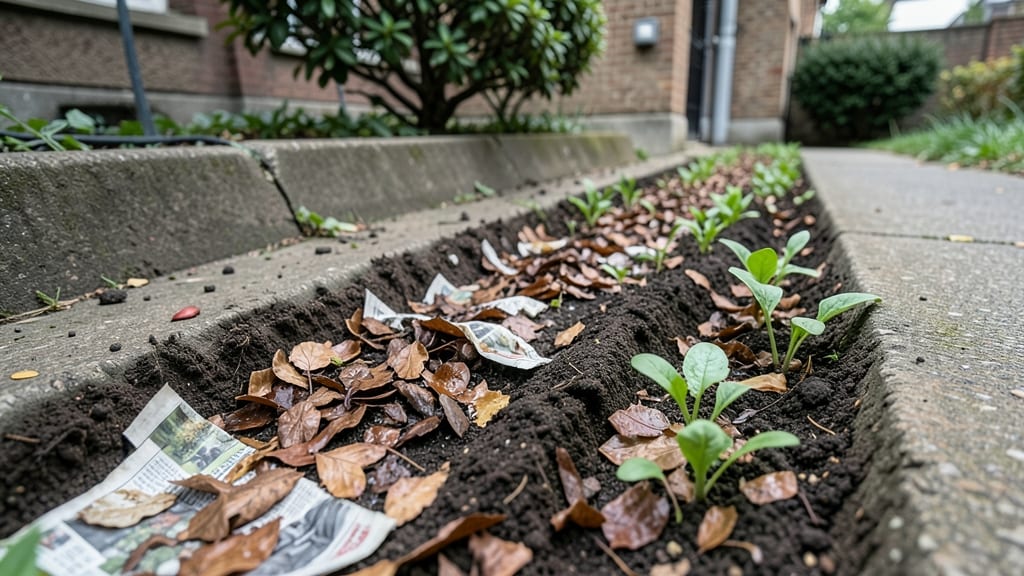
Maximizing tiny urban spaces? These 10 vegetable garden bed layouts prove you don’t need a backyard to grow a bountiful harvest. From vertical towers to square-foot grids, discover space-saving designs tailored for city balconies and postage-stamp yards.
Square-Foot Gardening Grid System
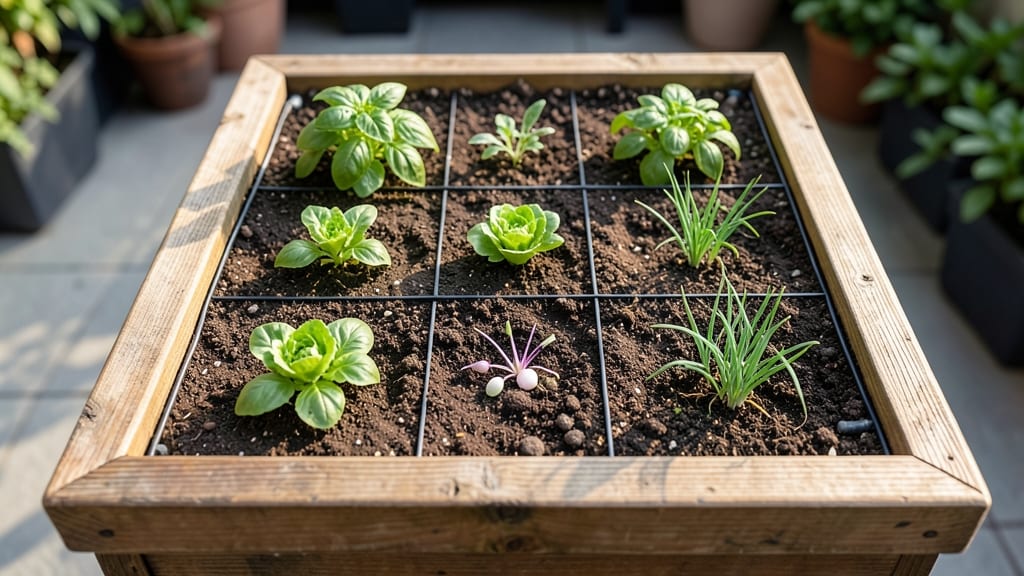
If you’ve ever struggled with overcrowded plants or wasted space in your garden, the square-foot gardening grid system is your game-changer. This method transforms even a 4x4-foot bed into a high-yield, organized oasis by dividing it into a 12-inch grid—each square dedicated to a specific plant or group of plants.
Start by marking your bed with string or wood stakes to create the grid. Use a planting chart (available online) to determine how many plants fit per square—like 16 bush beans, 4 tomato plants, or 9 onion sets—ensuring roots have room to grow without competing. The key is precision: no guesswork, just science-backed spacing for maximum harvest.
This system is perfect for beginners or urban gardeners with limited space. It cuts down on weeds, simplifies watering, and lets you rotate crops easily. Plus, you’ll know exactly where every plant belongs—no more mystery garden chaos! 🌱
Vertical Tower Garden Layout
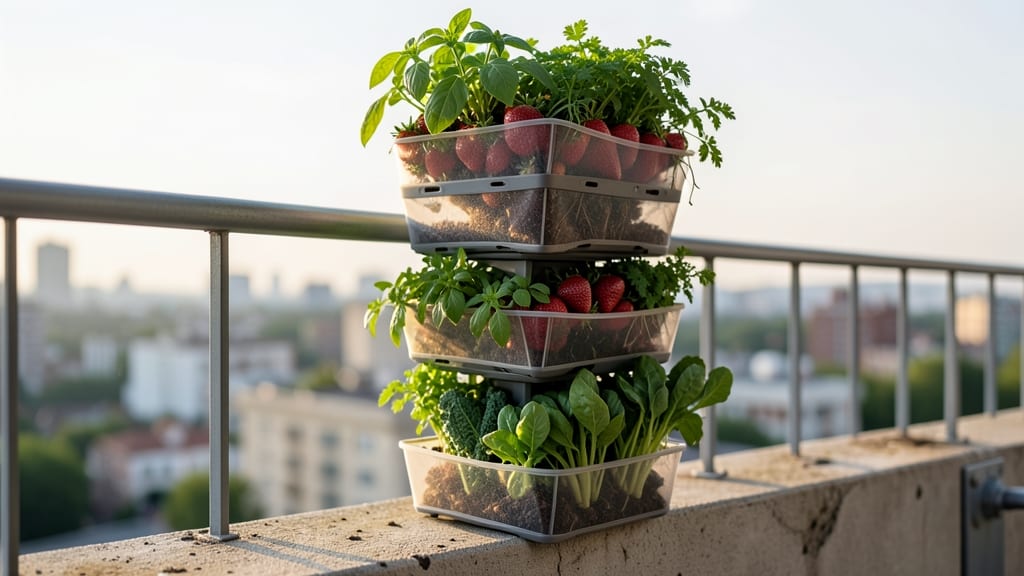
Turn your balcony into a thriving farm without sacrificing square footage with a vertical tower garden layout. These modular systems stack herbs, leafy greens, and even strawberries in individual pockets, letting you grow more in less space than traditional beds.
Most towers feature pre-drilled pockets spaced 6-12 inches apart, perfect for shallow-rooted crops like basil, spinach, and cherry tomatoes. Position yours where it gets at least 6 hours of sun daily, and use lightweight potting mix to prevent weight issues. The stackable design lets you customize height—add tiers for extra production or keep it compact for renters.
This system is especially game-changing for urban gardeners with limited space or those who want to grow food without committing to a full garden bed. Plus, the vertical design makes harvesting and maintenance a breeze. 🌱
Raised Bed Keyhole Design
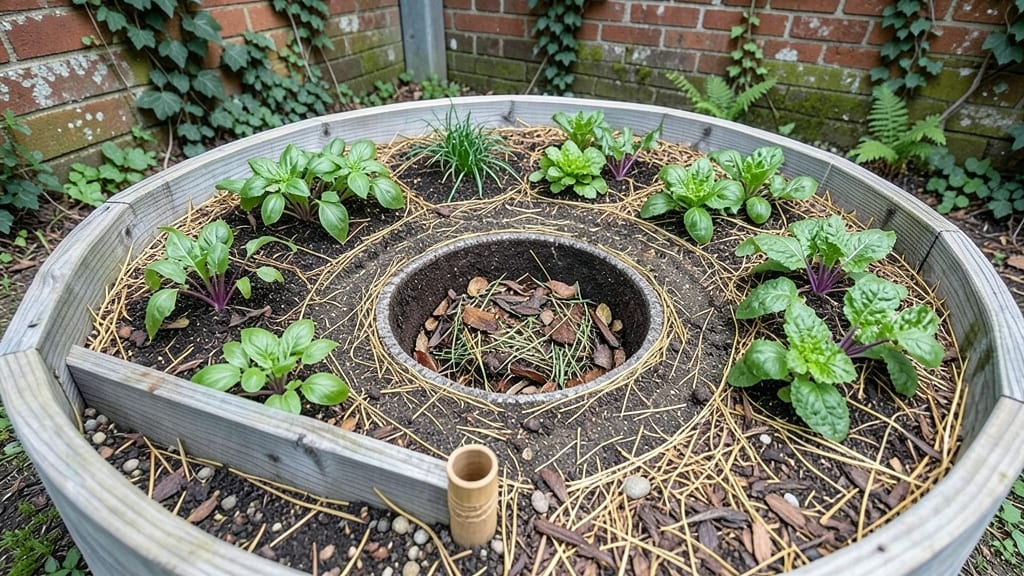
Tired of watering your garden every other day? The raised bed keyhole design transforms your watering routine into a hands-off experience while fitting snugly into tight urban spaces. This circular layout features a central compost well that wicks moisture directly to plant roots, reducing evaporation and irrigation needs by up to 50%.
To build one, start with a 3-foot-diameter circle (or larger for bigger harvests) and line the center with a compostable material like straw or cardboard. Fill the outer ring with nutrient-rich soil, then plant drought-tolerant crops like carrots, kale, and radishes around the perimeter. The compost well breaks down slowly, feeding plants season after season while keeping soil moist. This design also eliminates the need for irrigation systems—just top off the compost well occasionally.
Perfect for small yards, fence corners, or even patios, this layout maximizes space without sacrificing productivity. Urban gardeners with limited water access will love how it cuts down on maintenance while keeping plants thriving. 💚
Hügelkultur Mound Gardening
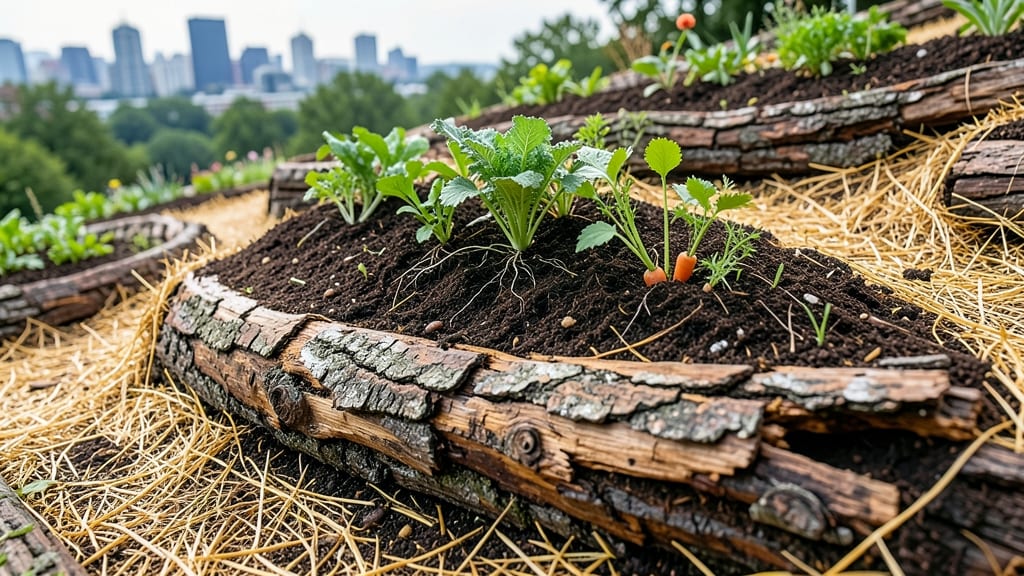
Turn your sloped urban lot into a thriving garden with Hügelkultur, a German technique that uses buried logs and compost to create nutrient-rich mounds. This method mimics natural forest ecosystems, where decomposing wood slowly releases nutrients while retaining moisture—ideal for drought-prone city gardens.
Start by layering branches, logs, and compost in a long, sloped mound (3-4 feet wide and tall). Plant fast-growing crops like beans, zucchini, or potatoes on the sides, where roots can access moisture and nutrients. The mound’s structure also prevents erosion on hillsides, while mulch on top reduces watering needs by up to 70%.
Perfect for urban gardeners with limited flat space or poor soil, Hügelkultur turns "wasted" yard waste into a self-sustaining garden that feeds your plants for years. 🌱
Window Box Herb Garden
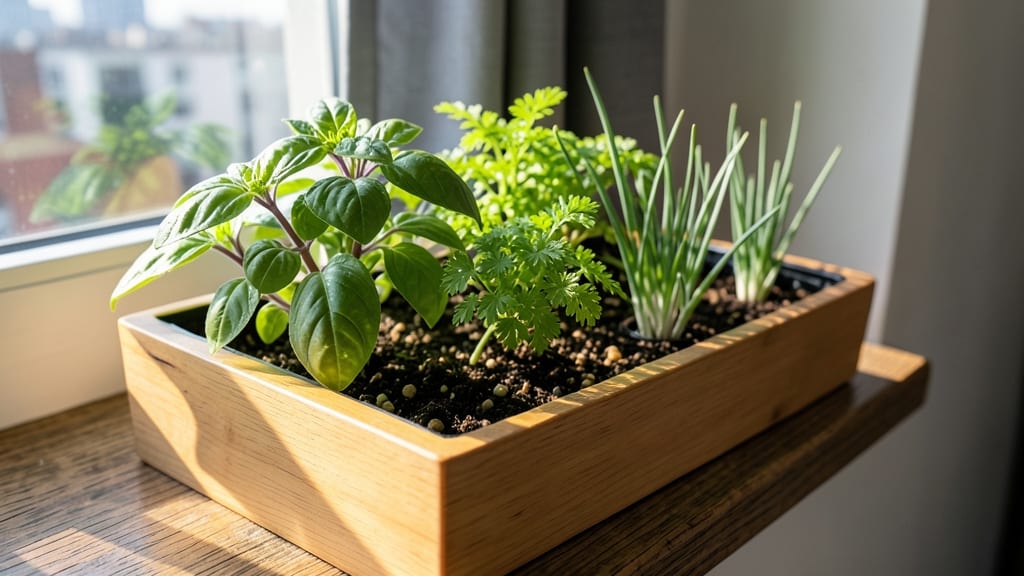
Turn that empty windowsill into a fresh herb oasis without needing a yard. A sunlight-optimized window box lets you grow basil, parsley, and chives in shallow containers—perfect for renters or tiny apartments with just a sunny ledge.
Choose a south- or west-facing window for at least 4-6 hours of sun daily, and select a box with drainage holes to prevent root rot. Plant basil in the center (it thrives in warmth), parsley on one side (tolerates partial shade), and chives along the edges (they spread gently). Use well-draining potting mix and water when the top inch feels dry—these herbs prefer consistency over soggy soil.
This layout is ideal for city dwellers, beginners, or anyone craving fresh herbs without the commitment of a full garden. Plus, the cascading greenery adds charm to any space. 🌱
Spiral Herb Garden Bed
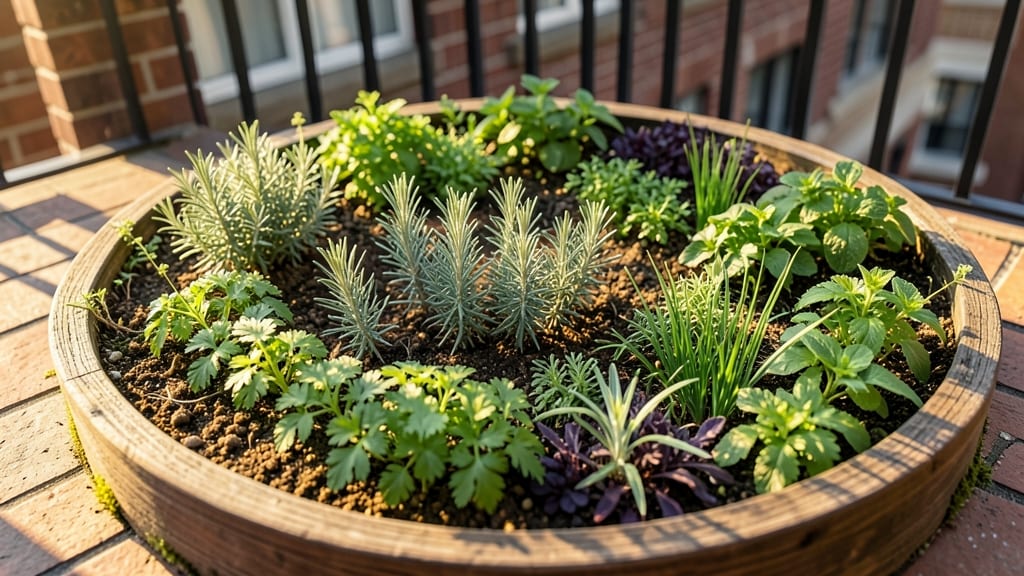
Tired of choosing between sun-loving and shade-tolerant herbs that refuse to thrive together? A spiral herb garden bed solves this by creating natural microclimates in one compact design—perfect for balconies, patios, or even corners of your yard.
Start by placing sun-loving herbs like rosemary and thyme at the center (where they get the most light) and work outward to shade-tolerant varieties like mint and cilantro. The spiral shape naturally funnels sunlight to the center while protecting the outer edges from harsh afternoon rays. Use a 3-4 foot diameter bed for ideal airflow and accessibility, lining it with stones or bricks to define the shape.
This layout is ideal for urban gardeners with limited space or those who love fresh herbs but struggle with inconsistent sunlight. Plus, the curved design adds visual interest to any garden corner. 🌿
Pallet Wood Planter Layout
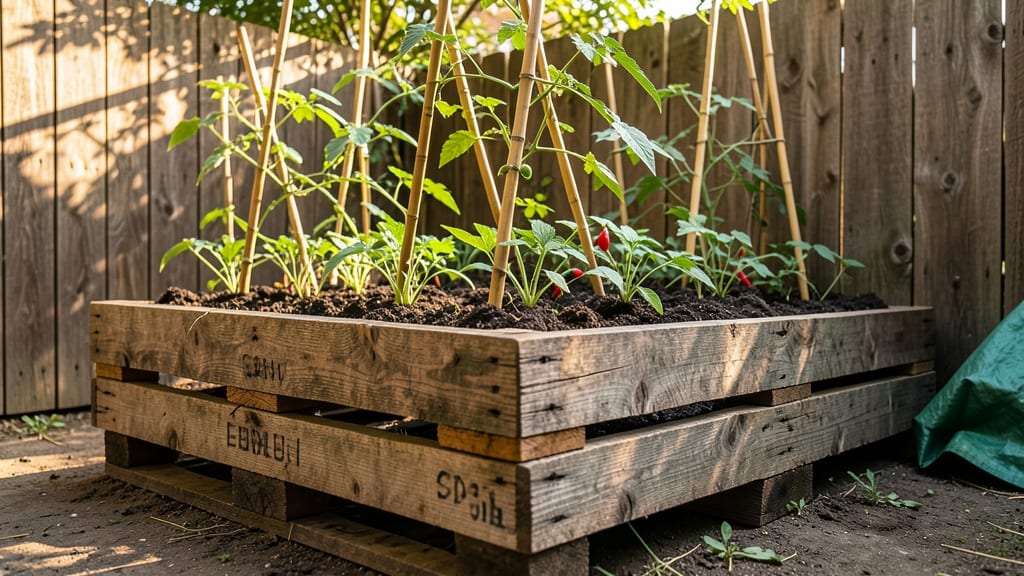
Skip the expensive raised beds—wooden pallets are your new gardening MVP. These sturdy, free (or nearly free) structures transform into portable planters for tomatoes, peppers, and leafy greens, giving you a customizable, movable garden that adapts to sun, shade, or seasonal needs.
Start by sanding pallets to remove splinters, then line the bottom with landscape fabric to prevent soil loss. Fill with a mix of 60% topsoil and 40% compost for nutrient-rich growing conditions. Place them on casters or bricks for easy repositioning—ideal for patios, balconies, or even temporary setups. Cherry tomatoes and bell peppers thrive in these shallow beds, while lettuce and herbs grow well in the edges.
This layout is perfect for renters, urban gardeners, or anyone who wants flexibility. Plus, you’ll reduce waste by repurposing materials already destined for recycling. 💪
Interplanting Companion Bed
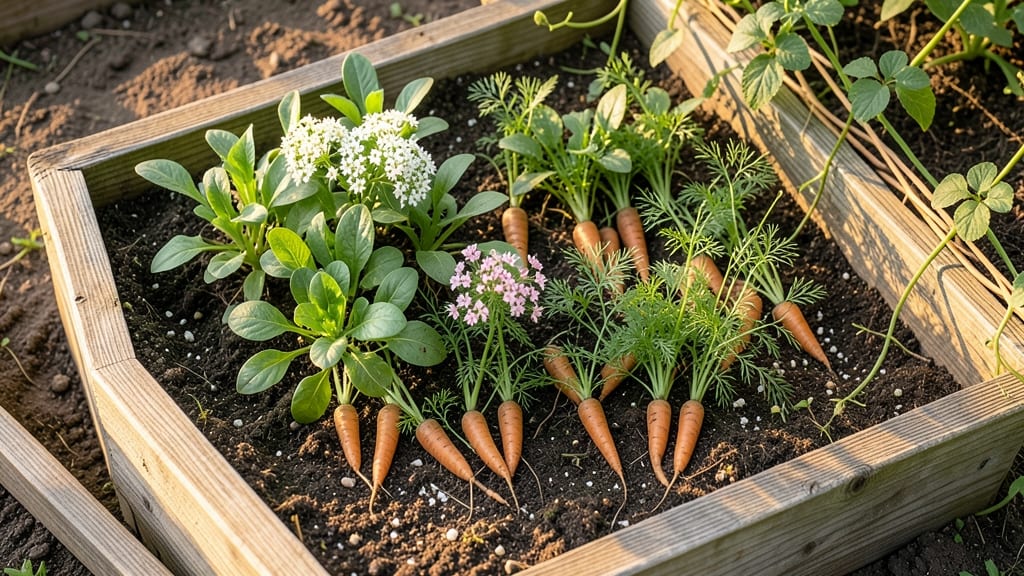
Tired of watching empty soil space go to waste between slow-growing crops? An interplanting companion bed turns wasted real estate into a thriving ecosystem by pairing fast-growing radishes with slower carrots or beans. This clever strategy lets you squeeze two harvests into the same footprint while boosting plant health through natural pest control and soil enrichment.
Start by planting radishes—they mature in just 30 days—between rows of carrots or pole beans, which take 60-90 days. The radishes act as living mulch, suppressing weeds and preventing soil erosion, while their shallow roots won’t compete with carrots’ deeper needs. Add marigolds at the edges to deter pests like aphids, creating a self-sustaining micro-garden that rewards you with two crops from one bed.
This layout is perfect for urban gardeners with limited space or beginners eager to see quick results. By the time you harvest those radishes, your carrots or beans will be well-established and ready to flourish. 🌱
Hanging Basket Salad Garden
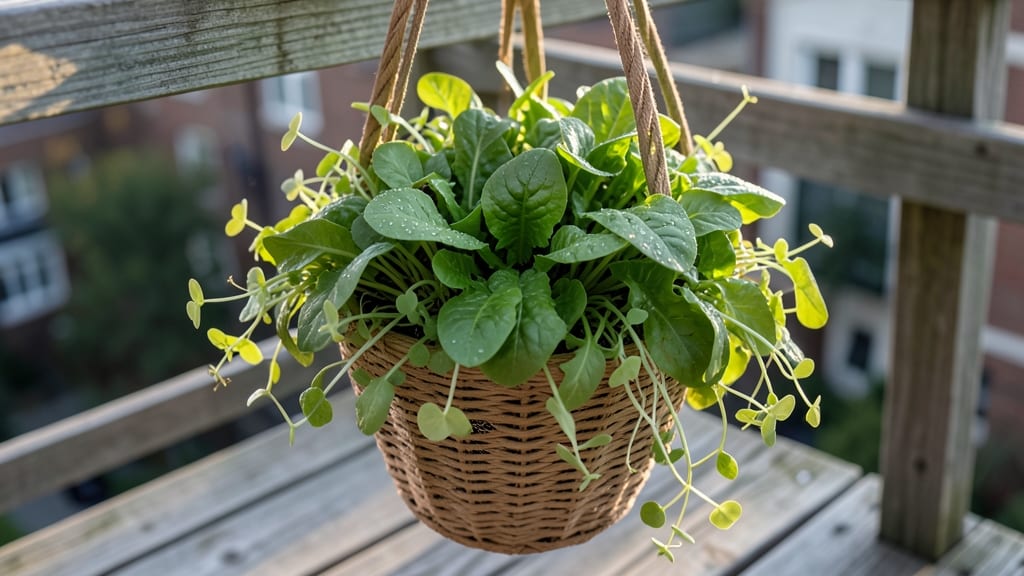
Turn your patio or deck into a fresh salad bar with a hanging basket salad garden—a perfect solution for urban gardeners craving greens but short on ground space. This vertical approach lets you grow leafy lettuce, peppery arugula, and delicate microgreens without sacrificing floor space.
Start with 10-12 inch diameter baskets lined with coconut coir or moss to retain moisture, and suspend them where they’ll receive 4-6 hours of morning sun to prevent bolting. Mix seeds directly into a light potting mix, keeping it consistently moist but never soggy. For continuous harvests, stagger plantings every 2-3 weeks—lettuce and arugula mature in just 30-40 days, while microgreens are ready in 10-14 days.
This layout is ideal for renters, balcony dwellers, or anyone who wants fresh greens without the commitment of a full garden bed. Plus, the cascading foliage adds a lush, edible aesthetic to any outdoor space. 🌿
Trench Composting Layout

If your urban garden space is limited but you refuse to compromise on productivity, trench composting is your secret weapon. This no-till method transforms narrow strips of soil into nutrient-rich planting zones without expanding your footprint—ideal for alleyways, sidewalks, or tiny backyards.
Start by digging shallow trenches (6-12 inches deep) along the length of your growing area. Fill them with a mix of compost, aged manure, and topsoil, then plant directly into the trench. Fast-growing crops like beans, lettuce, and radishes thrive here, while deeper-rooted plants like carrots or beets can follow once the trench decomposes further. The key is to keep trenches 12-18 inches apart to avoid overcrowding.
This layout is perfect for urban gardeners who want year-round fertility without the hassle of tilling or building raised beds. Plus, it mimics nature’s own decomposition process, creating soil so rich that your plants will reward you with bountiful harvests. 🌱