
Flowers
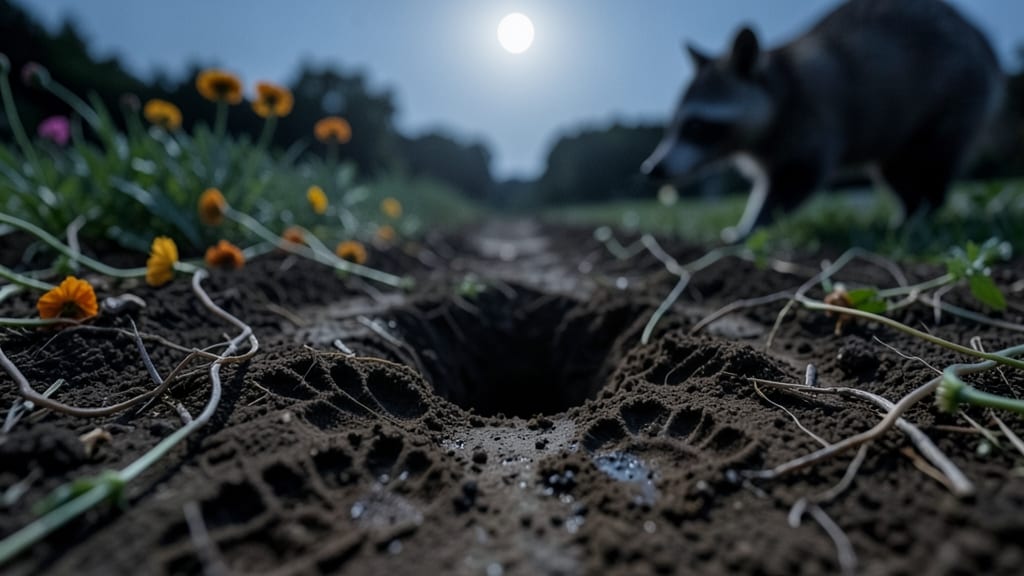
What is digging in my flower bed at night?—it’s not just frustrating, it’s a mystery that’s ruining your hard work. 🌿 I’ve spent years tracking down these midnight garden thieves, and the culprits are usually raccoons, armadillos, or grubs tunneling through your soil. The damage isn’t just unsightly; it can uproot plants and leave your beds looking like a war zone. The first step is identifying the culprit by examining the damage: raccoons leave messy, clawed holes, while armadillos create neat, shallow trenches. Grubs, on the other hand, leave behind a network of tiny tunnels. Once you know who’s responsible, you can take targeted action—like installing fencing, using organic repellents, or introducing predator-friendly plants to deter them naturally. With the right approach, you’ll reclaim your flower beds and protect your plants from future raids. The key is acting fast before the damage spreads, and I’ll show you how to stop it without harming your garden’s ecosystem. This method works for any yard, whether you’re dealing with a single troublemaker or a full-blown nocturnal invasion. Let’s get your garden back to its peaceful, thriving self.
Nocturnal Garden Intruders Explained
If you’ve ever stepped outside at dusk—or worse, discovered a freshly turned patch of soil at dawn—you’re not alone. Nighttime digging in flower beds isn’t just spooky; it’s a deliberate, science-backed behavior driven by survival instincts, food scarcity, or even territorial habits.
Understanding why these critters (or creatures) are raiding your garden is the first step to outsmarting them. Let’s break down the most common culprits and their motivations, backed by biology and behavior.
Raccoons are the top nocturnal diggers in most gardens, thanks to their dexterous front paws and sharp claws. Their digging isn’t random—it’s a targeted search for three key things:
- Food: Raccoons are omnivorous opportunists. They’ll flip over mulch, dig into soil, or tear apart compost piles to uncover:
- Earthworms (a protein-rich snack)
- Grubs and beetle larvae (their favorite)
- Fallen fruit, pet food, or even birdseed
- Shelter: Loose soil or leaf litter provides nesting material for raising young. A disturbed flower bed = a potential den.
- Curiosity: Raccoons have highly developed problem-solving skills. If they smell something interesting (like fertilizer or decaying matter), they’ll dig until they find it.
Actionable Insight: Raccoons dig in straight lines or circles—look for claw marks or scattered soil. They’re also loud; if you hear rustling at night, it’s likely them.
Yes, even your neighbor’s pets (or your own!) can be guilty. While dogs and cats don’t dig for food like wildlife, they do it for:
- Boredom: Dogs, especially breeds like Terriers or Beagles, have a natural digging instinct (a throwback to their ancestors who dug out prey). A flower bed is the perfect mental stimulation when left alone.
- Territorial Marking: Cats scratch and dig to leave scent markers. If your bed is near a property line, they may be claiming it.
- Comfort: Some dogs dig to cool off or create a cozy spot. Loose soil feels like a natural hammock.
Actionable Insight: Pet diggers leave shallow, scattered holes (unlike raccoons, who go deep). Check for claw marks on fences or nearby trees—a sure sign of a territorial cat.
If your flower bed looks like it’s been excavated by a miniature bulldozer, an armadillo might be the culprit. These nocturnal mammals have:
- Powerful claws: Built for digging termite mounds, they can rip up soil in seconds to find:
- Grubs, beetles, and centipedes (their diet staple)
- Earthworms (a high-protein treat)
- Poor night vision: They rely on smell and touch, so they’ll dig randomly in areas with loose soil or mulch.
- Territorial habits: Armadillos mark their territory by digging shallow trenches (often in straight lines).
Actionable Insight: Armadillo holes are 3–5 inches wide and may have small mounds of dirt pushed to the side. They’re most active after rain when grubs are near the surface.
Mice, voles, and gophers may seem small, but they’re industrious diggers with big appetites. Their motivations:
- Food storage: Rodents dig burrows and tunnels to:
- Cache seeds, bulbs, or roots (like tulips or daffodils)
- Create hidden pantries for winter
- Nesting material: Dry soil and plant debris make insulating nests for mating season.
- Escape routes: Voles and gophers dig shallow, winding tunnels to flee predators (like owls or cats).
Actionable Insight: Rodent holes are small (1–2 inches wide) with no dirt mounds—they push soil into their tunnels. Look for chewed plants or missing bulbs as clues.
Don’t overlook the smallest culprits—ants, beetles, and grubs can turn your flower bed into a construction site. Their digging is usually tied to:
- Larval development: Beetle grubs (like Japanese beetles) burrow into soil to pupate, creating tiny, deep holes.
- Nest building: Carpenter ants dig galleries in wood mulch or decaying plant matter to raise colonies.
- Oxygen exchange: Some grubs dig shallow air pockets to breathe, loosening soil in the process.
Actionable Insight: Insect damage often looks like fine, powdery soil or hollow-sounding roots. Check for flying adults during the day (like beetles) or tiny mounds of frass (insect poop).
Pro Tip: 🔍 Timing is everything. Most nocturnal diggers are most active:
- Raccoons & armadillos: Late evening to midnight (peak activity)
- Rodents: Dusk and dawn (avoiding predators)
- Dogs/cats: Random—often after you’ve been home
Nighttime Garden Pests Solved
Discovering mysterious diggers in your flower bed at night can feel like a garden mystery—but don’t worry! The right approach can turn this annoyance into a thing of the past.
Below, we’ve mapped out practical solutions tailored to the most likely culprits, from raccoons to armadillos, along with prevention tips to keep your garden safe. Let’s get started!
If you’ve spotted overturned pots, scattered mulch, or half-dug bulbs, raccoons are likely the culprits. These clever critters are attracted to pet food, fallen fruit, or even your compost pile. Here’s how to outsmart them:
🔥 Immediate Fixes
- 🍳 Secure Food Sources: Keep pet bowls indoors at night and remove fallen fruit from trees.
- 👨🍳 Install Motion-Activated Lights: Bright lights or solar-powered motion sensors (like this one) startle them away.
- 🥘 Use Heavy Duties: Place chicken wire or hardware cloth over vulnerable areas (like bulb beds) and secure it with stakes.
🌡️ Long-Term Prevention
- 💡 Block Entry Points: Seal gaps in fences, sheds, or decks with metal flashing or mesh.
- 🎯 Remove Attractions: Store trash cans with tight lids and avoid leaving compost piles uncovered.
- ✨ Try Natural Deterrents: Sprinkle cayenne pepper or predator urine (like fox urine) around the perimeter—raccoons dislike strong smells!
Armadillos leave distinctive, deep holes (often 6–8 inches wide) as they hunt for grubs and insects. They’re hard to scare off, but these tactics work:
🔥 Immediate Fixes
- 🍳 Fill Holes with Wire Mesh: Bury a 12-inch square of hardware cloth over active digging spots to block their access.
- 👨🍳 Use a Repellent Spray: Mix water with hot peppers or garlic and spray the area (reapply after rain).
🌡️ Long-Term Prevention
- 💡 Reduce Grub Populations: Encourage natural predators like birds or toads by adding a small water source.
- 🎯 Install a Physical Barrier: Bury a 12-inch-deep trench filled with sharp gravel or mesh around garden beds.
- ✨ Try Ultrasonic Devices: Some gardeners report success with ultrasonic repellents (like this model), though results vary.
If your furry friends are the diggers, they’re likely bored, territorial, or hunting insects. Redirect their energy with these solutions:
🔥 Immediate Fixes
- 🍳 Provide Digging Alternatives: Fill a sandbox or designated area with sand for them to dig in.
- 👨🍳 Supervise or Limit Access: Use a temporary fence or baby gates to restrict garden access at night.
🌡️ Long-Term Prevention
- 💡 Increase Exercise: A tired dog or cat is less likely to dig. Add playtime or puzzle toys to their routine.
- 🎯 Train with Commands: Teach them a "leave it" or "stay" command and reward compliance.
- ✨ Spray Bitter Apple: Apply a pet-safe bitter spray to the soil—they’ll avoid the taste!
These herbivores target tender plants and bulbs, leaving neat, shallow holes. Here’s how to deter them:
🔥 Immediate Fixes
- 🍳 Set Up Temporary Fencing: Use 2-foot-tall wire mesh (like this type) around young plants.
- 👨🍳 Scatter Repellent Plants: Plant daffodils, marigolds, or garlic around the perimeter—they dislike these scents.
🌡️ Long-Term Prevention
- 💡 Use Commercial Repellents: Sprays like Havahart Rabbit Repellent are effective when reapplied weekly.
- 🎯 Remove Hiding Spots: Clear brush piles and tall grass where they might nest.
- ✨ Try a Motion-Activated Sprinkler: Devices like ScareCrow spray water when they approach, startling them away.
No matter the culprit, these universal tips will add an extra layer of protection:
- 💡 Install Timed Lights: Solar-powered path lights or timers create the illusion of activity, deterring pests.
- 🎯 Keep the Area Tidy: Remove debris, fallen leaves, and weeds where pests hide.
- ✨ Try a Decoy: Place fake owls or snakes (like these) near the garden—they’re surprisingly effective!
With the right mix of deterrents and prevention, you’ll reclaim your flower bed and enjoy a peaceful garden once again. 🌸🔒
Frequently asked questions
How can I tell if raccoons are digging in my flower bed?
Look for messy, clawed holes with scattered soil and overturned pots. Raccoons dig in straight lines or circles and often leave behind chewed plants or exposed bulbs. Listen for rustling or scratching at night—they’re noisy when active!
What’s the best way to keep armadillos out of my garden?
Armadillos hate barriers! Bury hardware cloth at least 12 inches deep around your flower beds, or create a trench filled with sharp gravel. Reduce grubs (their favorite snack) by encouraging natural predators like birds with a shallow water source.
Are grubs really causing all this damage?
Yes! Grubs create tiny, deep holes (often 1/4-inch wide) and leave behind powdery soil. Check for Japanese beetles flying during the day—their grubs are the usual culprits. Use milky spore or beneficial nematodes to control them organically.
Will motion-activated lights scare off nocturnal diggers?
Lights startle raccoons, armadillos, and even curious pets. Install solar-powered motion sensors near your flower beds—they’re effective and energy-efficient. For extra protection, pair them with a radio or timer to mimic human presence.
Can I use predator urine to stop the digging?
Yes, but choose the right kind! Fox or coyote urine (available at garden centers) works best for raccoons and armadillos. Avoid dog urine—it won’t deter wildlife. Reapply every 2-3 weeks or after rain for best results.