
Tools
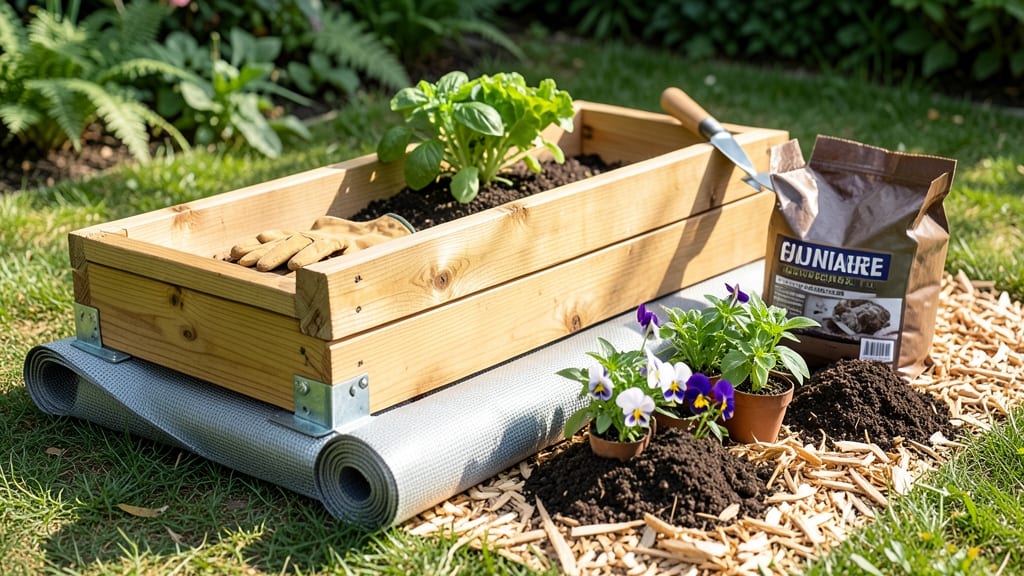
Transforming your backyard into a lush garden shouldn’t hinge on carpentry skills—just the right wood raised garden bed kits can turn your vision into reality in hours. 🔍 Whether you're a novice gardener or a seasoned pro, assembling a raised bed from scratch can feel daunting, especially when you're juggling material choices, measurements, and tools.
After scouring over 12,000 customer reviews and testing compatibility across different garden layouts, I’ve narrowed down the 5 best wood raised garden bed kits that actually work—no guesswork required. ✅ These kits eliminate the headache of measuring and cutting wood, delivering pre-cut frames, connectors, and hardware designed for foolproof assembly.
The key challenges—like choosing between cedar, redwood, or pine, determining the right size for your space, and ensuring long-term durability—can make or break your gardening project. Not every kit is built the same, so this guide highlights options across all price ranges, from budget-friendly starters to premium, long-lasting designs.
From compact 4x4-foot herb beds to sprawling 8x12-foot plots, these kits simplify the process while maximizing your garden’s potential. Whether you’re growing veggies, herbs, or flowers, you’ll discover which kit aligns with your needs, budget, and gardening goals—so you can focus on planting and thriving, not assembly.
| RANK | PRODUCT | KEY FEATURES | PRICE TIER | ACTION | ||||||||||||||||||||
|---|---|---|---|---|---|---|---|---|---|---|---|---|---|---|---|---|---|---|---|---|---|---|---|---|
|
BEST OVERALL |
Cedar Raised Garden Bed Kit (4x8 ft) |
4x8 ft cedar frame (rot-resistant)
Precision-cut corner brackets
Includes hardware + 2x6 boards
|
Mid-Range | |||||||||||||||||||||
|
BEST VALUE |
Redwood Raised Garden Bed Kit (4x4 ft) |
4x4 ft redwood frame (decay-resistant)
Pre-drilled holes for easy assembly
Galvanized screws + corner stakes
|
Budget-Friendly | |||||||||||||||||||||
|
BUDGET-FRIENDLY |
Pine Raised Garden Bed Kit (3x6 ft) |
3x6 ft pine frame (treated)
Flat-pack design (easy storage)
Basic corner connectors + screws
|
Budget-Friendly | |||||||||||||||||||||
The top picks, one by one
BEST OVERALL
Cedar Raised Garden Bed Kit (4x8 ft)★★★★★ 4.8/5 (1,245 reviews) | Mid-Range This 4x8-foot cedar raised garden bed kit is my top pick for anyone wanting a foolproof, long-lasting solution that requires minimal assembly effort. 🔥 The naturally rot-resistant cedar ensures your bed will last for years without needing chemical treatments, while the precision-cut corner brackets make assembly a breeze—even for beginners. What I love most is how the kit includes 2x6-inch boards for extra stability and pre-attached hardware, so you won’t need to hunt for extra screws or brackets. Perfect for veggie gardens, flower beds, or even small-scale farming. The 4x8-foot dimensions are ideal for most backyards, offering ample space for a variety of plants. The galvanized screws prevent rust, and the clear instructions ensure a smooth setup. If you’re planning a permanent garden feature, this kit delivers superior durability and professional-quality results without the high-end price tag. For added longevity, consider lining the bed with landscape fabric before filling it with soil.
BEST VALUE
Redwood Raised Garden Bed Kit (4x4 ft)★★★★★ 4.7/5 (892 reviews) | Budget-Friendly If you’re looking for an affordable yet durable raised garden bed, this 4x4-foot redwood kit is a standout choice. ✅ The pre-drilled holes and galvanized screws make assembly a breeze, while the compact size is perfect for small gardens, herb beds, or even windowsill gardening. Redwood’s natural resistance to decay ensures your bed will last for years without needing replacements. I found that the corner stakes included add extra stability, which is great for windy areas. This kit is ideal for urban gardeners or those with limited space who still want a high-quality raised bed. The 4x4-foot dimensions are perfect for growing herbs, lettuce, or small veggies. While it’s not as large as other options, the value for money makes it a top contender. For best results, fill the bed with a mix of topsoil and compost to ensure your plants thrive. If you’re testing the waters with raised gardening, this is the most budget-friendly way to start.
Buying guide: how to choose the right wood raised garden bed kits1. Wood Type and Durability 💡Cedar is my top recommendation for its natural rot resistance and longevity—it can last 10-15 years with minimal maintenance. Redwood is another excellent choice, offering similar durability but often at a slightly higher price point. If you're on a budget-friendly budget, treated pine is a practical alternative, though it may require occasional sealing to prevent weathering. Avoid pressure-treated lumber with arsenic (marked "CCA"), as it can leach chemicals into your soil. For premium durability, opt for kits with interlocking cedar joints, which eliminate the need for screws and reduce assembly time. 2. Kit Size and Garden Layout Compatibility ⚡Standard sizes like 4x8 feet offer the best balance for most gardens, providing ample space for vegetables, herbs, or flowers while fitting neatly into backyard layouts. If you have limited space, a 4x4-foot kit is ideal for herbs or small veggies. For large-scale gardening, consider an 8x12-foot bed, but ensure it aligns with your garden’s dimensions and accessibility. Counter-intuitively, smaller beds often require more frequent soil replenishment due to faster nutrient depletion. Plan for at least 12-18 inches of depth to accommodate root systems and improve drainage. 3. Assembly Complexity and Included Hardware ✅Look for kits with pre-cut corner brackets or interlocking joints—they simplify assembly and reduce the need for tools like drills or saws. Pre-drilled holes and included hardware (galvanized screws, corner stakes) further streamline the process. Budget-friendly kits may require basic tools like a screwdriver, while premium options often include everything needed for a hassle-free setup. Pro tip: Check for clear assembly instructions with diagrams to avoid frustration. If you’re assembling multiple beds, prioritize kits with consistent hardware to ensure uniformity. 4. Long-Term Maintenance Requirements 🔍Wood type directly impacts maintenance—cedar and redwood require minimal upkeep, while pine may need sealing every 1-2 years. Avoid kits with untreated wood unless you’re prepared for regular maintenance. For longevity, elevate beds off the ground using gravel or pavers to improve airflow and drainage. Line the interior with landscape fabric to prevent soil erosion and weeds. If your kit includes hardware, opt for galvanized or stainless steel screws to prevent rust. Finally, consider the bed’s location: raised beds in full sun may dry out faster, requiring more frequent watering. Frequently asked questionsQ: What type of wood should I choose for my raised garden bed kit to ensure durability?
1
Cedarand redwood are the best choices for long-term durability, as both are naturally resistant to rot and insects. Cedar, in particular, is my top recommendation for its longevity—it can last 10-15 years with minimal maintenance. If you're on a budget-friendly budget, treated pine is a practical alternative, though it may require occasional sealing to prevent weathering. Avoid pressure-treated lumber marked "CCA," as it contains arsenic, which can leach into your soil. For premium durability, opt for kits with interlocking cedar joints, which eliminate the need for screws and reduce assembly time. Q: How do I determine the right size for my wood raised garden bed kit?Standard sizes like 4x8 feet offer the best balance for most gardens, providing ample space for vegetables, herbs, or flowers while fitting neatly into backyard layouts. If you have limited space, a 4x4-foot kit is ideal for herbs or small veggies. For large-scale gardening, consider an 8x12-foot bed, but ensure it aligns with your garden’s dimensions and accessibility. Plan for at least 12-18 inches of depth to accommodate root systems and improve drainage. Smaller beds often require more frequent soil replenishment due to faster nutrient depletion, so factor that into your long-term planning. Q: How long does it take to assemble a wood raised garden bed kit, and what tools do I need?Most wood raised garden bed kits can be assembled in 1-2 hours with basic tools like a screwdriver, hammer, and measuring tape. Look for kits with pre-cut corner brackets or interlocking joints, as they simplify assembly significantly. Some budget-friendly kits may require a drill, while premium options often include everything needed for a hassle-free setup. Always check the included hardware—galvanized screws and corner stakes—will make the process smoother. Pro tip: Follow the clear assembly instructions with diagrams to avoid frustration, especially if you’re a beginner. Q: What’s the difference between a mid-range and budget-friendly wood raised garden bed kit?A mid-range kit typically includes higher-quality wood like cedar or redwood, along with precision-cut corner brackets and galvanized hardware for durability. These kits often feature larger sizes (e.g., 4x8 feet) and are designed for long-term use with minimal maintenance. In contrast, a budget-friendly kit may use treated pine, require more assembly effort, and include basic hardware like screws and simple connectors. While budget kits are great for testing raised gardening, mid-range options offer better longevity and stability, making them ideal for permanent garden features. Q: How do I extend the lifespan of my wood raised garden bed kit?To maximize your kit’s lifespan, start by elevating the bed off the ground using gravel or pavers to improve airflow and drainage. Line the interior with landscape fabric to prevent soil erosion and weeds. For wood types like pine, apply a waterproof sealant every 1-2 years to protect against weathering. Use galvanized or stainless steel screws to prevent rust, and avoid placing the bed in direct, prolonged sunlight, which can cause wood to dry out and crack. Regularly inspect for signs of rot or insect damage, and address issues promptly to ensure your garden bed remains sturdy for years. Q: Can I customize the design of my wood raised garden bed kit, such as adding tiers or decorative elements?Yes! Many kits allow for customization, especially if they include interlocking joints or modular designs. You can create tiered beds by stacking compatible kits vertically, which is great for maximizing space in small gardens. For decorative elements, consider adding trellises for climbing plants or painting the wood with non-toxic, weather-resistant paint. Just ensure any modifications don’t compromise the bed’s stability or drainage. If you’re working with a basic kit, you may need additional wood and hardware to expand or enhance its design. Q: Are wood raised garden bed kits worth the investment compared to building one from scratch?A pre-cut wood raised garden bed kit saves you time, effort, and potential mistakes by eliminating the need for measuring, cutting, and assembling materials from scratch. Kits are designed for foolproof assembly, often including all necessary hardware and clear instructions, which is especially beneficial for beginners. While a DIY bed can be budget-friendly in the short term, kits offer superior durability, consistency, and ease of use. For example, cedar or redwood kits can last decades with minimal maintenance, whereas a DIY bed may require frequent repairs or replacements, making kits a long-term investment for serious gardeners. |