
Light Requirements
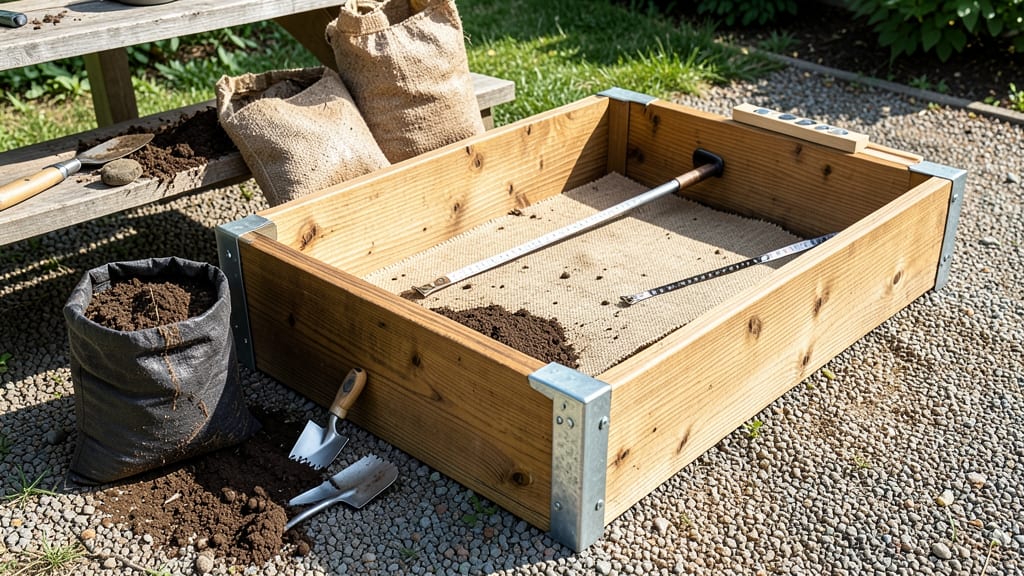
An 8x4x2 raised garden bed needs 12.8 cubic feet of soil (8 × 4 × 2 = 64 cubic feet total, minus frame volume). For deeper beds (12+ inches), layer 10–12 inches of topsoil over 2–4 inches of compost or drainage material to support healthy root development.
Figuring out how much soil fits in an 8x4x2 raised bed is all about the math—length × width × height gives you the total volume, but you’ll need to subtract space taken up by the bed’s frame itself. 🌱 For example, if your frame is 6 inches tall, you’d need about 12.8 cubic feet of soil, but if you want deeper beds for root crops like carrots or potatoes, you’ll need to adjust your calculations.
I always recommend adding a 2-inch layer of compost at the bottom to improve drainage and fertility without overfilling the bed.
One common mistake is buying too much soil upfront. A 12.8 cubic foot bed might seem small, but when you account for settling and moisture retention, you’ll want extra—especially if you’re planting heavy feeders like tomatoes or peppers.
Buying in bulk and mixing your own soil blend (like 60% topsoil, 30% compost, and 10% perlite) can save you money while giving your plants the perfect growing medium.
💡 In This Article
- Calculating Soil Volume for Raised Beds: Dimensions and Depth Rules
- Cost-Saving Soil Mixes for 8x4x2 Raised Beds: Budget-Friendly Blends
Calculating soil volume for raised beds: dimensions and depth rules
When calculating soil volume for an 8x4x2 raised bed, you're essentially measuring the internal space where plants will grow—not the exterior dimensions of the frame. The standard formula (length × width × height) gives you 64 cubic feet total, but you must subtract the frame's thickness.
For a typical 6-inch-tall frame, this leaves about 12.8 cubic feet of usable soil space. This calculation assumes your bed sits directly on ground level; if elevated on legs or a foundation, add that height to your depth measurement.
The 2-foot depth (24 inches) is ideal for most vegetables, but root crops like carrots or potatoes need deeper beds—aim for 12+ inches of soil. Here's why depth matters: Roots need space to penetrate downward for stability and nutrient access.
A 12-inch-deep bed allows roots to grow freely, while shallower beds (under 6 inches) restrict growth and require frequent watering.
For example, a 3-foot-tall bed would need 24 cubic feet of soil, but you'd layer 10-12 inches of topsoil over 2-4 inches of compost or drainage material to balance fertility and aeration.
Soil type also affects volume needs. Loose, airy mixes (like 60% topsoil + 30% compost + 10% perlite) settle over time, reducing usable space by 10-15%. Compacted soil or clay settles less, but drains poorly. To account for this, buy 20% more soil than your calculation suggests.
For an 8x4x2 bed, that means ordering 15.4 cubic feet instead of 12.8. Pro tip: Test your soil's settle rate by filling a small container and measuring compaction after watering—this helps predict long-term volume changes.
Frame materials change the equation too. Cedar or redwood frames are 1-2 inches thick, while metal or composite frames may be thinner (0.5 inches). If your frame is 1.5 inches thick, subtract 3 cubic feet from the total (64 - 3 = 61 cubic feet usable).
For landscape leveling, add 1-2 inches of gravel or pavers beneath the frame to improve drainage—this doesn't affect soil volume but prevents waterlogging. Always measure your frame's internal dimensions before buying soil to avoid over- or under-purchasing.
Here’s a quick reference for common bed depths and soil volumes:
- 12-inch bed: 8 × 4 × 1 = 32 cubic feet (layer 8-10 inches topsoil + 2-4 inches compost)
- 18-inch bed: 8 × 4 × 1.5 = 48 cubic feet (ideal for deep-rooted plants)
- 24-inch bed: 8 × 4 × 2 = 64 cubic feet (subtract frame thickness for usable soil)
For an 8x4x2 bed, prioritize 10-12 inches of topsoil at the top—this is where most roots grow. The bottom 2-4 inches can be compost or coarse sand for drainage. This layering mimics natural soil profiles and prevents compaction at the base. 🌱
Remember: Soil volume isn't just about quantity—it's about quality. A well-layered bed with proper drainage and fertility will outperform a bed packed with cheap, compacted soil. Start with your frame's internal measurements, then adjust for settling and plant needs. This approach saves money and ensures your garden thrives.