
Companion Plants
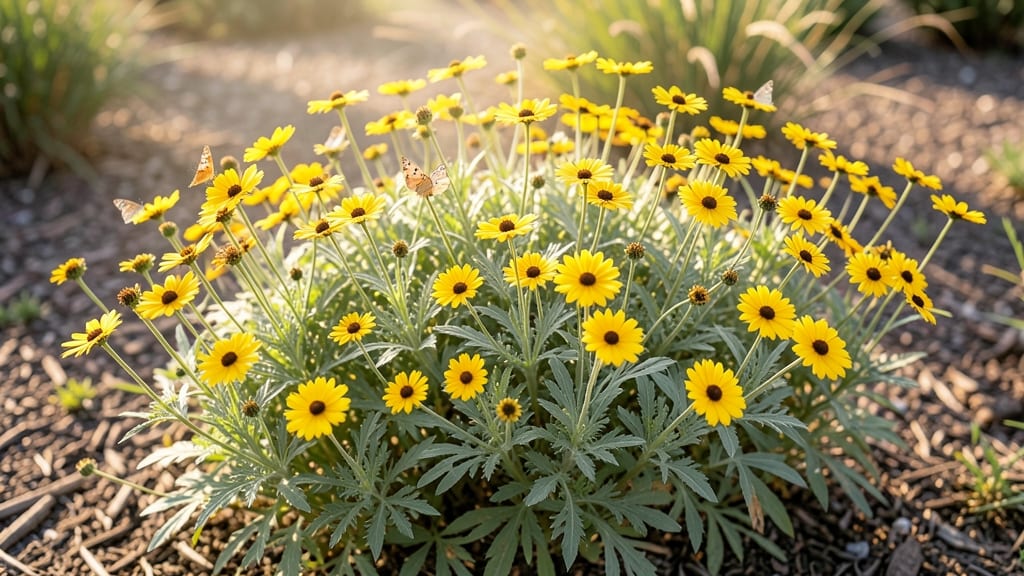
Create a vibrant, low-maintenance flower bed that attracts bees, butterflies, and hummingbirds with these ten pollinator-friendly plants. These blooms not only thrive together but also support local ecosystems while adding year-round color to your garden.
Black-Eyed Susan Rudbeckia Hirta
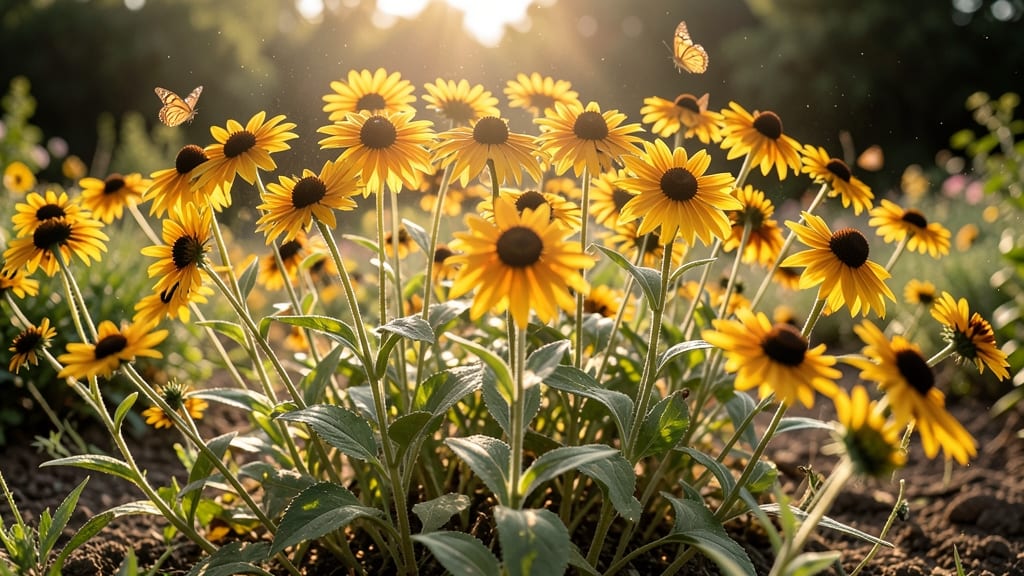
When you need a low-maintenance star for your sunny flower beds, Black-Eyed Susan (Rudbeckia hirta) delivers year after year. This cheerful perennial blooms from late summer straight through frost, offering golden-yellow daisies that butterflies can't resist.
Thriving in full sun to partial shade, Black-Eyed Susans handle drought conditions once established, making them ideal for busy gardeners or water-restricted areas. Their dark centers contrast beautifully with surrounding plants, and they self-seed modestly for natural spread. Deadhead spent blooms to encourage more flowers and prevent self-seeding if desired.
Perfect for cottage gardens, pollinator patches, or cutting gardens, this plant brings effortless color to your space while supporting local ecosystems. 🌻
Coneflower Echinacea Purpurea
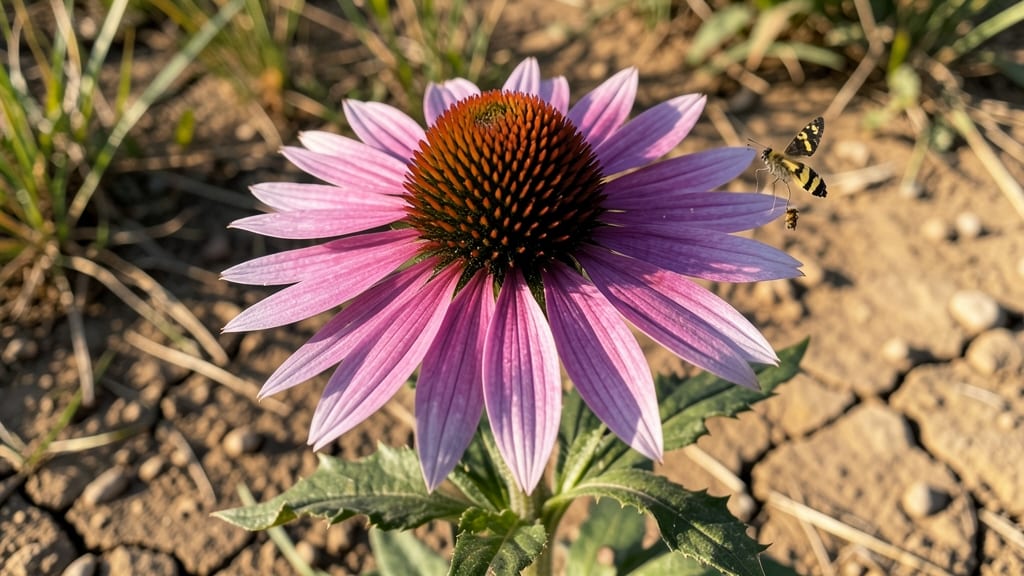
Need a low-maintenance pollinator magnet that thrives even in less-than-ideal soil? Meet coneflower (Echinacea purpurea), the purple-pink daisy with a spiky center that’s as tough as it is beautiful. This hardy perennial blooms from mid-summer to fall, offering bees and butterflies a smorgasbord of nectar while adding long-lasting color to your garden.
Coneflowers handle poor soil like a champ, making them perfect for neglected spots or new beds where other plants might struggle. Plant them in full sun to partial shade and water moderately—once established, they’re drought-tolerant. Deadhead spent blooms to encourage more flowers, and watch as they self-seed for years of effortless beauty.
Ideal for beginner gardeners and pollinator enthusiasts, coneflowers pair well with Black-Eyed Susans and lavender for a sun-loving, low-fuss flower bed. Their year-round structure (even after blooming) adds winter interest too! 🌻
Bee Balm Monarda Didyma
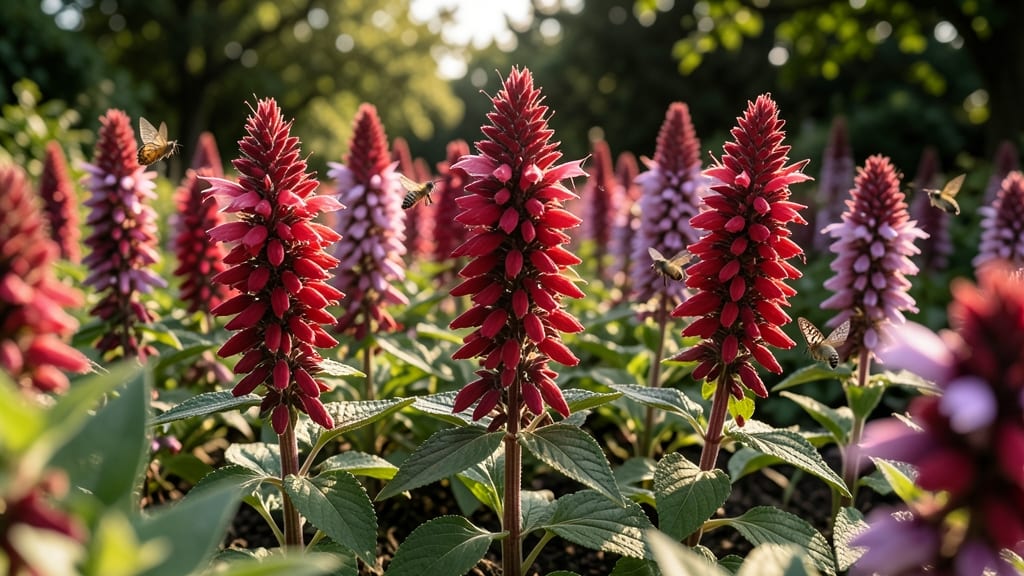
Want a flower that brings color, fragrance, and life to your garden while supporting pollinators? Bee balm (Monarda didyma) is your answer—its vibrant blooms attract hummingbirds, bees, and butterflies while thriving in partial shade.
This fragrant perennial produces striking red, pink, or purple flowers from mid-summer to fall, perfect for shady spots where other plants struggle. Beyond its beauty, bee balm has medicinal properties—its leaves can be used in teas for sore throats or digestive health, making it a dual-purpose garden star.
Herbal gardeners and pollinator enthusiasts will love this easy-to-grow plant, which spreads modestly and returns year after year. Just keep an eye out for powdery mildew in humid climates. 🌻
Lavender Lavandula Angustifolia
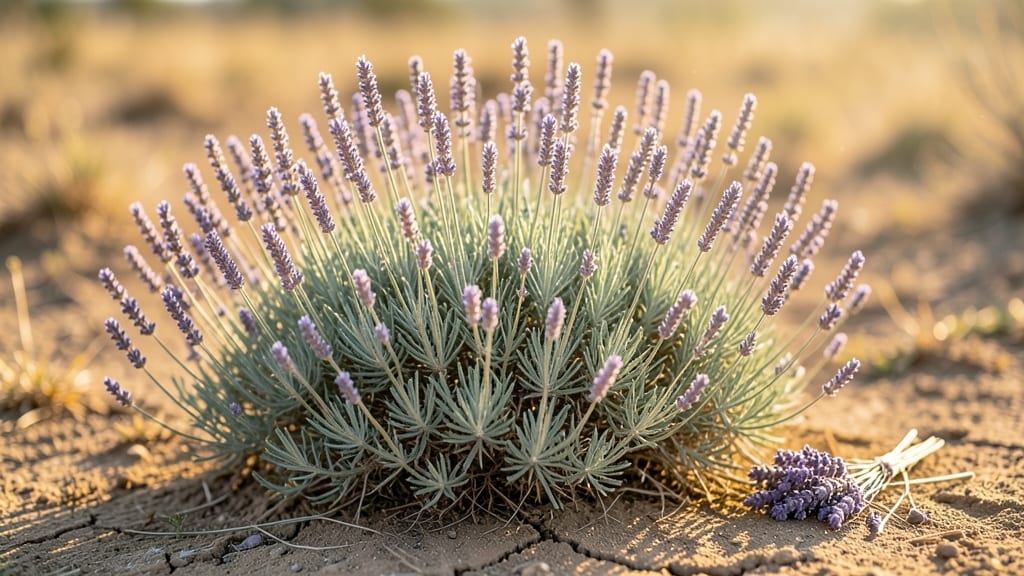
Looking for a plant that adds fragrance, repels pests, and thrives with almost no effort? English lavender (Lavandula angustifolia) is your answer—this drought-resistant perennial turns even the driest spots into a fragrant oasis.
Plant it in full sun with well-draining soil, and you’ll enjoy its silvery-green foliage and long-lasting purple blooms from early summer to fall. Lavender deters mosquitoes, aphids, and even deer while providing nectar for bees and butterflies. Prune lightly after blooming to encourage bushier growth.
Perfect for beginners, urban gardeners, or anyone with dry soil, lavender’s versatility makes it a must-have for pollinator gardens and low-maintenance beds. 🌿
Salvia Salvia Nemorosa
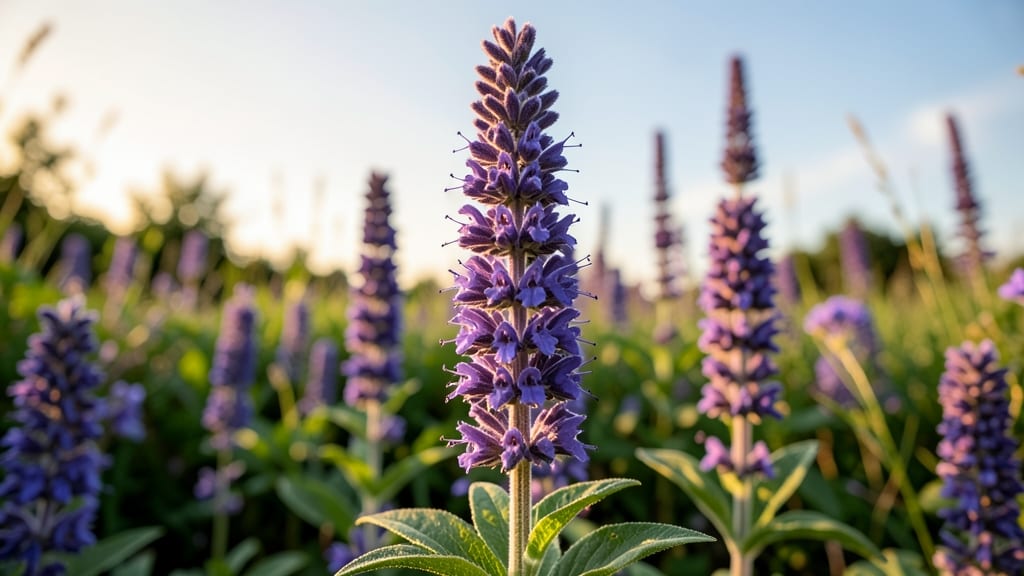
Looking to add height and drama to your flower beds without sacrificing pollinator power? Salvia nemorosa delivers tall, architectural spikes of purple-blue blooms that stand out from mid-summer through fall. Unlike low-growing perennials, these upright stems reach 3-4 feet tall, creating a striking vertical focal point that draws bees from miles away.
This drought-tolerant workhorse thrives in full sun and well-drained soil, making it perfect for hot, dry climates or low-maintenance gardens. Plant in groups of 3-5 for maximum impact, and pair with shorter perennials like lavender or catmint to highlight its height. Deadheading spent blooms encourages more flowers, and the seed heads add winter interest.
Ideal for urban gardens or pollinator patches, Salvia nemorosa brings both beauty and function. Its late-season blooms provide essential nectar when other flowers fade, making it a must-have for bee enthusiasts and gardeners who love bold, structured plants. 🌿
Daylily Hemerocallis Fulva
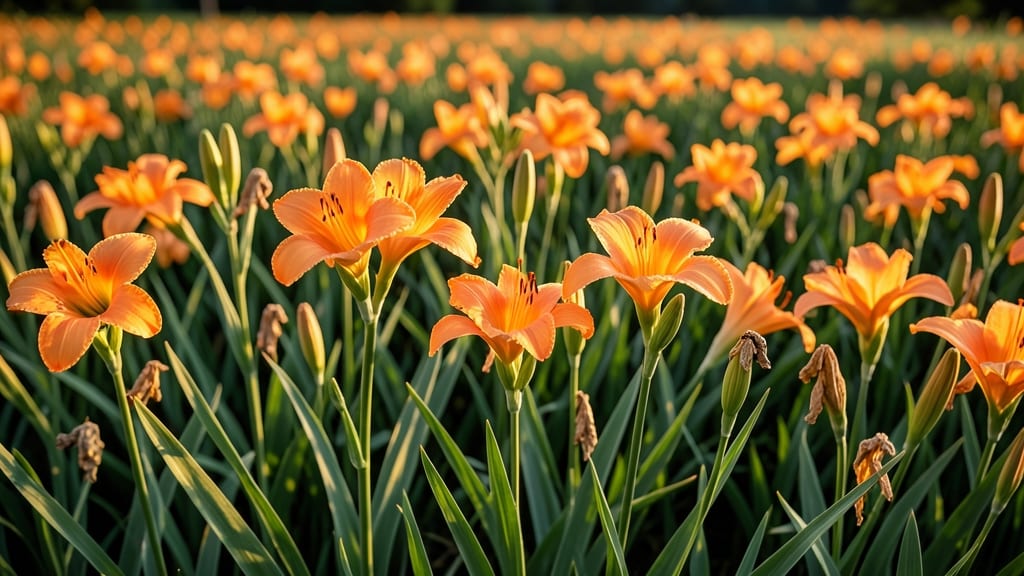
If you love a garden that feels like a nonstop parade of color, daylily (Hemerocallis fulva) is your secret weapon. Unlike many perennials that bloom in bursts, daylilies open one vibrant orange bloom at a time—each lasting just 24 hours—but new flowers continuously replace them from early summer to fall, creating a seamless display.
This easy-to-grow perennial thrives in partial to full sun and adapts to almost any soil type, from clay to sandy loam. Plant clumps 18-24 inches apart for full coverage, and watch as they spread over time with minimal care. While individual blooms fade quickly, the plant’s lush foliage provides year-round structure, and its deer-resistant nature makes it a practical choice for problem areas.
Perfect for beginner gardeners or anyone craving low-maintenance color, daylilies pair beautifully with coneflowers and lavender for a pollinator-friendly bed that keeps blooming until frost. 🌻
Shasta Daisy Leucanthemum Superbum
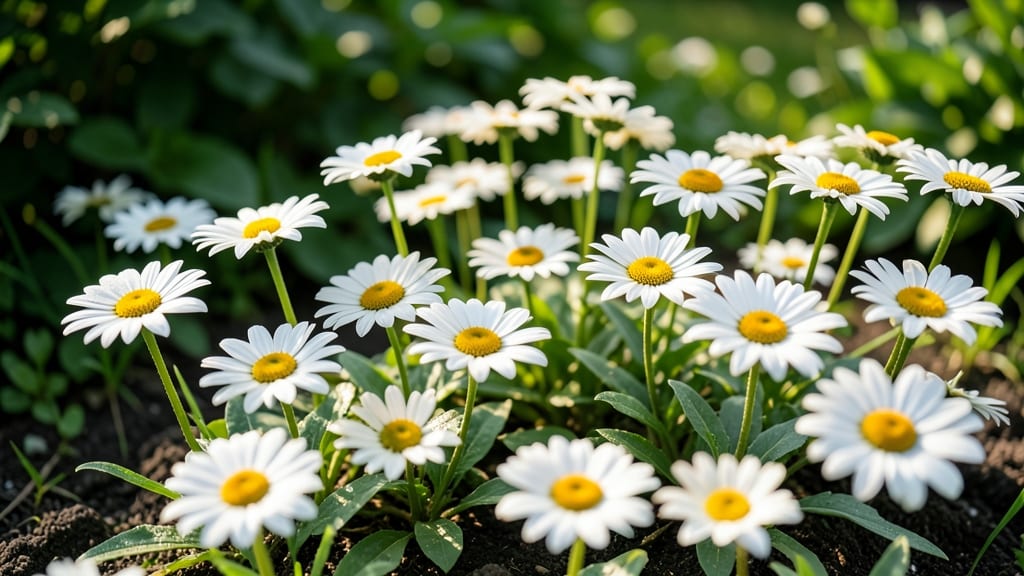
Craving a timeless, cheerful addition to your flower beds that never fails to impress? Shasta daisies (Leucanthemum superbum) deliver bold white blooms with golden centers that light up gardens from early summer through fall—long after many annuals have faded.
These hardy perennials thrive in full sun to partial shade and handle most soil types, making them perfect for beginners or busy gardeners. Their airy, daisy-like flowers attract ladybugs, lacewings, and other beneficial insects, while their self-cleaning habit means fewer chores for you. For maximum impact, plant them in clusters of 3-5 for a natural, romantic look.
Shasta daisies are the ultimate low-maintenance pollinator magnet—ideal for cottage gardens, cutting gardens, or even containers. Their versatility makes them a must-have for any flower bed. ✨
Blanket Flower Gaillardia Pulchella
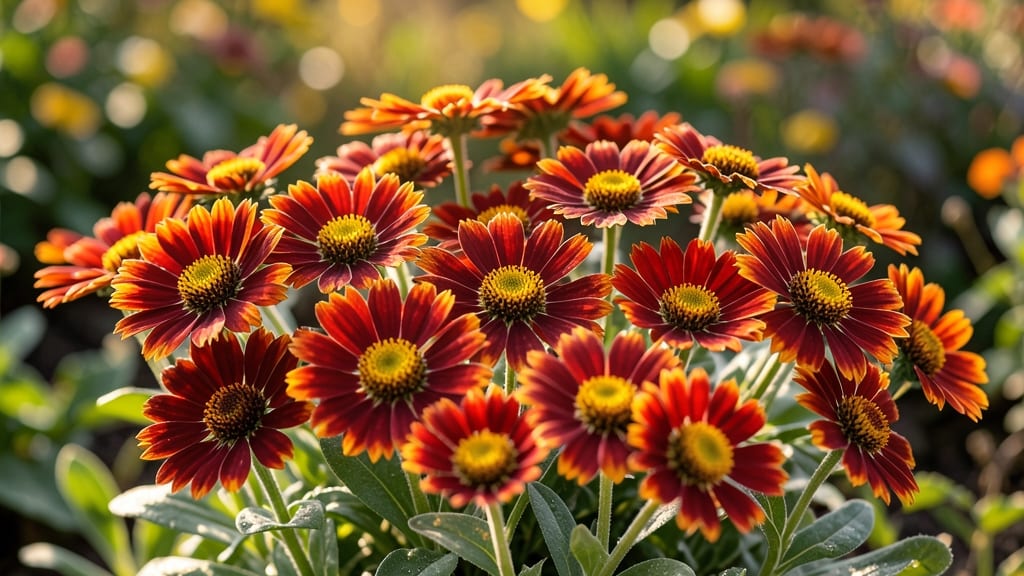
If you want a bold splash of color that won’t wilt in the heat, blanket flower (Gaillardia pulchella) is your go-to annual. These cheerful daisy-like blooms combine fiery red and sunny yellow petals, creating a striking two-tone display that catches the eye—and the attention of pollinators.
Thriving in full sun, blanket flower is a drought-tolerant superstar that needs minimal water once established. Plant it in well-draining soil and watch it attract butterflies and bees all season long. The flowers bloom continuously from early summer until frost, making them a reliable choice for long-lasting color. For extra vibrancy, deadhead spent blooms to encourage more flowers and prevent self-seeding if you prefer controlled growth.
Perfect for beginner gardeners and pollinator enthusiasts, blanket flowers pair beautifully with other sun-lovers like coneflowers and salvia. Their bright hues add instant energy to borders and containers, proving that stunning blooms don’t require constant care. 🌻
Russian Sage Perovskia Atriplicifolia
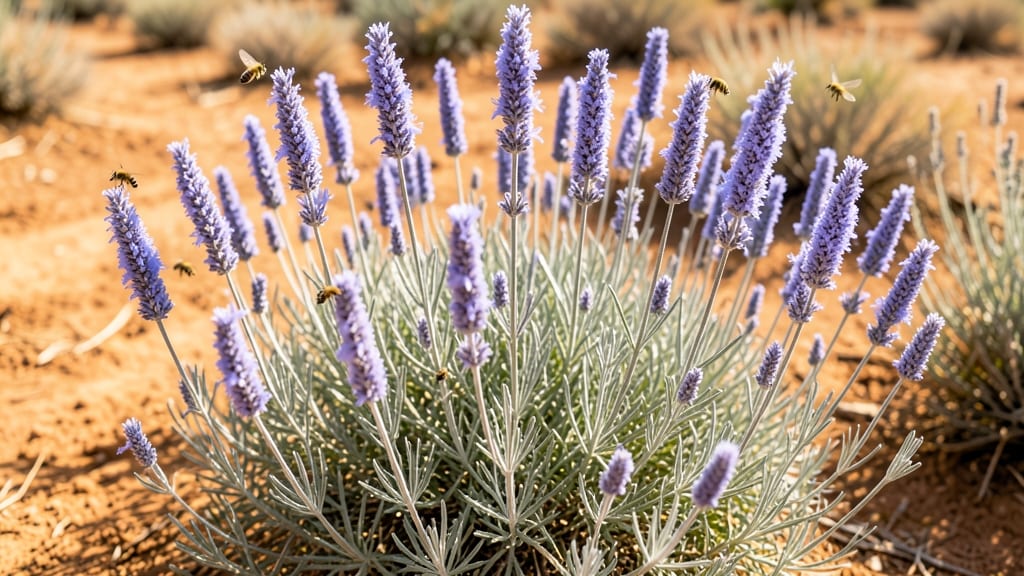
Struggling to find a drought-resistant plant that adds height and pollinator appeal to your dry garden? Russian sage (Perovskia atriplicifolia) is the answer—its airy, lavender-blue spikes bloom from mid-summer to fall, creating a soft, misty effect that contrasts beautifully with grasses and other perennials.
This silver-foliaged workhorse thrives in full sun and poor soil, making it ideal for rocky slopes or water-wise landscapes. Plant it at the back of borders (3-4 feet tall) to frame shorter blooms like lavender or catmint. Russian sage’s late-season flowers provide critical nectar when other plants fade, and its deer-resistant foliage adds year-round structure.
Perfect for xeric gardens or pollinator patches, this low-maintenance perennial brings effortless elegance while supporting local ecosystems. 🌿
Coreopsis Tickseed Coreopsis Verticillata

Want a bright, cheerful pollinator magnet that blooms from early summer straight through fall? Coreopsis verticillata (tickseed) delivers sunshine-yellow daisies that butterflies adore while requiring almost no water once established. This drought-tolerant perennial thrives in full sun, making it perfect for hot, dry climates or low-maintenance gardens.
Plant in well-drained soil and watch as its fine, fern-like foliage creates a lush backdrop for the cheerful blooms. Deadhead spent flowers to encourage more blooms, and enjoy its long-lasting color that pairs beautifully with purple coneflowers or lavender. Unlike annuals, this plant returns year after year with minimal care.
Ideal for beginner gardeners and pollinator enthusiasts, Coreopsis verticillata brings effortless beauty to sunny borders, meadows, or cutting gardens. Its butterfly-friendly nature makes it a must-have for any low-water, high-impact flower bed. 🌻