
Trees
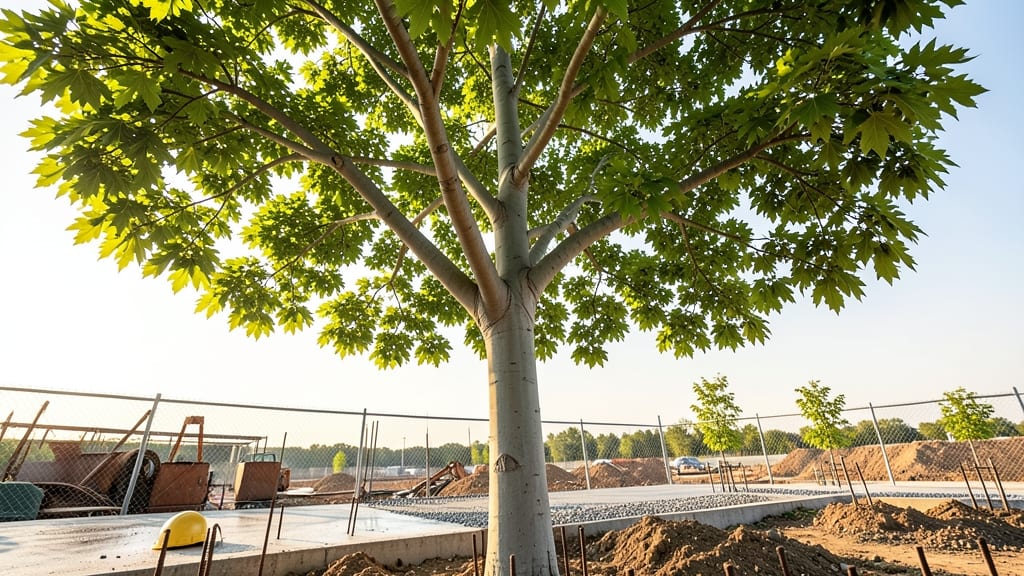
Identifying trees by leaf shape opens doors to stunning shade providers. These 10 trees with distinctive 5-lobed leaves offer beauty, hardiness, and perfect canopies for gardens, parks, and urban landscapes—each with unique growing requirements and benefits.
Sugar Maple Tree Identification Guide
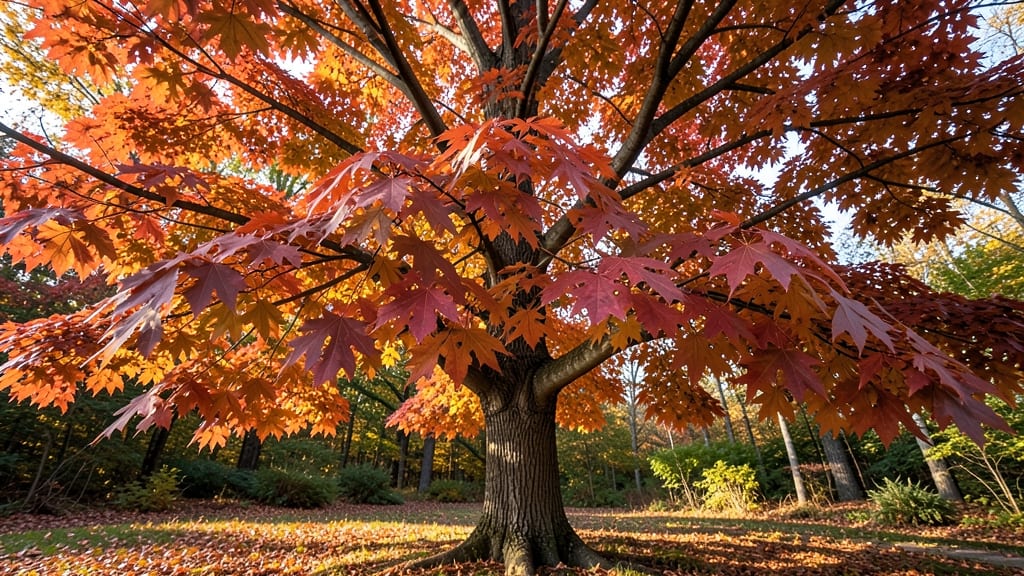
If you're dreaming of a landscape that bursts into fiery colors each autumn, the sugar maple (Acer saccharum) is your star player. This iconic tree isn’t just about stunning foliage—it’s also the source of maple syrup and a year-round shade provider that elevates any garden.
Look for deeply lobed leaves with serrated edges that turn brilliant red, orange, or yellow in fall. Mature trees reach 60-80 feet tall, making them perfect for large properties or park settings. They thrive in temperate climates (USDA zones 3-8) with well-drained, slightly acidic soil and full sun to partial shade. For syrup production, tap sap in early spring when temperatures fluctuate above freezing.
This tree is ideal for homeowners who want low-maintenance elegance with high rewards—whether you’re after shade, fall color, or even a small-scale syrup harvest. Just give it space to grow! 🌟
Red Oak Tree Characteristics Explained
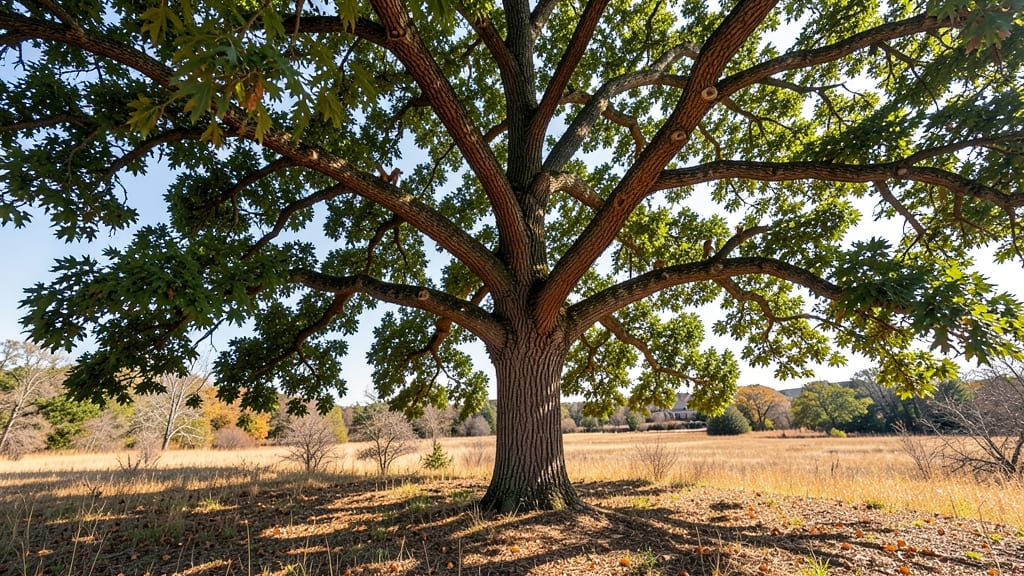
If you're looking for a drought-tolerant shade provider that grows quickly and supports local wildlife, the red oak is your best bet. Unlike the sugar maple’s delicate fall colors, red oaks deliver dense, year-round shade while requiring minimal water once established—ideal for large properties or urban forests.
This hardy tree thrives in full sun and well-drained soil, reaching heights of 60-80 feet with a broad canopy that blocks harsh sunlight. Its deep root system makes it resilient against storms, and the acorns it produces feed birds, squirrels, and other wildlife. Prune young trees to shape their structure, but mature red oaks need little maintenance beyond occasional debris removal.
Perfect for homeowners seeking low-maintenance shade or urban planners restoring ecosystems, red oaks turn any landscape into a thriving habitat. 🌟
White Oak Tree Care Essentials
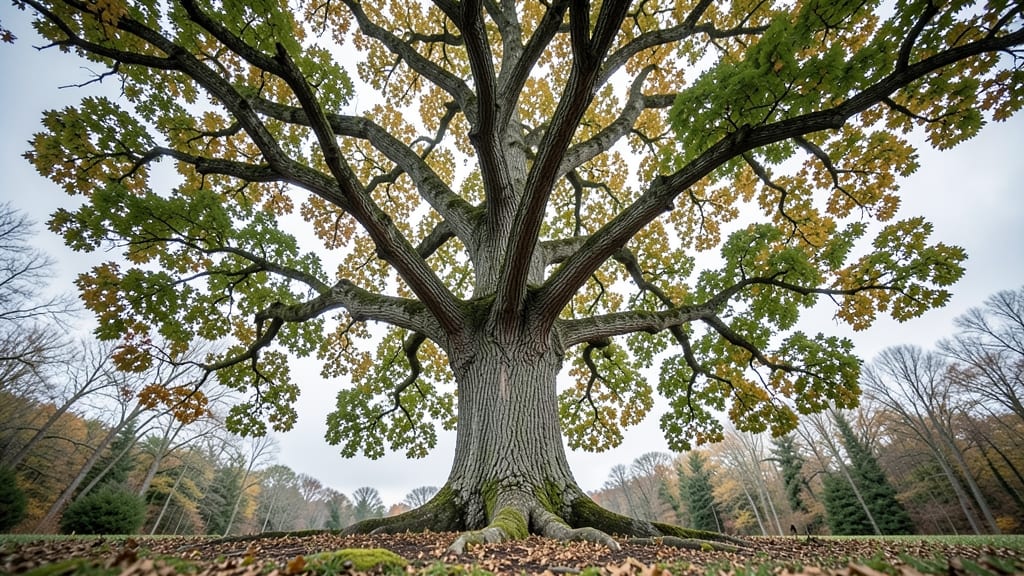
If you're designing a heritage landscape or formal garden, the white oak (Quercus alba) delivers timeless elegance with minimal fuss. Unlike its fast-growing oak cousins, this tree matures slowly—adding 12-24 inches per year—but rewards patience with a sturdy, long-lived structure that can live for centuries.
Thriving in full sun to partial shade, white oaks adapt to a wide range of soils, though they prefer well-drained, slightly acidic conditions. Prune only to remove dead branches, as their durable wood resists splitting and disease. The tree’s acorns also attract wildlife, making it a functional addition to ecological gardens. 🌟
This tree’s low-maintenance elegance makes it ideal for gardeners seeking a statement piece without the upkeep of high-maintenance species. Plant one now for a legacy that will outlast generations. 🌻
Boxelder Tree Growing Conditions
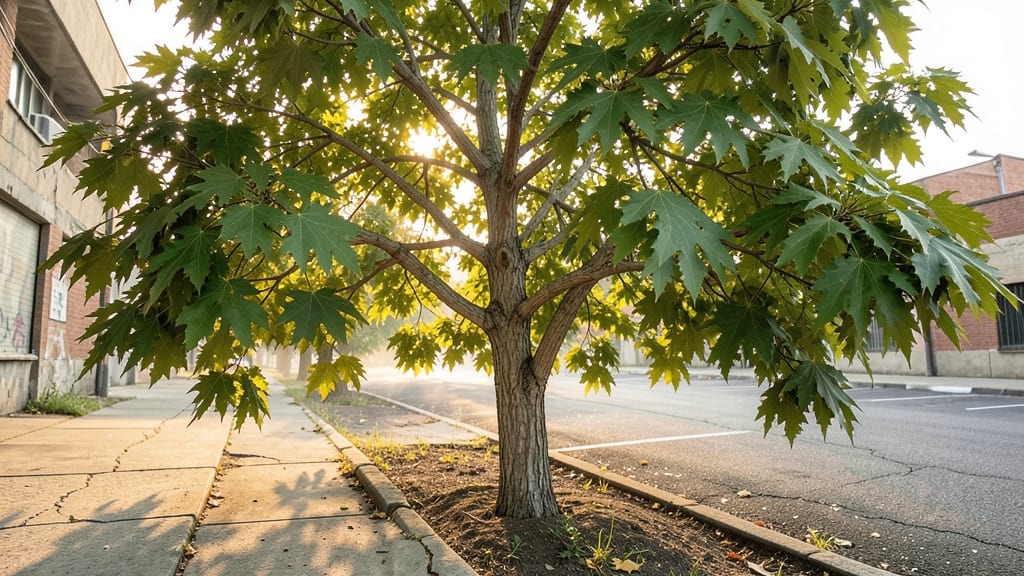
Struggling to find a shade tree that thrives in urban conditions without fuss? The boxelder tree (Acer negundo) is your solution—it tolerates pollution, compacted soil, and even sidewalk cracks while still delivering fast-growing shade.
This adaptable tree grows best in full sun to partial shade and handles poor soil quality, making it ideal for city planters or small yards. Water moderately during the first year, then reduce once established—it’s surprisingly drought-tolerant once mature. Its five-lobed leaves (though smaller and more jagged than maples) add subtle texture to urban landscapes.
Perfect for beginners, eco-conscious gardeners, or city dwellers with limited space, this tree offers low-maintenance shade without the high demands of other species. 🌟
Pin Oak Tree Landscape Benefits
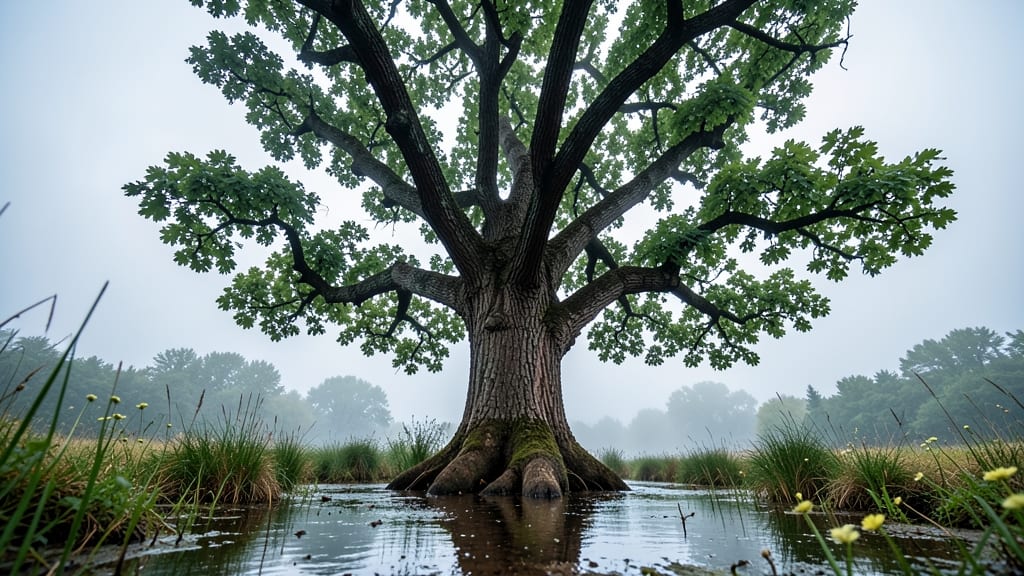
Transform soggy, underutilized spaces into stunning landscapes with the pin oak—a hardy oak with a vase-shaped silhouette that thrives where others fail. Unlike drought-loving oaks, this tree loves wet soils, making it perfect for rain gardens, ponds, or streamsides where most trees would rot.
Plant it in full sun to partial shade and watch its deeply lobed leaves cascade elegantly, creating a natural focal point. The fast growth rate (24-36 inches per year) means you’ll see dramatic results quickly, while its deep roots stabilize shorelines and prevent erosion. Just avoid planting near sidewalks—its roots can lift pavement over time.
Ideal for eco-conscious gardeners, wetland restoration projects, or waterfront properties, this oak delivers year-round interest with minimal care. Its adaptability turns "problem areas" into prized features. 💚
Honey Locust Tree Identification Tips
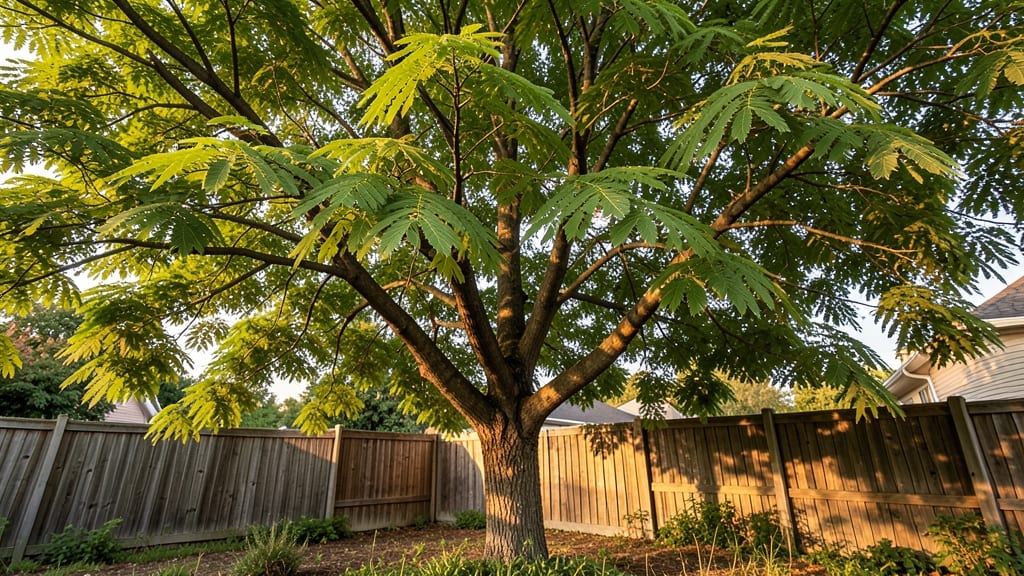
Need a fast-growing, low-maintenance tree that doubles as a natural windbreak or privacy screen? The honey locust (Gleditsia triacanthos)—especially its thornless varieties—delivers all that and more, with minimal pest issues. Unlike its spiky relatives, these trees grow 3-5 feet per year, making them ideal for quick solutions in rural or suburban yards.
Look for compound leaves with 5-12 leaflets arranged in pairs, plus its distinctive pods that resemble edible beans (though they’re not). Plant in full sun with well-drained soil, and watch it thrive in USDA zones 3-9. Prune only to shape young trees, as mature honey locusts develop a strong, upright form naturally. Their drought tolerance and pest resistance make them a dream for busy gardeners.
Perfect for farmers, landowners, or suburban homeowners needing a quick, durable screen, honey locusts offer both function and beauty without the upkeep of high-maintenance species. 🌱
Japanese Maple Tree Varieties
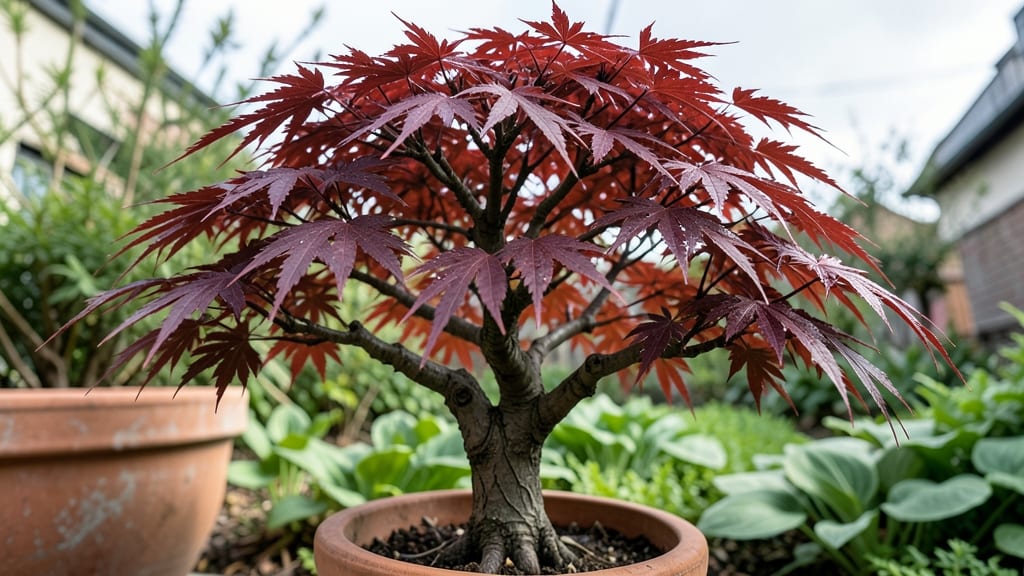
When your garden space is small but your love for drama is big, Japanese maple varieties—especially dwarf types like 'Bloodgood'—deliver jaw-dropping foliage without the footprint. These trees pack centuries-old elegance into containers or tiny yards, making them the secret weapon for urban gardeners and bonsai lovers alike.
The 'Bloodgood' cultivar, for example, grows just 15-25 feet tall with vibrant deep red-purple leaves that intensify in cooler weather. For true miniatures, consider 'Shishigashira' (mossy bark maple) or 'Emperor I' (with striking weeping branches)—both thrive in partial shade and moist, well-drained soil. Prune lightly in late winter to maintain shape, and protect young trees from harsh winds. Their five-lobed leaves add texture while their slow growth ensures they stay manageable for decades.
Perfect for balcony gardens, courtyard focal points, or bonsai collections, these varieties let you enjoy the same ornamental magic as their towering cousins—without sacrificing your patio space. 🌱
Black Walnut Tree Planting Guide
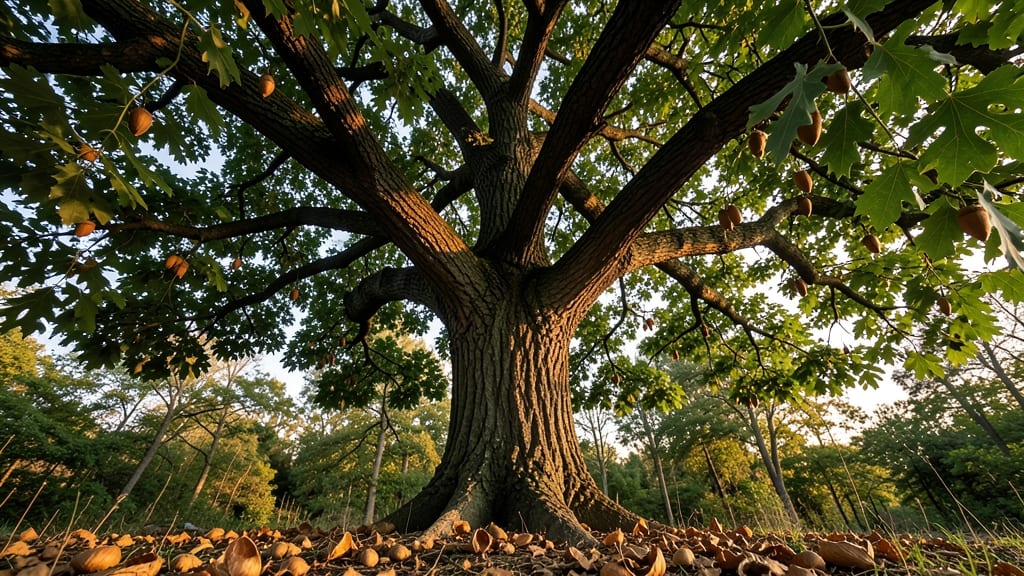
Looking for a tree that offers both high-value timber and natural pest control? The black walnut (Juglans nigra) is a powerhouse for homesteads and large properties, with a unique ability to deter pests while providing shade and edible nuts.
Plant this multi-functional tree in full sun with well-drained, slightly acidic soil (pH 5.0-6.5), giving it 40-50 feet of space to mature. Its juglone compound in roots and leaves naturally repels many plants (like tomatoes and apples) and pests, making it a boon for gardeners struggling with invasive species. Harvest nuts in fall for culinary uses or wildlife feed.
Perfect for homesteaders, permaculture sites, or forestry projects, this tree delivers timber, food, and pest management in one package—just be mindful of its aggressive root system. 🌱
Sweetgum Tree Maintenance Tips
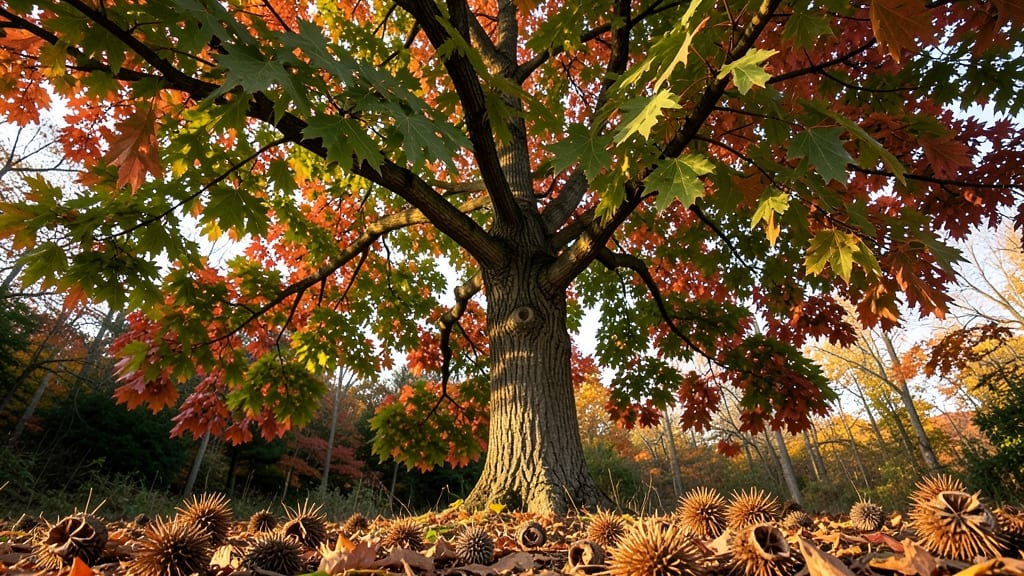
Want a fast-growing shade tree that thrives in tough conditions but can’t decide if the spiky seed pods are a dealbreaker? The sweetgum tree (Liquidambar styraciflua) delivers bold fall color and rapid growth—just be prepared for its signature "gumballs" that litter the ground in autumn.
Plant this tree in full sun to partial shade with well-drained soil, and watch it grow 3-5 feet per year to reach 50-75 feet tall. Its star-shaped, 5-lobed leaves turn vibrant shades of red, orange, and purple in fall, while its adaptability makes it perfect for urban or rural properties. The key to managing those pesky seed pods? Rake them up regularly or plant in open areas where they won’t become a nuisance.
This tree is ideal for landscapers balancing aesthetics with function—it offers year-round shade while adding seasonal drama, making it a standout choice for large yards where maintenance won’t be an issue. 🌻
Tulip Poplar Tree Growth Habits

Need instant shade for a new construction site, parking lot, or temporary privacy screen? The tulip poplar (Liriodendron tulipifera) is your speed—this tree grows 3-5 feet per year under ideal conditions, making it one of the fastest hardwoods in North America.
Plant it in full sun with well-drained soil (it tolerates clay but hates waterlogged roots). Its heart-shaped leaves with pointed lobes and fragrant tulip-like flowers in spring add seasonal interest, while the towering trunk (reaching 70-90 feet) provides quick canopy coverage. However, its short lifespan (50-60 years) means it’s best for short-term solutions or areas where long-term commitment isn’t possible.
Perfect for landscapers, urban planners, or homeowners needing rapid shade without decades of waiting, this tree delivers fast results—just be prepared to replace it eventually. 🌟