
Pests
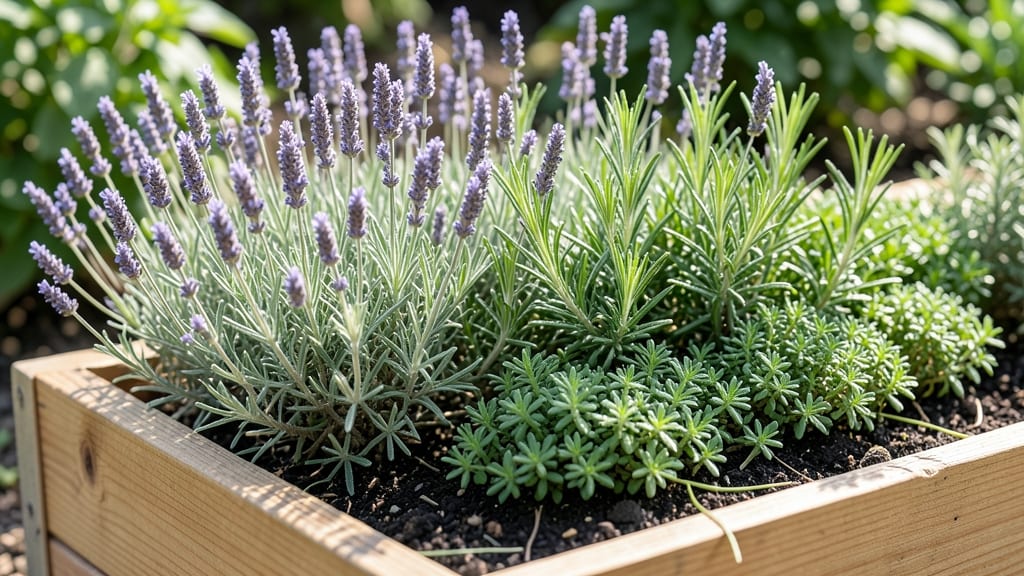
My deer-proof raised garden bed plans finally stopped the deer from turning my yard into their salad bar. 🌱 The secret isn’t just planting the right things—it’s building a barrier so strong they’ll give up and browse elsewhere.
After losing three seasons of tomatoes and peppers to those graceful but destructive neighbors, I designed a system that works year-round, without looking like a fortress.
The foundation uses heavy-duty hardware cloth (not chicken wire—deer will tear through it) sunk into the ground at least 2 feet deep and extending 3 feet above the bed. Pair that with a strong wood frame (cedar lasts longest) and you’ve got a structure that’s both functional and sturdy.
I also add a removable mesh top during peak browsing season for extra security. What you’ll end up with is a garden that stays deer-free, productive, and looking great—no more chewed leaves or vanished plants overnight.
The design even lets you plant deer-resistant varieties like marigolds, lavender, and rosemary at the edges to double down on protection. Works for any yard size, from small urban plots to large rural gardens. Here’s exactly how to build it—no more losing your harvest to wildlife!
📚 In This Guide
- What you need
- Instructions
- Tips and common mistakes
- Wrapping up and next steps
What you need
- ● Hardwood lumber (cedar or redwood recommended) – 2x6 or 2x8 boards, 8–10 pieces (4 ft long for standard 4’x8’ beds; adjust for custom sizes).
- ● Heavy-duty hardware cloth – 1/4" or 1/2" mesh, at least 10 ft wide and 12 ft long (for full bed coverage + overlap).
- ● Galvanized screws or decking nails – 2.5"–3" long, 50–100 pieces (stainless steel for extra durability).
- ● Landscape fabric – 1 piece (5’x10’) (to line the bed bottom and block weeds/soil erosion).
- ● Garden soil or compost mix – ~2–3 cubic feet per square foot of bed space (depends on bed height).
- ● Corner braces or metal brackets – 4–8 pieces (for extra structural support).
- ○ Outdoor-rated wood glue – 1 small bottle (optional but helps with longevity).
- ● Circular saw or handsaw (for cutting lumber).
- ● Drill/driver (with Phillips or square drive bit).
- ● Measuring tape and pencil.
- ● Staple gun (for securing hardware cloth).
- ● Work gloves and safety glasses.
- ● Level (to ensure your bed is even).
- ● Post hole digger (if elevating the bed on posts).
- ● PVC pipes or metal stakes – To secure hardware cloth to the ground (prevents digging deer).
- ● Waterproof membrane – Under the bed to protect from moisture.
- ● Decorative trim or paint – For a polished look (cedar stains work great!).
- ● Drip irrigation kit – To make watering easier (and deer less interested!).
Step-by-Step instructions for building a deer-proof raised garden bed
Here's how to create a fortress for your plants—deer won't stand a chance.
🪴 Step 1: Design and Build the Raised Bed Frame
Start with a 4-foot-wide by 8-foot-long rectangular frame using untreated cedar or redwood lumber (resists rot and pests). I use 2x6 boards for the sides and 2x8 boards for the bottom to create a 12-inch deep bed—deep enough for root systems while keeping deer from jumping in. Cut four corners at 45-degree angles for a clean finish.
Assemble the frame with galvanized decking screws (not nails—they pop out over time). Pre-drill holes to prevent wood splitting. For extra stability, add diagonal braces inside the frame at both ends. This creates a sturdy structure that won't wobble when deer test its strength. Measure twice, cut once—this is your foundation, and mistakes here will show later.
🌱 Step 2: Install Heavy-Duty Hardware Cloth Barrier
Line the inside bottom of the frame with ½-inch mesh hardware cloth (not chicken wire—deer will tear through it). Overlap the edges by 6 inches and secure with staple gun or galvanized staples. This barrier prevents digging and burrowing. For added security, extend the mesh 12 inches up the sides of the frame—deer can jump, and you want to block their access completely.
If your bed is against a fence or wall, bury the mesh 6 inches deep around the perimeter to stop deer from tunneling underneath. Use landscape staples to anchor it to the ground. This is your first line of defense, so don’t skimp on quality. A torn mesh means a free buffet for deer.
☀️ Step 3: Secure the Top with Additional Protection
Cut 18-inch tall sections of ½-inch mesh hardware cloth and attach them vertically to the outside of the frame using zip ties or heavy-duty staples. Space them 12 inches apart along the top edge. This creates a deer-proof skirt that prevents them from reaching over the sides. For extra height, add a second layer of mesh extending 6 inches outward from the top—deer are persistent, and this stops them from leaping in.
If you're growing particularly tempting plants like hostas or lettuce, consider adding a removable mesh lid for the top. Use zip ties or bungee cords to secure it when not in use. This is overkill for most gardens, but if deer are a relentless problem in your area, it’s worth the effort.
✂️ Step 4: Fill and Plant with Strategic Placement
Fill the bed with 6 inches of gravel at the bottom for drainage, then add 12 inches of high-quality garden soil. I mix in compost for nutrients and slow-release fertilizer to give plants a head start. Avoid placing the bed near wooded areas or thick shrubs—deer are more likely to investigate if they have cover nearby.
Plant deer-resistant varieties like marigolds, snapdragons, or lavender along the outer edges. These act as a natural deterrent while the mesh does the heavy lifting. Water deeply after planting to settle the soil and encourage root growth. Deer-proofing isn’t just about the barrier—it’s about making your garden less appealing in the first place.
🔍 Step 5: Inspect and Maintain Year-Round
Check the mesh weekly for tears or gaps, especially after storms or heavy winds. Deer can exploit even small openings. Patch any damage immediately with duct tape or wire mesh as a temporary fix, then replace the section completely. Over time, hardware cloth can degrade, so plan to replace it every 3-5 years for maximum effectiveness.
In late fall, add a thick layer of mulch (like wood chips) to the soil surface. This deters deer from digging and adds another barrier. If you notice deer activity—like broken branches or trampled plants—reinforce the mesh or add motion-activated sprinklers as a secondary deterrent. Stay vigilant; deer are clever, and they’ll test any weakness.
Tips & tricks for building a deer-proof raised garden bed
Between us, those first few deer encounters can be brutal—especially when you've spent months nurturing your garden. Here's what I've learned to keep your fortress standing strong.
Material Selection Matters: While cedar and redwood are excellent choices for their natural resistance to rot, don't overlook the importance of using galvanized hardware for all fasteners. Regular screws or staples will rust within a year, leaving weak points that deer can exploit. I've seen deer actually pull out rusted staples to reach plants—it's shocking how persistent they can be. For the 12-inch deep bed, use 2x8 boards for the bottom to create a solid foundation that won't flex when deer lean against it.
Mesh Installation Secrets: The 6-inch overlap when installing the hardware cloth isn't just about security—it's about creating a continuous barrier without gaps. I've found that using a staple gun with extra-long staples (at least ½-inch) provides better hold than nails. For the vertical sides, work in sections from bottom to top to prevent the mesh from sagging. If you're working with a large bed, consider using landscape fabric staples along the seams for added reinforcement.
Strategic Plant Placement: Deer-resistant plants like marigolds and snapdragons aren't just for decoration—they create a psychological barrier. I plant them in a dense border along the outer edges, creating a visual deterrent that works alongside the physical mesh. For particularly valuable plants, I've even added a second row of lavender just inside the border. The strong scent acts as an additional repellent, and the dense foliage makes it harder for deer to see what's inside.
Maintenance Calendar: That weekly inspection in Step 5 isn't just about storms—it's about catching deer activity early. I've created a simple checklist: check mesh integrity, look for fresh scratches on the wood, and examine plant leaves for bite marks. Spring is especially critical because deer are more active after winter. For beds in high-traffic deer areas, I recommend adding motion-activated lights that activate at dusk—the sudden movement often scares deer away.
Pro Tips for Deer Proof Raised Garden Bed Plans
- Between us, those first few deer encounters can be brutal—especially when you've spent months nurturing your garden.
- Material Selection Matters: While cedar and redwood are excellent choices for their natural resistance to rot, don't overlook the importance of using galvanized hardware for all fasteners.
- Mesh Installation Secrets: The 6-inch overlap when installing the hardware cloth isn't just about security—it's about creating a continuous barrier without gaps.
Frequently asked questions
Got questions about keeping deer out of your raised garden beds?
You’re not alone! Here are some of the most common concerns—and straightforward answers—to help you build a fortress for your veggies.
How deep should my deer-proof raised garden bed be?
Aim for 12–18 inches deep to accommodate root crops like carrots and potatoes. Deeper beds also make it harder for deer to paw through the soil. If space is tight, prioritize height (at least 2 feet tall) and use hardware cloth (not chicken wire!) to deter digging. Pro tip: Add a 6-inch lip on the inside to prevent critters from jumping in.
When is the best time to install the deer-proof barrier?
Install your mesh barrier before planting—ideally in early spring or late fall—to avoid disturbing roots later. If deer are already a problem, wrap the mesh around existing beds immediately and secure it tightly. For new beds, bury the mesh 6–12 inches deep around the perimeter to block tunneling. Spring is critical—deer start browsing early!
Are there cheaper alternatives to hardware cloth for deer-proofing?
Hardware cloth (1/4-inch mesh) is the gold standard, but if budget is tight, try these budget-friendly swaps:
- Plastic deer netting ($20–$40/roll): Lightweight and reusable, but may sag over time—secure with stakes.
- Fencing + mesh combo: Use 8-foot tall fencing (deer can jump!) with mesh wrapped around the base.
- DIY wire cages: Bend 1/2-inch hardware cloth into cages for individual plants (great for seedlings!).
Warning: Avoid chicken wire—deer will tear through it like tissue paper!
What if deer still get into my raised bed after I install the barrier?
If you spot damage, inspect for gaps—deer exploit even tiny holes. Check these trouble spots:
- Loose mesh or tears from branches (secure with zip ties or staples).
- Unburied edges—dig down 12 inches around the perimeter.
- Gaps at the top of the bed (deer can reach over low barriers).
For stubborn pests, add motion-activated sprinklers ($30–$50) as a secondary deterrent. Persistence pays off!
Can I use raised beds to protect other pests besides deer?
Raised beds with mesh barriers also repel rabbits, groundhogs, and even curious cats. For above-ground pests (like cabbage moths), add floating row covers over plants. To block rodents, extend the mesh 1 foot above the bed and bury it 1 foot deep. One system, multiple threats—win!
Wrapping up and next steps
Building a deer-proof raised garden bed is your ticket to a thriving, stress-free harvest—no matter how hungry those neighborhood bucks get! 🦌🚫 With the right hardware cloth barrier, sturdy frame, and a little elbow grease, you’ve got a fortress for your veggies, herbs, and flowers.
This plan keeps deer out without sacrificing aesthetics or usability, so you can focus on what matters: growing!
Ready to transform your garden into a deer-free zone? Grab your tools, follow the steps, and watch your plants thrive all season long. Start gathering supplies or browse common questions to get rolling—your future self (and your plants!) will thank you. 🌱✨