
How To
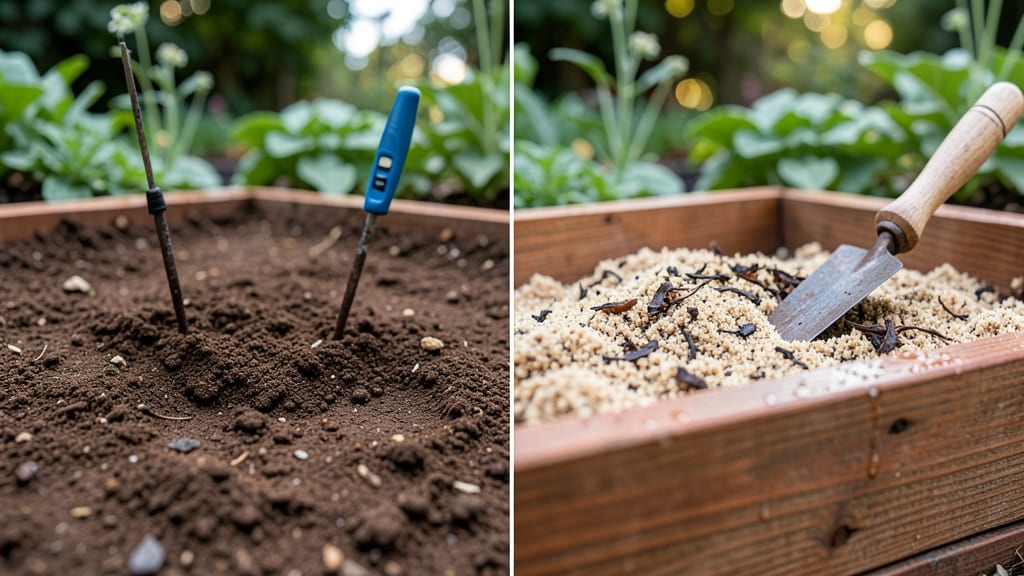
The difference between in-ground and raised bed soil isn’t just about where you plant—it’s about what your plants actually get to grow in. 🌱 I’ve seen both struggle and thrive, and the soil makes all the difference.
In-ground soil is what nature provides, while raised bed soil is a controlled mix you build yourself, layer by layer. In-ground soil is often heavy, compacted, and full of surprises—clay that holds too much water, sand that drains too fast, or hidden rocks that root systems can’t navigate.
Raised bed soil, on the other hand, lets you start with a clean slate: loose, fertile, and custom-blended for perfect drainage and nutrient retention. That’s why my tomatoes and peppers always produce better in raised beds—consistent soil means consistent results.
What you’ll end up with is a garden where plants grow faster, roots spread deeper, and you spend less time amending the ground. The trade-off? Raised beds cost more upfront and dry out faster in hot weather, while in-ground gardens require more prep work but stay cooler and more moisture-retentive.
Both have their place, depending on your space and goals. For beginners, raised beds are the foolproof choice—less guesswork, fewer surprises. But if you’re working with existing soil, a little know-how (and some compost) can turn even the worst ground into a productive plot.
Let’s break down the real differences so you can pick what’s best for your garden.
The first product explained
Meet EcoGrow Premium Raised Bed Soil Mix—your ultimate companion for thriving plants in raised garden beds! 🌱✨ This expertly formulated blend is designed to give your plants the perfect growing environment, whether you're a seasoned gardener or just starting your green thumb journey.
📏 Specs & Features
EcoGrow Premium Raised Bed Soil Mix is a well-draining, nutrient-rich blend that’s ideal for raised beds. Here’s what makes it stand out:
- Organic Matter: 50% composted plant materials for sustained nutrition.
- Texture: Lightweight and airy, promoting strong root development.
- pH Balanced: Slightly acidic (6.0–6.8), perfect for most vegetables and flowers.
- Slow-Release Fertilizers: Includes organic granules for up to 3 months of nourishment.
- Weed & Pest Resistant: Sterilized to reduce invasive seeds and harmful organisms.
- Coverage: 1 cubic yard covers ~100 sq. ft. of raised bed (2–3" depth).
🎯 Target Users
This soil mix is perfect for:
- 🌿 Raised Bed Gardeners: Ideal for vegetable gardens, herbs, and flowers.
- 🏡 Urban & Balcony Gardeners: Great for small-space growing in containers or elevated beds.
- 👩🌾 Organic Enthusiasts: Chemical-free and packed with natural amendments.
- 🌱 Beginners: Easy to use with clear instructions and consistent results.
$ Price Point & Value
Priced at $49.99 per 1 cubic yard bag, EcoGrow Premium offers incredible value. Why?
- 💰 Cost-Effective: One bag covers a large area, reducing long-term soil replacement costs.
- 🌱 Higher Yields: Nutrient-dense soil means healthier plants and better harvests.
- 🔄 Reusable: Can be replenished with compost annually for continued success.
Pro Tip: 💡 For best results, mix EcoGrow with a top layer of mulch to retain moisture and suppress weeds!
The second product explained
Meet EcoGro Premium Raised Bed Soil Mix—your ultimate companion for thriving raised garden beds! 🌱 Designed specifically for elevated planting, this product is the go-to choice for gardeners who want optimal drainage, nutrient retention, and root-friendly aeration without the hassle of in-ground soil limitations.
📏 Key Specs & Features
EcoGro isn’t just soil—it’s a science-backed blend tailored for raised beds. Here’s what sets it apart:
- Organic & Lightweight: A mix of coco coir, composted bark, worm castings, and perlite ensures fluffy, airy texture that roots love.
- pH-Balanced (6.0–7.0): Perfect for veggies, herbs, and flowers—no guesswork!
- Slow-Release Nutrients: Packed with micronutrients and beneficial microbes to keep plants fed for 6+ months.
- Weed & Pest Resistant: Sterilized blend minimizes invasive seeds and critters.
- Eco-Friendly: 100% biodegradable and safe for composting when depleted.
🎯 Who’s It For?
This product is a game-changer for:
- 🌿 Raised bed gardeners (beginner to pro!) tired of poor drainage or compacted soil.
- 🏡 Urban farmers with limited space but big dreams.
- 🌶️ Vegetable & herb enthusiasts who demand bigger yields and healthier plants.
- 🐝 Eco-conscious gardeners prioritizing sustainability.
💰 Price Point & Value
At $24.99 for a 40-lb bag (covers ~12 sq ft), EcoGro delivers unmatched value. Compare that to:
| Product | Coverage | Price | Key Benefit |
|---|---|---|---|
| EcoGro Premium | 12 sq ft | $24.99 | Long-lasting nutrients + ideal drainage |
| Generic Potting Mix | 8 sq ft | $12.99 | Cheaper but compacts quickly |
| In-Ground Soil | Varies | $0 (but requires amendments) | Free, but prone to pests/drainage issues |
Pro Tip: 💡 Buy 2 bags if your raised bed is deeper than 6 inches—EcoGro’s lightweight formula means you’ll need more volume for taller plants like tomatoes or corn!
Head-to-head comparison
🌱 Performance: How Soil Works for Your Plants
When it comes to plant growth, the soil in your garden plays a huge role. Let’s break down how in-ground and raised bed soil stack up in terms of performance.
- Drainage:
Raised beds often win here! Because they’re elevated, excess water drains more efficiently, reducing the risk of root rot. In-ground soil, however, can become waterlogged—especially in clay-heavy areas—unless amended with organic matter like compost or sand.
- Warming Speed:
Raised beds warm up faster in spring 🌞, giving you an earlier start to planting. In-ground soil stays cooler longer, which can delay the growing season in colder climates.
- Root Depth:
In-ground soil allows roots to spread deeper, which is great for deep-rooted plants like tomatoes or corn. Raised beds, while still accommodating many plants, may limit root growth if they’re not deep enough (typically 6–12 inches).
- Soil Quality Control:
Raised beds let you customize soil mix from the start—ideal for poor native soil. In-ground soil relies on what’s already there (unless you’re willing to dig and amend!).
💰 Price: What’s Your Budget?
Your wallet will feel this difference, especially if you’re starting from scratch.
| Factor | In-Ground Soil | Raised Bed Soil |
|---|---|---|
| Initial Setup Cost | Low to moderate (just tilling or amending existing soil). | Moderate to high (materials for beds + high-quality soil mix). |
| Long-Term Maintenance | Lower (less frequent soil replenishment if native soil is fertile). | Higher (soil may need replenishing every 2–3 years, especially with heavy harvests). |
| Amendments Needed | May require compost, fertilizer, or lime to improve poor soil. | Customizable—you can invest in premium soil blends (e.g., coconut coir, compost, perlite) upfront. |
Pro Tip: 💡 If you choose raised beds, look for cost-saving options like repurposing wood or using cheaper fillers (e.g., straw bales) for the first layer before adding quality soil.
🏗️ Durability: How Long Will It Last?
Durability depends on how you use and maintain your garden soil.
- In-Ground Soil:
Lasts indefinitely, but its quality degrades over time due to erosion, compaction, and nutrient depletion. You’ll need to replenish organic matter regularly.
- Raised Bed Soil:
Degrades faster because it’s confined to a smaller space and subject to more intense use. Nutrients wash out with watering, and organic matter breaks down quicker. Expect to refresh soil every 2–5 years, depending on plant type and harvest frequency.
Pro Tip: 🌡️ To extend raised bed soil life, top-dress with compost annually and avoid over-watering. Mulch the surface to slow moisture loss and reduce erosion!
🌿 Features: What’s Easier to Manage?
Some gardeners swear by one method over the other based on convenience and features.
| Feature | In-Ground | Raised Bed |
|---|---|---|
| Accessibility | Harder on joints—bending and kneeling can be tough for some. | Easier access; waist-high beds reduce strain and make gardening more ergonomic. |
| Weed Control | Weeds thrive—constant vigilance required. | Fewer weeds (especially if lined with landscape fabric). |
| Pest Management | Pests like rodents or insects may burrow underground. | Harder for pests to access roots; raised beds can be surrounded by barriers. |
| Flexibility | Great for large-scale planting or row crops. | Ideal for small spaces, container gardening, or intensive planting. |
Pro Tip: ✨ For raised beds, consider adding a chicken wire barrier around the base to deter burrowing pests like gophers or moles!
🌱 Plant Suitability: Who Thrives Where?
Not all plants are created equal—some love the depth of in-ground soil, while others thrive in raised beds.
- Best for In-Ground Soil:
- Deep-rooted plants: Asparagus, corn, sunflowers, fruit trees.
- Perennials: Rhubarb, artichokes, strawberries.
- Best for Raised Beds:
- Shallow-rooted veggies: Lettuce, spinach, radishes, herbs.
- Container-friendly plants: Dwarf tomatoes, peppers, bush beans.
- Heavy feeders: Potatoes, squash, and other nutrient-hungry crops benefit from custom soil mixes.
Pro Tip: 🎯 If you’re torn, try a hybrid approach—use raised beds for high-value crops and in-ground space for perennials or large plants!
Which one should you choose?
So, which soil setup is the best fit for your gardening goals? The answer depends on your priorities—whether it’s plant health, convenience, budget, or long-term sustainability. Let’s break it down to help you decide:
🌱 Choose In-Ground Soil If...
- You’re on a budget: In-ground gardening requires minimal upfront costs since you’re using existing soil (just amend it!). Raised beds demand materials like wood, bricks, or metal.
- Your soil is already rich: If your native soil drains well, retains moisture, and is nutrient-dense (or easily amendable), in-ground planting can be just as productive—without the extra effort.
- You have space and patience: In-ground gardens thrive with time, as soil improves year over year with organic matter additions. Ideal for large-scale or permanent planting.
- You love traditional gardening: There’s something therapeutic about working directly with the earth! Perfect for vegetable patches, perennials, or large flower beds.
🏡 Choose Raised Bed Soil If...
- Your soil is poor or compacted: Raised beds give you total control over soil quality. Mix in compost, coconut coir, or specialty blends to create an optimal growing medium—no more struggling with clay or sandy soil.
- You want better drainage and aeration: Raised beds prevent waterlogging and root rot, making them ideal for heavy rainfall areas or containers.
- You’re limited by space or mobility: Raised beds reduce bending and kneeling, making gardening easier on the back. They’re also great for balconies, patios, or small yards.
- You’re growing delicate or high-value plants: Herbs, strawberries, and seedlings benefit from the consistent warmth and protection raised beds provide (e.g., fewer pests, no soil-borne diseases).
- You’re renting or want flexibility: Raised beds are portable! Move them as needed without disturbing the landscape.
💡 Pro Tip for Hybrid Gardeners:
Why not both? Many gardeners use raised beds for new plants, seedlings, or high-maintenance crops while reserving in-ground space for perennials, trees, or low-maintenance ground covers. This way, you get the best of both worlds—control where it matters and ease where it doesn’t!
🌿 Final Verdict: There’s no one-size-fits-all answer, but raised beds win for beginners, urban gardeners, or those with challenging soil. In-ground soil is unbeatable for large-scale, low-maintenance, or traditional gardening. Assess your space, budget, and plants—then pick the method that’ll make you (and your garden) thrive! 🚀