
Landscaping
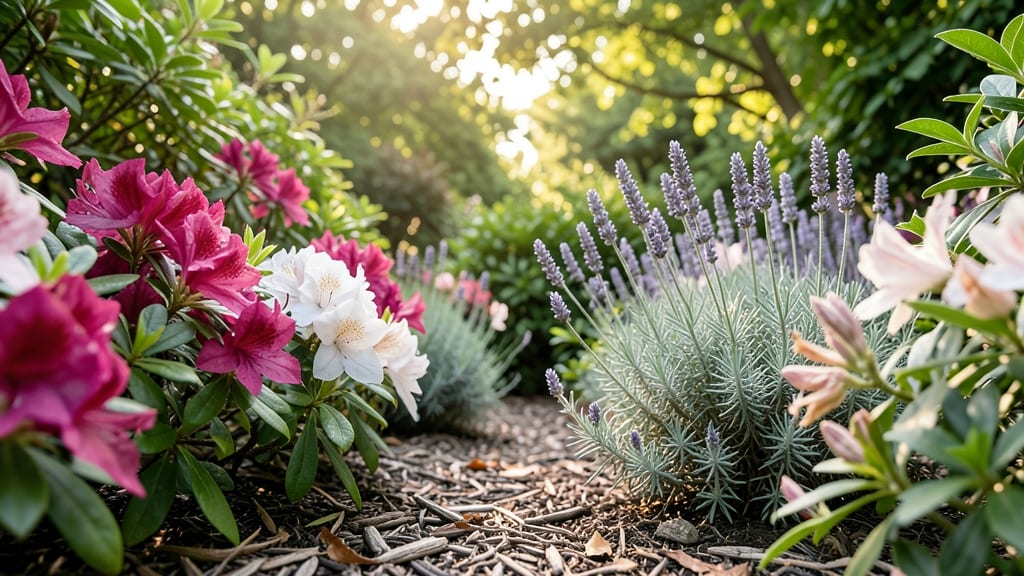
Azaleas bring vibrant color to shady garden spots, but pairing them with the right companions creates stunning year-round displays. These 10 flower bed ideas showcase creative combinations that thrive in low-light conditions while extending seasonal interest beyond just spring blooms.
Classic Azalea and Hydrangea Foundation Planting
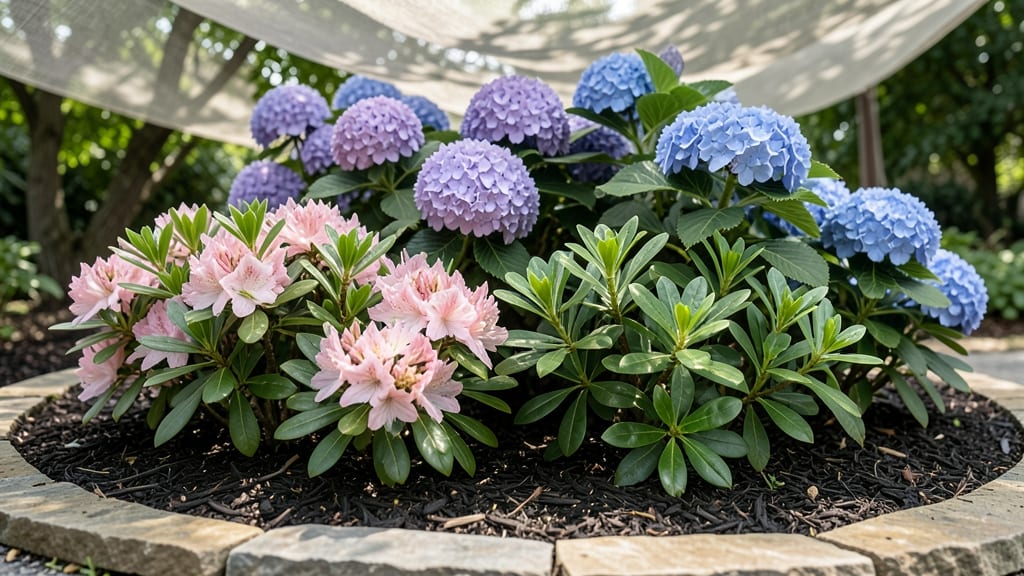
Looking for a foundation planting that combines beauty with low-maintenance resilience? The azalea and hydrangea duo delivers year-round interest while thriving in partial shade—where many plants struggle.
Plant evergreen azaleas (like Rhododendron 'Girard’s Pink') along the front for structure, then place hydrangeas (such as Hydrangea macrophylla 'Nikko Blue') behind them. The hydrangeas' seasonal color shifts—from pink to blue—create dynamic visuals, while azaleas provide spring blooms and glossy foliage. Add hostas or ferns beneath for texture and shade tolerance.
This combo is perfect for gardeners who want long-lasting impact with minimal fuss. The layered look matures beautifully over years, making it ideal for both new and established landscapes. 💚
Japanese Maple and Azalea Understory
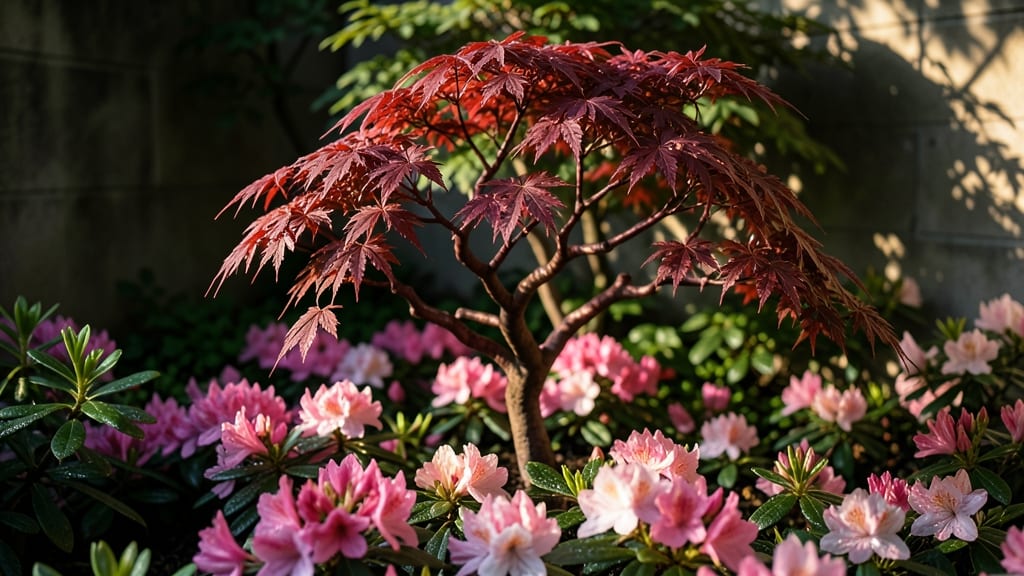
Small urban gardens deserve drama—and this pairing delivers it in a compact package. A dwarf Japanese maple (like Acer palmatum 'Bloodgood') rises above a carpet of azalea blooms, creating a living sculpture that changes with the seasons. The maple's foliage shifts from deep red in spring to golden hues in fall, while azaleas provide bursts of color in spring and sometimes again in late summer.
Start with a 3-4 foot tall Japanese maple as your focal point, then plant azaleas in clusters around its base, spacing them 18-24 inches apart. Both thrive in acidic, well-draining soil and partial shade, making them perfect urban companions. For extra texture, add moss or creeping thyme between plants to soften the transition between heights.
This design works especially well for city dwellers with limited space—it creates year-round interest without requiring a large footprint. The height contrast draws the eye upward, making even small gardens feel more expansive. 🌟
Spring Bulb Pop Azalea Beds
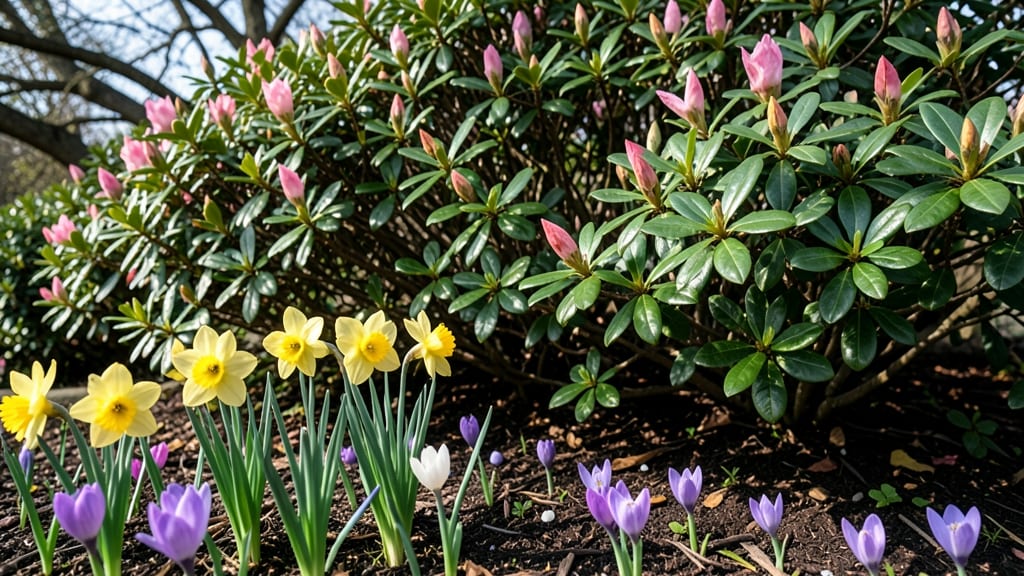
Want to transform your azalea beds into early-season showstoppers without extra work? Plant daffodils and crocuses beneath your azaleas—they’ll burst into color first, then fade naturally as your azaleas take center stage in spring. This succession planting trick ensures your garden never looks bare, even in late winter.
Start by tucking daffodil bulbs (like 'Tête-à-Tête' or 'Ice Follies') and crocus varieties (such as 'Snowbunch' or 'Purple Striped') into the soil in fall, about 6 inches apart and 4-6 inches deep. Their bright blooms will emerge first, drawing attention while your azaleas are still dormant. Once the azaleas bloom in late spring, the bulbs will have finished their cycle, leaving your azaleas to shine without competition.
This approach is perfect for low-maintenance gardeners who want year-round interest with minimal effort. The bulbs self-propagate over time, creating a natural, ever-changing display. 🌱
Fern and Azalea Woodland Garden
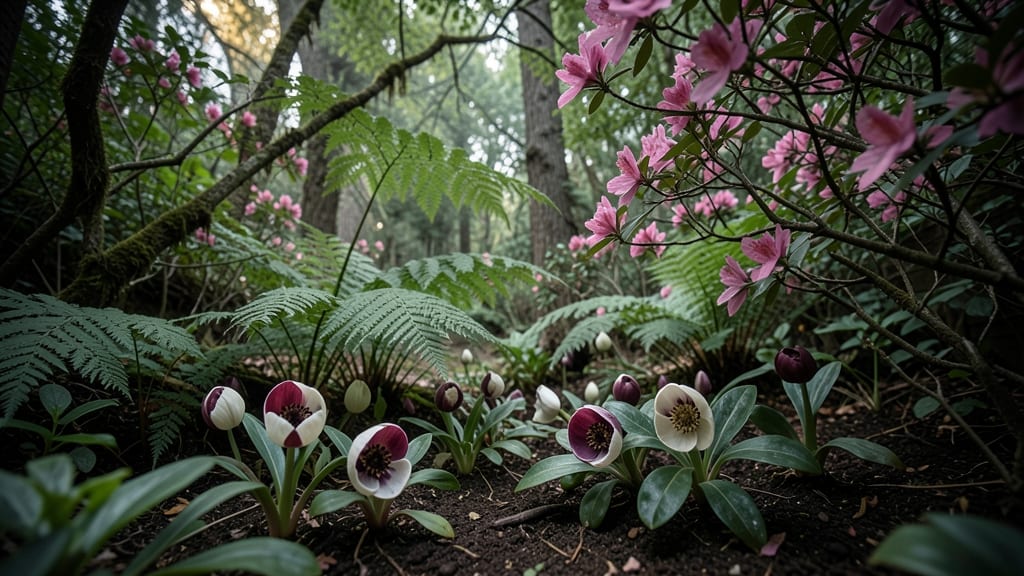
Transform your shady garden corner into a magical woodland retreat by combining native ferns with azaleas and hellebores. This design mimics the natural understory of forests, where delicate textures and seasonal blooms create a serene, ever-changing tapestry.
Start with maidenhair ferns or ostrich ferns for lush, feathery foliage that thrives in dappled shade. Plant hellebores (Lenten roses) for early spring blooms that appear before azaleas, then let azaleas take center stage in late spring with their vibrant clusters. Mulch with leaf litter or shredded bark to maintain moisture and suppress weeds, while also creating a natural forest floor look.
This design is perfect for woodland garden enthusiasts who want to create a low-maintenance, wildlife-friendly space. The combination of textures and seasonal color ensures your garden remains captivating year-round. 🌿
Container Azaleas With Caladiums
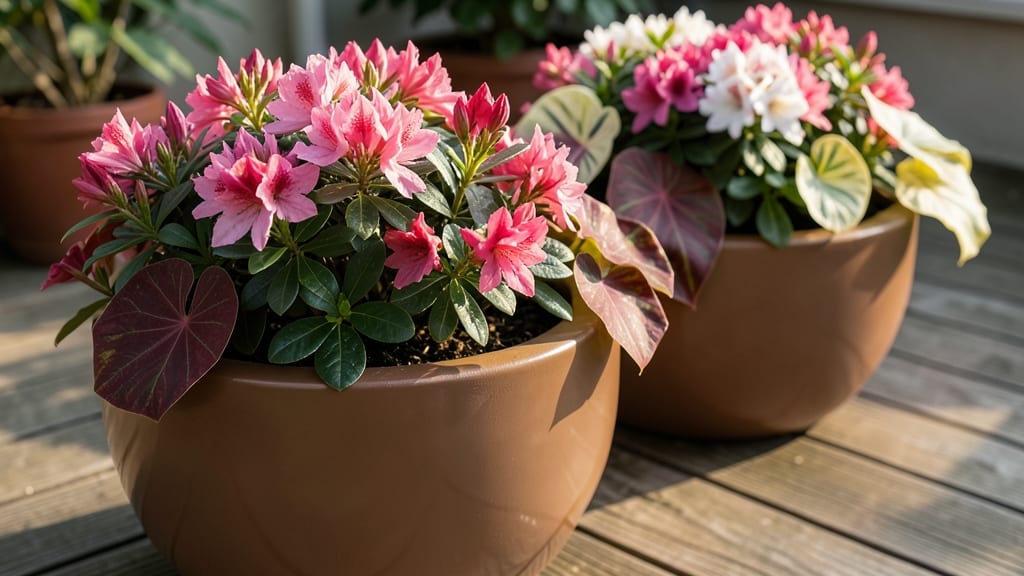
If you love azaleas but lack a permanent garden space, this portable powerhouse combo proves you don’t need a yard to enjoy their beauty. Pairing acid-loving azaleas with tropical caladiums in large containers creates a summer-long foliage show that thrives on patios, balconies, or even apartment doorsteps.
Choose a 12-18 inch container with drainage holes and use a peat-based potting mix (azaleas prefer pH 4.5-6.0). Plant one caladium per azalea around the edges—their heart-shaped leaves in pink, red, or white will cascade over the pot’s sides while the azalea blooms add vertical interest. Water when the top inch of soil feels dry, and place in morning sun with afternoon shade to protect caladiums from scorching.
This combo is ideal for renters, urban gardeners, or anyone with limited space—it’s easy to move indoors before frost and overwinter caladium tubers. The azalea’s spring blooms transition seamlessly into the caladiums’ summer foliage extravaganza. 🌻
Winter Interest Azalea Beds
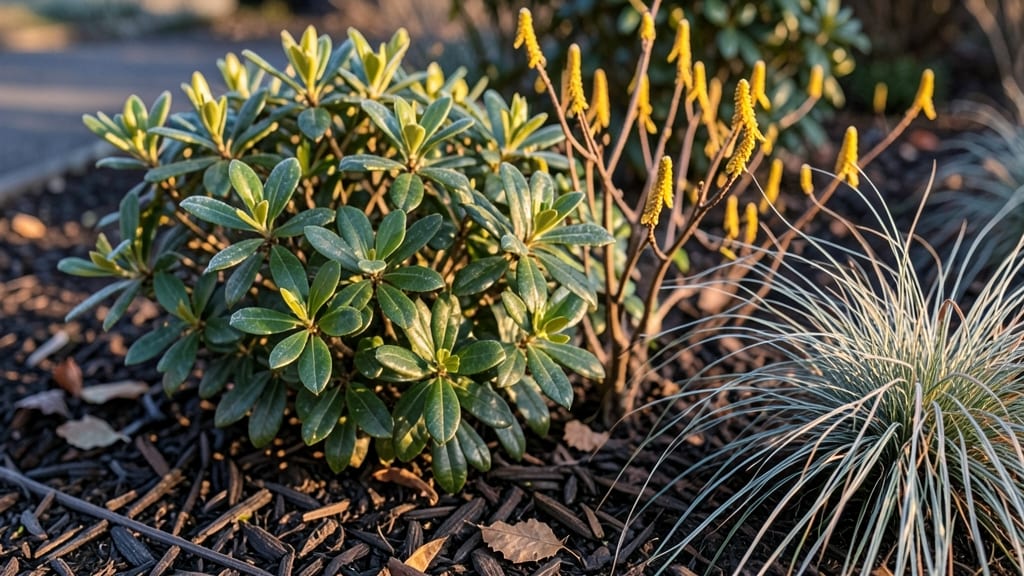
Cold months don't have to mean dull garden beds—evergreen azaleas provide a lush, dark green backbone that stays vibrant even when other plants fade. The key to winter interest lies in pairing them with witch hazel and ornamental grasses for texture and late-season color.
Start with evergreen azalea varieties like 'George L. Taber' or 'Girard's Pink' for year-round structure, then add witch hazel (Hamamelis spp.) for fragrant winter blooms in yellow, orange, or red. Tuck in ornamental grasses like Miscanthus or Pennisetum for movement and contrast—these plants thrive in winter and add architectural interest when everything else is dormant.
This design works especially well for gardeners in USDA zones 5-8 who want low-maintenance winter beauty. The combination requires minimal pruning and handles snow well, making it ideal for both urban courtyards and rural landscapes. 🌿
Butterfly Garden With Azaleas
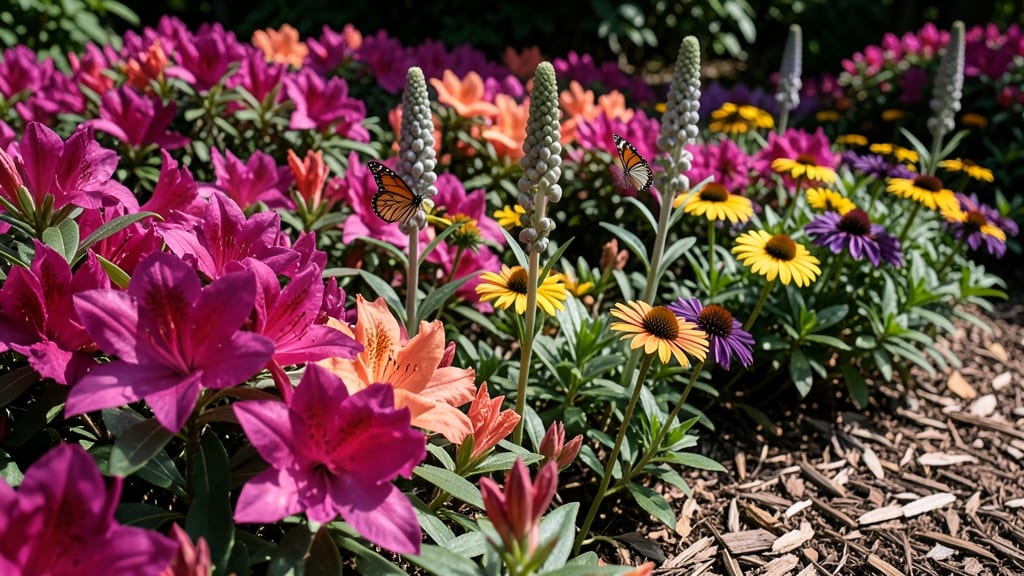
Transform your azalea bed into a butterfly magnet while keeping those vibrant blooms front and center. This design pairs azaleas with milkweed and coneflowers—three powerhouse plants that thrive in partial shade and create a pollinator paradise. The key is spacing azaleas 3-4 feet apart to allow room for milkweed’s airy growth and coneflowers’ upright stems.
Start by planting native milkweed (essential for monarchs) near the azalea’s drip line, where it gets filtered sunlight. Coneflowers add purple-pink pops that butterflies adore, while their deep roots help prevent soil compaction. For extra impact, intersperse bee balm or salvia for nectar variety—just ensure all plants share the same acidic, well-draining soil that azaleas love.
This setup is perfect for gardeners who want year-round beauty without sacrificing pollinator support. The result? A bed that buzzes with life while keeping your azaleas happy and blooming. 🌻
Azalea and Camellia Mixed Beds
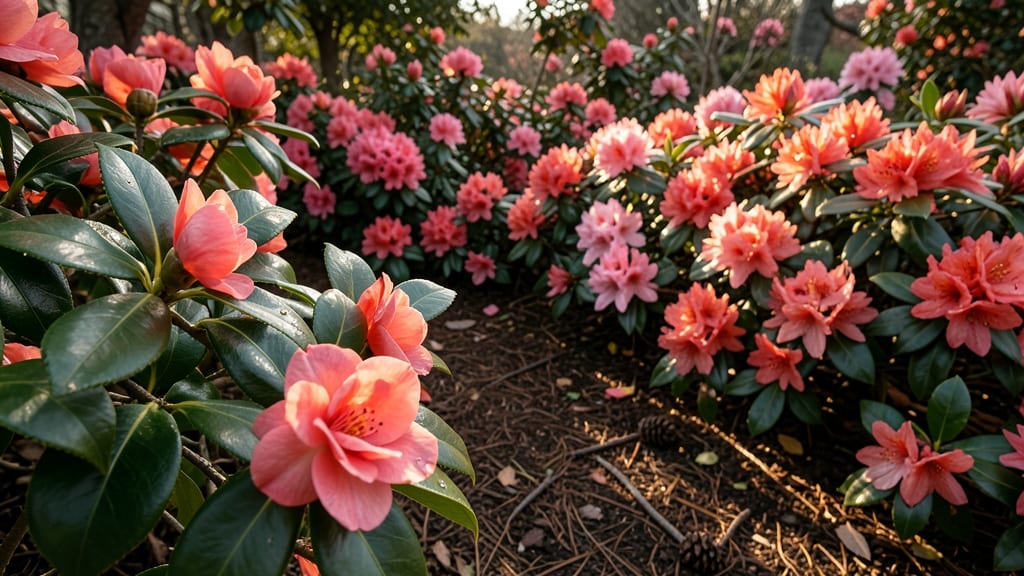
If you love the idea of a garden that stays vibrant even in winter, azaleas and camellias are the dynamic duo you’ve been waiting for. This classic Southern combination turns a single bed into a year-round showcase, with camellias lighting up the winter months and azaleas stealing the show in spring.
Plant camellias in the back for their large, glossy leaves and winter blooms (like the cold-hardy 'Winter's Star'), then layer azaleas in front for their springtime splashes of pink, purple, or white. Both thrive in acidic, well-draining soil and partial shade, making them low-maintenance stars. For extra texture, add Spanish moss or boxwood as underplanting to enhance that classic Southern charm.
This pairing is perfect for gardeners in USDA Zones 7-9 who want to reduce seasonal gaps in their garden’s beauty. The contrast between camellias’ dark green leaves and azaleas’ bright blooms creates a striking visual that keeps your garden feeling alive all year. 💚
Modern Azalea Knoll Garden
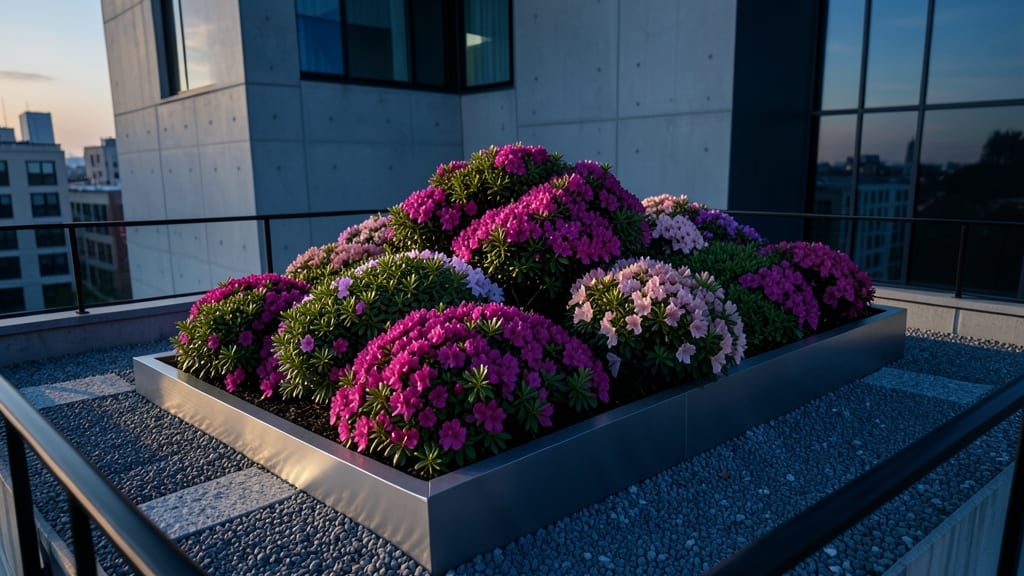
Ditch the cottage-core charm and embrace modern minimalism with a geometric azalea knoll—where clean lines and structured shapes create a bold focal point. This design transforms azaleas into sculptural elements that pair perfectly with urban landscapes, rooftop gardens, or contemporary homes.
Start by shaping azaleas into neat, rounded mounds (3-4 feet wide) using pruning shears after blooming. Flank them with boxwood hedges for crisp edges and dwarf mondo grass for soft, cascading texture. The key? Keep it low-maintenance—mulch with gravel to suppress weeds, and water deeply but infrequently to encourage strong root growth. For extra drama, add a minimalist metal sculpture or a sleek concrete path nearby.
This design thrives in full to partial shade and works beautifully in small spaces, making it ideal for city dwellers or anyone craving a low-fuss, high-impact garden. 💡
Fragrant Azalea and Lavender Pairing

Transform your shade garden into a fragrant retreat by pairing azaleas with lavender—a combination that delivers both stunning visuals and intoxicating scent. While azaleas provide bold spring color, lavender adds drought resistance and a soothing aroma that lingers in the air, perfect for creating a sensory experience.
Plant English lavender (Lavandula angustifolia) at the front of your bed, where its silvery foliage and purple spikes will contrast beautifully with azalea blooms. Both thrive in partial shade (3-6 hours of sun) and well-draining soil—just ensure lavender isn’t waterlogged, as azaleas prefer consistently moist conditions. This pairing also deters pests naturally, as lavender repels mosquitoes and aphils.
Ideal for gardeners who love fragrance but struggle with dry conditions, this combination works especially well in small urban gardens or along pathways where you can brush past blooms. The contrasting textures and colors create visual interest year-round. ✨