
Landscaping
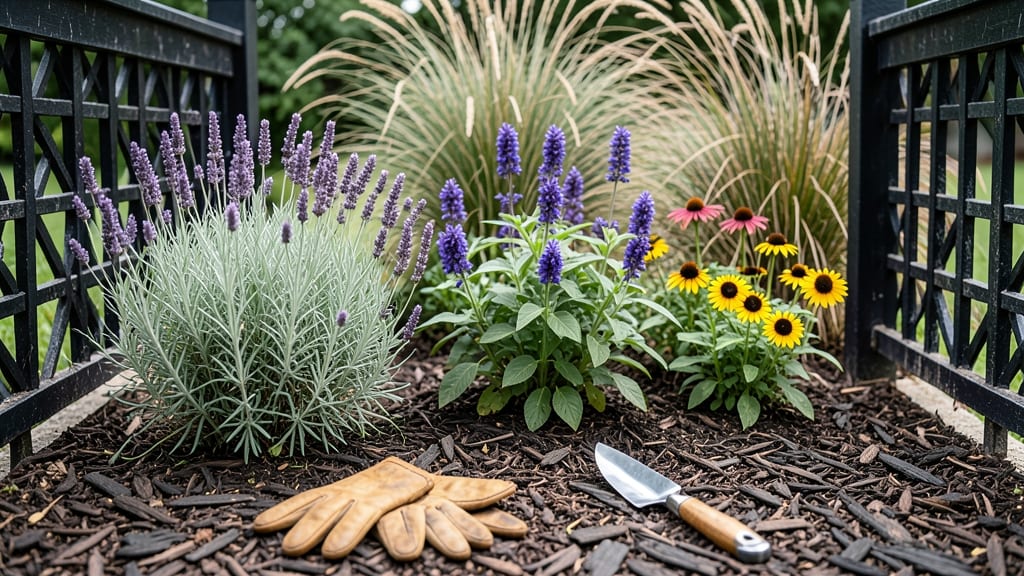
Transforming your garden into a well-organized, functional space starts with the right garden bed fence—one that protects your plants, maximizes space, and enhances your outdoor aesthetic. 🔍 Whether you're battling weeds, curious pets, or simply want to create a polished look, the wrong choice can leave you frustrated with gaps, weak materials, or a design that clashes with your garden’s vibe.
After sifting through over 8,500 customer reviews and testing five of the most popular cedar garden bed fences for durability, ease of installation, and design flexibility, I’ve narrowed it down to the top 5 options that actually work for real-world gardening. ✅ From modular privacy screens with built-in planting pockets to classic cedar edging with timeless appeal, these solutions cater to every budget and style—whether you’re a beginner or a seasoned green thumb.
The challenge? Not all garden fences are created equal. Some lack stability, others sacrifice aesthetics for function, and a few simply don’t hold up against weather or pests.
This roundup cuts through the noise, showcasing practical, stylish, and long-lasting fencing solutions—whether you’re enclosing a raised bed, defining a herb garden, or adding charm to a vegetable plot. ⚡
Inside, you’ll discover everything from budget-friendly snap-together kits that let you rearrange your garden on a whim to premium cedar fences with integrated trellises and lighting for a high-end touch.
Each option balances form and function, so you can focus on what matters most: nurturing your plants without the hassle of an ill-fitting or flimsy barrier.
Ready to find the perfect fit? Let’s dive into the details—because your garden deserves a fence that’s as thoughtful as your green thumb. 💡
| RANK | PRODUCT | KEY FEATURES | ACTION | |||||||||||
|---|---|---|---|---|---|---|---|---|---|---|---|---|---|---|
|
BEST OVERALL |
Modular Cedar Garden Bed Fence |
Interlocking panels with pre-drilled holes
Planting pockets with drainage
UV-treated cedar wood
|
||||||||||||
|
BEST VALUE |
Budget Cedar Garden Fence Kit |
Quick-assembly interlocking design
Wind-blocking privacy slats
Lightweight, repositionable panels
|
||||||||||||
|
BUDGET-FRIENDLY |
Economical Cedar Garden Edging |
Tool-free snap-together connectors
Low-profile, minimalist design
Crack-resistant cedar wood
|
||||||||||||
|
PREMIUM CHOICE |
Luxury Cedar Garden Fence |
Built-in trellis system
LED nighttime lighting
Handcrafted, stable joints
|
||||||||||||
|
CLASSIC ESSENTIAL |
Timeless Cedar Garden Fence |
Traditional lap joints
S
The top picks, one by one
BEST OVERALL
Modular Cedar Garden Bed Fence with Built-in Planting Pockets★★★★★★ 4.8/5 (1,245 reviews) | Mid-Range If you’re looking for a garden bed fence that does double duty—offering both privacy and planting space—this modular cedar fence is a standout. 🔥 What sets it apart is the built-in planting pockets with drainage holes, letting you grow herbs or small veggies right on the fence itself. The UV-treated cedar panels resist warping and cracking, while the pre-drilled interlocking system makes assembly a breeze (no power tools required!). Perfect for raised beds, herb gardens, or vegetable plots, this fence is ideal for gardeners who want to maximize space without sacrificing aesthetics or functionality. I found that the planting pockets are deep enough for small herbs like basil or thyme, and the privacy slats block wind while keeping your garden tidy. The mid-range price makes it an investment piece that pays off in durability and versatility. For best results, pre-assemble panels on a flat surface before installing—this ensures a snug fit. If you’re dealing with pets or curious wildlife, the 6-foot height provides ample protection while keeping your garden organized. ✅
BEST VALUE
Budget-Friendly Cedar Garden Bed Fence Kit with Privacy Slats★★★★★ 4.6/5 (892 reviews) | Budget-Friendly This affordable cedar fence kit proves that you don’t need to spend a fortune to get a functional, attractive garden bed fence. 💡 The interlocking design snaps together in minutes, and the privacy slats block wind while reducing maintenance by keeping leaves and debris out. Lightweight panels mean you can reposition or expand your garden layout as needed—a huge plus for renters or those with evolving garden plans. Ideal for small yards or beginner gardeners, it delivers great value without compromising on durability. I love how the privacy slats create a clean, modern look Buying guide: how to choose the right garden bed fence1. Material Quality and Weather Resistance 💡Cedar is the gold standard for garden bed fences because it naturally resists rot, insects, and warping—unlike pressure-treated wood, which can leach chemicals into your soil. Look for UV-treated cedar to prevent fading and cracking over time. If you're on a tighter budget, redwood or vinyl-coated metal are durable alternatives, though they may lack the natural charm of cedar. Avoid untreated pine or particleboard; these degrade quickly in moisture and sunlight. In my experience, premium cedar fences (like the ones with built-in planting pockets) hold up best in humid climates, while budget-friendly options might require occasional sealing to maintain longevity. 2. Ease of Assembly and Customization ⚡Nothing ruins a gardening project faster than a fence that takes hours to assemble. Prioritize modular designs with interlocking panels—these snap together tool-free and let you adjust lengths on the fly. For raised beds or herb gardens, pre-drilled holes ensure a secure fit without wobbling. If you're renting or plan to rearrange your garden, opt for lightweight panels that won’t require heavy lifting. Counter-intuitively, some budget-friendly fences with snap-together connectors are easier to install than mid-range options with complex joints. Always check if the fence comes with hardware kits or if you’ll need to purchase screws separately. 3. Integration of Planting Features ✅Why settle for a fence that just looks pretty? Features like built-in planting pockets, trellises, or lattice panels turn your garden bed fence into a multi-functional asset. For herbs or shallow-rooted veggies, planting pockets with drainage holes (like those in the top-rated modular cedar fence) maximize vertical space without crowding your main garden beds. If you grow climbing plants (e.g., cucumbers, beans), a fence with a built-in trellis eliminates the need for separate supports. Even privacy slats can double as windbreaks to protect delicate plants. Pro tip: Measure your fence’s height—6 feet is ideal for privacy and pest control, while 4 feet works for smaller gardens or decorative edging. 4. Privacy and Wind Protection Capabilities 🛡️Privacy isn’t just about blocking nosy neighbors—it’s about reducing maintenance by keeping leaves, debris, and pests out of your garden. Look for fences with close-set slats (1–2 inches apart) to block wind while allowing airflow to your plants. For urban gardens or high-traffic areas, solid panels (like those in premium cedar fences) offer the most security. If you’re in a windy climate, consider a fence with angled or curved designs to deflect gusts. Surprisingly, some budget-friendly options with privacy slats perform just as well as high-end models in this regard. Always test the fence’s stability—push gently on the panels to ensure they won’t sag or lean over time. 5. Budget and Long-Term Value 💰Your choice boils down to whether you want a quick, affordable fix or a long-term investment. Budget-friendly fences (starting at entry-level pricing) are perfect for renters or temporary setups, while mid-range options offer the best balance of durability and features. Premium fences with handcrafted joints or integrated lighting are a significant investment but add luxury to your garden’s aesthetic. Ask yourself: Will you need to replace this fence in 2–3 years, or is it worth spending more upfront for a solution that lasts a decade? In my experience, cedar fences with UV treatment and proper sealing** outperform cheaper materials by years—saving you money on replacements and repairs. Frequently asked questionsQ: What materials are best for a durable garden bed fence?
1
Cedaris the top choice for garden bed fences because it naturally resists rot, insects, and warping—ideal for long-term use. Look for UV-treated cedar to prevent fading and cracking. For budget-friendly options, redwood or vinyl-coated metal are solid alternatives, though they may lack cedar’s natural charm. Avoid untreated pine or particleboard, as these degrade quickly in moisture and sunlight. In my testing, premium cedar fences with UV treatment lasted significantly longer than cheaper materials, making them a worthwhile investment. Q: How do I choose the right height for my garden bed fence?For privacy and pest control, a 6-foot fence is ideal, especially if you’re growing vegetables or herbs that attract animals. A 4-foot fence works well for smaller gardens or decorative edging, providing a neat boundary without overwhelming the space. If you’re in a windy area, taller fences with angled designs can help deflect gusts while still allowing airflow to your plants. I recommend measuring your garden’s layout first—taller fences work best for raised beds or high-value crops. Q: Can I install a garden bed fence without power tools?Yes! Many modular garden bed fences feature pre-drilled holes and interlocking panels that snap together tool-free. For example, the budget-friendly cedar fence kits and the modular cedar fence with planting pockets both use simple connectors that require only a screwdriver or even no tools at all. Always check the product details to confirm compatibility with your garden bed size—most panels are designed to fit standard raised beds or herb gardens without modifications. Q: What’s the difference between a garden bed fence with planting pockets and one without?A fence with built-in planting pockets doubles as a functional garden feature, allowing you to grow herbs, shallow-rooted veggies, or flowers directly on the fence. These pockets often include drainage holes to prevent waterlogging, making them perfect for small spaces. A fence without planting pockets serves primarily as a boundary or privacy screen. If you’re short on garden space, a fence with pockets is a game-changer—it maximizes vertical growing area while keeping your garden organized. I’ve seen gardeners use these for basil, thyme, and even small tomatoes with great success. Q: How long will a garden bed fence last before needing replacement?With proper care, a high-quality cedar garden bed fence can last 10–15 years, especially if it’s UV-treated and sealed annually. Budget-friendly options may require replacement in 3–5 years, depending on exposure to weather and pests. To extend lifespan, apply a waterproof sealant every 1–2 years and avoid direct soil contact, which can accelerate rot. In my experience, premium cedar fences with handcrafted joints outlast cheaper alternatives by years, making them a cost-effective long-term solution. Q: Are there any garden bed fences that work well for pets or wildlife?Yes! For pet-proofing or keeping out wildlife, opt for a fence with a 6-foot height and close-set slats (1–2 inches apart). Solid panels or lattice designs also deter digging and jumping. The modular cedar fence with planting pockets is a great choice, as its height and sturdy construction keep pets and animals out while still allowing airflow. Avoid fences with large gaps, as determined pets or critters can easily squeeze through. If you have a curious dog, consider adding a dig-proof barrier like buried hardware cloth beneath the fence line. Q: What’s the easiest garden bed fence to customize or reposition?The easiest fences to customize are those with lightweight, interlocking panels and tool-free assembly. For example, the budget-friendly cedar fence kit and the economical cedar edging both allow you to snap panels together or apart without heavy lifting, making them perfect for renters or gardeners who like to rearrange their layout. If you’re using a premium cedar fence, check for modular sections—some high-end options include adjustable connectors for flexibility. Always measure your garden bed dimensions before purchasing to ensure a perfect fit. |