
How To
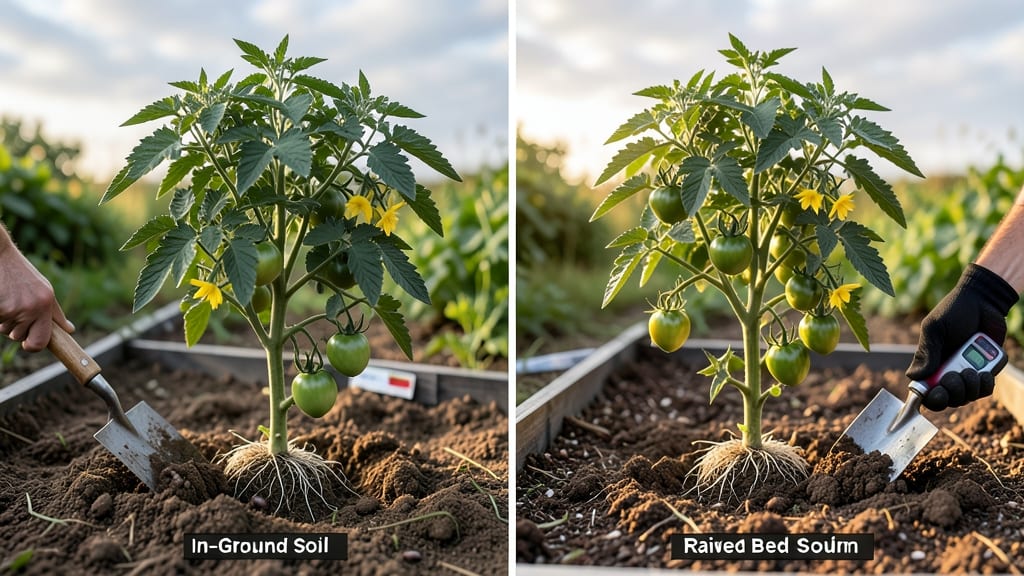
Your garden's foundation starts with the right soil—in-ground soil vs raised bed soil makes all the difference for plant health. 🌱 I've dug into both, and the choice isn't just about where to plant—it's about how your plants will grow, what they'll tolerate, and how much work you'll put in.
In-ground soil is what nature gives you—often heavy clay or sandy loam that needs amending. Raised beds let you control the mix from day one, creating a perfect loam blend with better drainage and nutrients.
I've seen struggling plants transform when moved to raised beds, while in-ground gardens thrive with the right prep work.
Vegetables like tomatoes and peppers love raised beds for their consistent moisture and warmth, while perennials often do better in-ground where roots can spread freely. The key difference? Raised beds warm up faster in spring and stay drier, while in-ground soil holds moisture better in hot climates.
For beginners, raised beds are the foolproof choice—they're easier to amend and control. Experienced gardeners often use both: raised beds for vegetables and in-ground for perennials. Either way, testing your soil first is the secret weapon for success.
The first option explained
Option A: In-Ground Soil 🌱🌍 is the classic choice for gardening, where plants grow directly in the natural soil of your yard or garden plot. This method leverages the earth’s existing composition, which often includes a mix of minerals, organic matter, and microorganisms that support plant health over time. Here’s what makes it a timeless favorite:
🔍 Key Characteristics
- Natural Composition: In-ground soil is typically a blend of clay, sand, silt, and organic material, creating a loam texture that’s ideal for most plants. However, its quality varies widely based on location—some areas may have heavy clay (slow drainage) or sandy soil (poor nutrient retention).
- Depth & Space: Offers unlimited depth for root systems (like trees or deep-rooted veggies) and allows for larger planting areas without barriers.
- Microbiome: Native soil teems with beneficial bacteria, fungi, and earthworms that break down organic matter and improve soil structure naturally.
✨ Benefits
- Cost-Effective: No materials or construction costs—just amend what you’ve got! 💰
- Low Maintenance: Once established, in-ground soil requires minimal upkeep (e.g., mulching, compost top-dressing).
- Sustainable: Reduces resource use (no wood/bricks) and supports local ecosystems.
- Versatile: Perfect for perennials, lawns, large-scale veggie gardens, or fruit trees.
🌿 Typical Use Cases
In-ground soil shines in scenarios where you have:
- Long-Term Projects: Orchards, vineyards, or heritage gardens where roots need deep, stable soil.
- Large-Scale Planting: Row crops (corn, potatoes) or pastureland for livestock.
- Native Landscaping: Drought-resistant plants or native wildflowers adapted to local soil conditions.
- Budget-Friendly Gardens: Vegetable patches or flower beds where you’re willing to invest time in soil prep (e.g., tilling, composting).
Pro Tip: 💡 If your in-ground soil is less-than-ideal, test its pH and texture (squeeze a handful—does it crumble or form a ball?). Amend with compost, gypsum (for clay), or peat moss (for sand) to optimize drainage and fertility before planting!
The second option explained
Option B: Raised Bed Soil 🌱✨
If you're dreaming of a garden that’s effortlessly productive and easy to manage, raised bed soil might be your perfect match! Unlike traditional in-ground planting, raised beds offer a controlled, nutrient-rich environment that’s ideal for both beginners and seasoned gardeners alike. Here’s why this soil type stands out:
🔥 Key Characteristics
- Customizable Depth & Width: Typically 6–12 inches deep (and often wider than in-ground plots), raised beds allow you to tailor soil composition to your plants’ needs—no more struggling with compacted or rocky native soil!
- Loose, Well-Draining Mix: A blend of topsoil, compost, and organic matter (like coconut coir or peat moss) ensures roots thrive without waterlogging. Think of it as a fluffy, airy hug for your plants!
- Warms Faster in Spring: Raised beds absorb sunlight more efficiently, giving you a 2–3 week head start on planting compared to in-ground soil. 🌞
- Pest & Weed Control: Elevated edges create a natural barrier, reducing soil-borne pests and invasive weeds.
💪 Top Benefits
- Superior Root Growth: No compaction means roots spread freely, leading to healthier, more vigorous plants and higher yields.
- Easier Maintenance: Weeding, fertilizing, and harvesting are a breeze—no bending over for hours! 🚜
- Ideal for Small Spaces: Perfect for balconies, patios, or urban gardens where in-ground planting isn’t an option.
- Year-Round Flexibility: Adjust soil pH or nutrients seasonally without disrupting the entire garden.
🌿 Typical Use Cases
Raised bed soil shines in scenarios where:
- You’re a Beginner: No guesswork—just mix, plant, and grow! 🌱
- Your Soil is Poor: Clay, sand, or rocky ground? Raised beds let you create the perfect loam blend.
- You Grow Heavy Feeders: Tomatoes, peppers, and leafy greens love the nutrient density.
- Accessibility Matters: Seniors or those with mobility challenges will appreciate the ergonomic height.
Pro Tip: 💡 For best results, layer your raised bed with cardboard (to block weeds), followed by a 50/50 mix of topsoil and compost. Add a slow-release fertilizer like worm castings or bone meal for long-term nourishment!
Key differences
🌱 Soil Composition & Control
One of the biggest differences between in-ground soil and raised bed soil is the level of control you have over its composition. In-ground soil is naturally occurring, meaning its texture, drainage, and nutrient levels are dictated by the environment and local geology.
You can amend it with compost or organic matter, but it’s often a slower, more labor-intensive process to achieve the ideal loam blend.
Raised bed soil, on the other hand, is entirely customizable from the start. You can mix in high-quality topsoil, compost, sand, or peat moss to create a perfect loam blend tailored to your plants’ needs. This makes raised beds ideal for gardeners who want consistent, high-quality soil without the guesswork.
💧 Drainage & Water Retention
In-ground soil can vary widely in drainage depending on your location. Clay-heavy soils may hold too much moisture, while sandy soils can dry out quickly. Raised beds, however, offer better control over drainage.
By layering soil with organic matter and adjusting the mix, you can create an ideal balance—promoting root health while preventing waterlogging or drought stress.
🔄 Nutrient Availability & Fertility
In-ground soil often requires regular testing and amendments to maintain fertility, especially in urban or heavily farmed areas where nutrients may be depleted. Raised beds, however, start with a nutrient-rich foundation.
Since you control the soil mix, you can incorporate slow-release fertilizers, worm castings, or other organic amendments upfront, reducing the need for frequent feeding.
🐛 Pest & Weed Management
In-ground gardens are more susceptible to pests, weeds, and soil-borne diseases because they’re exposed to the broader ecosystem. Raised beds, elevated above the ground, naturally deter many pests (like burrowing rodents or crawling insects) and make it easier to spot and remove weeds before they take over.
Plus, the controlled environment reduces the risk of soil contamination from neighboring plants.
💰 Cost & Long-Term Maintenance
In-ground soil is typically the more budget-friendly option upfront—no materials needed beyond basic amendments. However, it may require ongoing effort to maintain fertility and structure.
Raised beds involve an initial investment in materials (wood, soil, etc.), but they often pay off in the long run by reducing the need for frequent soil replenishment and minimizing labor-intensive tasks like tilling.
When to choose which
Choosing between in-ground soil and raised bed soil depends on your garden’s goals, location, and the plants you’re growing. Here’s when each option shines:
🌱 Pick In-Ground Soil When...
- You have deep, fertile soil: If your yard already boasts rich, well-draining loam (or you’re willing to amend it), in-ground planting maximizes root space and reduces watering needs. Perfect for perennials, shrubs, and large trees!
- Budget is a priority: No extra materials or labor costs—just dig and plant. Ideal for large-scale gardens or low-maintenance landscapes.
- You’re planting deep-rooted crops: Asparagus, artichokes, or fruit trees thrive with the natural depth of in-ground soil.
- Climate favors it: In warmer, drier regions, in-ground soil retains moisture better than raised beds (if properly amended).
🏡 Opt for Raised Bed Soil When...
- Your soil is poor or compacted: Raised beds let you customize soil blends (like our loam mix!) for perfect drainage and nutrients—no digging through clay or sand. Game-changer for urban gardens or rocky terrain!
- You want better control: Adjust pH, aeration, and moisture levels with ease. Great for vegetables, herbs, and flowers that need consistent conditions.
- Accessibility matters: Raised beds reduce bending/straining, making them ideal for beginners, seniors, or small spaces.
- You’re in a cold or wet climate: Raised beds warm up faster in spring and drain excess water, protecting roots from rot.
- Pest control is key: Elevated beds deter burrowing pests (like gophers) and keep critters from nibbling on your greens.
💡 Pro Tip: Need a hybrid solution? Try raised beds over in-ground soil—the best of both worlds! Layer compost and loam on top of existing soil to boost fertility without full excavation.
The bottom line
Choosing between in-ground soil and raised bed soil comes down to your garden’s needs, effort level, and long-term goals. 🌱 In-ground soil offers natural stability and lower maintenance but may struggle with drainage or compaction.
Raised beds, on the other hand, give you control over soil quality, warmth, and aeration—ideal for urban gardens or delicate plants.
For loam blends, raised beds win for customization, while in-ground soil shines for large-scale or low-budget projects. Test your soil first! Whether you’re a seasoned gardener or just starting, the right choice will help your plants thrive without the guesswork.