
How To
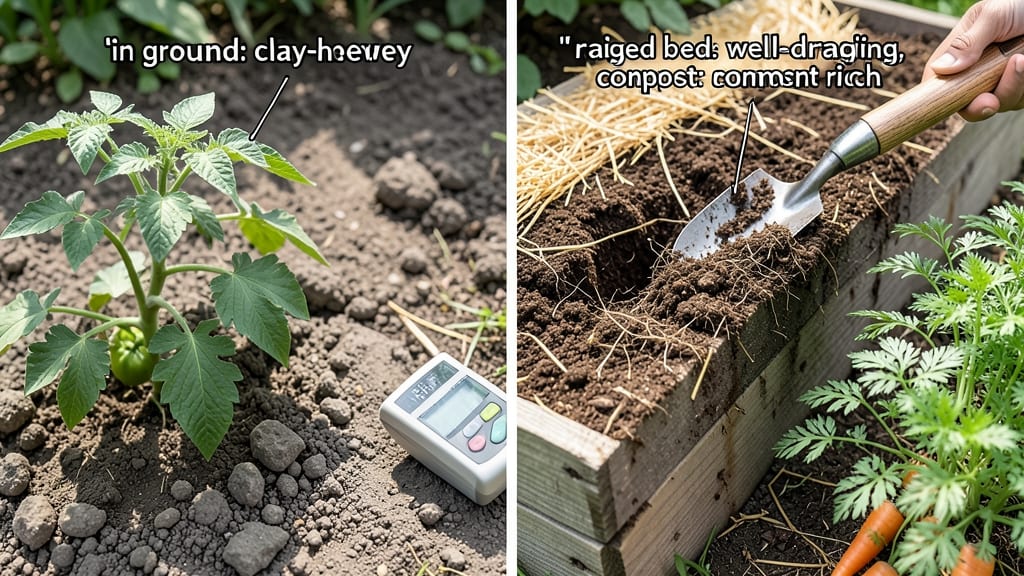
The right in-ground vs raised bed soil can mean the difference between thriving plants and constant struggles. In-ground soil is what nature gives you—layered, complex, and full of life (when it works).
But it often compacts over time, drains unevenly, and needs heavy amendments like compost or sand to improve structure. Raised beds, on the other hand, let you control everything from day one: the mix, the drainage, even the texture.
My tomatoes in raised beds produce twice as much because the soil stays loose and well-aerated all season. The real magic happens when you match the soil to the plant.
Root crops like carrots and potatoes need deep, loose in-ground soil, while shallow-rooted veggies like lettuce or strawberries thrive in raised beds where moisture stays consistent. For heavy clay or rocky native soil, raised beds are the game-changer—no more guessing whether your plants will drown or dry out.
Cost and effort matter too. In-ground soil requires more upfront work (tilling, amending, testing), while raised beds need ongoing top-ups of compost but less long-term maintenance. Either way, your plants will thank you for the right foundation. Let's break down what works best for your space.
The first option explained
Option A: In-Ground Soil 🌍🌱
In-ground soil is the classic choice for gardening, offering a natural, low-maintenance solution for plant growth. This option involves planting directly into the earth, leveraging the existing soil composition of your yard or garden. Here’s what makes it stand out:
Key Characteristics
- Natural Composition: Uses the native soil of your location, which may include a mix of clay, sand, silt, and organic matter.
- Cost-Effective: No need to purchase or build containers—just work with what’s already there!
- Long-Term Stability: Once established, in-ground gardens require minimal structural adjustments.
- Space Efficiency: Ideal for large-scale planting or sprawling gardens.
Benefits
- Better for Perennial Plants: Deep-rooted plants like fruit trees, shrubs, and herbs thrive in undisturbed soil.
- Natural Pest Control: Beneficial insects and microorganisms in the soil help manage pests organically.
- Lower Watering Needs: Established in-ground soil retains moisture better over time, reducing frequent watering.
- Eco-Friendly: No materials are wasted, and it supports natural soil ecosystems.
Typical Use Cases
In-ground soil is perfect for:
- Large vegetable gardens (e.g., corn, potatoes, squash).
- Fruit and nut trees (apples, peaches, walnuts).
- Perennial flowers and shrubs (lavender, roses, hydrangeas).
- Lawns and ground covers (clover, creeping thyme).
Pro Tip: 💡 If your native soil is heavy clay or sandy, consider amending it with compost or organic matter to improve drainage and fertility!
The second option explained
Raised bed soil is a game-changer for gardeners who crave control, convenience, and stunning plant growth—without the headaches of traditional in-ground gardening. 🌱✨ These elevated planters are filled with a custom soil mix, offering a fertile, well-draining environment that’s easier to manage and often more productive. Let’s break down why raised beds are a favorite among urban farmers, homesteaders, and plant enthusiasts alike.
🌿 Key Characteristics
- Customizable Soil Mix: Unlike in-ground soil, raised beds let you design the perfect blend—often a mix of topsoil, compost, peat moss, and perlite for optimal aeration and nutrient retention.
- Improved Drainage: The soil in raised beds warms up faster in spring, drains excess water efficiently, and reduces the risk of waterlogging (a common issue in clay-heavy in-ground plots).
- Extended Growing Season: Warmer soil temperatures in early spring and late fall allow for earlier plantings and later harvests.
- Weed & Pest Control: Elevated edges make it harder for weeds to invade, and the contained space deters many soil-borne pests.
- Accessibility: No more bending or kneeling—raised beds are designed for comfort, making gardening easier on the back and joints.
🌟 Top Benefits
Raised beds aren’t just a trend—they’re a powerhouse for plant health and gardener happiness. Here’s why they shine:
- Better Root Development: Loose, well-aerated soil encourages deeper root growth, leading to hardier, more productive plants.
- Fewer Soil Compaction Issues: Unlike in-ground plots, which can become compacted over time, raised beds retain their fluffy texture for years.
- Ideal for Small Spaces: Perfect for balconies, patios, or tiny backyards—you can grow a surprising amount in a small footprint!
- Less Soil Contamination: Avoid pesky in-ground contaminants (like old chemicals or rocks) by starting fresh with high-quality soil.
- Easier Maintenance: Watering, fertilizing, and harvesting are a breeze—no more digging through tough, uneven ground.
🌱 Typical Use Cases
Raised beds are the go-to for gardeners in these scenarios:
- Urban & Small-Space Gardening: Balconies, rooftops, and postage-stamp yards benefit from the space-saving design.
- Poor or Contaminated Soil: If your yard has clay, sand, or old lawn soil, raised beds let you bypass the problem entirely.
- Accessibility Challenges: Seniors, people with mobility issues, or those with back pain will appreciate the ergonomic height.
- High-Value Crops: Delicate plants like strawberries, herbs, or leafy greens thrive in the controlled environment.
- Organic & Heirloom Gardening: The contained space makes it easier to maintain organic practices without cross-contamination.
Pro Tip: 💡 For the best results, aim for a soil mix that’s 60% topsoil, 30% compost, and 10% perlite or sand to balance moisture and nutrients. Happy planting!
Key differences
🌱 Soil Composition & Preparation
In-ground soil is natural but often requires amending—think tilling, compost mixing, or aeration to improve texture and fertility. Native soil can vary widely in composition (clay, loam, sand), which may need adjustments for optimal drainage.
Raised beds, on the other hand, offer a clean slate: you control the mix entirely. A typical raised bed blend includes 60% topsoil, 30% compost, and 10% perlite or sand for ideal aeration and moisture retention. This precision reduces guesswork but demands more upfront effort.
💧 Drainage Efficiency
In-ground soil’s drainage depends on the site’s natural slope and soil type. Clay-heavy soil drains poorly, risking root rot, while sandy soil may dry out too quickly. Raised beds outperform here: their elevated design and custom soil mix promote faster, more consistent drainage.
However, improperly layered beds (e.g., no gravel base) can still trap excess moisture. Pro tip: Add a 2–4 inch layer of coarse gravel or landscape fabric at the bottom of raised beds to boost drainage further! 🌡️
🔄 Moisture Retention & Temperature
In-ground soil retains moisture longer but is prone to temperature extremes—too cold in winter, scorching in summer. Raised beds warm up 2–3 weeks earlier in spring and cool slower in fall, extending growing seasons.
However, they dry out faster in heatwaves unless mulched. Key trade-off: Raised beds need more frequent watering (or moisture-retentive additives like coconut coir) to compensate.
🐛 Pest & Weed Control
In-ground gardens battle weeds and pests year-round, with soil-borne invaders like grubs or nematodes lurking beneath. Raised beds minimize these issues by isolating plants from the ground, reducing weed competition, and deterring burrowing pests.
Yet, they’re not pest-proof—aphids, slugs, and fungal diseases can still strike. Solution: Use row covers, beneficial insects, or organic sprays in both setups! 🎯
💰 Cost & Long-Term Maintenance
| Factor | In-Ground | Raised Bed |
|---|---|---|
| Initial Cost | Low (if soil is fertile) | Moderate–High (materials + soil) |
| Maintenance | High (amending, weeding, tilling) | Lower (less weeding, controlled soil) |
| Longevity | Permanent (but soil degrades over time) | 5–10+ years (with proper care) |
Note: Raised beds win for low-maintenance gardening, while in-ground suits those with patience for soil work.
When to choose which
Choosing between in-ground soil and raised bed soil depends on your garden’s needs, location, and long-term goals. Here’s when each option shines:
🌱 Opt for In-Ground Soil When:
- You have naturally fertile soil: If your native soil drains well, retains moisture, and is rich in organic matter, in-ground planting is cost-effective and low-maintenance. 💡 Test your soil’s pH and texture first!
- Large-scale gardening: In-ground beds are ideal for sprawling vegetable gardens, lawns, or perennial flower beds where space and budget matter.
- Established plant roots: Trees, shrubs, and deep-rooted plants (like asparagus or rhubarb) thrive better when planted directly in the ground for stability.
- Minimal upkeep desired: No need to refill or reinforce borders—just amend the soil as needed.
🏡 Choose Raised Beds When:
- Poor or compacted soil: Raised beds give you total control over soil quality, drainage, and aeration—perfect for clay-heavy or sandy soils. ✨ Mix in compost and perlite for ideal conditions!
- Small spaces or urban gardening: Maximize vertical growth and yield in tight areas (balconies, patios, or rooftops).
- Better drainage needs: If your area floods or has poor water runoff, raised beds elevate roots away from standing water.
- Frequent soil rotation: Easier to replenish nutrients seasonally without digging into the ground.
- Accessibility or mobility: Great for gardeners with back issues or those who want to avoid bending over.
Pro tip: 🌡️ For climate extremes (hot/dry or cold/wet), raised beds offer better temperature regulation and protection for delicate plants.
The bottom line
So, which soil setup wins for your garden? 🌱 The choice between in-ground vs. raised bed soil boils down to your priorities: cost, effort, and plant needs. In-ground soil is budget-friendly and great for large-scale planting, but drainage and compaction can be tricky.
Raised beds offer better control—superior drainage, fewer weeds, and warmer soil—but require more upfront work and materials.
For drainage challenges, raised beds are the clear winner. If you’re dealing with clay-heavy or poorly draining soil, they’re a game-changer.
But if your soil is already well-draining and you love the low-maintenance vibe, in-ground might be your jam. Experiment with both! Mix and match—maybe start with a few raised beds for veggies and herbs while keeping flowers in the ground. Happy planting! 🌿
- Pick raised beds for: Better drainage, custom soil mixes, and easier maintenance.
- Stick with in-ground for: Lower cost, larger planting space, and natural soil benefits.