
Tools
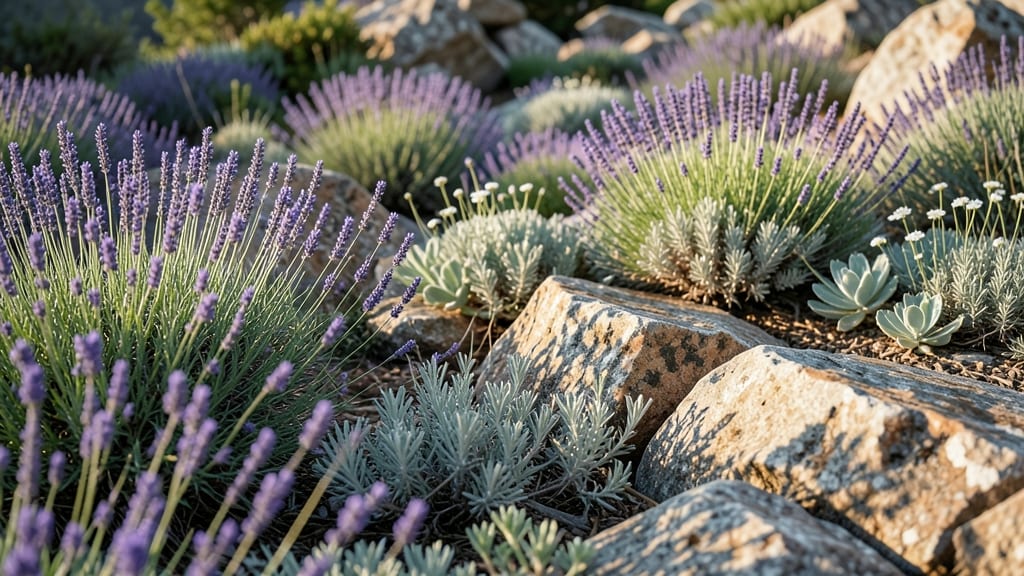
Transform your garden into a fragrant haven with these 10 lavender garden bed ideas. Designed to attract pollinators, repel pests, and create stunning visual appeal, these layouts work for any yard size or climate.
Classic English Cottage Lavender Border
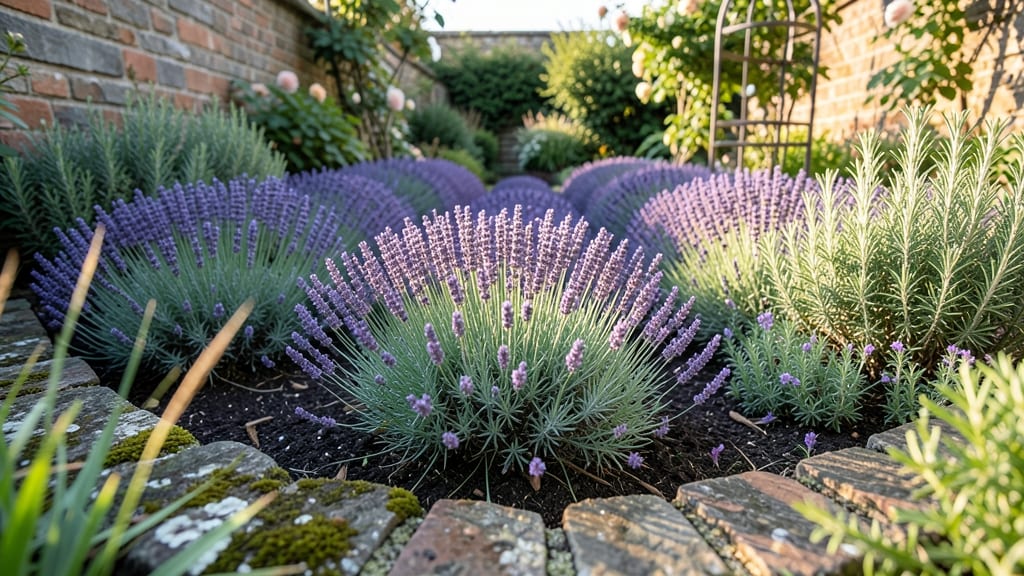
Step into a garden straight out of a storybook with a classic English cottage lavender border—where fragrant lavender takes center stage alongside its aromatic companions, rosemary and thyme. This timeless design blends old-world charm with effortless elegance, perfect for formal gardens or cottage-style homes craving a touch of romance.
Plant English lavender (like 'Munstead' or 'Hidcote') in neat rows along garden edges, spacing plants 12–18 inches apart for a structured yet natural look. Tuck upright rosemary and creeping thyme into the gaps to create a layered, textured border that thrives in full sun and well-drained soil. Prune lavender lightly after blooming to maintain shape, while rosemary and thyme add year-round greenery and fragrance.
This design is ideal for gardeners who love low-maintenance beauty with a nostalgic feel—ideal for defining pathways, framing flower beds, or adding a fragrant boundary to your property. The scent alone will transport you to another era. 🌷
Pollinator Paradise Wildflower Mix
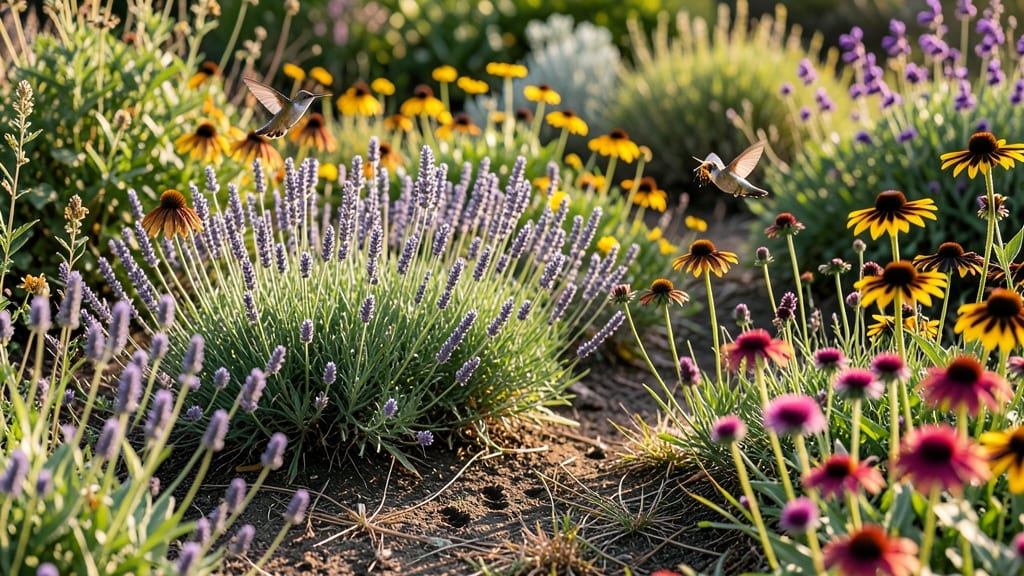
Skip the manicured perfection—this wildflower-lavender mix turns your garden into a buzzing, blooming ecosystem that thrives on nature’s rules, not yours. By blending lavender with native wildflowers like coneflowers and black-eyed Susans, you create a magnet for bees, butterflies, and hummingbirds while keeping maintenance light.
Plant lavender in clusters every 18–24 inches, then fill gaps with wildflowers like purple coneflower (Echinacea) for late-summer blooms and black-eyed Susan (Rudbeckia) for golden pops of color. This mix thrives in full sun and well-drained soil—ideal for eco-conscious gardeners who want to reduce water use while boosting biodiversity. Skip the weekly deadheading; let some flowers seed for next year’s pollinator buffet.
Perfect for rural acres or urban balconies, this design rewards you with year-round interest: fragrant lavender in spring, wildflower blooms through summer, and seed heads that feed birds in winter. 🌿
Modern Geometric Lavender Pattern
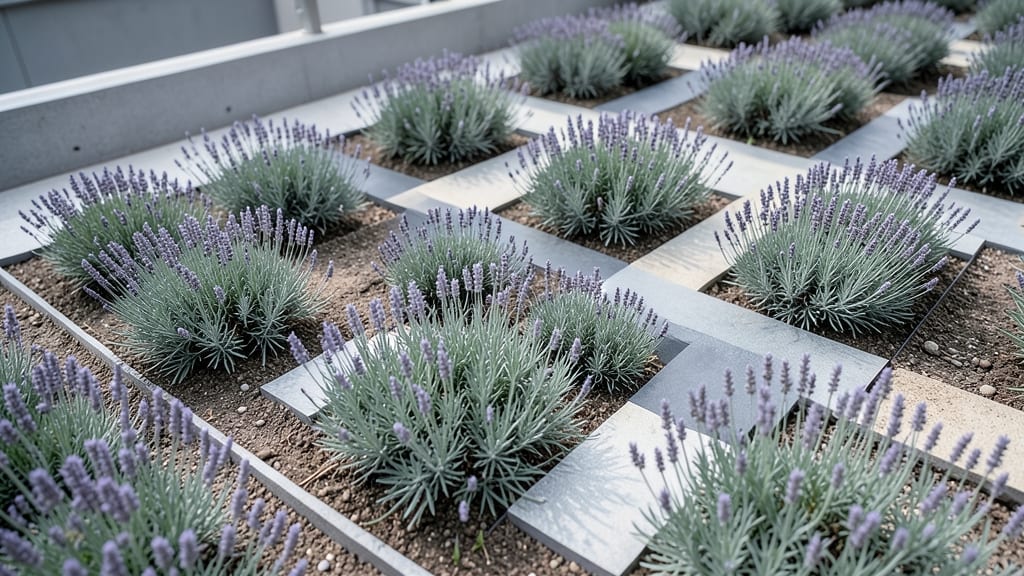
Skip the cottage-core charm and embrace bold, structured beauty with a modern geometric lavender pattern. This design transforms your garden into a sleek, contemporary space by using lavender in crisp rectangles, triangles, or even checkerboard layouts—perfect for urban balconies or minimalist yards where clean lines reign.
Start by outlining your bed with black metal edging or gravel paths to define the shapes. Use dwarf lavender varieties like 'Kew Red' or 'Hidcote' for tight control, and mix in silver foliage plants like lamb’s ear for contrast. For extra structure, plant lavender in 12-inch-wide stripes separated by low-growing thyme or creeping sedum. Prune plants to maintain sharp edges after blooming.
This design thrives in sun-drenched urban spaces where maintenance is low but impact is high. Ideal for city dwellers or modern gardeners who love a polished look without sacrificing fragrance. ✨
Herb Spiral with Lavender Centerpiece
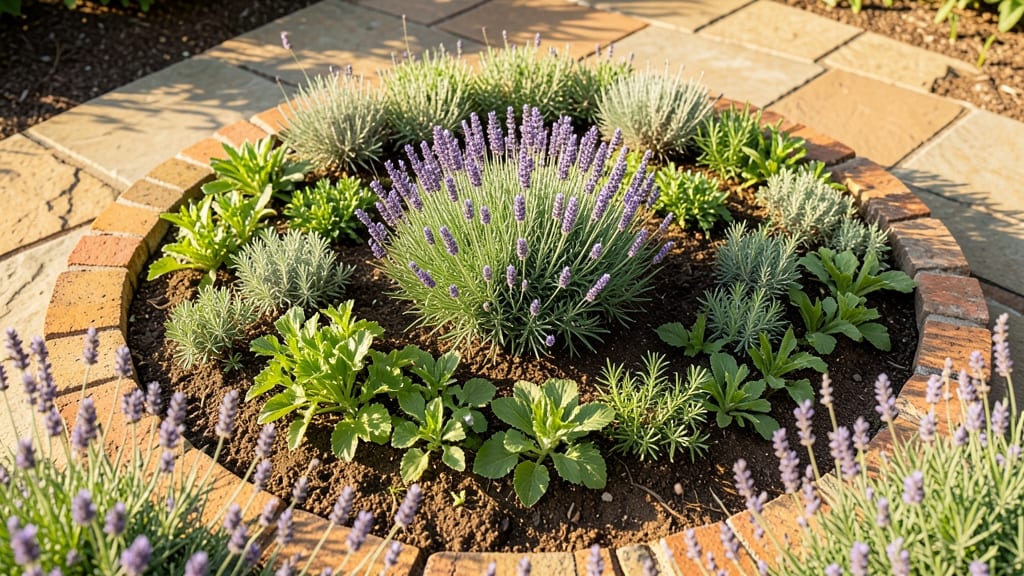
Turn your tiny patch of green into a fragrant kitchen garden with an herb spiral that puts lavender at the heart of the design. This clever, space-saving layout lets you grow herbs in a compact, circular bed while maximizing sunlight exposure for every plant.
Start by planting lavender in the center, where it gets the most sun, then spiral outward with sun-loving herbs like rosemary and thyme on the south side, and shade-tolerant herbs like parsley and cilantro on the north. The spiral shape naturally channels water toward the center, reducing waste and keeping roots healthy. For small spaces, use a raised bed with stone borders to define the shape and prevent soil erosion.
This design is perfect for urban gardeners, balcony planters, or anyone who wants fresh herbs within arm's reach. The fragrant lavender centerpiece will also deter pests while adding a calming aroma to your outdoor space. 🌿
Drought-Tolerant Mediterranean Lavender Grove
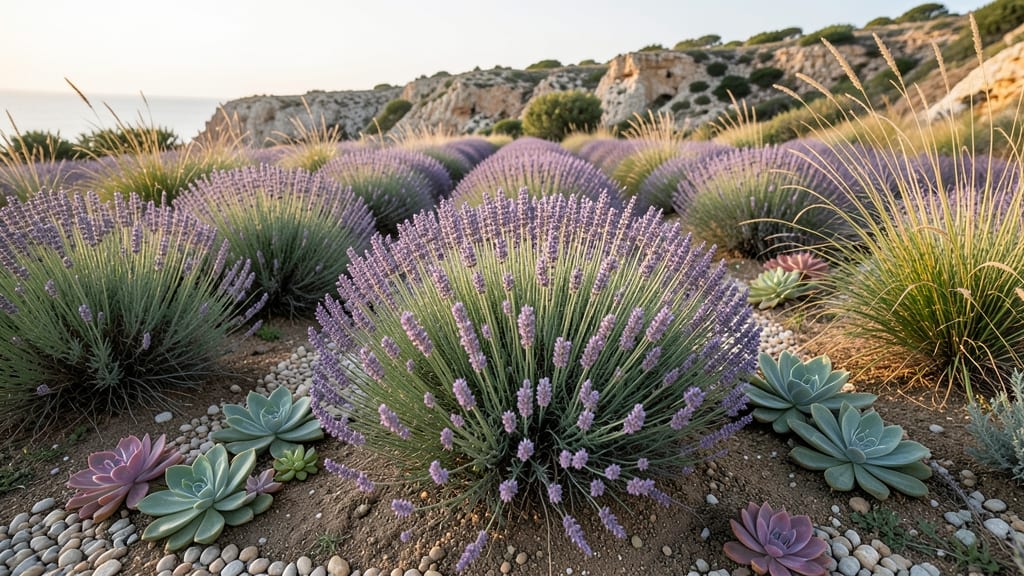
Create a low-water oasis that thrives on neglect with a Mediterranean lavender grove—where fragrant lavender pairs with drought-resistant succulents and ornamental grasses to mimic the rugged beauty of coastal cliffs. This design is perfect for arid climates, water-restricted areas, or gardeners who want to slash their irrigation bills without sacrificing beauty.
Start with French lavender varieties like 'Provence' or 'Grosso,' which handle heat and drought better than English types. Interplant with silver-blue succulents like sedum or hens-and-chicks, and add ornamental grasses such as blue fescue or maiden grass for texture. Mulch with gravel or crushed stone to retain moisture and deter weeds—this grove thrives on once-a-month watering once established.
This design is ideal for sustainable gardeners in desert regions or anyone tired of high water bills. The fragrant lavender will perfume your space while requiring almost no upkeep—just sun, good drainage, and an occasional trim. 🌻
Lavender and Ornamental Grass Contrast
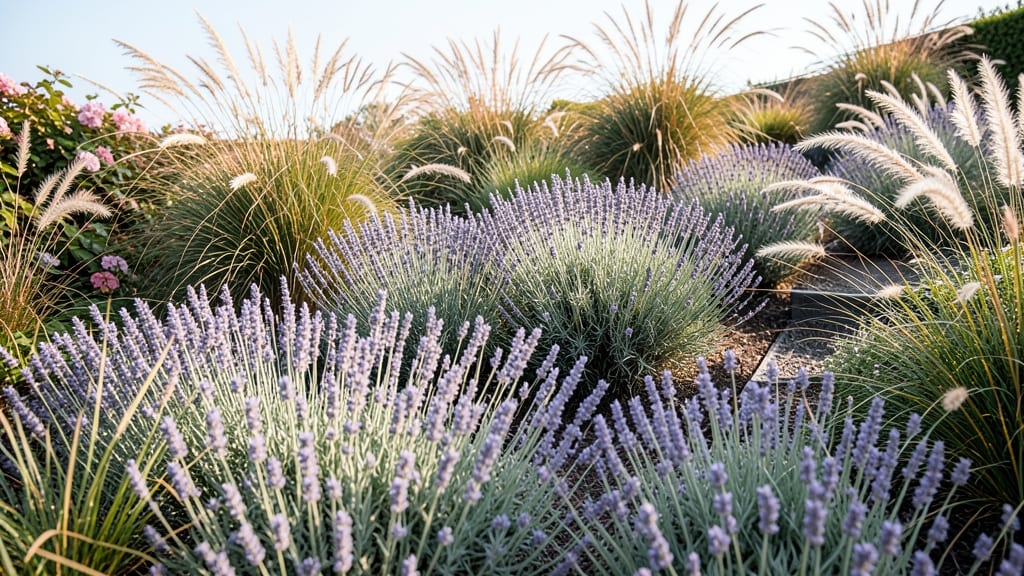
Elevate your garden bed from flat to dynamic with the striking contrast of lavender paired with tall ornamental grasses like fountain grass or pampas grass. This power duo adds height, texture, and movement—creating a visual spectacle that dances in the breeze while keeping maintenance simple.
Plant lavender in clusters along the front of your bed, then tuck upright ornamental grasses (like 'Karl Foerster' fountain grass or 'Pampas Elite' pampas grass) behind for a 3D effect. Both thrive in full sun and well-drained soil, making them the perfect partners. For extra drama, choose purple-hued grasses to echo lavender’s color palette or opt for silver-blue varieties for a cool-toned contrast. Shear grasses lightly in early spring to encourage fresh growth, while lavender benefits from a post-bloom trim.
This design is ideal for gardeners who want year-round interest—lavender’s fragrance in summer, grasses’ winter seed heads, and the ever-changing play of light through their foliage. Perfect for modern landscapes or cottage gardens craving a touch of whimsy. 🌻
Container Lavender Garden with Mixed Heights
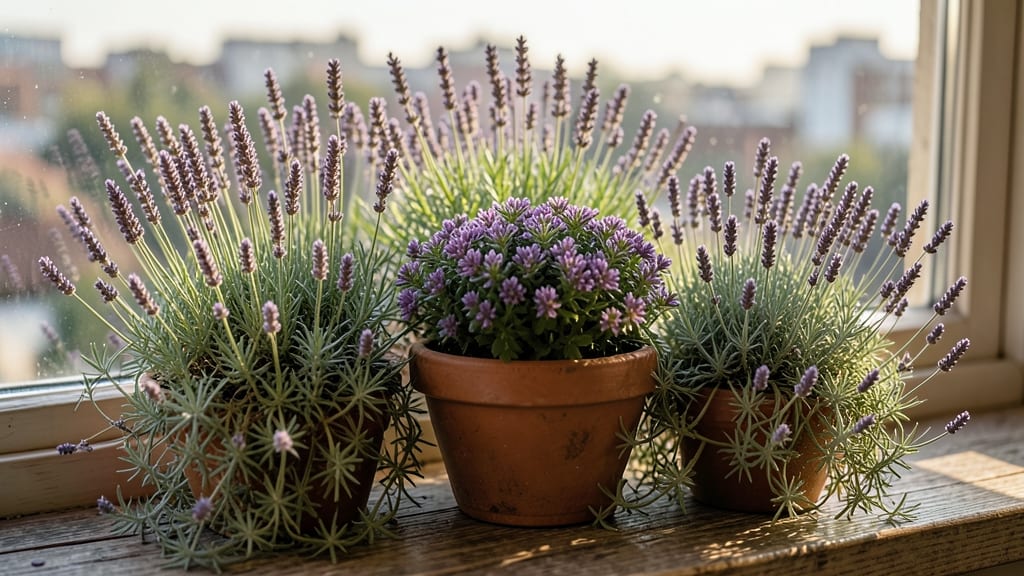
Bring the charm of a fragrant garden to any small space with a container lavender garden that plays with mixed heights and textures. This portable solution lets you create a sensory experience on balconies, patios, or even windowsills—no yard required. The key is pairing upright lavender varieties like 'Grosso' or 'Provins' with trailing companions such as creeping thyme or petunias to add cascading color and softness.
Start with terracotta or fiberglass pots (at least 12 inches deep) to ensure proper drainage—lavender hates soggy roots. Plant lavender in the center for height, then tuck trailing plants like golden creeping thyme or petunias around the edges to spill over the sides. Place containers in full sun (6+ hours daily) and use a well-draining potting mix with added perlite. Water only when the top inch of soil feels dry, and fertilize lightly in spring with a balanced organic fertilizer.
This design is perfect for urban gardeners, renters, or anyone with limited space who still wants a fragrant, pollinator-friendly garden. The mix of heights and textures creates visual interest while keeping maintenance simple—just prune lavender lightly after blooming and enjoy the sweet scent all summer long. 🌻
Fragrant Lavender Pathway Edging
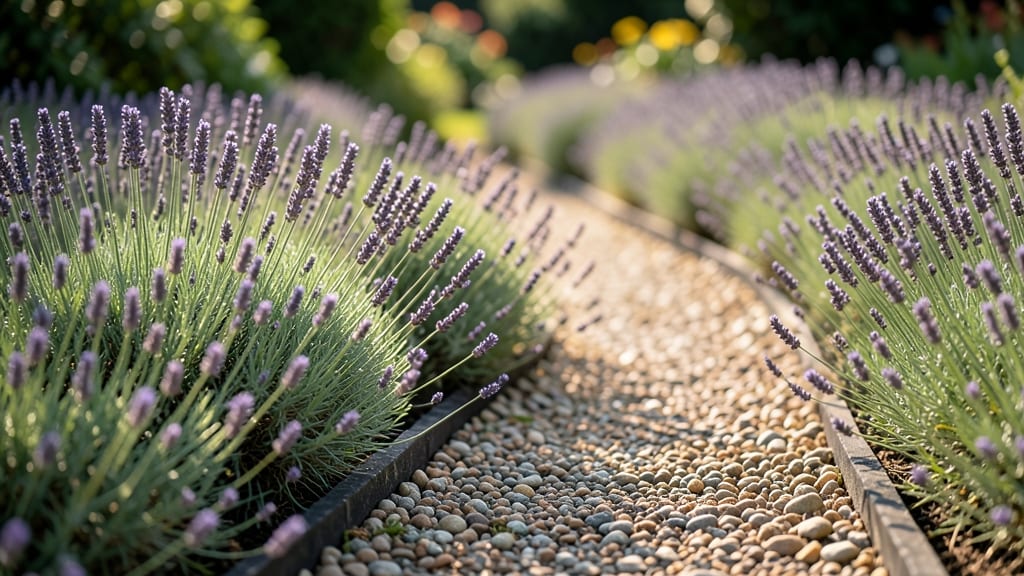
Create a sensory pathway that guides visitors through your garden with a fragrant lavender pathway edging. This practical yet elegant design uses lavender to define walkways, borders, or garden edges while filling the air with its soothing aroma—perfect for creating a welcoming entrance or a tranquil stroll.
Plant English lavender or Spanish lavender in a single row along gravel paths, spacing plants 12–18 inches apart for a lush, continuous border. Pair it with low-growing creeping thyme or silver foliage plants like lamb’s ear for texture and contrast. Mulch with gravel to suppress weeds and enhance the pathway’s definition while keeping maintenance minimal.
This design is ideal for urban gardeners, small yards, or anyone who wants to add fragrance and structure without sacrificing space. The scent alone will make every walk feel like a retreat. 🌿
Lavender Moon Garden with White Flowers
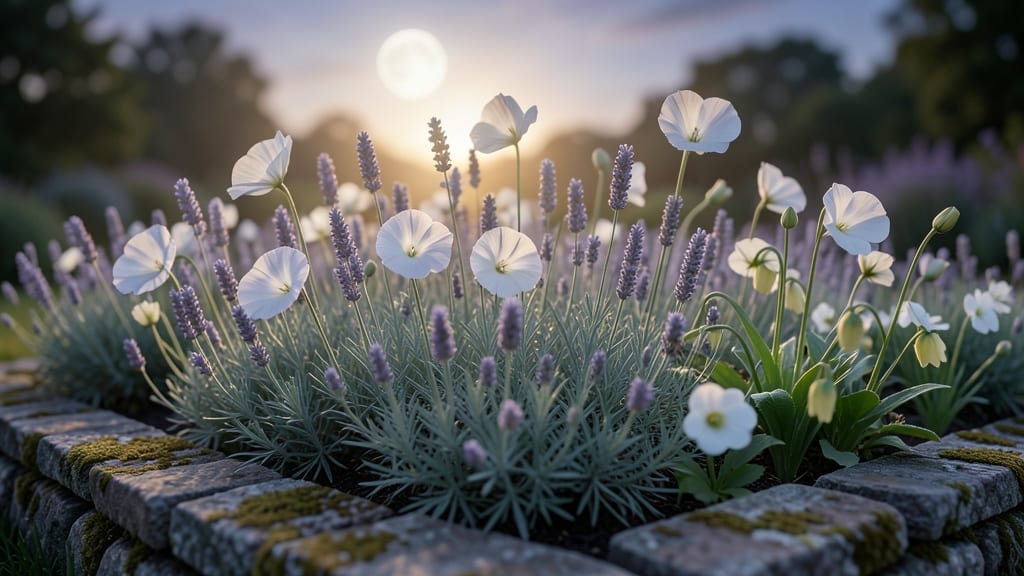
Turn your evening hours into a fragrant spectacle with a Lavender Moon Garden that comes alive after dark. This enchanting design combines white and pale lavender varieties with moonflowers and white evening primrose—flowers that unfurl their petals only when the sun sets, creating a magical, nocturnal display that glows under moonlight.
Plant 'Alba' lavender (a pure white variety) alongside moonflowers (Ipomoea alba), which open at dusk and close by dawn, releasing their sweet scent into the night air. Add white evening primrose (Oenothera biennis) for extra fragrance and pollinator appeal. These plants thrive in full sun and well-drained soil, making them perfect for warm climates or containers that can be moved indoors during cold snaps.
This dreamy design is ideal for gardeners who love nighttime beauty and want to extend their gardening experience beyond daylight hours. The soft glow of white blooms will transform your backyard into a serene, fragrant retreat. ✨
Lavender and Rock Garden Combination

Escape the manicured garden and create a wild, rugged charm with a lavender and rock garden that mimics nature’s alpine landscapes. This design blends fragrant lavender with alpine plants and scattered rocks to evoke the beauty of untamed mountain meadows—ideal for rock gardens, alpine collections, or slopes where drainage is a challenge.
Start by arranging flat, medium-sized rocks in a natural pattern, leaving pockets for lavender (like 'Munstead' or 'Alba') and alpine companions such as thyme, sedum, or creeping phlox. Use well-draining soil mixed with sand or gravel to replicate rocky terrain. Plant lavender in clusters of 3–5 stems, spacing them 12–18 inches apart, while tucking smaller alpines into crevices. This combination thrives in full sun to partial shade and requires minimal water once established.
Perfect for gardeners who love low-maintenance, drought-resistant designs with a touch of wilderness, this layout adds texture, fragrance, and year-round interest. It’s especially magical in spring and summer when lavender blooms alongside delicate alpine wildflowers. 🌿