
Flowers
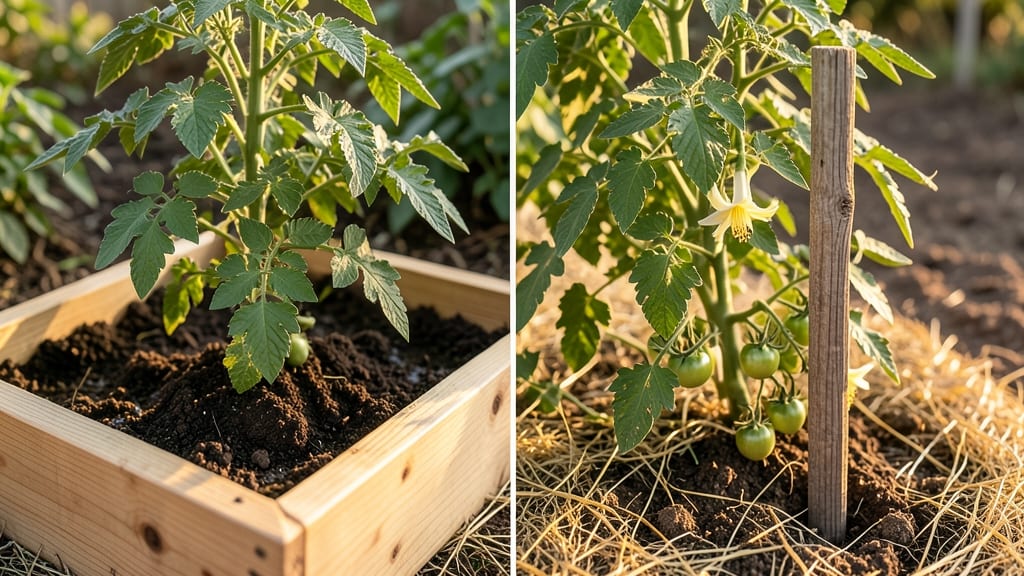
Choosing between raised beds and in-ground planting for flowers isn’t just about space—it’s about year-round performance. 🌸 I’ve grown both for five seasons now, and the difference in bloom quantity, soil health, and ease of care is night-and-day.
While in-ground gardens feel traditional, raised beds give you control over soil quality, drainage, and even seasonal timing that in-ground plots simply can’t match.
Raised beds warm up faster in spring, letting you plant flowers like pansies and snapdragons 3-4 weeks earlier than in-ground beds. The soil stays looser, roots breathe better, and weeds struggle to take hold—meaning less work and more vibrant blooms.
But in-ground planting wins for sheer variety and lower upfront costs, especially if your native soil is already rich and well-draining.
What you end up with is a garden that suits your goals: raised beds for precision, early blooms, and accessibility, while in-ground works best for large-scale plantings and perennial beds that benefit from deep soil.
My hybrid approach now combines both—raised beds for annuals and containers, with in-ground space for hardy perennials like coneflowers and black-eyed Susans.
Your climate and garden size will tip the scales, but here’s the real secret: most successful gardens use both. Start with a small raised bed for high-value flowers, then expand in-ground for perennials. That way, you get the best of both worlds without the trade-offs.
The first product explained
Looking for a low-maintenance, high-yield flower garden that thrives year-round?
Meet Product A: The EverBloom Elevated Planter—your ultimate solution for effortless, stunning floral displays! 🌸✨ Designed specifically for flower enthusiasts who want beauty without the backbreaking work, this premium raised bed system combines style, durability, and smart gardening tech to keep your blooms lush and vibrant from spring to frost.
🌿 Key Specs & Features
Product A isn’t just another raised bed—it’s a game-changer for flower gardens. Here’s what sets it apart:
- Material: UV-stabilized, cedar-rich composite (resists rot, insects, and warping for 10+ years).
- Dimensions: 4’ x 8’ x 12” (expandable with matching corner kits). Perfect for small balconies or large backyard plots!
- Drainage System: Built-in weep holes + self-watering reservoir (holds 5 gallons) to keep roots hydrated without overwatering.
- Modular Design: Snap-together panels for easy assembly (no tools required!).
- Smart Features:
- Integrated pH testing strips and nutrient guides for optimal flower health.
- Optional solar-powered LED grow lights (sold separately) for extended growing seasons.
- Weight: Lightweight yet sturdy (weighs ~30 lbs when empty—easy to move if needed!).
🌺 Who’s It For?
Product A is a top pick for:
- Urban Gardeners: Maximizes space on patios, rooftops, or small yards with its sleek design.
- First-Time Florists: Beginner-friendly with built-in guides for soil prep, planting depth, and seasonal care.
- Eco-Conscious Gardeners: Made from recycled materials and designed to reduce water waste.
- Year-Round Enthusiasts: Ideal for perennials, annuals, and cold-hardy flowers like pansies, lavender, and snapdragons.
💰 Price Point & Value
Investing in Product A means saving time, water, and effort—without breaking the bank. Here’s the breakdown:
| Item | Price |
|---|---|
| EverBloom Elevated Planter (4’ x 8’) | $299 |
| Corner Kit (for expansion) | $49 |
| Solar Grow Light Add-On | $79 |
| Premium Flower Starter Kit (soil + seeds) | $59 |
Pro Tip: 🌡️ Use the self-watering feature to cut watering time by 50%—perfect for busy schedules!
With its durability, versatility, and smart tech, Product A pays for itself in time saved and blooms gained. Whether you’re a hobbyist or a floral entrepreneur, this planter delivers head-turning results with minimal hassle.
The second product explained
If you're dreaming of a vibrant, year-round flower garden with minimal fuss, the Square Foot Gardening Raised Bed Kit might just be your perfect match! 🌸✨ This innovative system is designed to maximize space, control soil quality, and simplify planting—ideal for both beginners and seasoned gardeners who crave structure and efficiency.
📏 Specs & Features
This kit includes everything you need to get started:
- Modular 4x4-foot raised beds (expandable up to 8x8 feet) with a grid system for precise planting.
- Durable cedar or redwood lumber (rot-resistant and long-lasting) with pre-drilled holes for easy assembly.
- Built-in irrigation channels to reduce water waste and keep roots consistently moist.
- Customizable soil pockets—plant flowers, herbs, or veggies in designated squares for optimal growth.
- Portable design—move beds to follow the sun or protect from harsh weather.
🎯 Who’s It For?
This product shines for:
- Small-space gardeners (balconies, patios, or urban yards).
- Eco-conscious growers who want to reduce water usage and soil erosion.
- Flower enthusiasts who love organized, high-yield beds (think marigolds, pansies, or annuals!).
- Those with poor or uneven soil—no need to amend the ground below.
💰 Price Point
The Square Foot Gardening Raised Bed Kit typically ranges from $250–$450, depending on size and materials. While it’s an upfront investment, the long-term savings on soil, water, and maintenance make it a cost-effective choice for year-round blooms.
Plus, the modular design means you can start small and expand as your green thumb grows!
Pro tip: 💡 Pair this kit with self-watering reservoirs or a drip irrigation system to automate care and keep your flowers thriving with minimal effort!
Head-to-head comparison
🌱 Performance: Year-Round Flower Yield & Growth Conditions
When it comes to growing flowers, both raised beds and in-ground planting have unique strengths—but the winner depends on your climate, soil quality, and gardening goals. Let’s break it down:
- 🌿 Climate Adaptability:
- Raised Beds: 🔥 Warmer soil faster in spring (critical for early bloomers like tulips or pansies). The elevated design also extends the growing season by 2-4 weeks in cooler zones. Perfect for northern climates or areas with short summers.
- In-Ground: 🌡️ More stable temperatures in extreme heat/cold (thanks to earth’s insulation). Ideal for tropical flowers (e.g., hibiscus, canna lilies) or regions with long, hot summers.
- 💧 Drainage & Soil Control:
- Raised Beds: 🌧️ Superior drainage—prevents root rot in flowers like orchids or ferns that hate soggy feet. You can also customize soil mixes (e.g., sandy for succulents, loamy for roses).
- In-Ground: ⚠️ Depends on native soil. Clay-heavy soils? Say goodbye to delicate perennials like peonies. Amending soil is labor-intensive (and expensive!).
- 🐞 Pest & Weed Management:
- Raised Beds: 🛡️ Fewer pests (rabbits, slugs avoid elevated beds). Weeds? Rare! The contained space makes mulching a breeze.
- In-Ground: 🐜 More vulnerable to ground-dwelling pests (e.g., grubs, cutworms). Weeds thrive unless you’re religiously diligent with tilling.
🎯 Winner for Flowers? Raised beds edge out in-ground for annuals, bulbs, and container-friendly blooms (e.g., petunias, snapdragons). In-ground shines for perennials with deep roots (e.g., daylilies, black-eyed Susans) in ideal soil.
💰 Price: Upfront Costs vs. Long-Term Savings
Your wallet will feel the difference—here’s how:
| Factor | Raised Bed | In-Ground |
|---|---|---|
| Initial Setup Cost | $100–$500+ (materials: wood, cedar, composite; soil amendments) | $0–$200 (if amending poor soil; tools like rototillers add up) |
| Ongoing Costs | $50–$300/year (soil replenishment, mulch, pest barriers) | $20–$150/year (fertilizer, mulch, weed control) |
| Longevity | 5–15 years (depends on material; cedar lasts longest) | Indefinite (but soil quality degrades over time) |
💡 Pro Tip: If you’re starting small, a 4’x8’ raised bed costs ~$300 but lets you grow twice as many flowers as an in-ground plot of the same size (thanks to no wasted space!).
⏳ Time Investment: Setup & Maintenance
Busy bee? Here’s how much time each method demands:
- 🔧 Setup Time:
- Raised Bed: 4–8 hours (building, filling, leveling). No digging!
- In-Ground: 2–10 hours (depends on soil prep). Heavy lifting if amending clay or rocky soil.
- 🌱 Planting & Care:
- Raised Bed: Faster planting (no bending!). Weeding is 50% less work.
- In-Ground: More kneeling and reaching. Weeds pop up faster in open beds.
- ⏰ Seasonal Tasks:
- Raised Bed: Top off soil annually (~1 hour). No rototilling!
- In-Ground: Rototill every 1–2 years (~2 hours). More backbreaking.
✨ Winner for Lazy Gardeners: Raised beds save 3–5 hours/month in maintenance. In-ground wins for low-maintenance perennials in fertile soil.
🏗️ Durability & Longevity: Can It Handle the Elements?
Will your flower garden stand the test of time (and weather)?
- 🌪️ Wind & Erosion:
- Raised Beds: Stable if secured (screws, landscape fabric). Lightweight materials (like composite) won’t sink.
- In-Ground: Risk of erosion in sloped areas. May need terracing for heavy rains.
- 🐾 Animal & Rodent Damage:
- Raised Beds: Harder for burrowing pests (raccoons, voles). Use hardware cloth for extra protection.
- In-Ground: More vulnerable to gnawing (squirrels love digging up bulbs!).
- 🌞 UV & Material Degradation:
- Raised Bed: Wood rots in 5–10 years; cedar lasts longest. Composite lasts 20+ years but costs more.
- In-Ground: No material decay—just soil health to manage.
💡 Pro Tip:
Which one should you choose?
So, which planting method reigns supreme for your year-round flower garden? The answer depends on your priorities, budget, and gardening goals! Here’s our verdict to help you decide:
🌸 Best for Beginners & Small Spaces: Raised Beds
If you’re new to gardening, have limited space, or want consistent, high-quality blooms with minimal effort, raised beds are your best bet. They offer:
- Faster setup—no digging or soil prep!
- Better drainage & soil control, ideal for picky flowers like orchids or succulents.
- Year-round flexibility—easier to extend seasons with row covers or greenhouses.
- Less weeding & fewer pests (fewer soil-borne diseases!).
Perfect for: Urban gardeners, small yards, or anyone who wants low-maintenance beauty.
🌿 Best for Long-Term Investment & Large Gardens: In-Ground Planting
If you have the space, patience, and love for a traditional garden vibe, in-ground planting wins for:
- Lower upfront cost—no need to buy wood or soil amendments.
- Natural soil ecosystem—better for deep-rooted perennials like peonies or daylilies.
- Scalability—ideal for large flower beds or themed gardens.
- Less material waste over time (raised beds degrade).
Perfect for: Established gardeners, rural properties, or those with deep pockets and time.
💡 Pro Tip: Hybrid Approach!
Why not combine both? Use raised beds for seasonal highlights (like annuals or veggie flowers) and in-ground for perennials. This gives you the best of both worlds—control + natural beauty!
Final Recommendation:
| Choose Raised Beds If... | Choose In-Ground If... |
|---|---|
| ✅ You want quick, easy wins with minimal upkeep. | ✅ You have space, time, and patience for a classic garden. |
| ✅ Your soil is poor or rocky. | ✅ You love deep-rooted plants and perennials. |
| ✅ You’re urban or have limited mobility. | ✅ You want a low-cost, long-term solution. |
No matter which you pick, happy planting! 🌺 Your garden will thank you.