
Landscaping
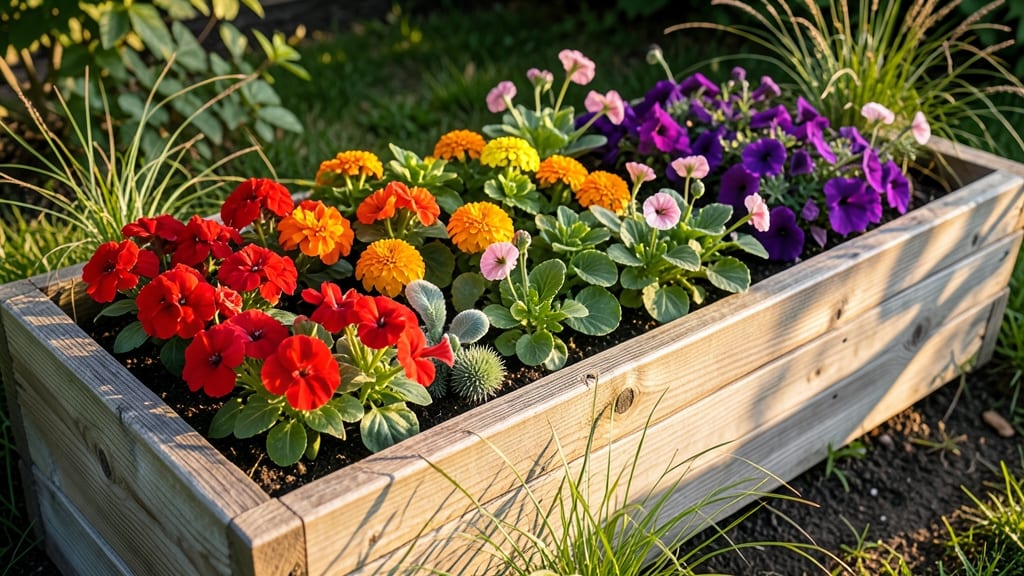
Transform your garden with these 10 visually stunning raised flower bed designs that cater to every style—from modern minimalism to cottage charm. Perfect for small spaces, urban balconies, or sprawling yards, these ideas combine beauty with practicality for thriving plant growth.
Modern Geometric Raised Flower Bed
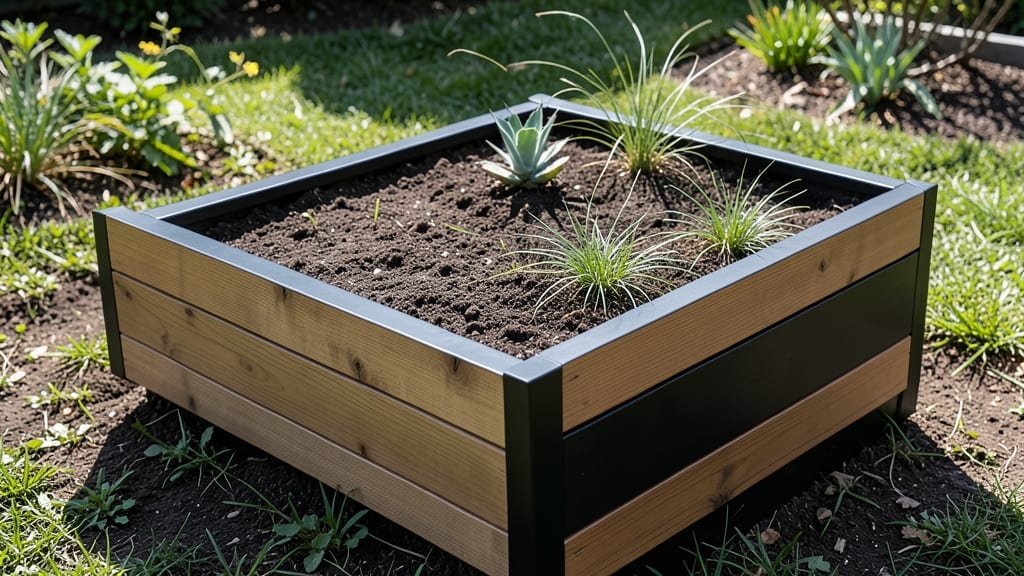
Skip the soft, rounded edges—modern geometric raised beds bring sharp angles and architectural precision to your garden. This isn’t your grandma’s cottage-style planter; it’s a bold statement piece that thrives on clean lines and deliberate spacing, making it perfect for minimalist or contemporary landscapes.
Start with a rectangular or trapezoidal cedar bed (rot-resistant and weatherproof) and divide it into grid sections for uniform planting. Pair silver foliage plants like lamb’s ear (Stachys byzantina) with deep purple flowers such as black mondo grass (Ophiopogon planiscapus) for high-contrast drama. The key to low maintenance? Group plants by water needs—place drought-tolerant succulents like sedum in the sunniest sections and moisture-loving heuchera in shaded corners.
This design works beautifully in urban courtyards or modern backyards where space is limited but style matters. The structured look reduces weeds by minimizing gaps, and the geometric shape makes it easy to rotate crops or swap out seasonal plants. 💡
Tiered Wooden Raised Garden with Herbs
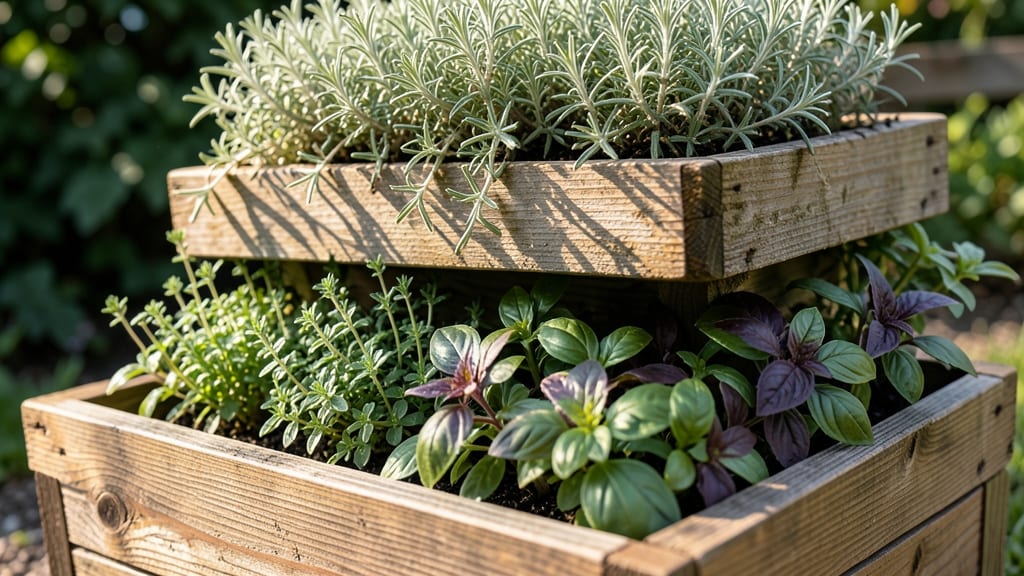
Bring the kitchen garden to life with a tiered wooden raised garden designed specifically for herbs—ideal for small spaces where every inch counts. This multi-level design lets you grow rosemary, thyme, and basil in a compact footprint while keeping your favorite flavors within arm's reach.
Start with a three-tiered cedar planter (each level 6-12 inches deep) to accommodate different herb needs—tall rosemary on the back tier, mid-height thyme in the middle, and trailing basil on the lowest shelf. Use well-draining soil and place in 6 hours of sun daily for optimal growth. The elevated design also prevents soil-borne diseases and makes harvesting effortless.
Perfect for urban balconies, patio corners, or even a sunny windowsill, this setup turns herb gardening into a low-maintenance, high-reward hobby. 🌿
Cottage Garden Raised Flower Bed
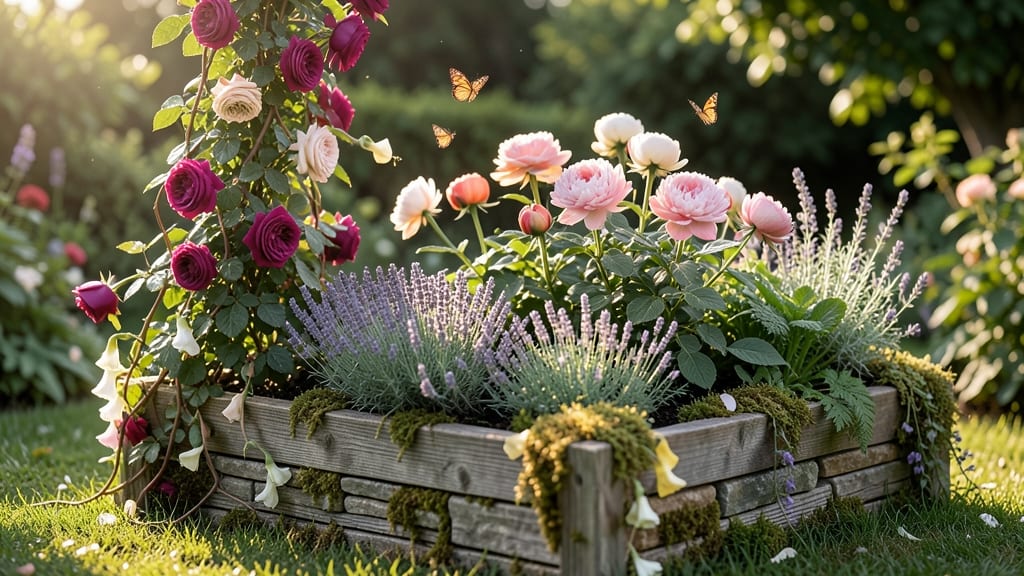
Step into a storybook garden with a cottage-style raised flower bed, where climbing roses and lavender spill over the edges, creating a fragrant, butterfly-filled paradise. This timeless design blends overflowing annuals like sweet peas and perennials such as peonies to craft a nostalgic, whimsical atmosphere that feels like a hug from nature.
To create this look, opt for a curved wooden frame (cedar or redwood lasts longest) and fill it with a mix of sun-loving perennials in the center, surrounded by annuals that spill over the sides. Plant climbing roses along the back or sides for vertical drama, and weave in butterfly-attracting flowers like coneflowers and black-eyed Susans. Water deeply once a week, and mulch with straw to keep weeds at bay while preserving moisture.
This design is perfect for gardeners who love romantic, low-maintenance beauty—ideal for front yards, cottage-style homes, or even as a charming centerpiece for patios. The overflowing blooms and sweet fragrance will transport you (and pollinators!) to a bygone era of garden charm. 🌷
Vertical Pallet Flower Bed
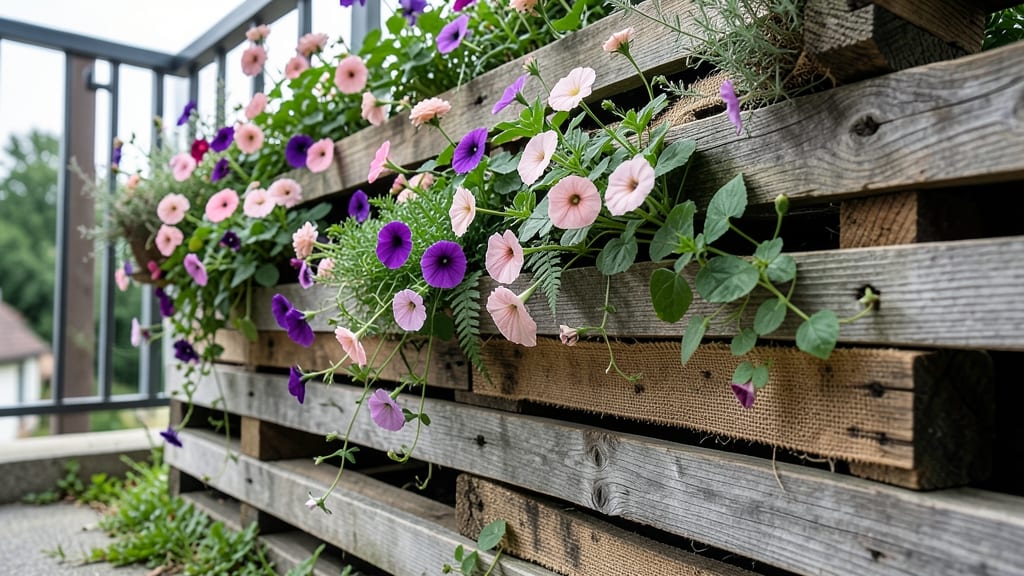
Turn your urban balcony or tiny yard into a lush floral display with a vertical pallet flower bed—the ultimate space-saving hack for city gardeners. This repurposed wood design transforms discarded pallets into a rustic-chic vertical garden that thrives in tight spots while requiring no extra ground space.
Start by sanding and sealing a weathered pallet, then fill the slats with drought-tolerant annuals like petunias and geraniums, or trailing plants like ivy for cascading texture. Mount it vertically against a fence or wall using sturdy brackets, ensuring proper drainage with landscape fabric at the bottom. The key to success? Group plants by sunlight needs—place sun-lovers on the top slats and shade-tolerant varieties lower down.
This design is perfect for renters, small-space enthusiasts, or anyone craving instant curb appeal without the commitment of traditional beds. Plus, the industrial-meets-nature aesthetic adds unexpected character to modern patios. 🌻
Japanese Zen Raised Rock Garden
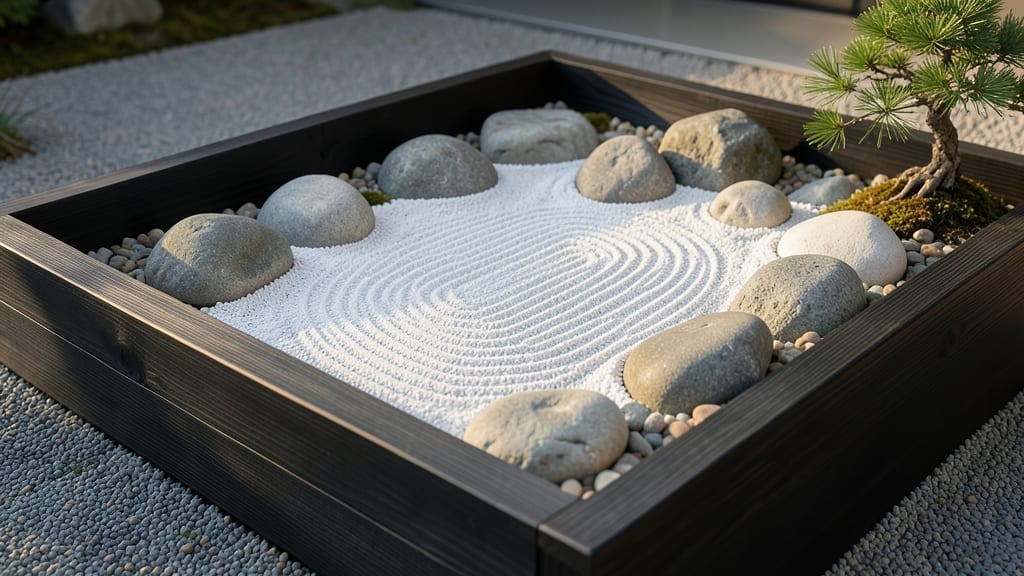
Need a tranquil retreat in your backyard? A Japanese Zen raised rock garden brings the peace of traditional Japanese design to your raised bed, using just a few carefully chosen elements. This minimalist approach replaces traditional in-ground designs with a contained, portable version that fits any space—even a small balcony or urban patio.
Start with a shallow cedar or stone planter filled with raked sand for a smooth base, then add small river rocks in clusters to create natural groupings. Weave in dwarf conifers like Pinus mugo or Juniperus procumbens for structure, and fill gaps with moss (like Sedum acre or Polytrichum) for softness. Keep the design uncluttered—focus on asymmetry and empty space to evoke calm. Water sparingly to maintain the dry, meditative look.
This design thrives in partial shade, making it ideal for urban gardens with limited sunlight. Perfect for gardeners seeking mindfulness or those who love low-maintenance yet visually striking spaces. 💚
Wildflower Meadow Raised Bed
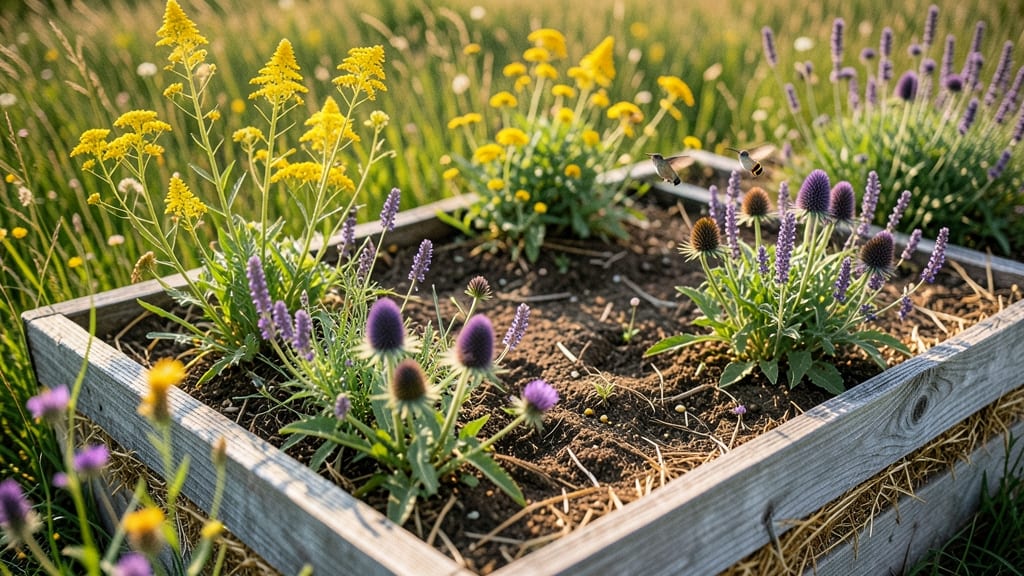
Skip the manicured perfection and bring a piece of the wild to your garden with a wildflower meadow raised bed. This isn’t just a bed—it’s a thriving ecosystem that invites bees, butterflies, and hummingbirds while demanding almost no effort from you.
Start with a shallow bed (6–12 inches deep) filled with a mix of native wildflowers like black-eyed Susans, coneflowers, and purple coneflower. These hardy annuals and perennials thrive in full sun with minimal watering once established. Avoid tilling—just scatter seeds over bare soil or a thin layer of compost for a natural look. Mow back in late fall to prep for next year’s blooms.
This design is perfect for eco-conscious gardeners who want beauty without the upkeep. It’s also ideal for pollinator-friendly yards, urban gardens, or even container planters. Let nature do the work! 🌻
Curved Brick Edged Flower Bed
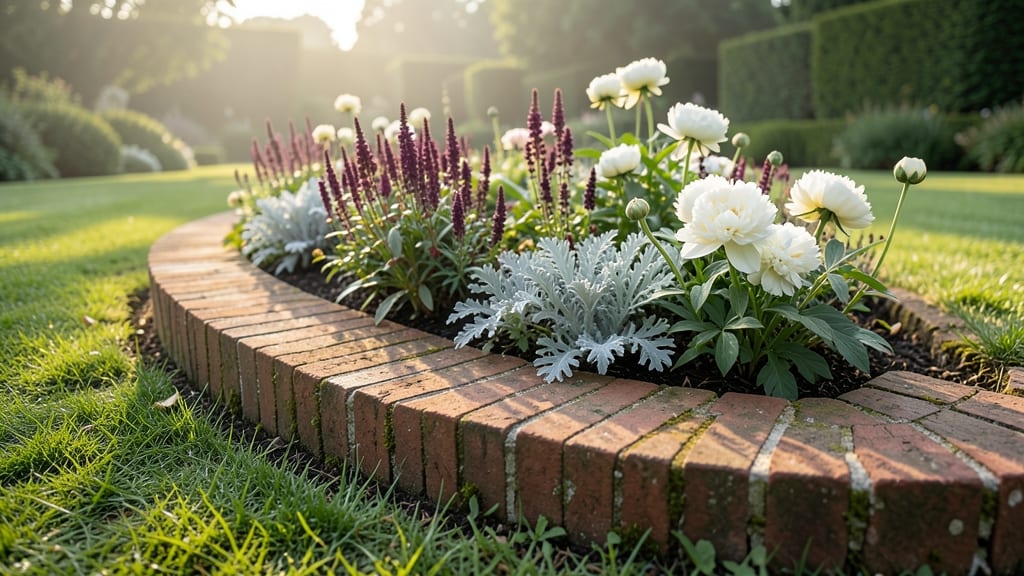
Looking to add a touch of old-world elegance to your formal garden? A curved brick-edged flower bed delivers timeless structure while softening sharp lines with organic shapes. The gentle arcs of brick create visual interest that complements traditional landscapes, while the defined edges keep plants neatly contained.
Start by laying bricks in a semi-circular or kidney shape (3-4 feet wide) using a flexible edging material like landscape fabric between the bricks and soil. Fill with moisture-retentive soil and plant hydrangeas, hostas, or daylilies—their lush foliage will spill gracefully over the edges. For extra durability, use sand-set bricks instead of mortar to allow for adjustments if needed.
This design is ideal for gardeners who love structured yet inviting spaces—perfect for front yards, heritage-style gardens, or formal entryways. The brick’s neutral tones ensure it blends seamlessly with any palette while adding lasting curb appeal. ✨
Edible Raised Flower Bed with Veggies
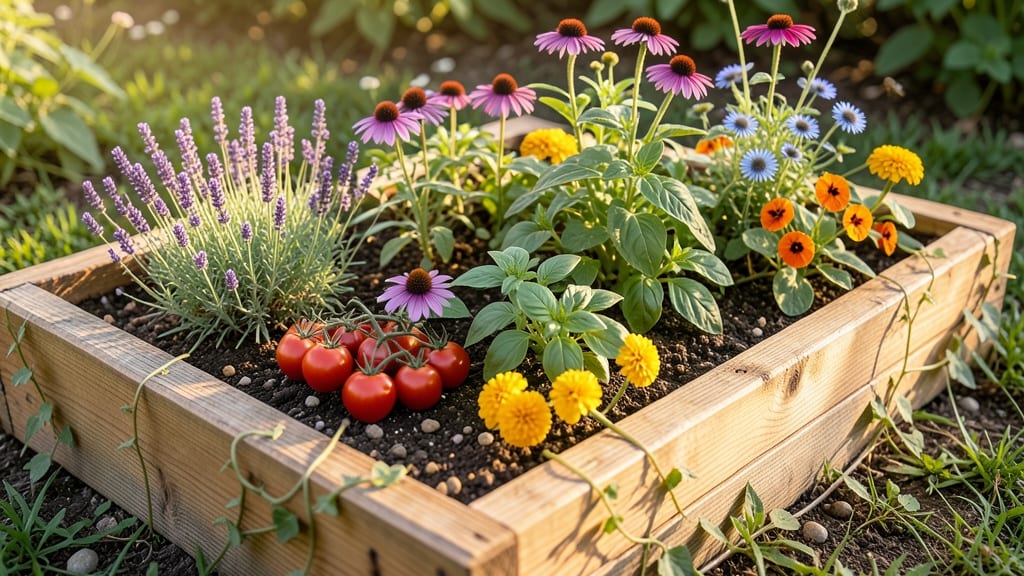
Why settle for a choice between pretty flowers and productive veggies when you can have both? This edible raised flower bed merges the best of both worlds—pollinator-friendly blooms and fresh harvests—into one stunning, functional design. It’s the ultimate solution for organic gardeners who crave beauty and bounty without sacrificing space or style.
Start by planting companion plants like marigolds (to deter pests) and nasturtiums (edible flowers!) alongside cherry tomatoes and basil. The flowers attract bees and butterflies, boosting pollination for your veggies while adding vibrant color. Use wooden planks for the bed—cedar resists rot—and ensure 12–18 inches of depth to accommodate root growth. Place it near your kitchen for easy harvesting, and watch your garden become a double-duty powerhouse of flavor and fragrance.
This design is ideal for urban gardeners, organic growers, and anyone who loves the idea of a garden that works as hard as it looks. Plus, kids adore picking snacks straight from the bed—imagine fresh basil for pesto or nasturtiums in salads! 🌻
Hanging Basket Flower Bed Combo
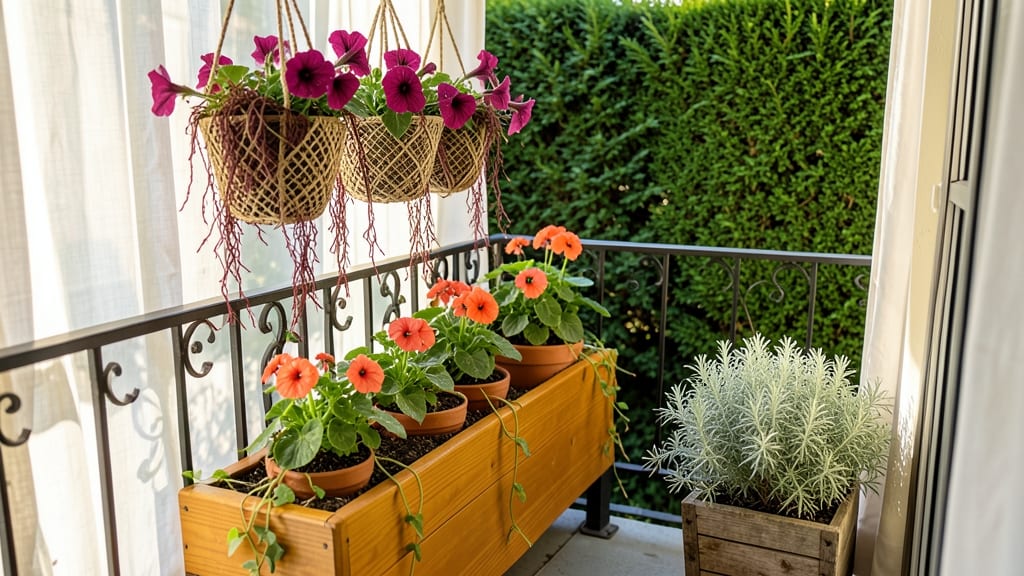
Turn your tiny patio or balcony into a lush oasis by combining a raised flower bed with hanging baskets—this dynamic duo maximizes vertical space while adding layers of color and texture. The key is pairing trailing plants like fuchsias or petunias in baskets with upright varieties such as impatiens or coleus in the bed, creating a cascading effect that draws the eye upward.
Start with a cedar or composite raised bed (6–12 inches deep) filled with moisture-retentive soil, then suspend baskets at varying heights—some near the bed’s edge, others closer to the ceiling. Use self-watering baskets to reduce maintenance, and opt for drought-tolerant annuals like lantana or verbena to thrive in both containers and beds. This setup works beautifully for urban gardeners or anyone with limited ground space.
This combo isn’t just practical—it’s a visual showstopper that transforms even the smallest area into a vibrant garden retreat. 🌟
Rainbow Raised Flower Bed

Turn your backyard into a living rainbow with a child-friendly raised bed that sparks joy and creativity. This vibrant design uses a gradient pattern of annuals—from fiery reds to deep purples—creating a natural spectrum that delights kids and adults alike. The key is selecting fast-growing, sun-loving annuals like marigolds, zinnias, and petunias that thrive in full sun and bloom continuously.
Start by arranging flowers in ROYGBP order (red, orange, yellow, green, blue, purple) along the length of the bed, blending colors slightly at the edges for a soft transition. Use lightweight cedar or painted wood for durability and a cheerful look. For extra magic, add a few trailing nasturtiums along the edges—their bright blooms will spill over the sides, inviting little hands to explore. Water deeply in the morning to keep the soil moist and encourage vibrant blooms.
This design is perfect for families who want a low-maintenance, high-reward garden spot that doubles as a playful learning tool. Kids can help plant, measure growth, and even "paint" the garden with nature’s colors. It’s the ultimate way to blend beauty, education, and fun in one vibrant space. 🌻