
Tools
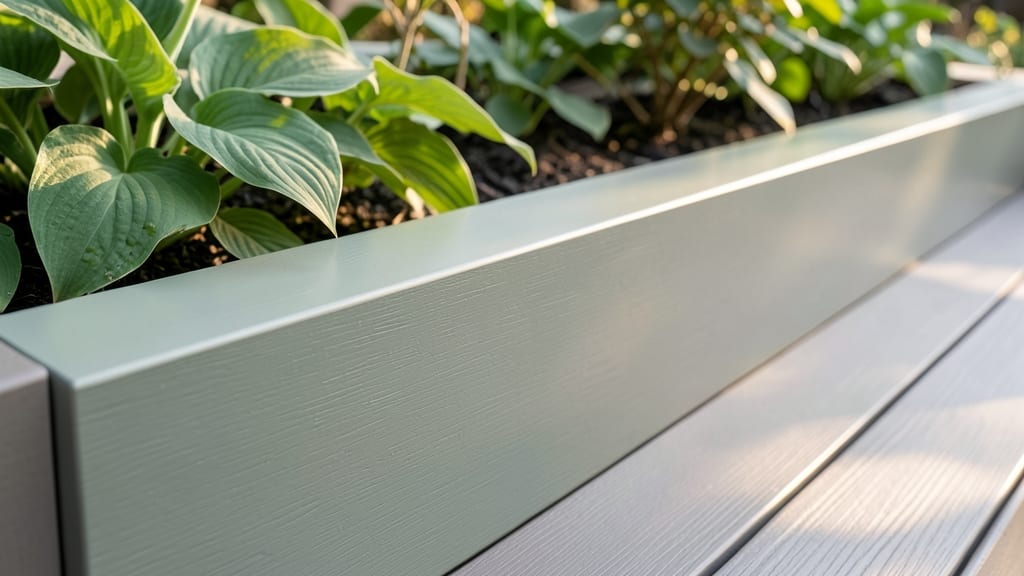
Building a raised garden bed requires the right materials to ensure durability, drainage, and long-term success. These ten options—ranging from budget-friendly to premium—will help you choose the best foundation for your plants, whether you're a beginner or seasoned gardener.
Cedar Wood Raised Garden Bed
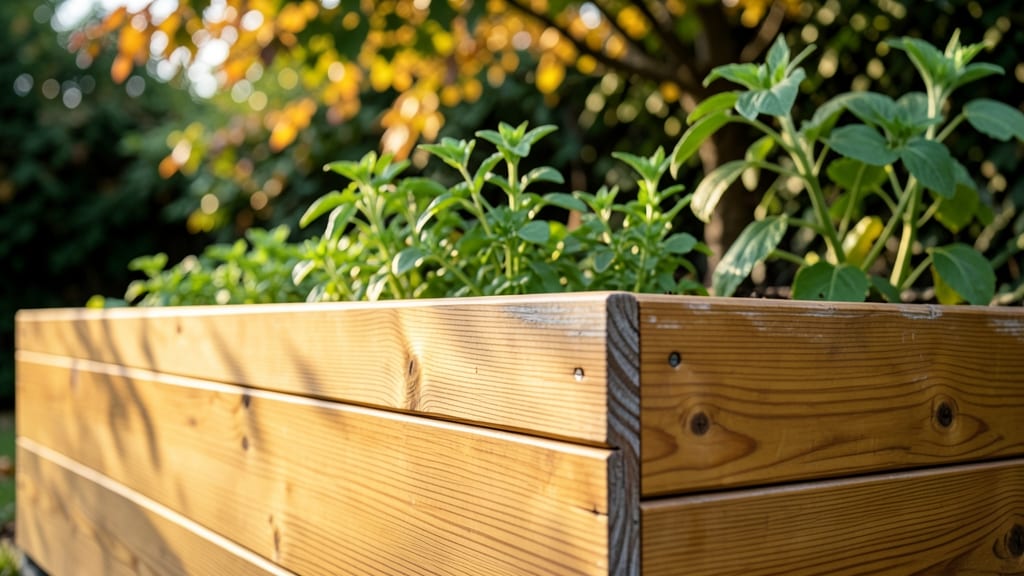
If you’re tired of replacing rotted-out garden beds every few years, cedar wood is your secret weapon. This naturally aromatic wood resists decay for decades, making it perfect for organic gardeners who want to avoid chemical-treated lumber while keeping their beds looking fresh and inviting.
Cedar’s natural oils deter insects and fungi, so you won’t need to seal it like other woods—just a light sanding before assembly. The warm, golden tones of western red cedar add rustic charm to any garden, and its lightweight yet sturdy structure holds up beautifully in all seasons. For extra longevity, opt for kiln-dried cedar to minimize warping.
This material is ideal for gardeners who prioritize low-maintenance and eco-friendly choices without sacrificing durability. Your plants—and your back—will thank you for years to come. 🌿
Pressure-Treated Pine Lumber
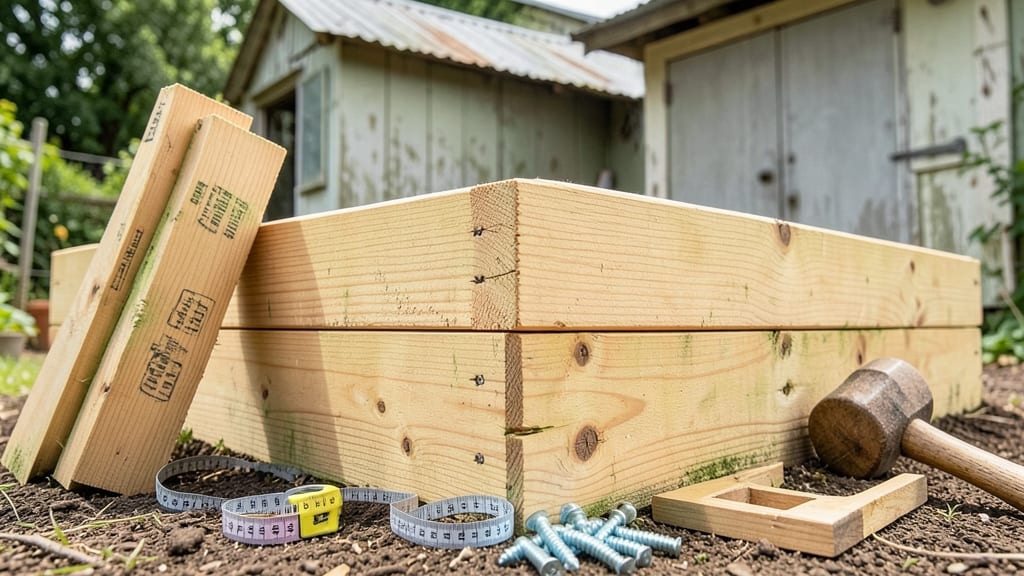
If you're looking for the most budget-friendly way to build a raised bed without breaking the bank, pressure-treated pine lumber is your best friend. It’s widely available, easy to work with, and significantly cheaper than cedar or composite options—perfect for gardeners on a tight budget.
However, this affordable material does require extra care to prevent chemical leaching over time. Always seal the wood with a non-toxic, food-safe sealant before planting to protect your soil and plants. Since pine isn’t naturally rot-resistant, plan to replace the lumber every 5-7 years for optimal performance. The trade-off? A sturdy, functional bed that won’t drain your wallet.
This option is ideal for first-time builders or those who prioritize cost savings over long-term organic purity. Just be prepared to refresh the sealant every few years to keep your bed looking—and performing—its best. 💡
Composite Wood Garden Boxes
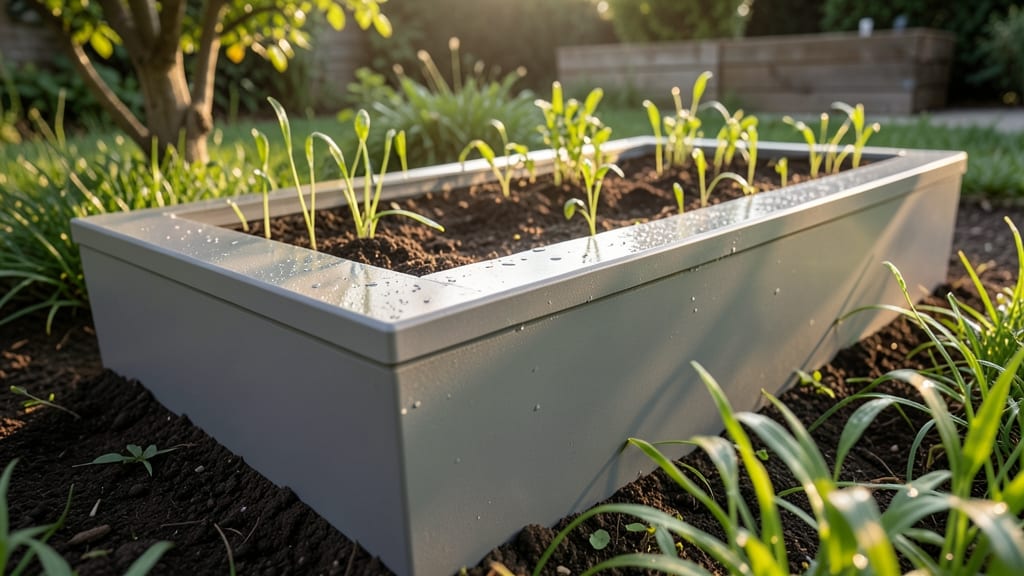
Tired of replacing rotting wood every few years? Composite wood garden boxes combine the best of wood and plastic—no splinters, no warping, and no chemical leaching. These beds are engineered to handle humid climates and heavy rainfall without swelling or cracking, making them a game-changer for wet regions.
Made from recycled wood fibers and plastic, these boxes resist pests, rot, and UV damage while requiring zero staining or sealing. Their smooth surface also prevents soil from sticking to the edges, making maintenance a breeze. Plus, they’re eco-friendly, often made from post-consumer waste, so you can feel good about your sustainable choice.
Perfect for gardeners who want durability without the upkeep, these boxes are especially great for urban balconies or small spaces where traditional wood might not hold up. 💚
Galvanized Steel Edging
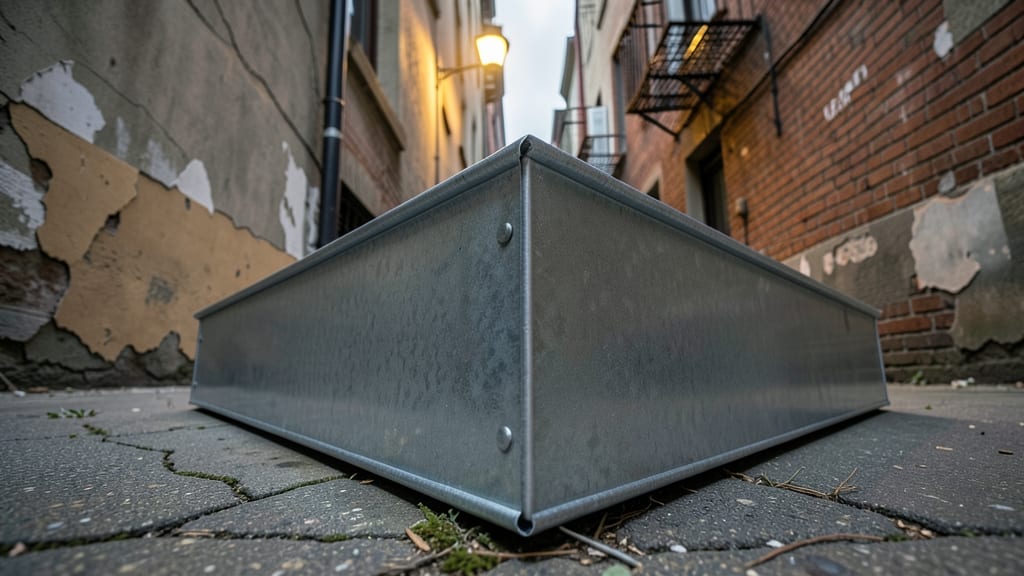
If you're gardening in an urban space with heavy foot traffic or unpredictable weather, galvanized steel edging is the ultimate workhorse for raised beds. Unlike wood or composite materials, steel won’t warp, rot, or attract pests—making it ideal for high-stress environments where durability is non-negotiable.
This rust-resistant metal holds its shape for decades, even in wet climates or areas prone to extreme temperatures. Its sharp edges create clean lines that elevate modern landscapes, while the industrial aesthetic pairs perfectly with concrete, pavers, or minimalist planters. For extra stability, opt for interlocking panels or heavy-gauge sheets that won’t bend under pressure.
Urban gardeners, rooftop farmers, and DIYers in tight spaces will appreciate how steel edging maximizes small plots without sacrificing longevity. Just ensure proper drainage holes to prevent water pooling—your plants will thrive for years to come. ✨
Brick or Block Construction
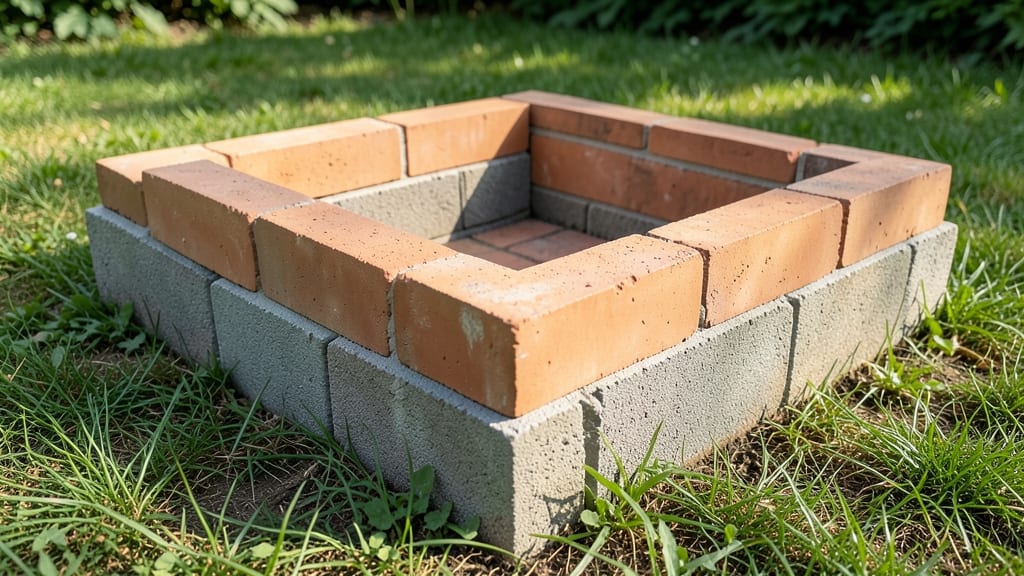
Want a garden bed that lasts decades with almost no upkeep? Brick or cinder block construction delivers that classic, permanent look while standing up to weather, pests, and time. Unlike wood or metal, these materials resist warping, rotting, and warping, making them ideal for gardeners who value longevity over quick assembly.
You can create sturdy beds by stacking cinder blocks (no mortar needed for temporary setups) or using clay bricks with mortar for a seamless, professional finish. Both options allow for customizable heights—ideal for accessibility or drainage—and blend seamlessly with cottage, English, or Mediterranean garden styles. For extra stability, fill the blocks with gravel before adding soil to prevent shifting.
This is the perfect choice for gardeners who prioritize traditional aesthetics and want a bed that requires only occasional mortar touch-ups or weed control between the gaps. Once built, it’s a forever solution. ✨
Plastic or Polyethylene Lining
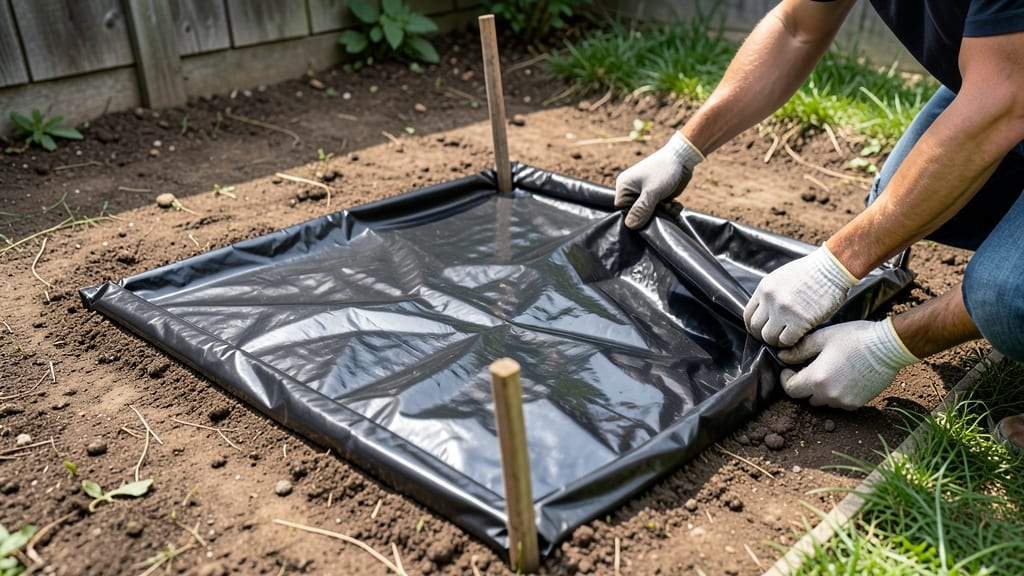
Need a quick, budget-friendly way to transform a patch of ground into a garden without heavy construction? Plastic or polyethylene lining is your answer—it’s the lightweight, foldable solution for renters, urban gardeners, or anyone who wants a temporary but effective growing space.
This versatile material weighs almost nothing, resists erosion, and can be cut to fit any shape or size. Use it to line in-ground beds, create portable containers, or even line raised beds for extra weed suppression. For best results, choose 6-mil thickness for durability and black color to retain soil warmth. Simply lay it flat, fill with soil, and start planting—no tools or permanent installation required.
Perfect for seasonal gardens or small-space solutions, this material lets you garden anywhere without commitment. Renters will love how easy it is to move, and beginners appreciate its simplicity. 🌱
Stone or Flagstone Edging
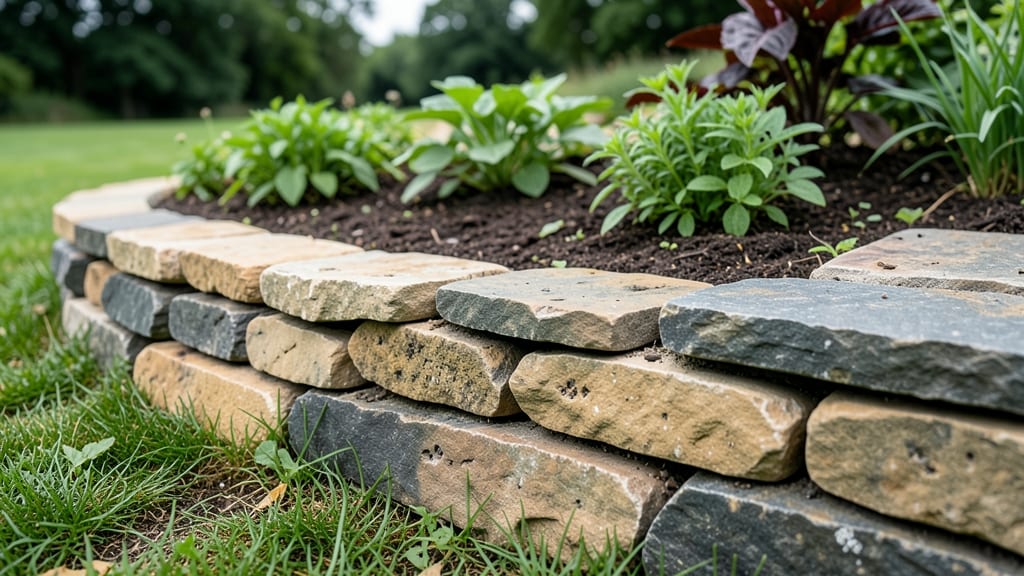
Want a garden border that looks like it belongs in a high-end landscape magazine but requires almost no upkeep? Stone or flagstone edging delivers that timeless, natural aesthetic while withstanding decades of weather, foot traffic, and seasonal changes.
Unlike wood or metal, stones don’t rot, warp, or corrode—just age gracefully with a patina that enhances their rustic charm. You can use irregular fieldstones for a wild, organic look or smooth flagstone for clean, modern lines. The key is to lay them on a compacted gravel base to ensure stability, and leave small gaps (about ½ inch) between stones to allow for drainage and natural movement.
This material is ideal for gardeners who value low-maintenance elegance and want a structure that blends seamlessly with natural surroundings. It’s especially perfect for perennial beds, vegetable gardens, or pathways where durability matters most. 🌿
Recycled Plastic Lumber
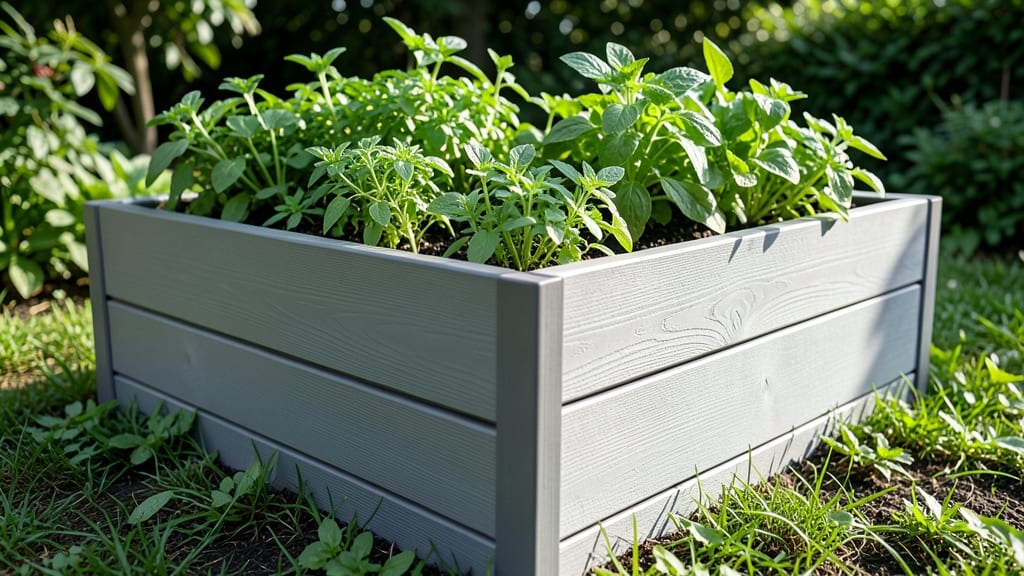
If you’re looking to build a raised bed that aligns with your eco-conscious values, recycled plastic lumber is a game-changer. Unlike traditional wood, it never rots, warps, or attracts pests, making it ideal for gardens in all climates—especially humid or rainy regions where wood fails quickly.
This material is made from post-consumer plastics like milk jugs and packaging, giving them a second life while maintaining 80-90% of the strength of natural wood. It requires zero staining, sealing, or chemical treatments, and its UV-resistant properties prevent fading over time. Plus, it’s lightweight yet sturdy enough to support heavy soil and plants.
Perfect for urban gardeners or anyone who wants a low-maintenance, sustainable solution, recycled plastic lumber lets you focus on growing rather than repairing. 💚
Corrugated Metal Panels
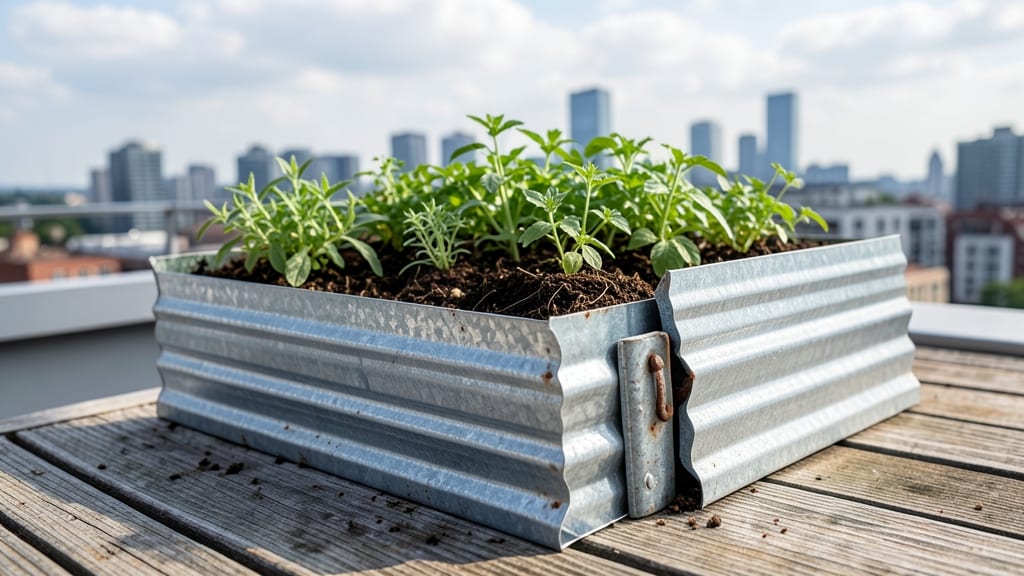
Looking for a portable or temporary garden solution that won’t break the bank? Corrugated metal panels offer a sleek, industrial edge while keeping your garden mobile and weather-resistant. Their lightweight design makes them perfect for rooftops, balconies, or even pop-up community gardens.
These panels resist moisture, pests, and rust better than untreated wood, but their reflective surface can heat up in full sun—so add a layer of landscape fabric or mulch to protect roots in hot climates. They’re also easy to assemble with basic tools, ideal for DIYers who want a low-maintenance frame that lasts years.
Urban gardeners and renters will love how quickly these beds can be set up and moved, while their modern aesthetic adds a unique touch to any space. Just watch for sharp edges when handling! ✨
Composite Decking for Garden Beds

Want the polished look of wood without the splinters, warping, or constant sealing? Composite decking transforms your raised garden bed into a sleek, modern feature that won’t weather like traditional lumber.
Made from a mix of wood fibers and recycled plastics, this material resists moisture, insects, and UV damage, making it ideal for humid climates or beds exposed to heavy rain. Unlike pressure-treated wood, it never needs staining or sealing—just wipe it down occasionally for a pristine finish. The smooth, uniform surface also prevents soil from clinging to gaps, keeping your bed looking tidy year-round.
Perfect for gardeners who love contemporary aesthetics but hate maintenance, composite decking offers the best of both worlds: durability without the upkeep. It’s especially great for urban gardens or high-traffic areas where longevity matters most. ✨