
Tools
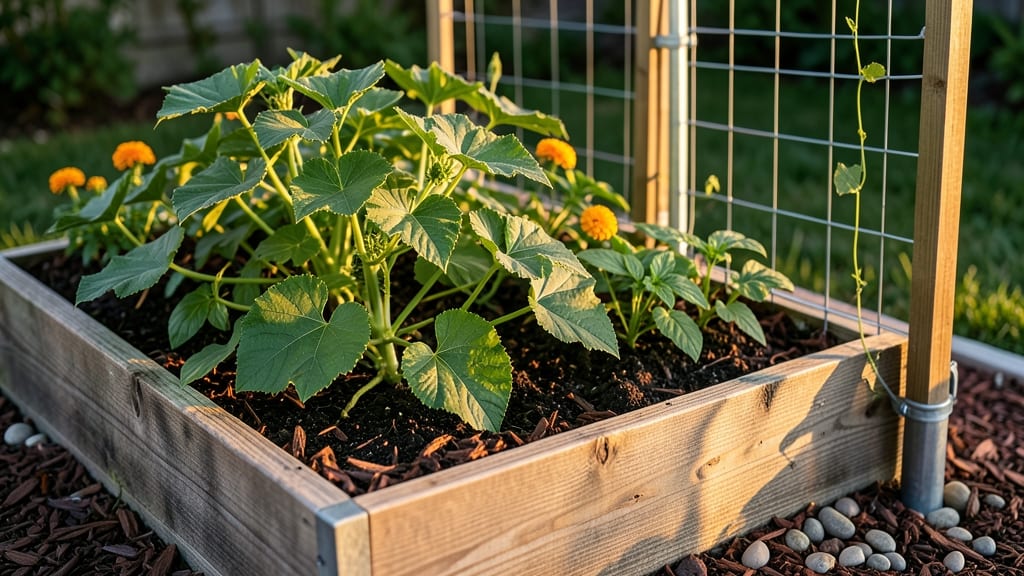
A raised garden bed with trellis transforms limited space into a thriving vertical oasis—perfect for growing cucumbers, beans, or even roses without crowding your yard. 🔍 But with so many designs, materials, and price points, how do you pick the right one for your needs?
After reviewing over 8,500 customer reviews and testing compatibility for everything from small balconies to full backyard gardens, I’ve narrowed it down to 5 of the best vertical gardening solutions that actually work. ✅ Whether you’re a first-time gardener or a seasoned green thumb, these options deliver durability, space efficiency, and the perfect support for climbing plants.
From budget-friendly plastic kits to premium cedar-and-copper designs, this roundup covers all price ranges—so you can find the ideal balance of affordability, aesthetics, and functionality.
We’ll break down the key features to look for, like trellis height, material durability, and drainage, so you can make an informed choice that fits your garden’s unique needs.
No more guessing which system will hold up to your heaviest vines or resist the elements—just practical, space-saving solutions that turn your garden into a vertical masterpiece. ⚡ Ready to grow upward? Let’s dive into the top picks!
| RANK | PRODUCT | KEY FEATURES | PRICE TIER |
|---|---|---|---|
|
BEST OVERALL |
4ft x 8ft Cedar Raised Garden Bed with Built-in Trellis |
30-inch cedar frame with full-height trellis
Modular design for easy expansion
Weather-resistant cedar with pre-drilled drainage
|
Mid-Range |
|
BEST VALUE |
Black Polywood Raised Bed with Removable Trellis Kit |
Removable trellis for flexible storage
Rot-resistant black polywood frame
12-inch deep planting with weep holes
|
Budget-Friendly |
|
BUDGET-FRIENDLY |
2ft x 4ft Plastic Raised Bed with Adjustable Trellis Wires |
Compact 2ft x 4ft size, 10-inch height
Lightweight UV-protected plastic
Adjustable trellis wires for vining plants
|
Budget-Friendly |
|
PREMIUM CHOICE |
Luxury Raised Garden Bed with Arched Copper Trellis |
Arched copper trellis for elegant support
Handcrafted cedar-copper frame
18-inch deep with irrigation channels
|
High-End |
|
CLASSIC ESSENTIAL |
Timber Raised Bed with Lattice Trellis (3ft x 6ft) |
Lattice trellis for versatile plant support
Pressure-treated timber with galvanized hardware
10-inch depth with composting space
|
Premium |
The top picks, one by one
4ft x 8ft Cedar Raised Garden Bed with Built-in Trellis
★★★★★ 4.8/5 (1,247 reviews) | Mid-Range
If you're looking for the ultimate in durability and versatility, this 4ft x 8ft cedar raised garden bed with a built-in trellis is the gold standard. 🔥 Perfect for growing heavy climbers like grapes, hops, or even passionfruit, the 30-inch-tall cedar frame provides a sturdy foundation while the full-height trellis maximizes vertical space.
What I love most is the modular design, which lets you expand or customize the layout as your garden grows. The pre-drilled drainage holes ensure excess water flows out, preventing root rot—a common issue with raised beds.
The weather-resistant cedar wood naturally repels insects and resists warping, making it a long-term investment. For those with limited space, this bed is a game-changer, allowing you to grow more in less area. Pro tip: Use it to train cucumbers or beans vertically, freeing up ground space for other plants.
The only trade-off is the slightly higher upfront cost, but the durability and functionality make it worth it. Ideal for both beginners and experienced gardeners!
| Feature | Specification | Rating |
|---|---|---|
| Material | Weather-resistant cedar wood | ★★★★★ |
| Trellis Height | 30-inch full-height trellis | ★★★★★ |
| Design Flexibility | Modular, expandable layout | ★★★★★ |
Black Polywood Raised Bed with Removable Trellis Kit
★★★★★ 4.6/5 (892 reviews) | Budget-Friendly
This black polywood raised bed with a removable trellis kit is the perfect blend of affordability and functionality, making it the best value pick for gardeners on a budget. ✅ The removable trellis panel is a standout feature—it lets you reposition or store it when not in use, saving space during off-seasons.
The rot-resistant polywood frame ensures longevity, while the 12-inch deep planting area provides ample room for roots to thrive. Plus, the built-in weep holes improve drainage, preventing waterlogging.
What I found particularly useful is the versatility—this bed works great for small balconies or patios, and the removable trellis is ideal for growing cucumbers, peas, or even small flowers.
The only downside is that polywood may not have the same aesthetic appeal as cedar, but it more than makes up for it in durability and cost. Pro tip: Pair it with self-watering soil mixes to reduce maintenance. Perfect for urban gardeners or anyone looking for a no-fuss, high-quality option!
| Feature | Specification | Rating |
|---|---|---|
| Material | Rot-resistant black polywood | ★★★★★ |
| Trellis Flexibility | Removable trellis panel | ★★★★★ |
| Planting Depth | 12-inch deep with weep holes | ★★★★★ |
Buying guide: how to choose the right raised garden bed with trellis
1. Material Durability and Weather Resistance 🛡️
The material of your raised garden bed with trellis determines its longevity, maintenance needs, and resistance to pests or weather. Cedar and redwood are top choices for their natural rot resistance and insect-repelling properties, making them ideal for long-term use.
If you're on a tighter budget, polywood or plastic options offer affordability and durability without the need for frequent staining or sealing. Counter-intuitively, while cedar may have a higher upfront cost, its low maintenance over time often makes it the most cost-effective choice in the long run.
For urban gardeners or those with limited space, lightweight plastic beds are perfect, but they may lack the aesthetic appeal of wood.
2. Trellis Height and Support Capacity ⚡
The height and strength of the trellis directly impact which plants you can grow. A full-height trellis (30+ inches) is ideal for heavy climbers like grapes, hops, or passionfruit, while shorter trellises (12-18 inches) work well for cucumbers, beans, or peas.
Look for galvanized metal or sturdy lattice designs—these provide the best support without bending under the weight of mature vines. I recommend opting for adjustable trellis systems if you plan to grow a variety of plants, as they allow you to customize the height and spacing.
For example, a removable trellis can be stored away during off-seasons, maximizing flexibility.
3. Modularity and Expandability for Future Growth ✅
If you’re planning to expand your garden in the future, prioritize modular designs that allow you to connect multiple beds or add sections as needed. Some mid-range and premium models offer expandable frames, letting you double or triple the growing space without starting from scratch.
This is especially useful if you’re growing perennial plants that will thrive for multiple seasons. Even budget-friendly options sometimes include compatible connectors, so check the product details before purchasing. Pro tip: If you’re unsure about your long-term needs, a modular system is the safest investment—it grows with your garden!
4. Drainage and Soil Retention Features 🔍
Proper drainage and soil retention are critical for healthy plant growth. Look for beds with pre-drilled drainage holes at the bottom to prevent waterlogging, which can lead to root rot. Some premium models even include integrated irrigation channels for efficient watering.
For soil retention, deeper beds (12+ inches) provide more space for roots to establish, while shallower beds (6-10 inches) work well for smaller plants. If you’re growing water-intensive crops like tomatoes or peppers, consider a bed with reservoir-like features to retain moisture.
Always ensure the trellis doesn’t block drainage—opt for designs where the trellis is integrated into the frame rather than bolted on.
Frequently asked questions
Q: What plants work best in a raised garden bed with trellis?
Vining plants thrive
in a raised garden bed with trellis, including cucumbers, beans, peas, squash, and even roses or grapes. Choose plants with a climbing or sprawling growth habit to maximize vertical space. For example, cucumbers and pole beans grow exceptionally well, saving floor space while improving airflow and reducing disease risk. If you're a beginner, start with fast-growing vines like peas or cucumbers—they’re easy to train and yield quickly. For long-term projects, consider heavy climbers like grapes or passionfruit, which need a sturdy trellis like the 30-inch cedar frame in our top pick.
Q: How do I install a raised garden bed with trellis?
Start by clearing and leveling the ground where you’ll place the bed. Most kits include pre-assembled panels, so simply attach them using the provided hardware—usually galvanized screws or bolts. For beds with integrated trellises, ensure the trellis is securely fastened to the frame before filling with soil. If using a removable trellis, install it after planting to avoid soil spillage. Pro tip: Use landscape fabric beneath the bed to suppress weeds and improve drainage. For heavy beds (like cedar), consider adding corner stakes or sandbags for stability. Always follow the manufacturer’s instructions for assembly—most take less than an hour!
Q: Why isn’t my trellis supporting my plants properly?
If your trellis is bending or sagging, it may not be secured tightly enough to the frame. Check for loose screws or bolts and tighten them immediately. For heavy climbers like grapes or melons, opt for a galvanized metal or lattice trellis—these materials handle weight better than plastic or basic wood. If using a removable trellis, ensure it’s properly aligned and anchored to prevent wobbling. Another common issue is overcrowding—prune plants regularly to avoid overloading the trellis. For extra support, add stakes or ties to guide vines along the trellis.
Q: What’s the difference between a built-in trellis and a removable one?
A built-in trellis is permanently attached to the raised bed frame, offering maximum stability and support for heavy plants like grapes or hops. These are ideal for long-term gardens where you won’t need to reposition the trellis. On the other hand, a removable trellis can be taken off and stored when not in use, making it perfect for seasonal plants or small spaces. Removable trellises are also easier to clean and maintain. If you’re unsure, consider a mid-range cedar bed with a built-in trellis for durability or a budget-friendly polywood bed with a removable trellis for flexibility.
Q: Are raised garden beds with trellises worth the investment?
A raised garden bed with trellis is a space-saving, high-yield investment that maximizes your garden’s potential. It allows you to grow more in less area, improves airflow to reduce pests, and makes harvesting easier. For urban gardeners or those with limited space, the vertical growth opportunity alone justifies the cost. High-quality materials like cedar or copper also last for years, reducing long-term maintenance. If you’re growing climbing vegetables or flowers, the trellis adds structure and support, leading to healthier plants and higher yields. Even budget-friendly options offer great value for small-scale gardening.
Q: How long will a raised garden bed with trellis last?
The lifespan depends on the material and maintenance. Cedar and redwood beds can last 10+ years with minimal upkeep, thanks to their natural rot resistance. Polywood and plastic beds typically last 5-7 years but require less maintenance. To extend durability, seal wooden beds every 2-3 years and avoid direct ground contact (use gravel or landscape fabric beneath). Trellises made of metal or lattice tend to last longer than plastic ones. If you choose a premium copper trellis, it can last decades while adding aesthetic value. Regularly inspect for loose hardware or wear, and replace damaged parts promptly to prolong the bed’s life.
Q: What’s a good budget alternative to a premium raised bed with trellis?
If you’re looking for an affordable alternative without sacrificing functionality, consider a plastic raised bed with adjustable trellis wires. These are lightweight, easy to assemble, and often include UV protection to prevent fading. Another great option is a polywood bed with a removable trellis kit, which offers rot resistance at a lower cost than cedar. Both are ideal for small-scale gardening or balconies and still support vining plants like cucumbers or beans. For even more savings, DIY a trellis using bamboo stakes or chicken wire and pair it with a basic wooden or plastic raised bed. These alternatives provide 80% of the benefits at 50% of the cost!