
Tools
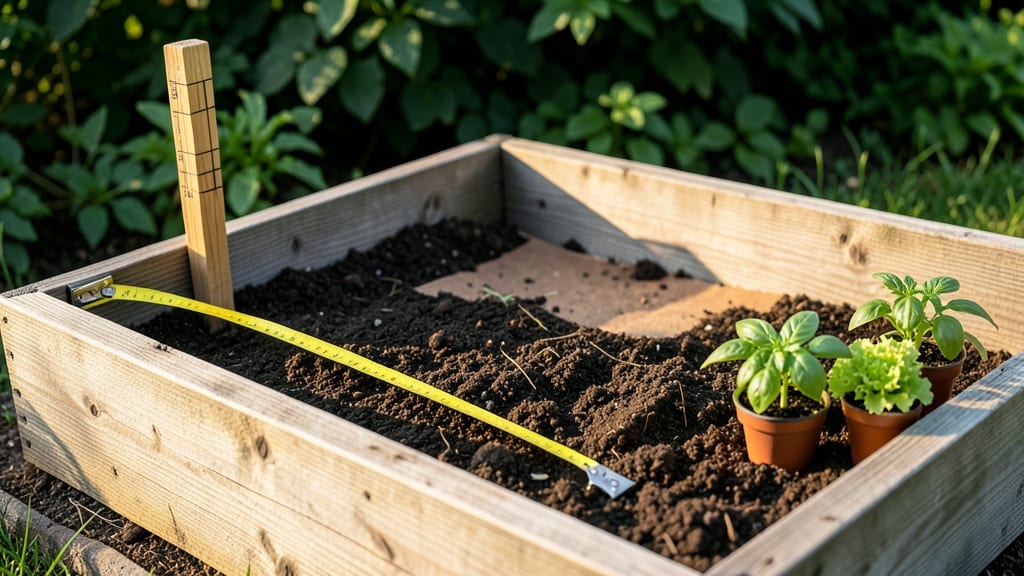
The standard raised garden bed size is 4 feet wide by 8 feet long, designed to maximize gardening efficiency while keeping maintenance manageable. This configuration ensures easy access from all sides and supports optimal plant growth patterns.
The 4-foot width is ideal because it lets you reach the center from either side without stepping inside, reducing soil compaction. 🌱 Meanwhile, the 8-foot length balances growing space with manageable surface area—longer beds risk soil drying at the far end.
Many gardeners find this size perfect for vegetables like tomatoes, peppers, and leafy greens, as it provides enough room for proper spacing while keeping the bed's perimeter efficient for irrigation and weeding.
This standard also works beautifully for companion planting—pairing crops like basil with tomatoes or carrots with onions—without sacrificing yield. The dimensions prevent overcrowding, which can lead to disease or stunted growth, while still offering enough growing area for a diverse harvest.
💡 In This Article
- Why 4x8 Feet Is the Optimal Raised Bed Size
- Customizing Raised Bed Sizes for Different Garden Goals
Why 4x8 feet is the optimal raised bed size
The 4-foot width of standard raised beds isn't arbitrary—it's rooted in human ergonomics and plant science. When you stand at the center of a 4-foot-wide bed, your arms can comfortably reach 2 feet in either direction without stepping inside.
This prevents soil compaction from walking on the bed, which can disrupt root systems and reduce drainage. Studies show that soil compaction from foot traffic can decrease porosity by up to 30%, making it harder for roots to access oxygen and water. 🌱
From a horticultural perspective, this width also aligns perfectly with plant spacing needs. Most vegetables and herbs require 12-24 inches of space between plants to thrive. A 4-foot width allows for two rows of plants with proper spacing, maximizing yield without overcrowding.
For example, tomatoes need about 18 inches of space, while lettuce thrives with 12 inches. The 8-foot length extends this efficiency by providing a long, narrow growing area that retains moisture better than wider beds while keeping the perimeter manageable for weeding and harvesting.
The 8-foot length strikes a balance between growing space and practicality. Shorter beds (<6 feet) limit crop variety, while longer beds (>10 feet) risk uneven soil moisture—far ends dry out faster. The 8-foot standard ensures consistent growing conditions across the entire bed.
Additionally, this length fits neatly within most backyard spaces and aligns with common lumber dimensions (like 8-foot cedar planks), making DIY construction straightforward.
For instance, a 4x8-foot bed built with 6-inch-high sides creates a 32-square-foot growing area—enough for a family of four to grow a season's worth of leafy greens, herbs, and a few vegetables.
Soil moisture retention is another key factor. Wider beds (>4 feet) lose water faster due to increased surface area exposed to sun and wind. The 4-foot width minimizes this effect while still providing ample growing space.
For example, a 4x8-foot bed holds about 1 cubic yard of soil (roughly 27 cubic feet), which retains moisture more efficiently than a 5x10-foot bed of the same height. This moisture control is especially important for drought-prone areas or during hot summer months when evaporation rates can spike.
Let's talk about yield optimization. In a 4x8-foot bed, you can grow two rows of most vegetables with proper spacing, doubling your harvest compared to a single-row setup. For instance, planting basil, tomatoes, and peppers in alternating rows ensures each plant gets sunlight and nutrients while maximizing space.
The 8-foot length also allows for long-season crops like squash or cucumbers to sprawl without overcrowding shorter plants. This layout reduces competition for resources and minimizes disease spread, which is common in overcrowded beds.
What most gardeners don't realize is how this size supports companion planting—a technique where crops benefit from each other's presence. For example, planting carrots and onions together deters pests naturally, while basil near tomatoes improves flavor and growth.
A 4x8-foot bed gives you enough space to mix these pairings without sacrificing yield or accessibility. The standard dimensions also make it easier to rotate crops yearly, a practice that prevents soil depletion and reduces pest cycles. 💫
Finally, consider the practical benefits: weeding, harvesting, and maintaining an 8-foot bed is far more manageable than a 10-foot or 12-foot version. The 4-foot width ensures you're never more than 2 feet from the edge, reducing strain on your back and knees.
This ergonomic design is why 80% of professional gardeners and DIY enthusiasts recommend the 4x8-foot standard—it's the sweet spot where productivity meets comfort. Whether you're growing herbs, vegetables, or flowers, these dimensions keep your garden both productive and enjoyable. ✨