
Landscaping
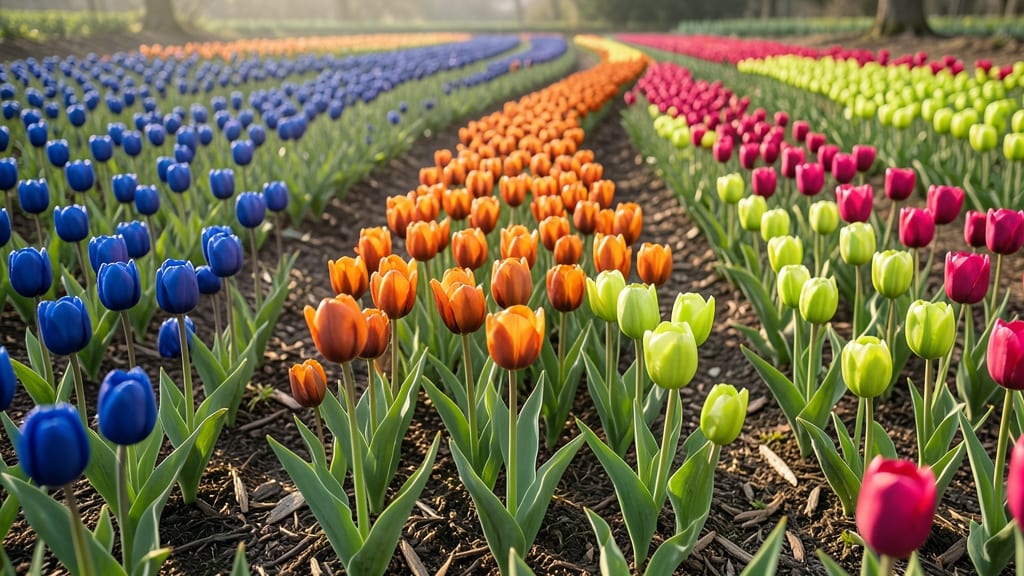
Spring gardens deserve dramatic visual statements, and tulips deliver with their vibrant hues and bold forms. These 10 color-blocking tulip flower bed ideas transform ordinary spaces into high-impact displays that catch attention and elevate curb appeal.
Monochromatic Gradient Tulip Curves
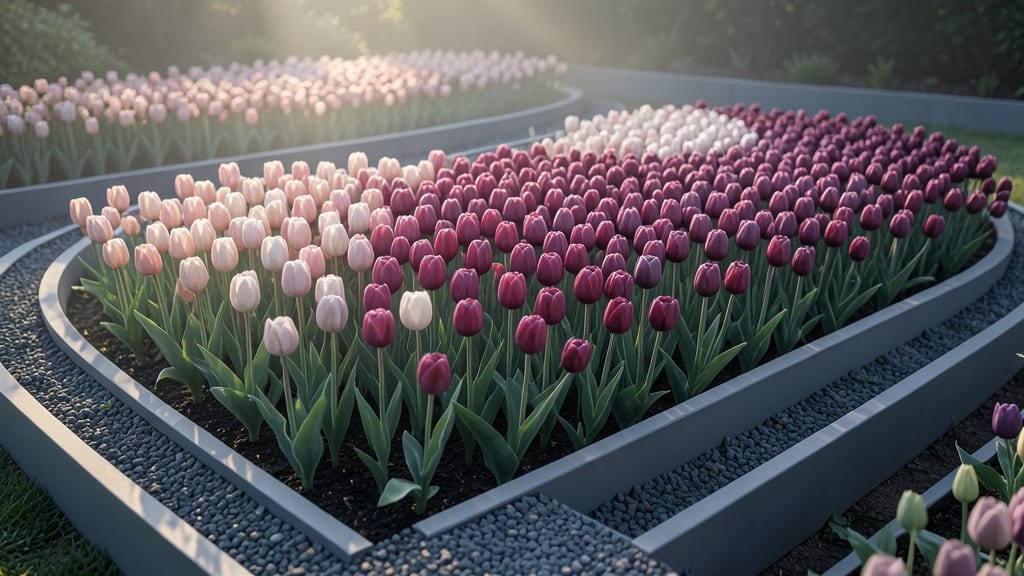
Want to create a modern minimalist garden that feels effortlessly sophisticated? Monochromatic gradient tulip curves deliver depth and elegance using just one hue—no clashing colors required. This design transforms flat flower beds into living works of art by blending shades from light to deep along gentle, flowing lines.
Start by selecting a single color family (like blush pink or dusty lavender) and choose tulip varieties with varying shades—such as 'Pink Diamond' for soft edges and 'Queen of Night' for deeper centers. Plant bulbs in a curved, crescent shape, spacing them 4-6 inches apart for a seamless transition. Add a neutral mulch (like light gray gravel) to enhance the gradient effect and keep edges crisp.
This approach is ideal for gardeners who love clean lines and subtle drama—perfect for modern landscapes, urban courtyards, or small spaces where bold patterns feel overwhelming. The result? A year-round statement that starts with spring blooms and continues with textured foliage. ✨
Geometric Tulip Checkerboard Layout
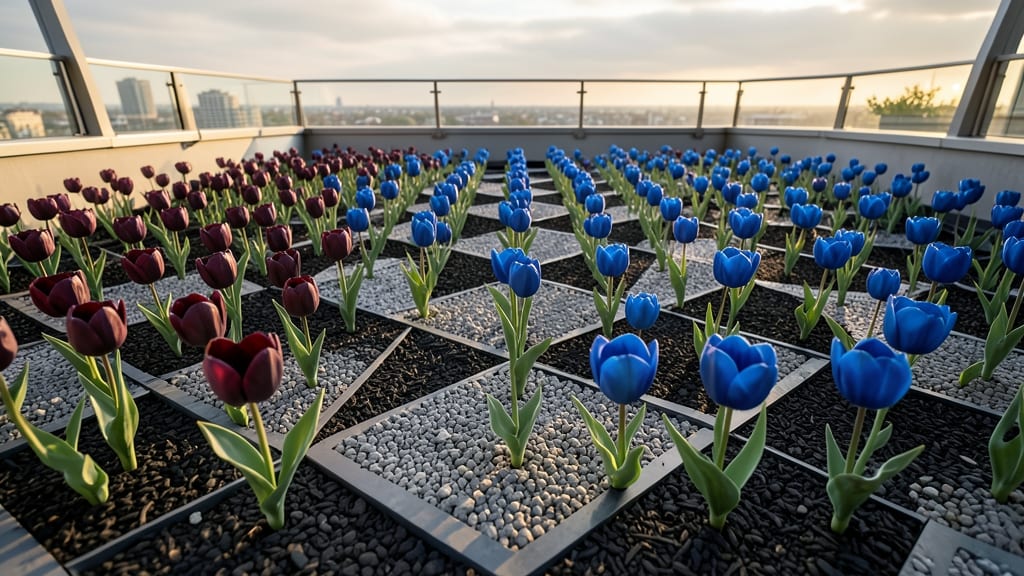
For urban gardeners craving a mathematical precision in their spring displays, the geometric tulip checkerboard delivers sharp contrast with minimal plant variety. This design transforms flat spaces into high-impact art by arranging two contrasting tulip varieties in alternating squares—think deep purple 'Queen of Night' paired with crisp white 'Ice Follies'.
The key to success lies in 2x2 foot squares with clean, gravel pathways (black or gray gravel works best) to define the grid. Plant bulbs 6 inches deep and 4-6 inches apart within each square, then mulch with a uniform material like cedar chips to maintain the structured look. Urban gardeners will love how this layout requires minimal maintenance while creating a striking visual that stands out from traditional flower beds.
This pattern thrives in full sun to partial shade and works beautifully in courtyard gardens, rooftop containers, or along modern walkways. The bold contrast makes it perfect for small spaces where every inch counts. ✨
Rainbow Arc Tulip Border
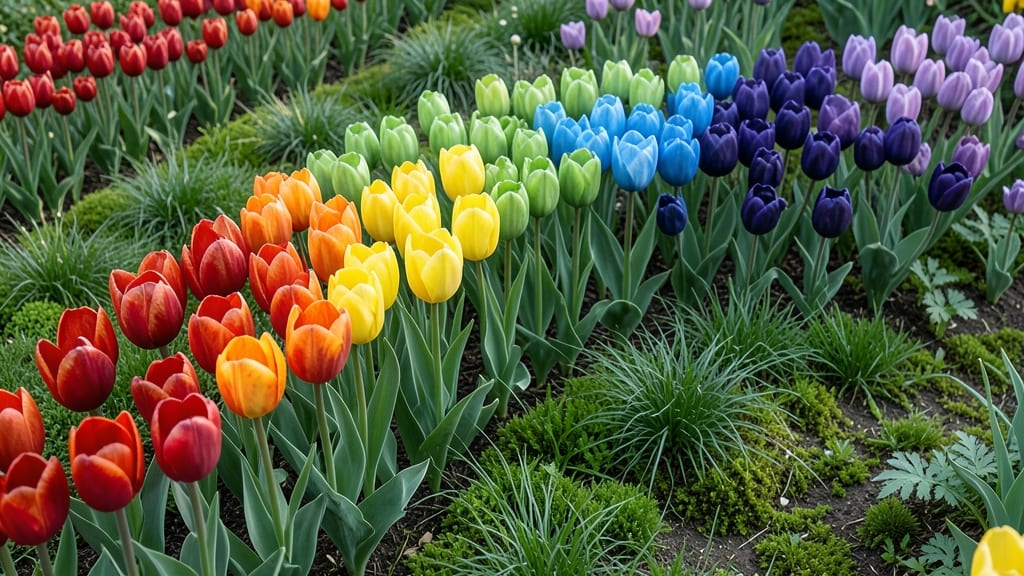
Turn your garden into a living art lesson with a rainbow arc tulip border that delights both kids and adults. This playful design teaches color theory while framing pathways or garden edges with a vibrant ROYGBIV sequence—perfect for sparking curiosity about how colors interact in nature.
Start by selecting six tulip varieties (red, orange, yellow, green, blue, and purple) with similar bloom times. Plant bulbs in a gentle arc along a border, spacing them 4-6 inches apart and 6 inches deep. Use a color wheel guide to ensure smooth transitions between hues—place complementary colors (like red and green) near each other for extra visual pop. For a polished look, edge the border with low-growing creeping thyme or a dark mulch to define the arc.
This design is ideal for families with young gardeners or anyone who wants to add whimsy and education to their outdoor space. The rainbow border becomes an instant conversation starter while teaching kids about color relationships in a hands-on way. 🌟
High-Contrast Tulip Stripes
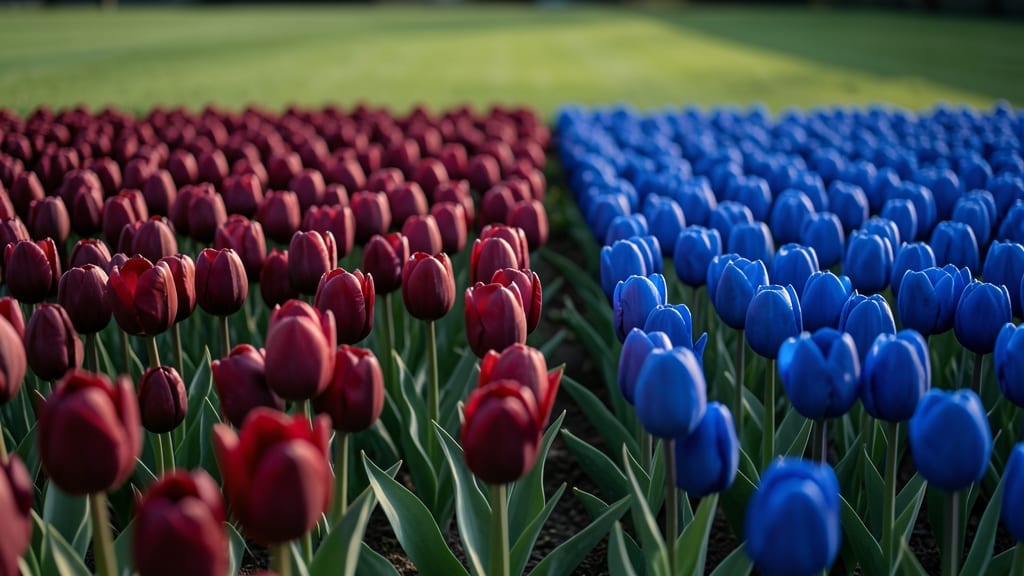
Tired of tulip beds that blend into the background? High-contrast stripes turn your garden into a living work of art with just two colors—no complicated patterns required. This design maximizes visual impact while minimizing plant variety, making it perfect for small spaces where every inch counts.
Start by choosing two complementary colors like electric yellow and deep burgundy, or crisp white and royal purple. Plant bulbs in 12-inch-wide stripes, spacing them 4-6 inches apart for a clean, uniform look. Use a string and stakes to mark your rows before planting for perfectly straight edges. For extra drama, add a border of low-growing perennials like creeping thyme to define the bed.
This approach is ideal for urban gardeners, small patios, or narrow garden beds where bold statements make the most of limited space. The striking contrast ensures your tulips become the star of the show every spring. 🌟
Tulip Color Wheel Spiral
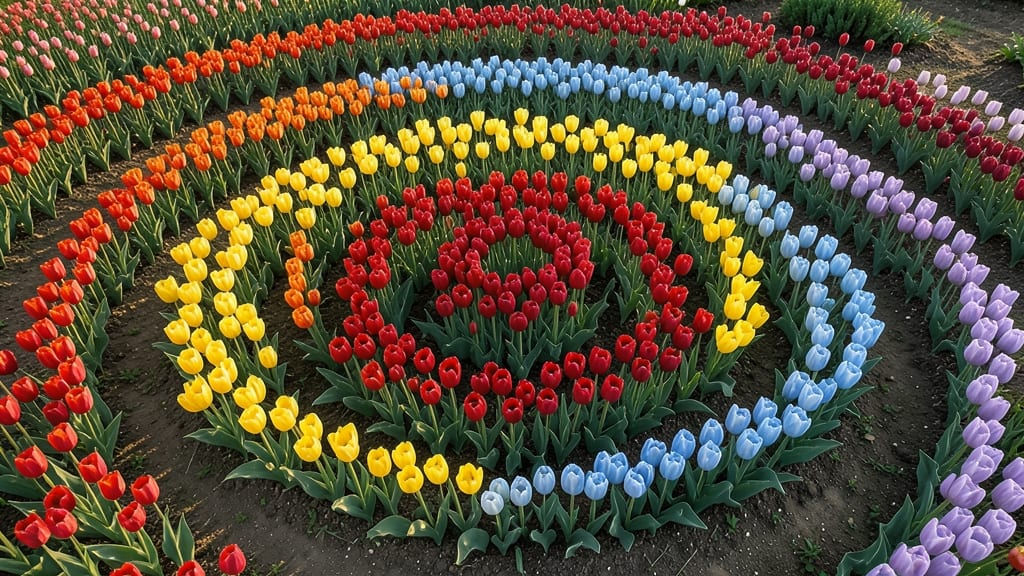
Turn your garden into a living art lesson with a tulip color wheel spiral—where every bloom follows the classic color theory progression from red to violet. This design isn’t just beautiful; it’s an interactive way to teach (or remind yourself!) how colors relate in nature.
Start by planting red tulips at the center, then spiral outward with orange, yellow, green, blue, and purple varieties. Space bulbs 4-6 inches apart in concentric circles, using a garden hose or string to mark curves before planting. For extra drama, add a wooden trellis in the background to contrast the organic flow of the spiral. This works best in full sun and pairs well with low-growing green ground cover to define the curves.
Art lovers and educators will adore this design for its educational value, while casual gardeners will appreciate how it adds movement and sophistication to any space. Perfect for teaching kids (or yourself!) about complementary colors while creating a showstopping spring display. ✨
Tulip Ombre Sunburst Pattern
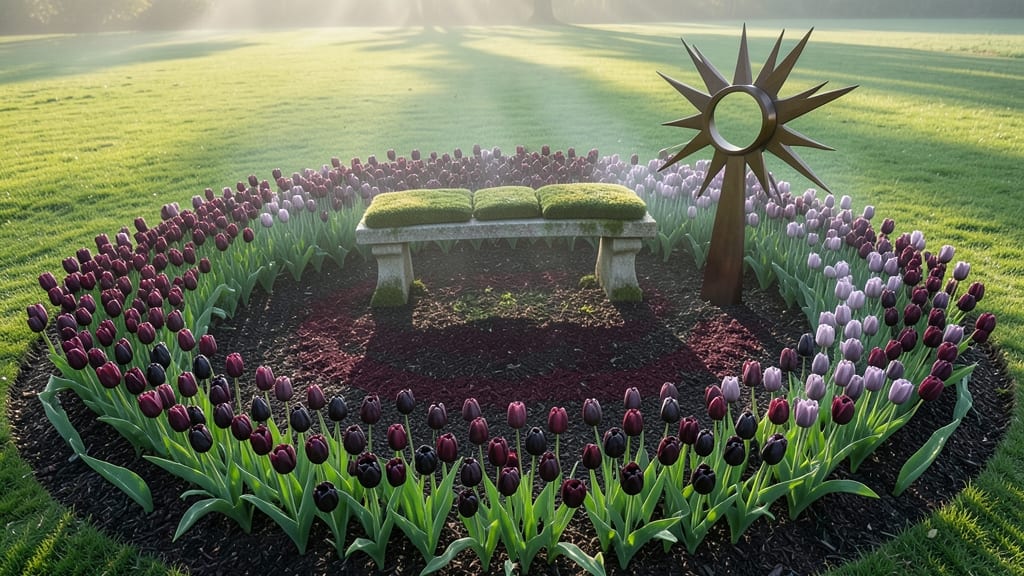
Create a stunning focal point in your garden with a tulip ombre sunburst pattern—where deep, rich colors radiate outward like rays of sunlight. This design draws the eye directly to focal points like garden benches, entryways, or even a striking sculpture, making it perfect for gardeners who love dramatic yet natural-looking arrangements.
Start by planting a cluster of dark magenta or deep purple tulips at the center, gradually transitioning to softer lavender or pale pink varieties as you move outward. Use a circular planting guide (like a hose laid in a ring) to ensure even spacing, and space bulbs 4-6 inches apart for a lush, continuous bloom. For extra impact, add a stone border or low edging to define the sunburst shape and keep the design crisp.
This pattern works beautifully in both formal and cottage-style gardens, offering a low-maintenance way to add visual drama. Gardeners with entryways or pathways will love how this design naturally guides visitors' eyes toward key garden features. ✨
Tulip Negative Space Grid
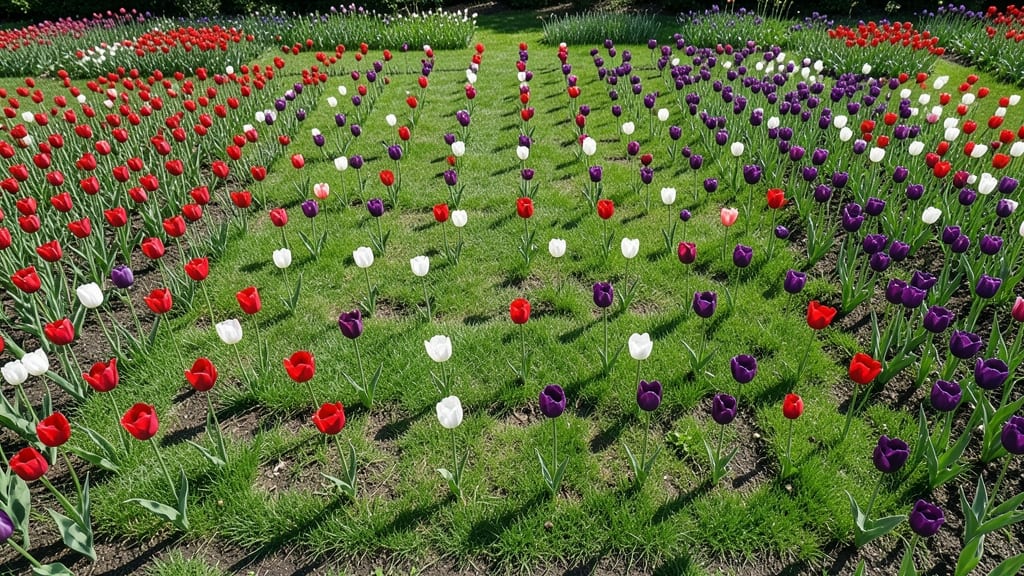
If you love clean lines and modern aesthetics, a tulip negative space grid turns your garden into a living art piece without overwhelming it. This minimalist design uses carefully placed tulips as focal points within a structured grid of green space, creating a sense of balance and sophistication.
Start by sketching a simple grid (like 3x3 or 4x4) on paper, then plant tulip bulbs at each intersection point, spacing them 4-6 inches apart for mature blooms. Fill the remaining space with low-growing ground covers like creeping thyme or ornamental grasses to maintain the grid’s clean lines. For a pop of color, choose bold tulip varieties like 'Queen of Night' (deep purple) or 'Apeldoorn' (red) to stand out against the green backdrop.
This design is perfect for contemporary gardeners who prefer understated elegance over cluttered beds. It’s also ideal for small spaces, as the grid structure makes even limited areas feel intentional and well-designed. 💡
Tulip Color Block Hexagons
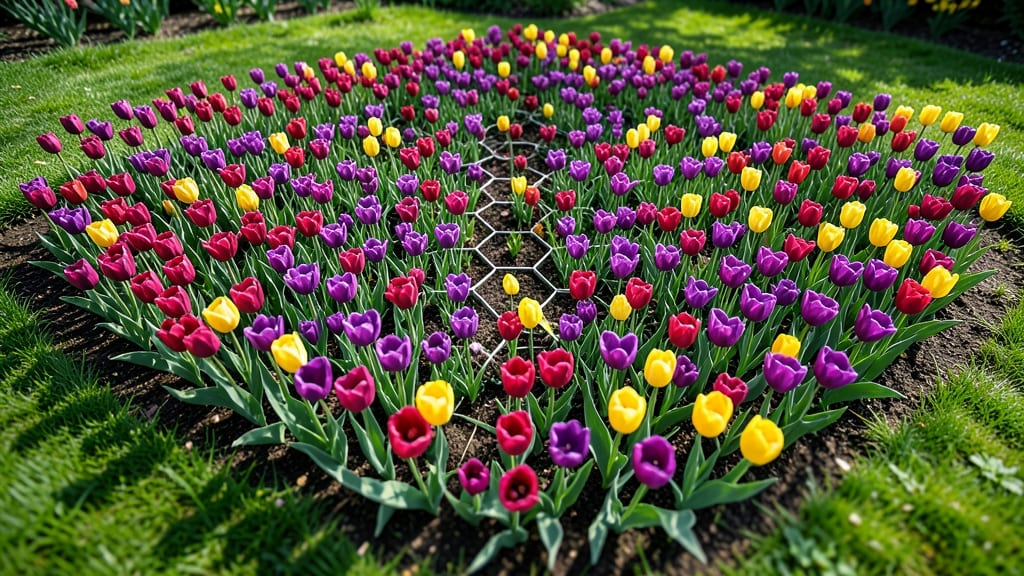
Want a garden design that feels both structured and effortlessly natural? Hexagonal tulip color blocks blend mathematical precision with organic flow, creating a stunning visual rhythm that draws the eye while harmonizing with your landscape.
Start by sketching a grid of interlocking hexagons—each one a different tulip color like white, pink, and purple—to create a mosaic effect. Plant bulbs 4-6 inches apart within each hexagon, using varieties with similar bloom times (like Darwin Hybrid tulips for height uniformity). For a seamless look, mulch with natural stone or bark to define the hexagonal paths while keeping maintenance low.
This design thrives in gardens where you crave structure without rigidity, making it ideal for nature lovers who appreciate clean lines but dislike sterile landscapes. The repeating pattern also creates a soothing, meditative quality that’s perfect for small backyard retreats. 🌻
Tulip Gradient Waterfall Design
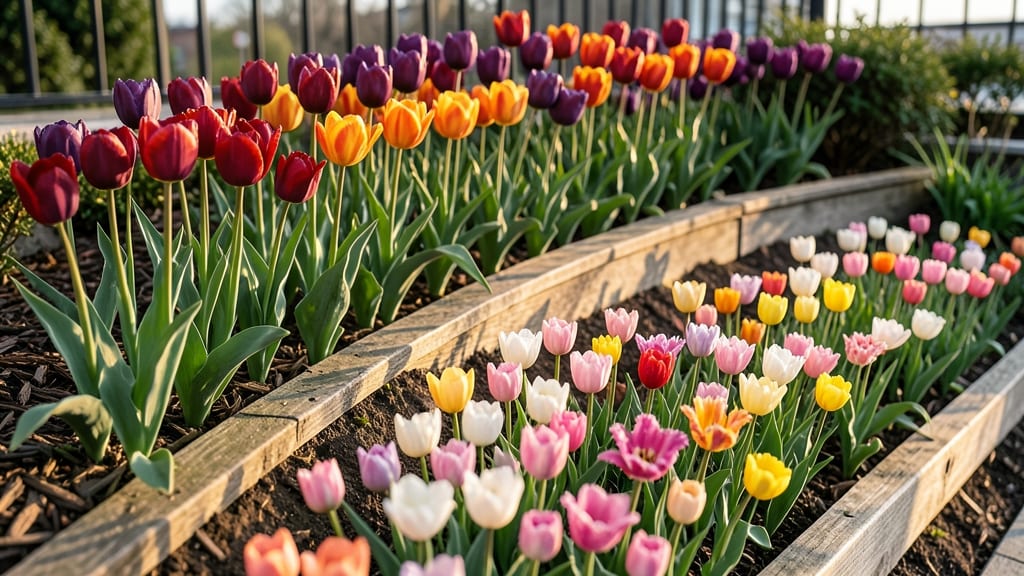
Turn a simple slope or raised bed into a living waterfall with this layered tulip design. By planting tallest varieties at the top and gradually shorter ones toward the bottom, you create a cascading effect that adds movement and dimension to vertical spaces—ideal for small yards or urban balconies.
Start with dark purple tulips like 'Queen of Night' at the highest point, followed by deep pink varieties like 'Apeldoorn' in the middle, and finish with soft white tulips such as 'Ice Follies' at the lowest tier. Space bulbs 4-6 inches apart in rows staggered by 6 inches for a natural flow. This design thrives in full sun (6+ hours daily) and benefits from well-draining soil to prevent bulb rot.
Perfect for gardeners who love drama without sacrificing simplicity, this waterfall effect brings year-round interest—even after blooms fade, the layered foliage adds texture. 🌻
Tulip Color Theory Triangles

Ready to transform your garden into a living color theory lesson? Tulip color theory triangles create dynamic visual pathways that guide the eye while demonstrating how complementary colors enhance each other. This design isn't just beautiful—it's an interactive way to teach (or refresh your memory on) how colors work together in nature.
Start by selecting two complementary tulip colors like blue and orange or purple and yellow, then plant bulbs in large equilateral triangles. Space them 4-6 inches apart within each triangle, using wooden stakes to mark the edges for precision. For extra impact, place the triangles at different heights—some closer to the viewer, others further back—to create depth. This design thrives in full sun (6+ hours daily) and pairs beautifully with low-growing perennials like creeping thyme to define the triangular shapes.
Perfect for art lovers, educators, or anyone who wants to add sophistication to their garden, these triangles create a natural focal point that draws visitors deeper into your space. The contrasting colors make your tulips pop while teaching a subtle lesson about color relationships—all while keeping maintenance simple. 💚